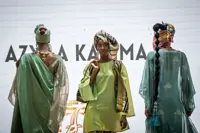
Bazaars were the launching pad for many local fashion brands, and where many maintain their physical retail presence. But as with everything else, the Covid-19 pandemic has thrown a spanner into that arrangement.
Bazaars were closed when the movement control order (MCO) was implemented in March, as were retail outlets. Local fashion brands quickly realised they need to look at other means of selling their products. One such alternative is going digital.
Read more: Can fashion weeks successfully go digital? Malaysian industry insiders weigh in
Accessories brand Zoo For People for example, has mainly derived its sales from physical events leading up to the Hari Raya or Christmas festive seasons.
“The lockdowns and ensuing cancellation of bazaars greatly impacted our revenue this year. We believe it is the same for other brands that have been active in bazaars during these seasons, ” says its founders Sue Chan and Renesh Singh in an email interview.
“Fashion is a very competitive space and requires digital marketing to reach consumers. With a limited budget due to decreased revenue this year, this further puts small businesses like ours in a tough spot.”
We're by Starbucks in Bangsar Village 1. See you there. #zooforpeople #christmas2019 #kualalumpur #bangsar #giftsformen #giftsforhim #giftforhim #giftideasforhim #mensaccessories #madeinmalaysia #malaysianmade #malaysiabrand #malaysianbrand A post shared by Cotton Face Masks (@zooforpeople) on Dec 6, 2019 at 3:07am PST
The duo then changed their focus to pushing for online sales through their webiste, social media and online shopping platforms.They add that their brand witnessed a pickup in sales (although not quite back to normal levels) at the end of June.
But sales was again affected when Covid-19 cases started rising recently.
“Just when we were about to participate in our first mall bazaar since the pandemic began, the conditional MCO was announced again, thereby halting any participation in mall bazaars till it’s lifted. We do hope consumer spending online continues to pick up."
Read more: Comfortable yet chic: Local fashion labels describe their perfect WFH look
Umma, a modestwear label born in the time when bazaars were booming, is trying its best to weather the challenges. It now remains a matter of steering according to the situation.
“It has been an eye opener and we have learned so much from this pandemic. There are signs of recovery for retail but it will definitely take time, ” says founder Zairin Azman.
“During difficult period, it gives us a different perspective and ideas on how to market our products. It has definitely driven us to become more creative and pushing us beyond boundaries.”
Our same day pick up option is now available for those residing in Klang Valley and Selangor! Opt for the same day pickup option when you checkout on www.umma.my and you’ll get all the details to pickup your item(s) at our HQ in Taman Tun Dr Ismail! A post shared by UMMA (@umma.my) on Sep 20, 2020 at 10:10pm PDT
But the pandemic does not discriminate. Well-established brands with snazzy boutiques and far-reaching recognition are affected too.
In Malaysia, they have all pivoted to online sales. This is in addition to diversifying their product offerings, which now include face masks and other consumer lifestyle necessities.
“With the change of consumer’s behaviour and spending pattern, we are offering more sustainable yet practical and versatile products that can be used in their daily life, ” designer Jovian Mandagie points out.
“On our side, what we have been doing now is to re-strategise and overcome the impact on our business and operation by producing more essential products that suit the demands of our market.”
Read more: What do Malaysian designers think about the call for fashion to go seasonless?
While platforms like Instagram and Facebook show results in connecting brands with customers, the entrepreneurs who really think outside the box are reaping greater results.
Designer Rico Rinaldi has been creating hilariously absurd videos and posting them on TikTok since early this year. While some people are criticising him for not maintaining “standards” as a fashion designer, he is the one having the last laugh.
“Seventy percent of my custom-made orders now come from people who know me through TikTok. A lot of them are new generation customers who previously were not my target consumers, ” Rico explains.
@thericorinaldi Who should pay then?? Baju dah siap!! ##fyp ##foryoupage ##fashiondesigner Midnight Train To Georgia Performed by Regina Love - Marcel Monroe
“I started during MCO early this year. I actually downloaded TikTok for fun at the start, then I realised it is able to really generate sales.”
Which goes to show that local success in Malaysian fashion, especially for small brands, cannot be counted upon just having a stall at a bazaar anymore. On the flipside, big names have to work hard at weathering the Covid-19 challenges too.
As much as the pandemic has affected everyone in the industry, it levels the playing field – in some ways.
Already a subscriber? Log in
Get 20% OFF The Star Digital Access
Cancel anytime. Ad-free. Unlimited access with perks.