Seven years after Lebanon’s devastating financial meltdown, a debate over a chicken sandwich has exposed an increasingly stark divide between those who can still spend freely and those struggling to get by.
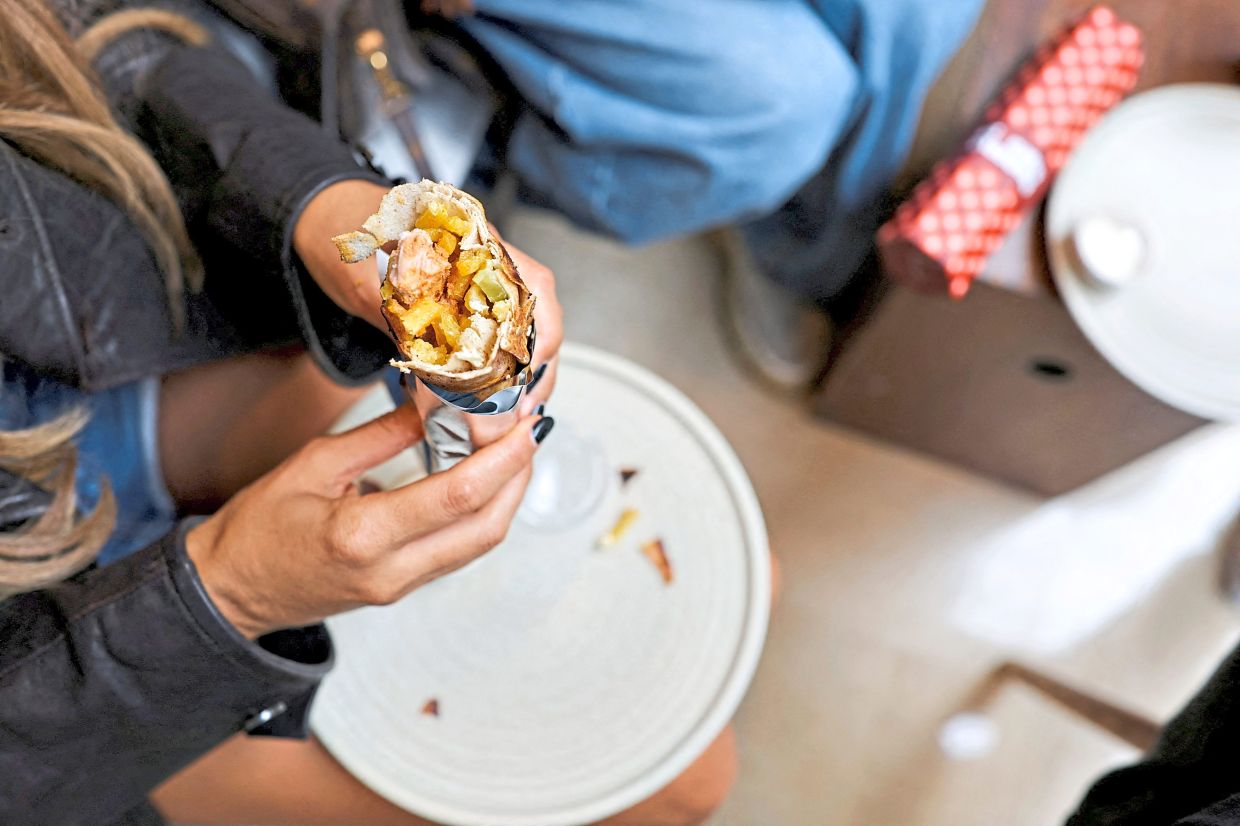
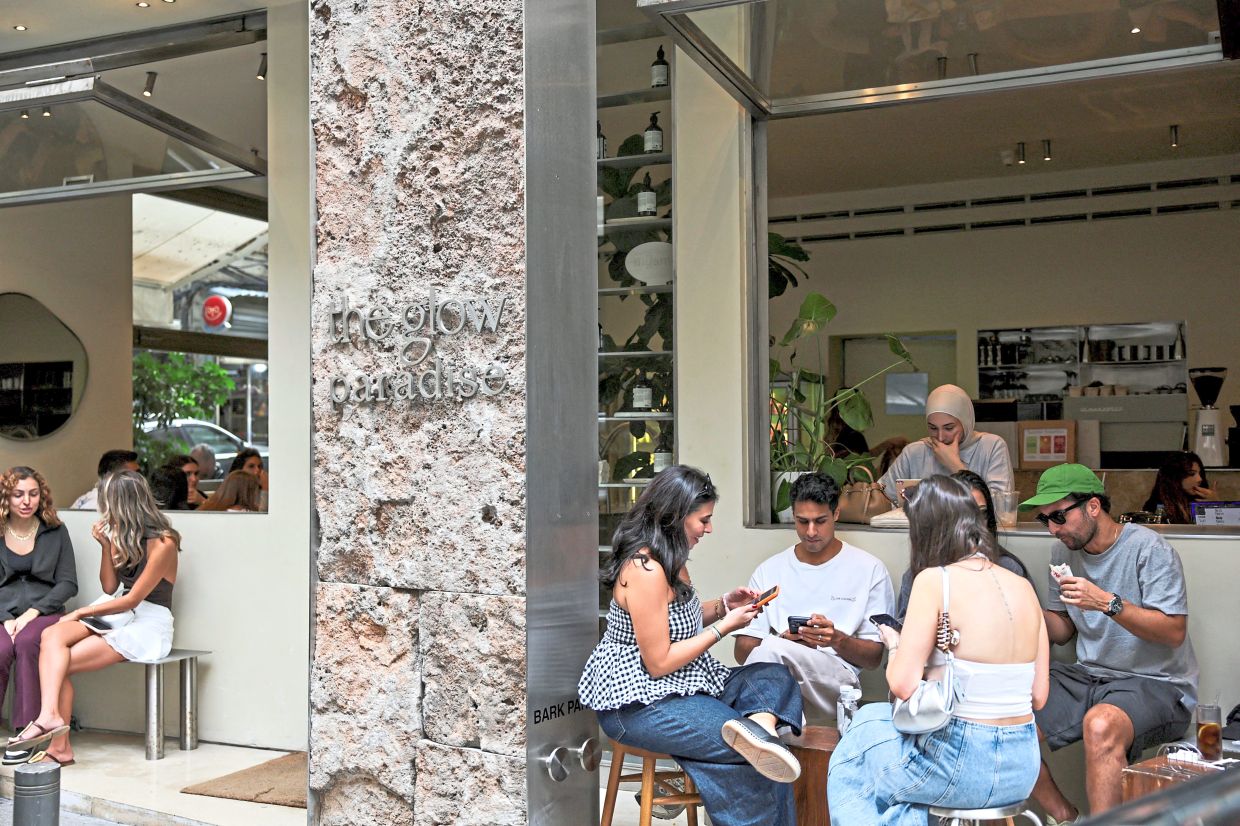
A trendy health restaurant wanted to offer its calorie-conscious customers a healthier take on the beloved Levantine wrap known as the shish taouk. So, The Glow Paradise launched the “Chic Taouk”, pricing it at around US$13 (RM53) – nearly double what an “un-chic” chicken sandwich typically goes for in Beirut.
The pricy pun proved hard to swallow, with outraged critics accusing the restaurant of overcharging in a country where many households struggle to afford basic necessities.
Yet while the debate raged on social media, customers kept buying. The Glow Paradise sold more than 20,000 Chic Taouk sandwiches in just 11 days, according to managing partner Hrag Jeghalian, who described the online exchanges as “natural marketing”.
The contrasting reactions touched a nerve in Lebanon, where years of financial turmoil, political dysfunction and conflict have reshaped the country’s social landscape, hollowing out much of the middle class while leaving a smaller group of consumers able to sustain an affluent lifestyle.
Out of focus
Sami Nader, an economist at the Saint Joseph University of Beirut, said the throngs at The Glow Paradise belied another reality.
“So you see people in the restaurant, but what you don’t see is that 22 restaurants closed last month,” Nader said.
Lebanon’s Instagram-active community was split between those accusing the restaurant of theft and others saying the sandwich was intended for those who could afford it.
Some questioned whether the dispute itself reflected misplaced priorities in a country grappling with urgent crises, from Israel’s occupation of large swaths of the country’s south to the endemic electricity and water crises.
Lebanon’s 2019 financial collapse was prompted by decades of corruption and profligate spending by the ruling elite, and several rounds of conflict since then have worsened the country’s economic outlook.
GDP has declined by nearly 40% since 2019 and inflation is expected to rise to 17.5% due to rising global energy and shipping prices eating away at people’s purchasing power, according to the World Bank.
The figure is more than quadruple the global headline inflation rate flagged by the International Monetary Fund in July.
Four in five households in Lebanon struggle to afford basic necessities, the United Nations’ children’s agency said in September.
Can’t keep up
The country’s middle class has “disappeared”, Nader said, dismantled by a series of crises including the collapse of the financial system in 2019, the 2020 Beirut Port explosion and two wars in under two years.
Monthly bills from private generator operators, which provide electricity to many homes and businesses during outages on Lebanon’s failing national grid, jumped by nearly 20% in August 2026 alone, bringing rates nearly 60% higher than they were in February of this year, according to the kilowatt-hour prices set by Lebanon’s energy ministry.
For many, that means paying for 24/7 electricity now costs several hundred dollars a month, in a country where the minimum wage is set at US$400 (RM1,631).
“Everything has become expensive, and people can’t keep up,” said Fouad Fakhreddine, a 53-year-old restaurant worker from nearby Hamra. “We are now getting paid, then getting in debt over that just to get by.”
The years of economic instability, he said, have produced “... a class that is living, and a class that is not dead and waiting to die from the unbearable situation it is in.” – Reuters