



The world as we know it is progressing at such blistering speed that most things that once relied on human connection have given way to modern conveniences.
For instance, a century ago, most people grew their own vegetables and fruits in home gardens and orchards, but this has rapidly been replaced by massive urbanisation. In Malaysia, data from the World Bank Open Data site shows that in 2025, urbanisation rates in the country were at 77%.
This means most young people in the country are growing up in cities and have few – if any – ties to the land that feeds them or the people growing their food.
This is compounded by the fact that farmers in Malaysia have various pain points that remain unknown to many consumers – from not always being able to be financially viable to relying on government subsidies for survival.
Farming is also consistently viewed as a 3D job – dirty, dangerous and difficult, which is why interest has waned over the years. In fact, 2024 data from the Depart-ment of Statistics Malaysia shows that nearly 78% of Malaysian farmers are aged 46 and above, with close to 50% of farmers made up of senior citizens. It is a worrying development, because if fewer and fewer young people are getting into farming, who will eventually grow our food?
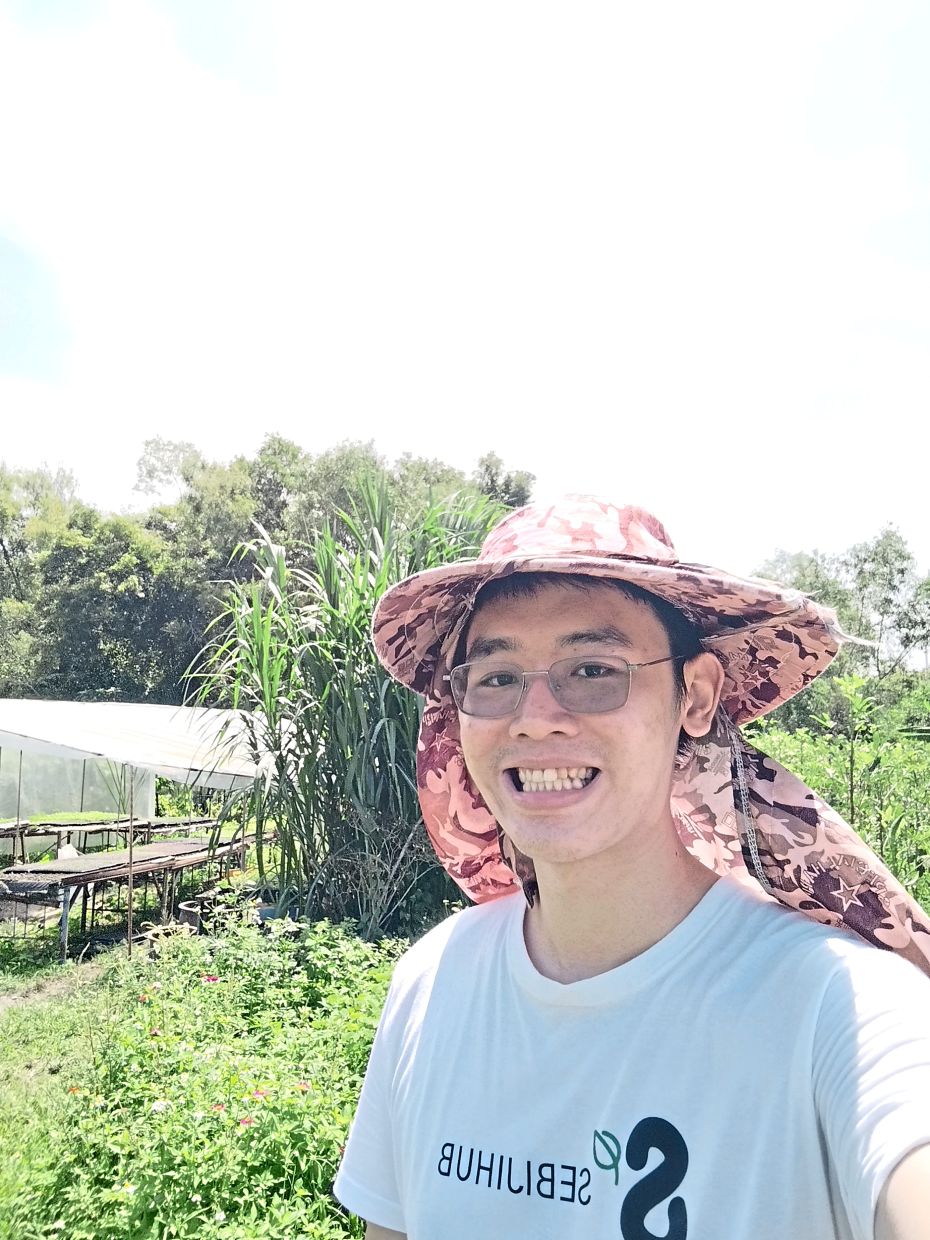
“When young people don’t want to get into farming, eventually there will be fewer people growing our food. But as consumers, we still want our food to be cheaper. So the system is just not sustainable,” says 30-year-old Zien Lew, the founder of Sebiji Hub.
Recognising the gaps in the existing food system, Lew is hoping to help close the loop and connect the dots with a fledgling adopt-a-farm initiative.
Interest in sustainability
Lew is a biotechnology major with a massive interest in sustainability. As part of his final year degree requirement, he collected and studied rice samples, which is how he got to talk to farmers and started understanding how hard they worked and how little they had to show for all their industriousness.
An internship at a farm chemical company gave him increased exposure to farming in general and a deeper understanding of how the entire agricultural system in Malaysia operates.
“Through so many interviews with farmers, I started to understand what’s going on in the industry and the challenges and hurdles that farmers are facing. It’s heart-wrenching seeing farmers put in so much effort and work, but because of limited access to resources like financial access – they don’t get the same amount of returns for their efforts.
“And I have a group of friends who shared how they actually tried farming themselves. They put in their savings and started farming chillies. However, their passion was slowly eroded by how harsh the reality of farming is. They were basically pushed around by all sides and support that was promised wasn’t delivered. And after spending so much time on the farm toiling, the price offered for their harvest didn’t allow them to survive,” says Lew.
Eager to do what he could to improve the situation, Lew spent the years during the Covid-19 pandemic joining leadership and exchange programmes to boost his knowledge, including the Young Southeast Asian Leaders Initiative, a United States Department of State-sponsored programme to build leadership skills among young South-East Asians.
With grant money that he received from some of these programmes, he set about trying to change farmers’ lives. At first, Lew admits that he was in over his head. His initial idea was to set up an information portal for farmers about common pests associated with farming, but soon he realised the farmers had their own WhatsApp support groups to help each other with this.
Then he landed on the idea of starting a farmers’ marketplace designed to ensure that farm produce was sent directly to consumers without going through any middlemen or suppliers. But soon, he realised he didn’t have the resources to compete with the existing players in the market.
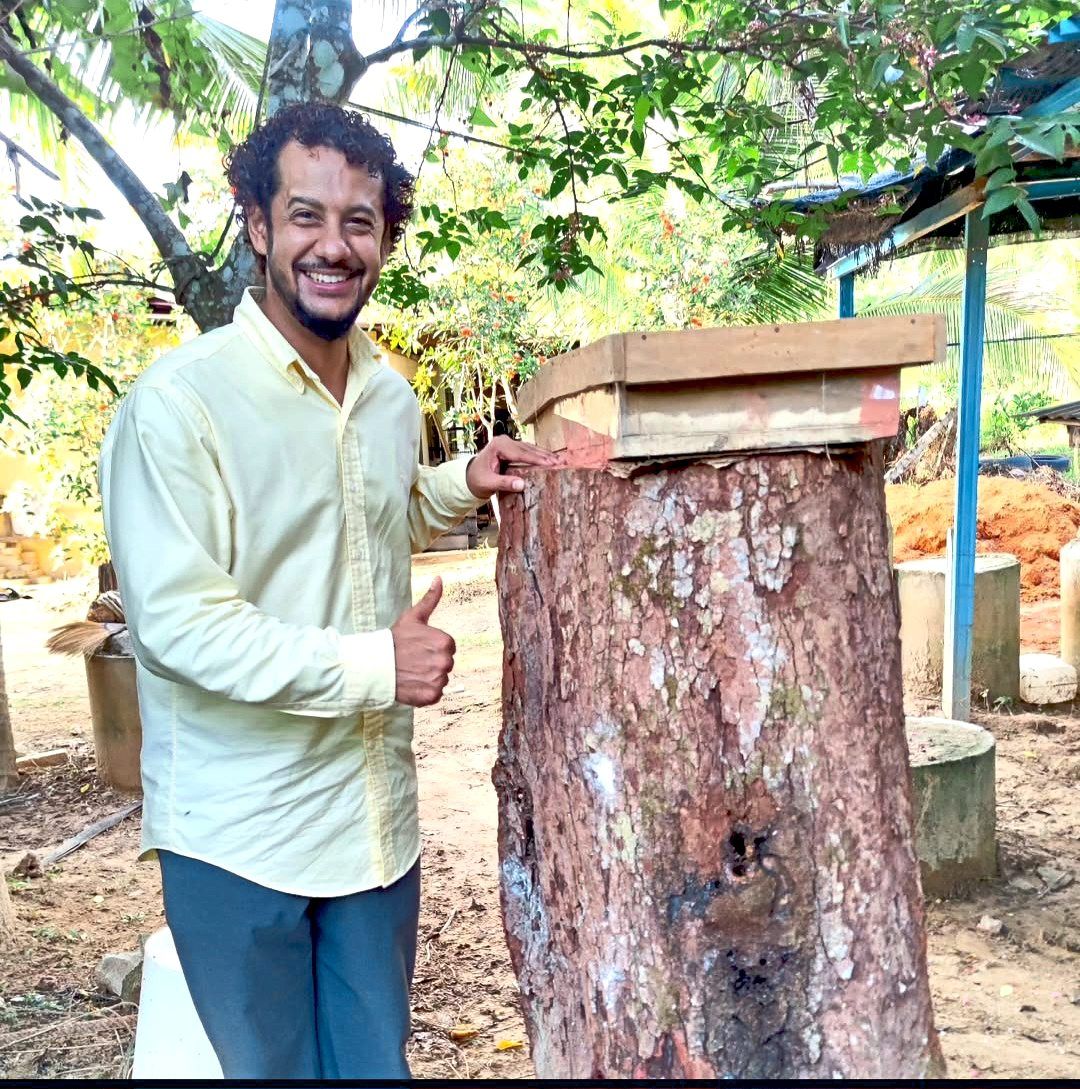
After visiting more farmers and talking to them about their struggles, he hit upon the idea for Sebiji Hub, an initiative which allows anyone in Malaysia to contribute or pledge a certain amount of money to essentially adopt a farm (or a plot on the farm) and experience farm life themselves.
How it works
Lew currently runs Sebiji Hub entirely by himself and travels all over Malaysia using public transport to identify and speak with farmers that might be interested in participating in his initiative. Before signing smallholder farmers, he personally visits their farms himself to determine if they are a good fit.
At the moment, 13 farms scattered across Selangor, Penang, Perak and Johor are involved in the initiative, with between 70% and 90% of earnings channelled entirely to the farms. In the future, he hopes to register the business as a social enterprise.
“Most of the farms get 90% of the earnings, it’s only the farms that are okay with us taking more – where we take 30%,” he affirms.
Since he launched in the past year, Lew has already had over 200 adopters and has generated more than RM80,000 in income for partner farmers, most of which are run based on organic, regenerative, hydroponic or syntropic principles. For his work, he was recently recognised on the Wiki Impact 100 (2025), an annual list which celebrates Malaysian changemakers.
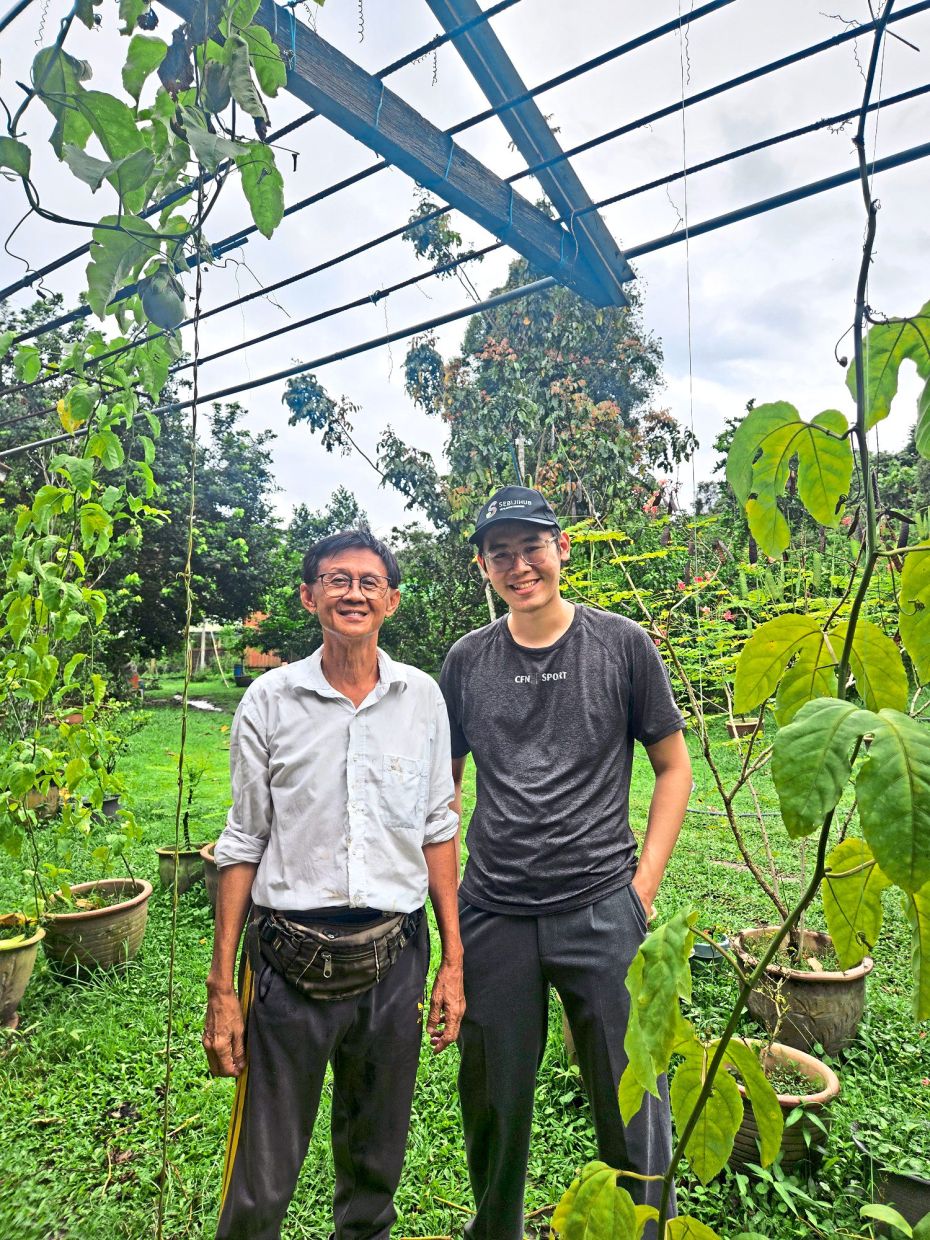
So how does Sebiji Hub work exactly? Well, Lew teams up with participating farms to draw up plans that suit their financial goals and needs, acting as an adviser on these projects.
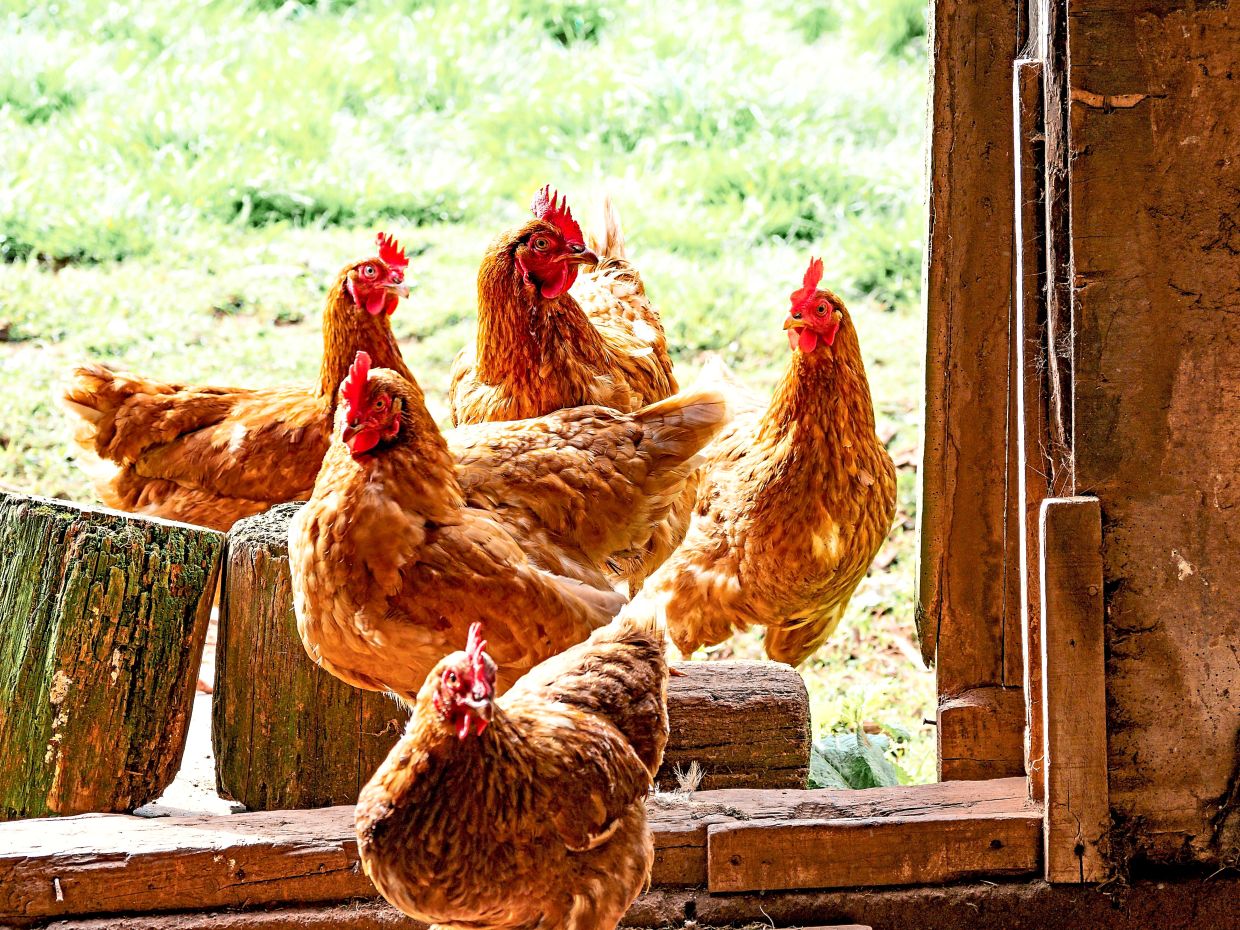
Once the plan is finalised, it goes out to the public via the Sebiji Hub website and social media channels and people can then opt to adopt a plot, hive or coop or commit to a farm experience that they believe in and book the experience or adoption online.
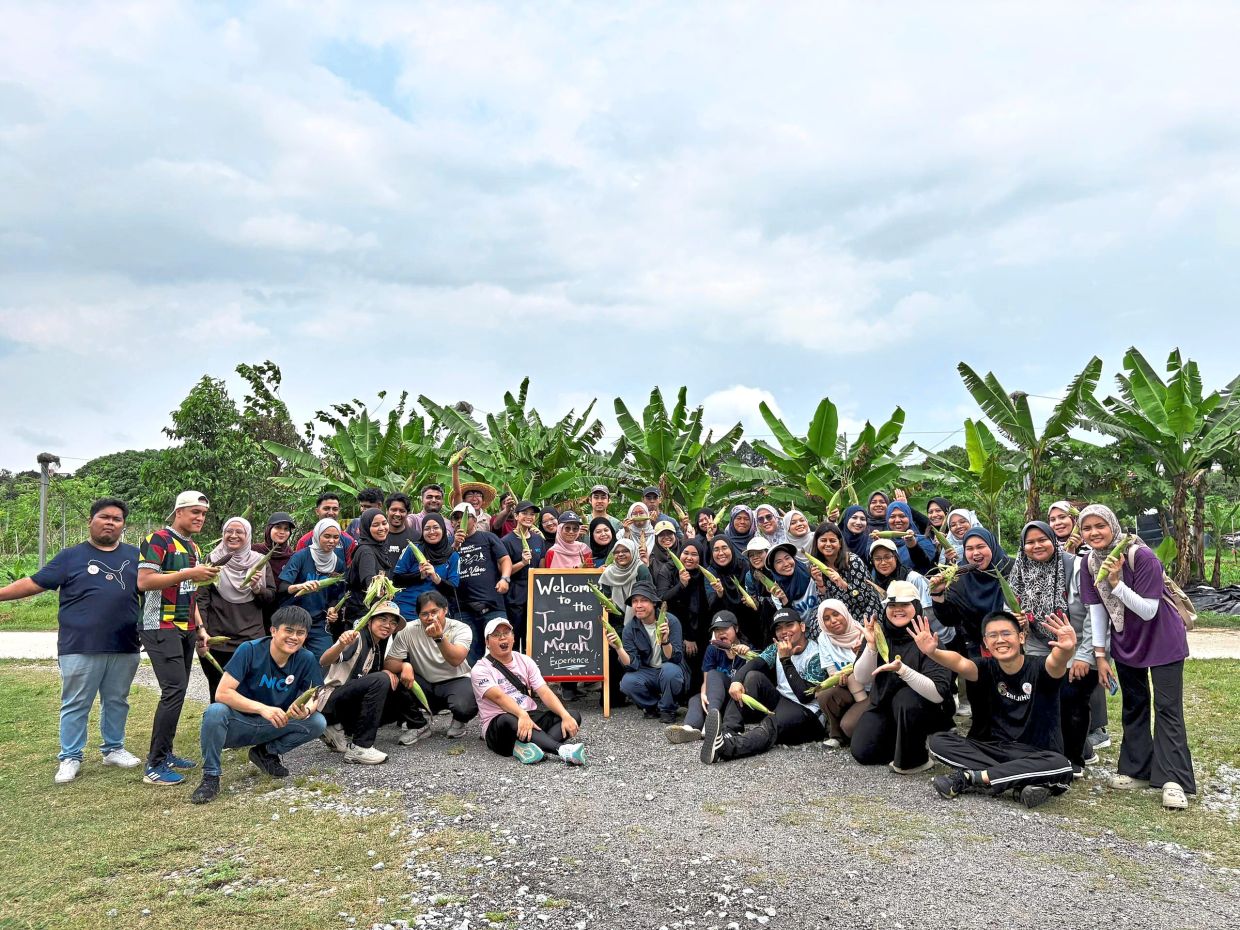
The farmers will then take care of the plots and people get to go to the farm and experience farmer-led activities such as planting, harvesting or workshops – in fact, nearly 100% of the programmes include a farm experience of some sort. At the end of the harvest season, adopters get to enjoy the harvest or have the farm sell it for them.
At the moment, packages range from RM70 for a half-day farm tour to subscription packages for harvests that can be anywhere from RM180 for three months of stingless bee honey to RM1,800 to adopt a chicken coop.
“Farmers come up with all the packages based on their operations and based on their farm’s capabilities. It would be slightly different for all the farms because not all farms produce the same thing and not all farms operate the same way. So we respect our partner farms and how they run things and from there we curate all these programmes and adopt-a-farm packages and experiences.
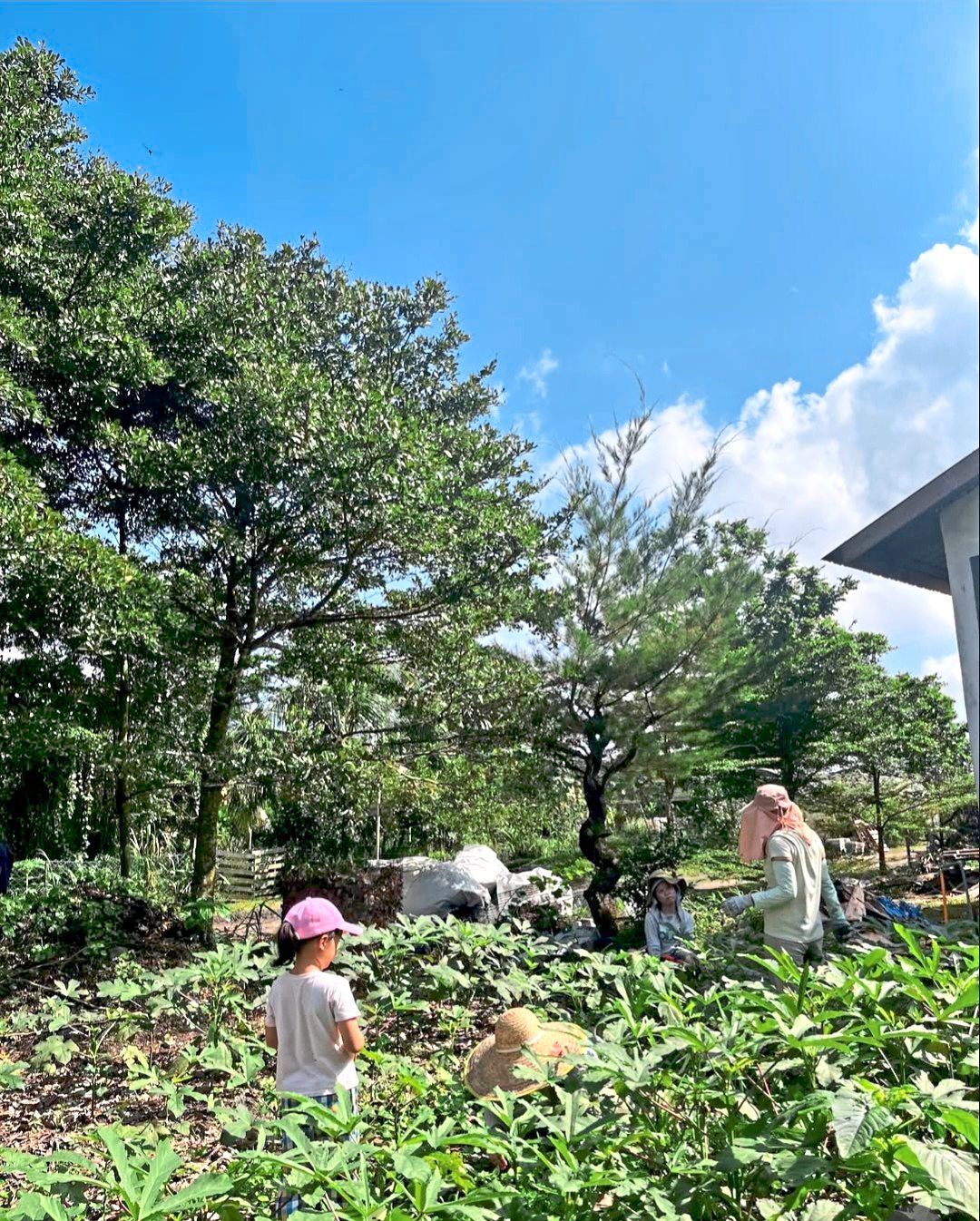
“So they focus on farming and we bring the connections and experience and opportunities. So for consumers, they purchase and participate, like they can come to the farms and do farm work themselves or join workshops.
“So you don’t need to own land or be a farmer yourself; you can support a real working farm and understand where your food comes from and in the process, impact farmers,” says Lew.
The goal is for the programme to help farmers earn additional income that they can use to reinvest back into farm operations so they have a more sustainable, resilient business.
“What we’re doing is bringing opportunities to farmers in a way that they have a sustainable income, which also gives them a cushion to experiment and adopt new technology and farming methods because without the capital and the support, they don’t have the opportunity to innovate,” says Lew.
Lew says he has realised that Malaysians are very supportive of these endeavours – even when they have never stepped foot on a farm before. The programmes also help foster a closer connection with consumers and the people growing their food – building a deeper understanding of the land and the food grown on it.
“I believe that if we want to build a strong food system, we should start with strengthening the people at the foundation, which is the farmers. And I am here to build more inclusive connections between farmers, consumers and communities.
“I want to let people know that there are faces and hands working silently behind their food and provide a way for them to contribute back to the people who grow their food. And ultimately, if we can provide farmers with a more sustainable livelihood, maybe we can make farming great again,” says Lew.
The future
Given the positive response to his initiative, Lew says his immediate goal is to increase the number of farms participating in the programme by the end of the year and eventually rope in
farms in the east coast of Malaysia. Once the business model is more mature, he hopes to hire staff and expand his footprint even further.
“This year, conservatively I am hoping to close the year with 20 farms – that’s the minimum growth. But at the current rate, we might have more farms.
“And since I personally visit all the farms that are on board, if I am going to expand to East Malaysia, then ideally I will need a bigger team, which will happen as the organisation becomes more mature and grows,” says Lew.


