
Farm-to-table dining isn’t new by any stretch of the imagination. Traditionally, that’s how we all ate at one point in history – plucking and harvesting from home gardens and backyards that were once filled with fecund vegetation and domestic animals, like cows, chickens and ducks.
Fast forward to the 21st century and this is all a distant memory. We eat what we purchase from markets and supermarkets with very little connection to the land or the people who grow our food.
So running an upscale farm-to-table restaurant in this climate? That’s a wholly refreshing and anomalous experience that goes against the supply chain dictates of modern F&B.
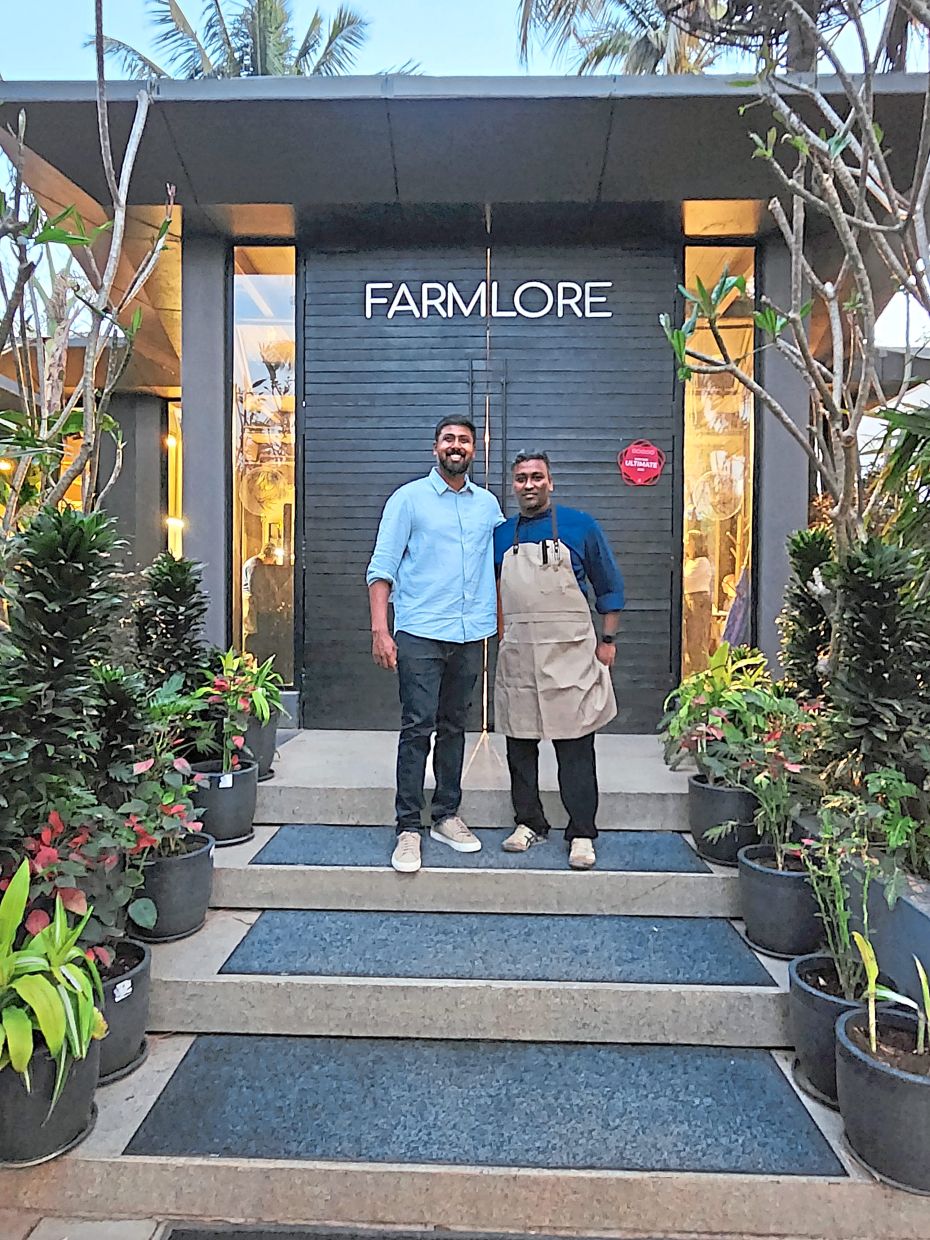
But that’s exactly what you’ll discover at groundbreaking restaurant Farmlore in the southern city of Bangalore in India.
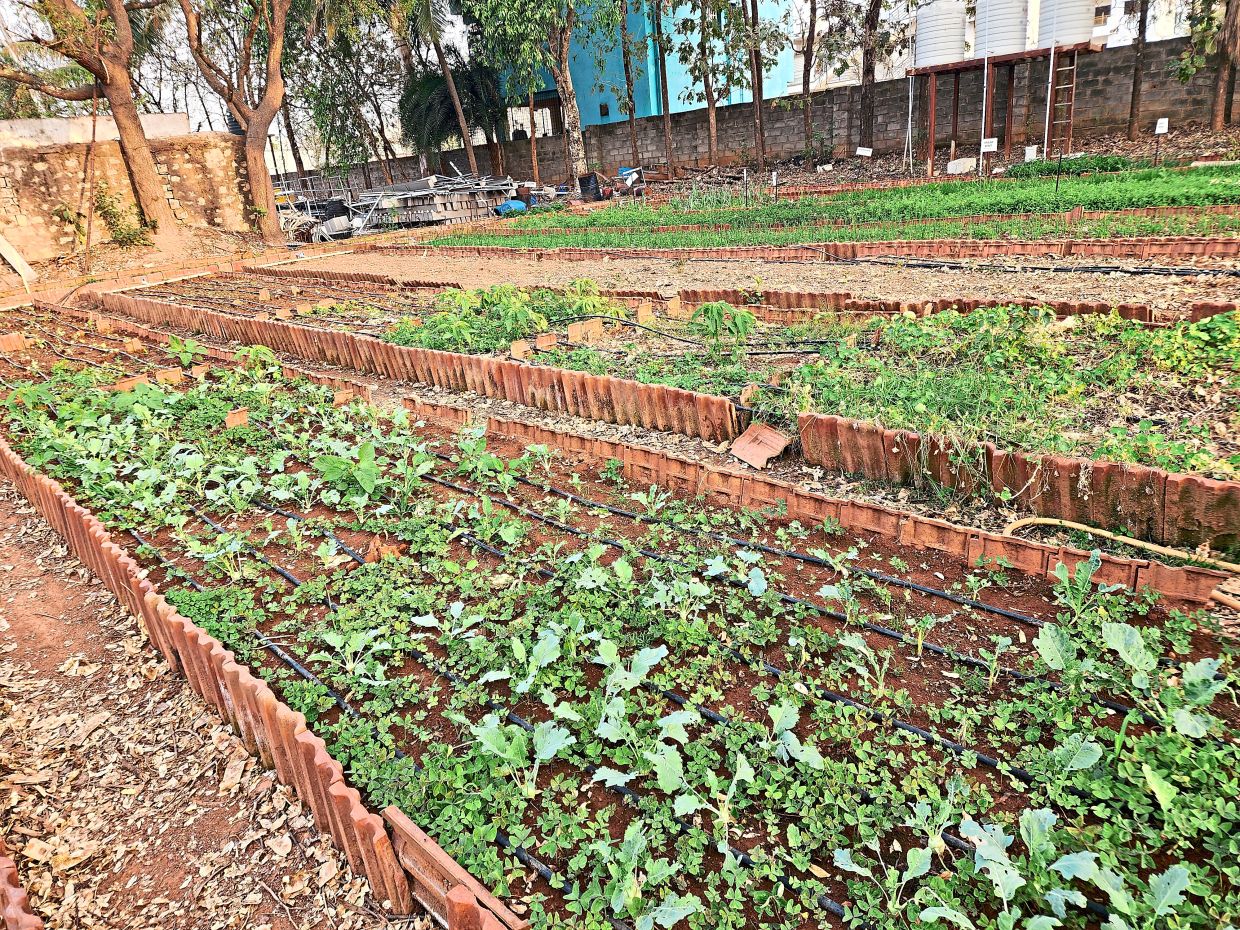
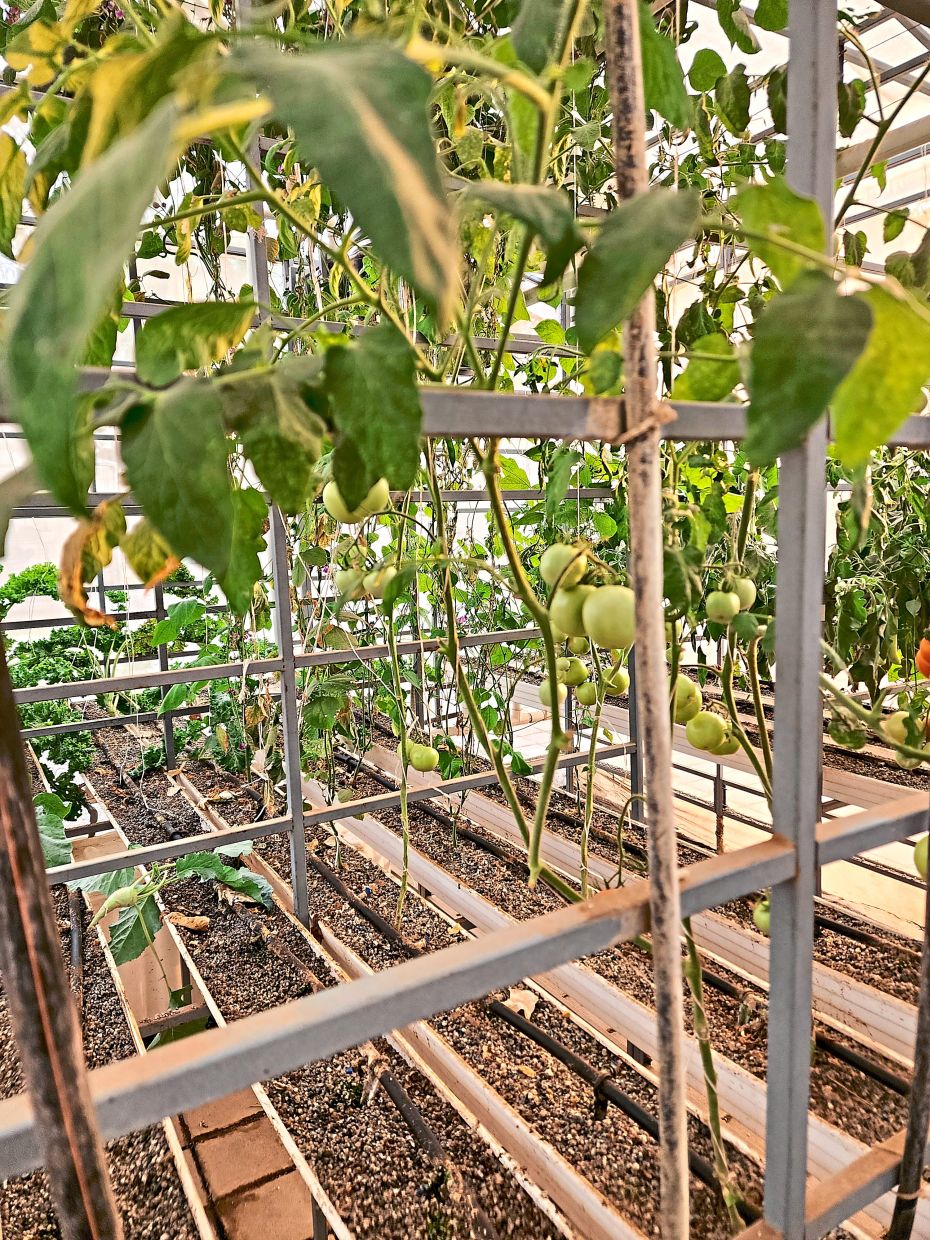
As the evening sun descends, it casts a golden-red hue on the farm beyond, which hums and blooms with growth. This 13-hectare space is home to a range of vegetation – namely mangoes, jackfruit, tubers, tomatoes, coriander leaves, spinach, radish, broccoli and coconuts.
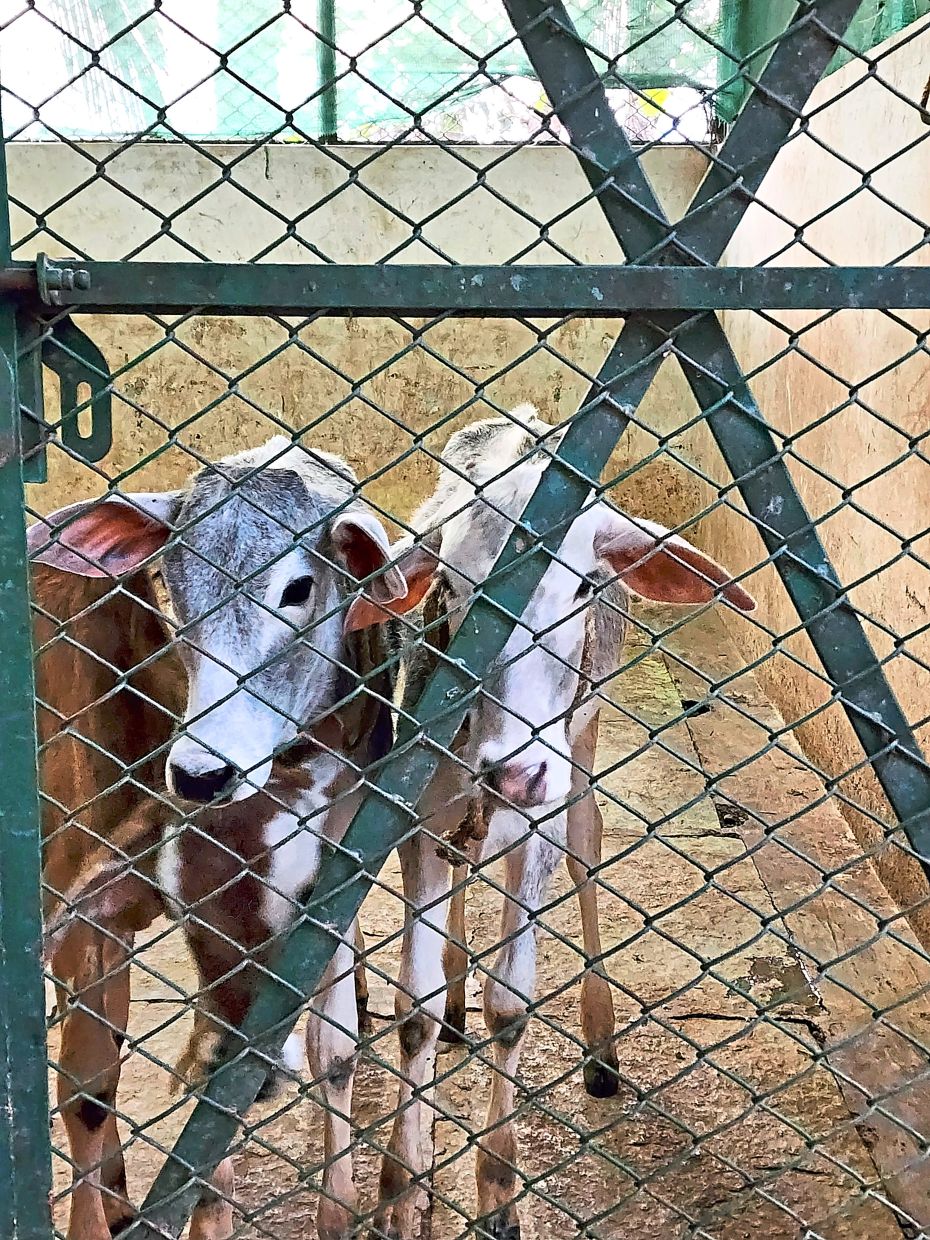
In the distance, gentle mooing announces the presence of A1 cows (cows whose milk contains the A1 variant of the beta-casein protein) – 24 of them in total that now produce milk, yoghurt and ghee for the restaurant.
Walk further down a path and the restaurant itself comes into view, nestled into a cosy spot surrounded by foliage.
Farmlore is one of the most novel, interesting restaurants to emerge out of India in the past few years. Depending on the season, the farm produces between 40% and 60% of the restaurant’s daily needs – with a goal of eventually being able to be entirely self-sustaining.
The brainchild of serial entrepreneur Kaushik Raju, Farmlore is a long-held dream of Kaushik’s that also pays homage to his roots – his great-grandfather was a farmer.
While his descendants eventually ended up becoming contractors responsible for developing everything from hotels to cricket stadiums in Karnataka (the state that Bangalore is in), Kaushik dreamt of opening a restaurant that would connect people to food through stories.
In 2015, he met chef Johnson Ebenezer – the two hit it off but Johnson was about to leave India to helm progressive Indian restaurant Nadodi in Kuala Lumpur. So Kaushik started a tech company in the interim. Then in 2019, everything changed.
“Johnson called me up saying, ‘I want to come back to India – are you still interested in the concept we were talking about?’ And I said ‘Yes’. I sold my tech company and used the money to take the risk with Farmlore at that point.
“I felt that Bangalore was a very good place to open new concepts, as people here are more open to testing it out,” explains Kaushik.
Farmlore began as a pop-up kitchen in a hotel but when the Covid-19 pandemic happened, Kaushik and his team began farming in earnest and the restaurant took shape around that.
At the restaurant, Johnson has worked hard to put together meals that reflect the produce from the farm and ingredients native to the region, with a focus on Southern Indian cuisine and the cuisine of the Deccan plateau – which covers states like Karnataka, Maharashtra, Andhra Pradesh, Tamil Nadu, Kerala and Goa – to name a few.
“The flavours would remind you of the Deccan plateau and are pretty much evident to stories and things around it.
“And one of the challenges is that fine dining is typically made up of exotic ingredients sourced from different parts of the world.
“So our challenge was to say – can we take simple Indian produce like grapefruit or ridge gourd – things that you don’t normally serve or think about and turn that into a fine-dining experience?” says Johnson.
It turns out it can be done. Johnson cooks over a traditional wood-fire using mango wood or jamun (hardwood native to the Indian subcontinent) wood and puts together creative menus that change every month in keeping with what’s in season across the region. His approach is playful and fun yet pays reverence to provenance and providence.
His plantain pith soup with quail egg and onion crunch for instance features a soup fashioned out of banana stems and thickened with Bengal gram, alongside a cooked quail egg. The soup is modelled after Burma’s famed mohinga – a dish of noodles and fish soup – that is also served in Tamil Nadu in India, due to the latter’s close ties with Burma.
The soup is hearty yet nurturing – rustic and relatively unvarnished yet satiating and fulfilling on the flavour front.
The Seataphor 4:26 course meanwhile is designed to evoke thought.
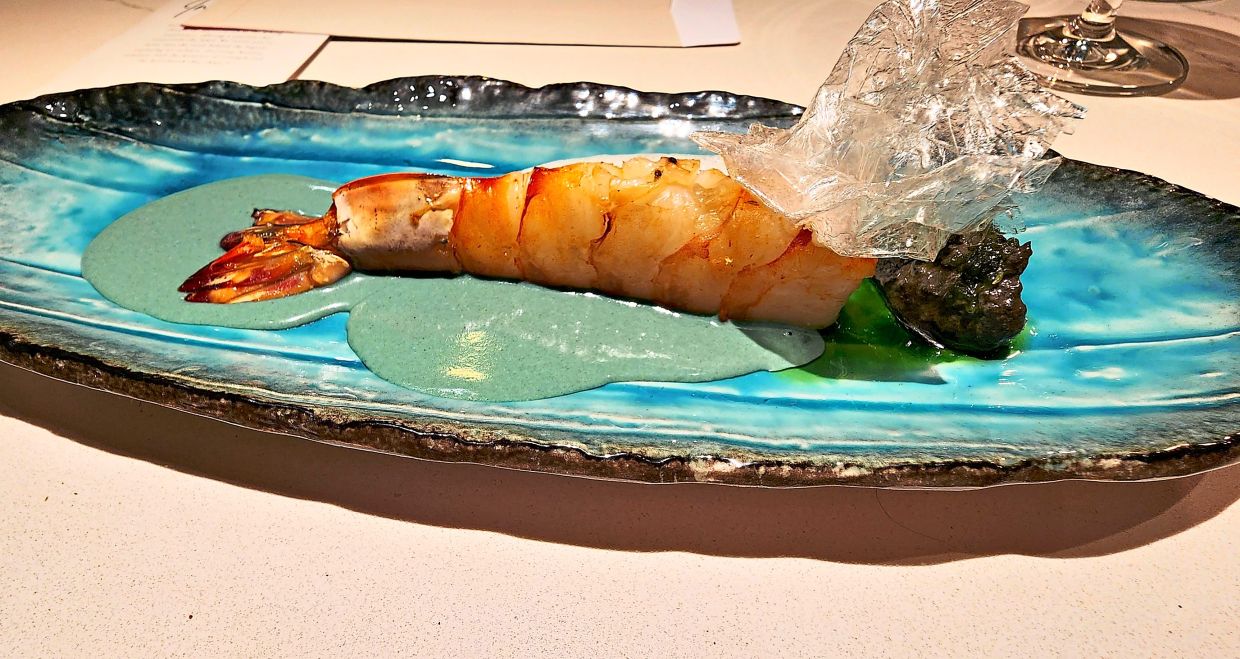
The king prawn is sourced from the pristine waters that surround Rameshwaram, a sacred island town in Tamil Nadu and this is buoyed by a spirulina sauce and sesame chutney.
The coconut oil that the prawn is cooked in is meant to mimic crude oil and the pollution destroying major waterways around the world.
The message is clear and the food delivers – serving up a prawn that is luscious, plump and sweet – just the way nature intended.
The Bannur Lamb with trotter gravy, moringa and yam pays tribute to a highly prized sheep breed from Karnataka that is tender on the palate and has a rich buttery quality gilding every mouthful.
“The very first time I came here, I asked for a New Zealand lamb rack. But when I started interacting with people here and chefs over here, I understood they had a lamb called Bannur from this region, which is just more flavourful, so I thought, ‘Let’s find the lamb and start cooking with it.’ So it’s become a staple here now,” says Johnson.
The dessert features jackfruits sourced from the farm and turned into a jackfruit tart served alongside a pepper ice cream – a plush, lush dish that harnesses the fruity, quirky attributes of jackfruit and pairs this with a nose-tingling ice cream.
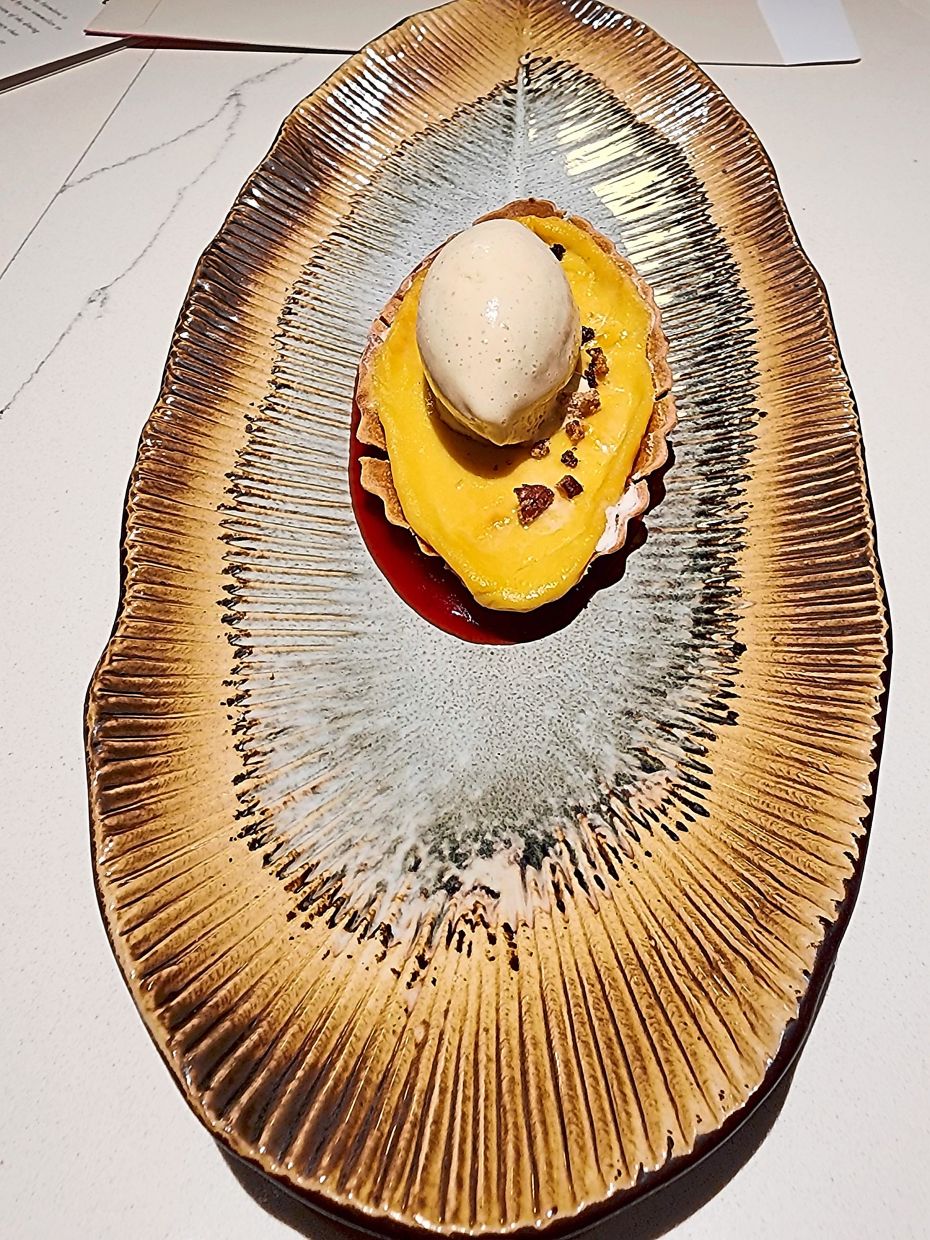
A meal at Farmlore shows how simple, native farm produce and regional Indian ingredients can be turned into startling, stunning upscale meals. It’s refreshing, original and true to its ethos of building stories around the food of the region.
Kaushik and Johnson’s larger vision though is to draw visibility to South India, which has long been marginalised on the global food circuit. With Farmlore, the duo is looking to even the playing field a little. And the accolades have been pouring in already – this year, Farmlore was ranked No 83 on the Asia’s 50 Best Restaurants 2026 extended list.
“Most of the big restaurants are always in Mumbai or Delhi in North India and that has
been the case for the past few years. So I think Farmlore is putting the whole of South India on the map as well.
“But great restaurants are not built in two or three years, so we just need to keep doing this consistently so that we can have longevity as well,” says Johnson.
While Kaushik finally has a partner-in-crime who understands the vision of his dream restaurant, Johnson says for him, Farmlore represents the culmination of years of searching for meaning in what he does. “We are all chasing happiness – this is happiness for me,” he says, smiling.