It is a strange, stark reality that few people in Peninsular Malaysia are even remotely familiar with the cuisine of East Malaysia.
In fact, most West Malaysians are probably more well-versed in conventionally ubiquitous cuisines like Japanese or Korean food than they are acquainted with the food from their very own homeland.
The reasons for this dearth of knowledge are manifold and buoyed by geographical distance (flights are needed) and the fact that many West Malaysians have either never been to East Malaysia or only travelled there on a surface level, without really diving deep into the food of the land.
Sabah and Sarawak are also huge – encompassing over 60% of the landmass of the whole of Malaysia with various indigenous groups in both states, from Sabah’s Kadazan-Dusun, Bajau and Murut tribes to Sarawak’s Iban, Bidayuh and Melanau people.
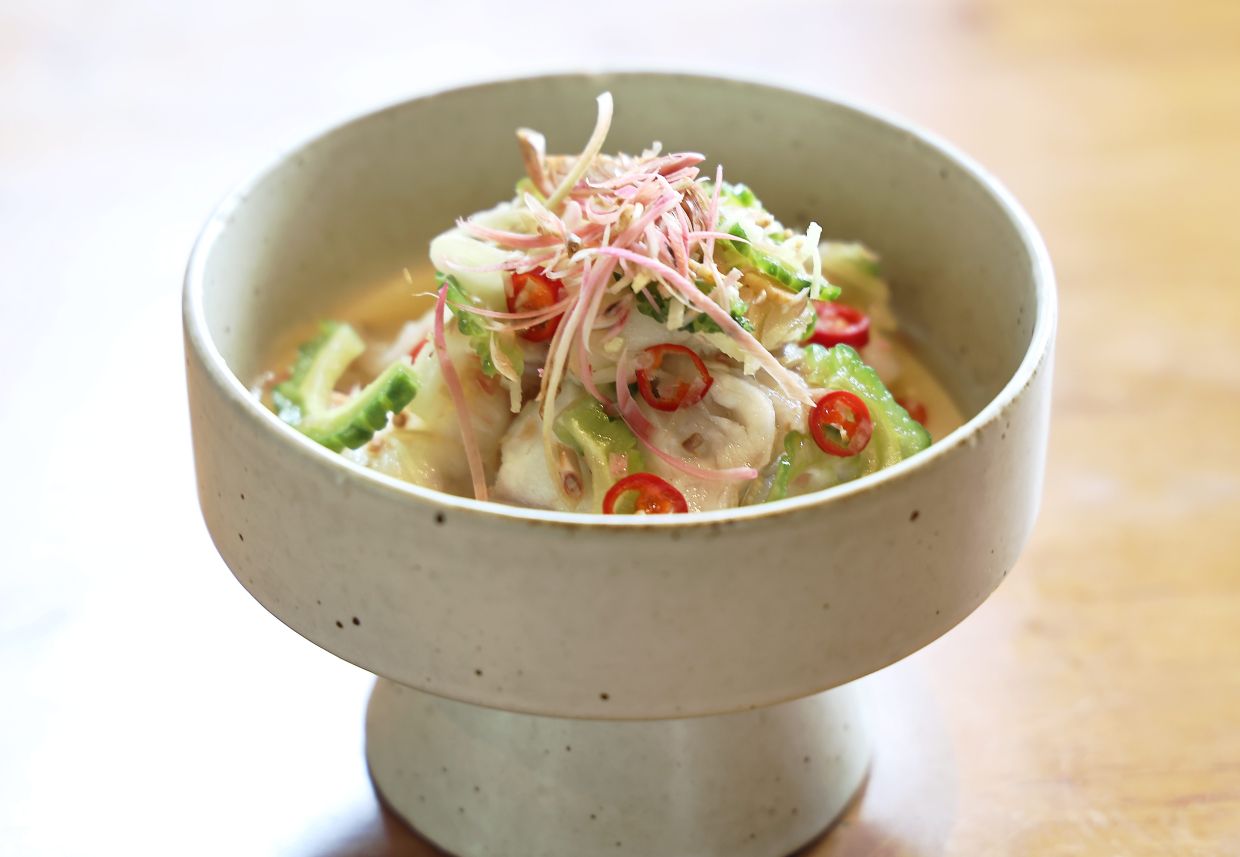
This often means that even denizens who live in these two states are unaware of the food that surrounds them.
“Even East Malaysian people question me. I had a 48-year-old Sabahan lady who dined at the restaurant and she asked me, ‘Actually, what is Sabahan food?’ And that’s the thing – even people living in Sabah haven’t eaten the food from the ethnic indigenous people there,” says Jack Weldie, the Kadazan-Dusun chef-owner of renowned restaurant Chipta11a in Petaling Jaya, which offers Borneo-influenced tasting menus.
While there are a number of stalls and restaurants in the Klang Valley serving more popular East Malaysian dishes like kolo mee and Sarawak laksa, the broader diversity and sheer breadth of indigenous Sabah and Sarawak ingredients and flavours are often missing or somewhat lacking in these eateries.
Which is why there is a huge gap in the Klang Valley and overall West Malaysian dining scene just begging to be filled with East Malaysian restaurants – especially those with a focus on a wider range of dishes that reflect the diverse ethnic groups in Borneo.
The fact is the more restaurants there are, the more Malaysians in Peninsular Malaysia and beyond will be able to understand the food culture and ingredients that are the foundational force of the cuisine of Sabah and Sarawak.
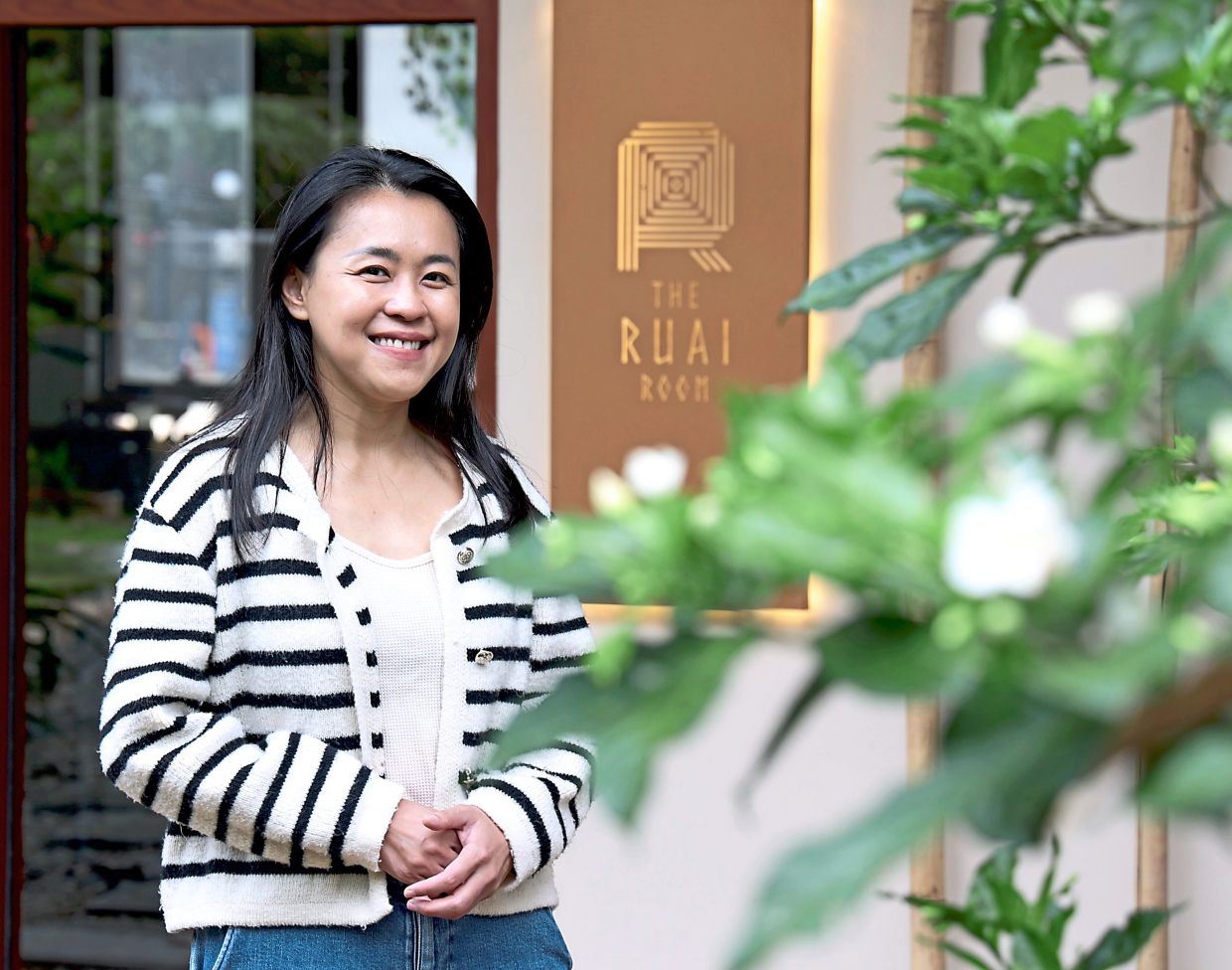
Thankfully, a small but increasing number of East Malaysian restaurant owners are answering this clarion call for representation.
Starting an East Malaysian restaurant
For many restaurateurs, launching a restaurant in ode to Borneo cuisine happened because they moved to Kuala Lumpur and realised that no one was familiar with the food of East Malaysia.
Joanne Chin, for example, grew up in a Chinese family in Sabah. Many of her cousins are Kadazan-Dusun, so she remembers eating all sorts of interesting dishes during family events and for Kaamatan (the Harvest Festival in Sabah).
As an adult, she gained a degree in accounting and moved to Kuala Lumpur. It was when she first got to KL that she realised hardly anyone knew the food of Borneo.
“When I was in Sabah, I thought everyone knew about the food that we ate. And then after I moved to KL, I realised that it’s very difficult to get this kind of food and also people here don’t know about the existence of these foods.
“So, I wanted to let people know that our food is very interesting and also offers something different from what we usually have here in the Klang Valley,” says Chin.
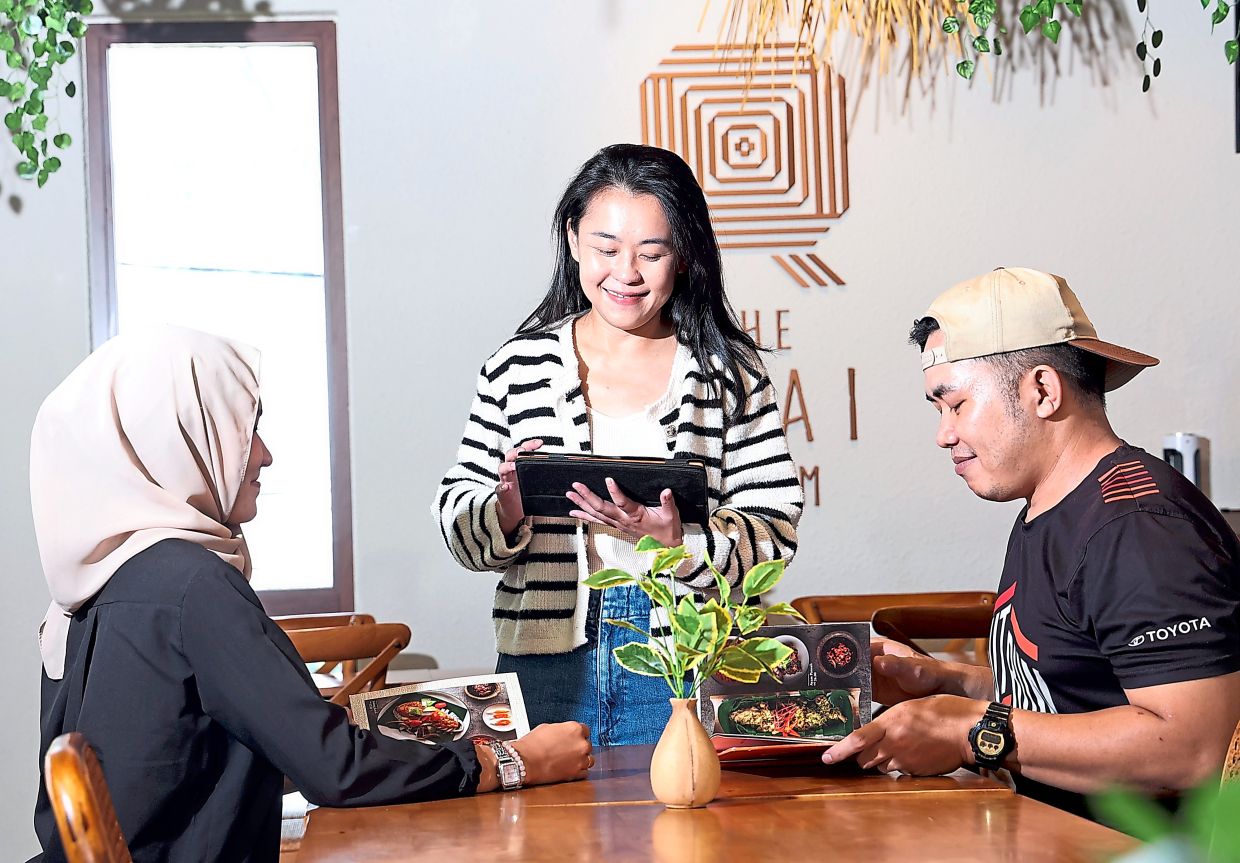
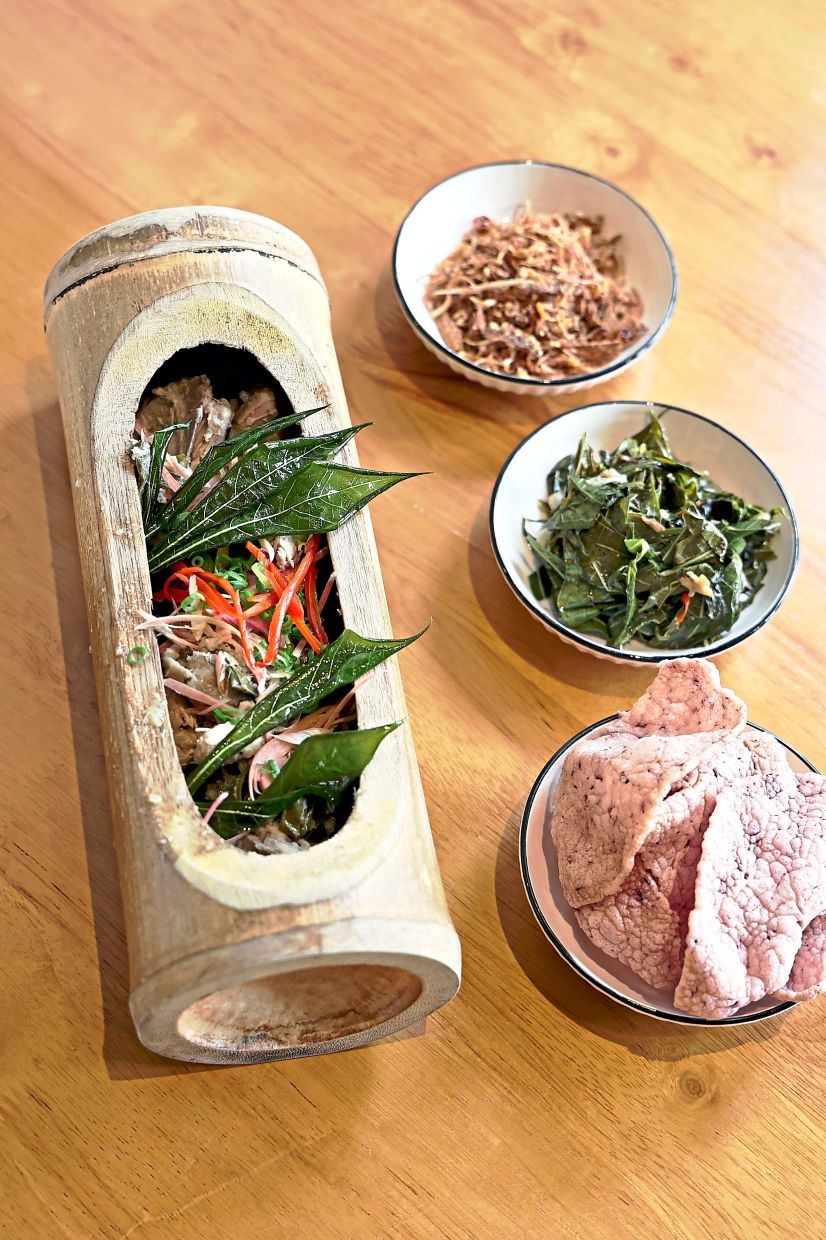
A few months ago, Chin opened The Ruai Room in a beautiful space in KL to introduce more people to the food of Borneo. The restaurant serves dishes like avocado milkshakes – to highlight the creamy, supersized native avocados that proliferate in Sabah’s Tenom and Keningau areas – as well as umai (the Sarawak equivalent of ceviche) and ayam pansuh (a Sarawakian Dayak dish that features chicken cooked in bamboo).
For Gary Lim, the owner of the Sarawakian restaurant Slurrp, meanwhile, the impetus to start an East Malaysian restaurant started during the Covid-19 pandemic when he lost his job and started a home business devoted to Sarawakian food. Lim was born in Sarawak and spent many of his formative years there.
When he was offered another job, he gave up the home business, but at the encouragement of his wife, he decided to do a pop-up to see what the response was like to his food. Bolstered by the support he received, he opened Slurrp in Petaling Jaya, Selangor, with the help of a friend who pumped in the money to launch the eatery.
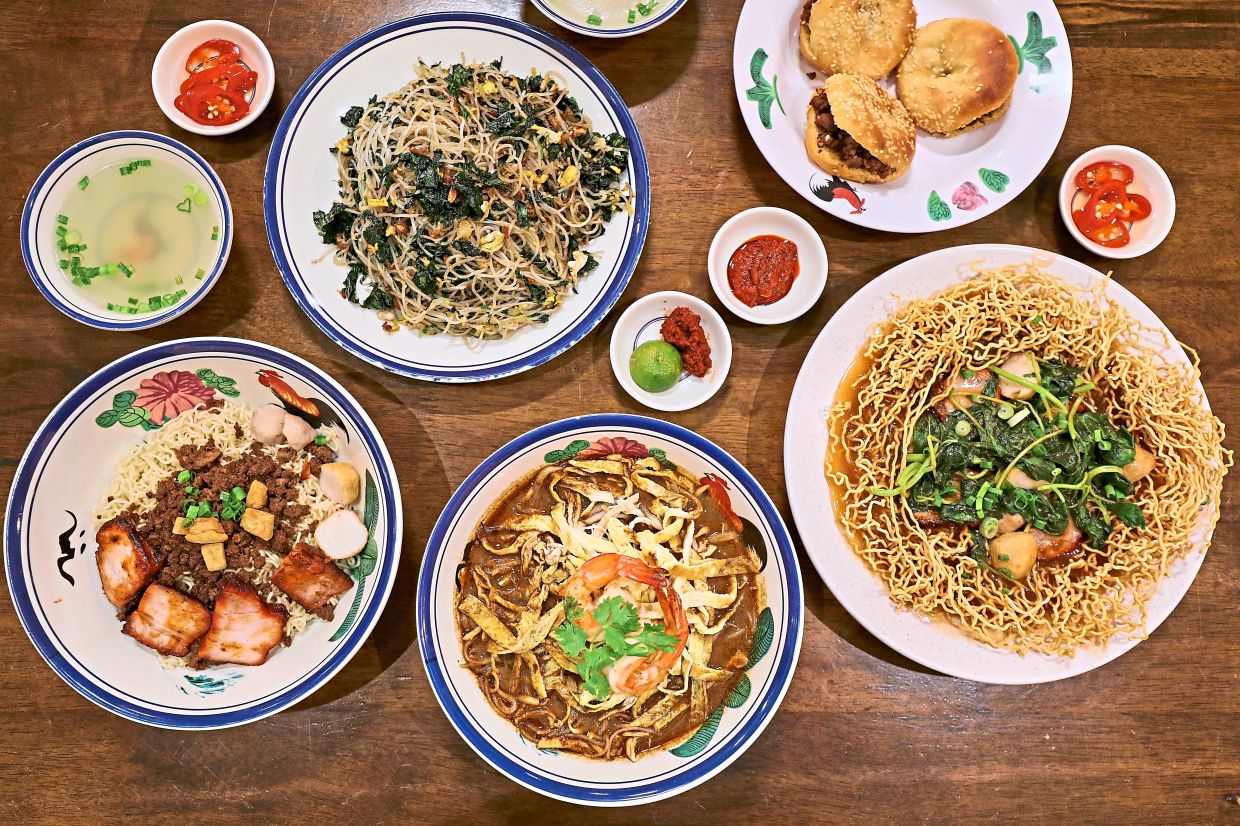
At Slurrp, Lim serves Sarawakian staples like kolo mee, Sarawak laksa, kampua mee, manicai (sayur manis) bihun, tomato noodles and kompia (a popular snack among the Sarawak Foochow community).
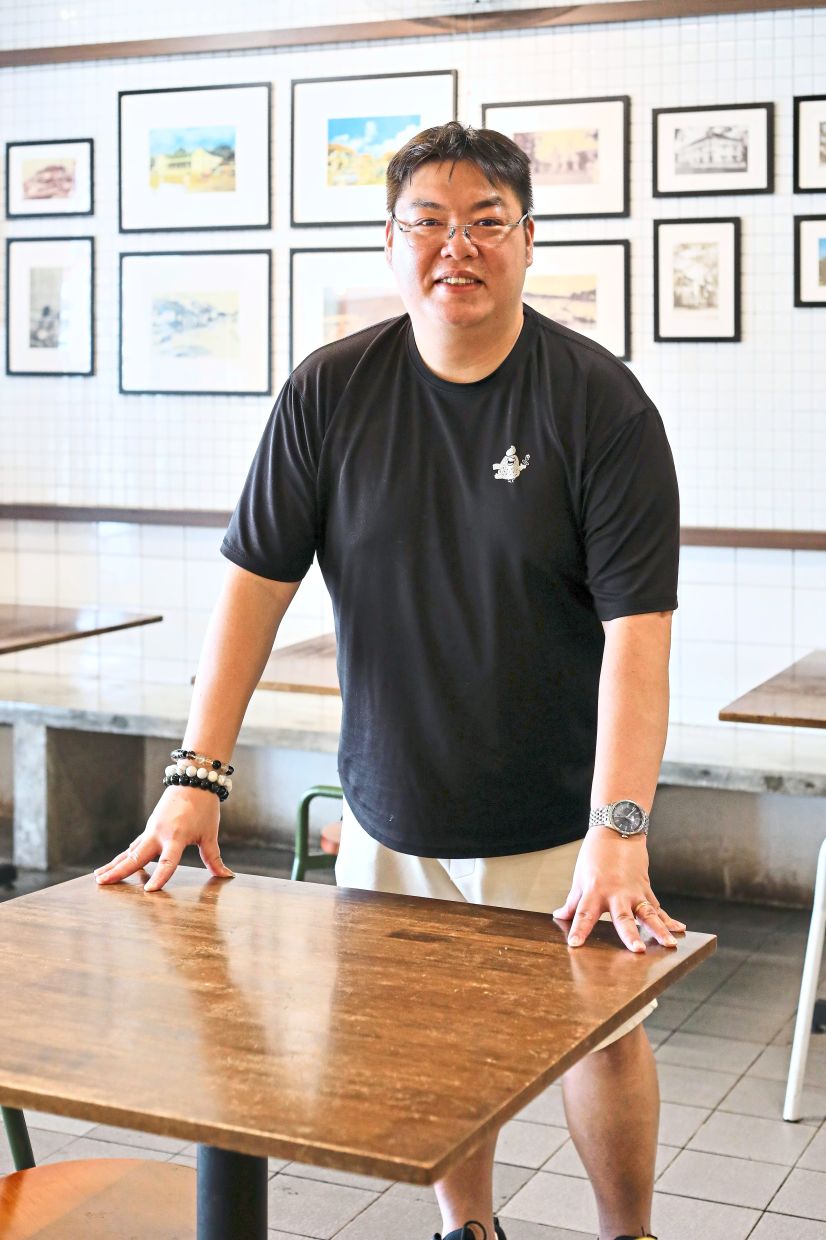
Weldie on the other hand, started Chipta11a a few years ago as a Japanese omakase restaurant with a slight Borneo influence to honour his Sabahan heritage. Early this year, he launched a menu called “Borneo Traces”, which was meant to pay homage to Kaamatan in Sabah.
This then propelled the idea of continuing to run Borneo-themed tasting menus at the restaurant. At the moment, the restaurant is probably the only one of its kind in the Klang Valley to do upscale East Malaysian fare – making the culinary experience a pioneering, groundbreaking one and Weldie something of a trailblazer.
“I don’t think there is any restaurant doing this. We have always had Borneo ingredients sort of hidden in our menu, but now we’ve taken a deep dive into Borneo food and we’re doing more indigenous food instead of the mainstream food that you find in Sabah and Sarawak,” says Weldie’s wife Diane Ong, the co-founder of Chipta11a and an instrumental force behind the restaurant’s move towards Borneo cuisine.
At Chipta11a, the new “Beyond The Roots” tasting menu pays homage to indigenous staple food which Weldie cooks in a way that he believes will make people love it.
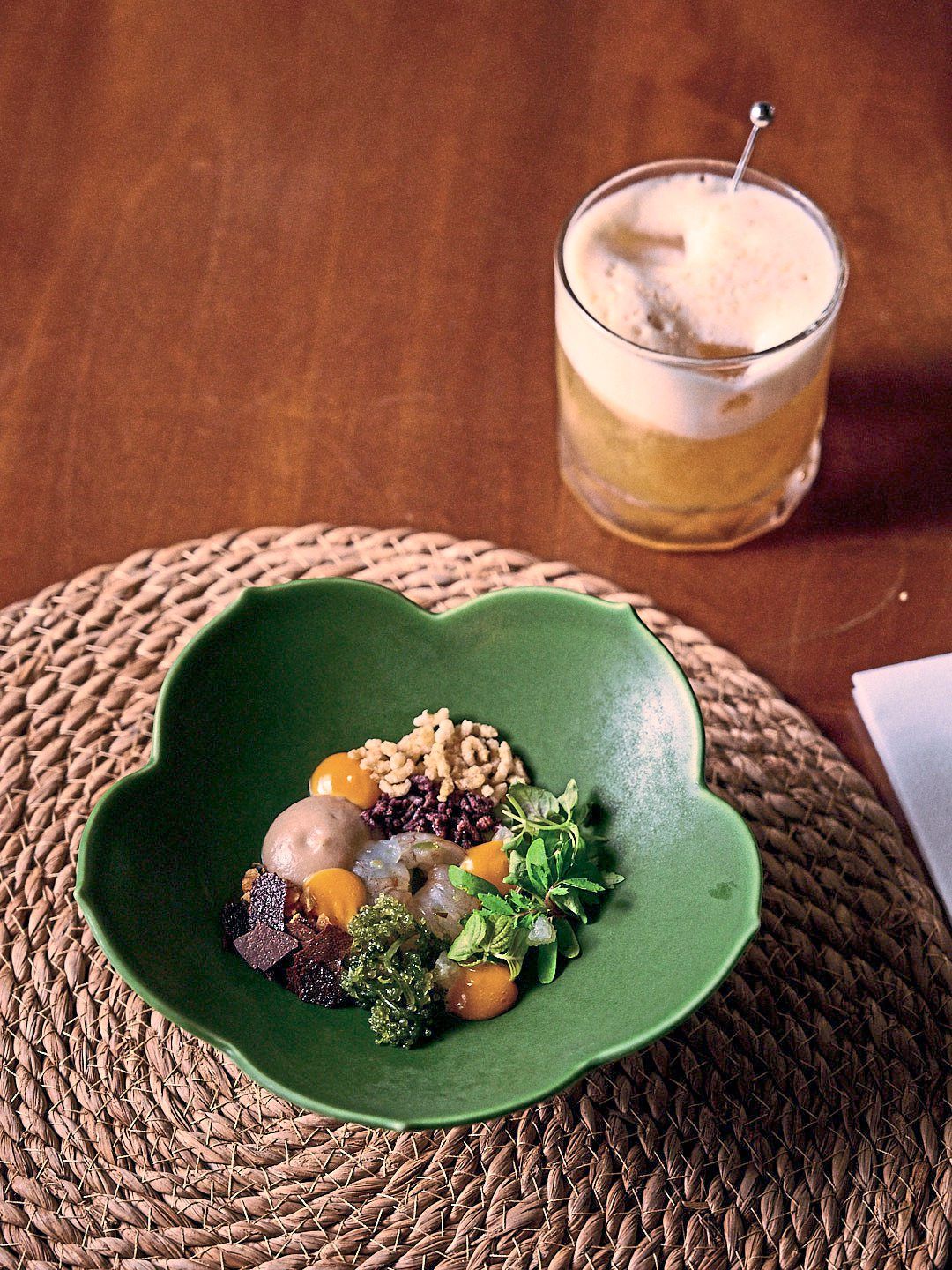
“So there is this dish that we called Fisherman’s Pot. Usually this is a dish from the Bajau tribe where whatever they catch from the sea, they cook with tamarind juice, turmeric and some native herbs.
“I remember I had this when I was much younger and we visited some relatives, but then how we approach it here is we cook it in our own way with the vision that we want to make people understand it better,” says Weldie.
Challenges and hurdles
Getting an East Malaysian restaurant off the ground isn’t without its challenges, as restaurant owners often face numerous hurdles, from supply restrictions to flak from other East Malaysians and the constant battle of whether to keep a dish authentic or alter it slightly to suit West Malaysian palates.
Ong and Weldie, for example, say that when they started introducing a Borneo-centric tasting menu, they found that people were very taken aback – often not in a good way. While a Japanese-themed omakase sushi menu (which they still do at the restaurant) is straightforward and easily understood, getting people to see East Malaysian food through a different lens has been an uphill battle.
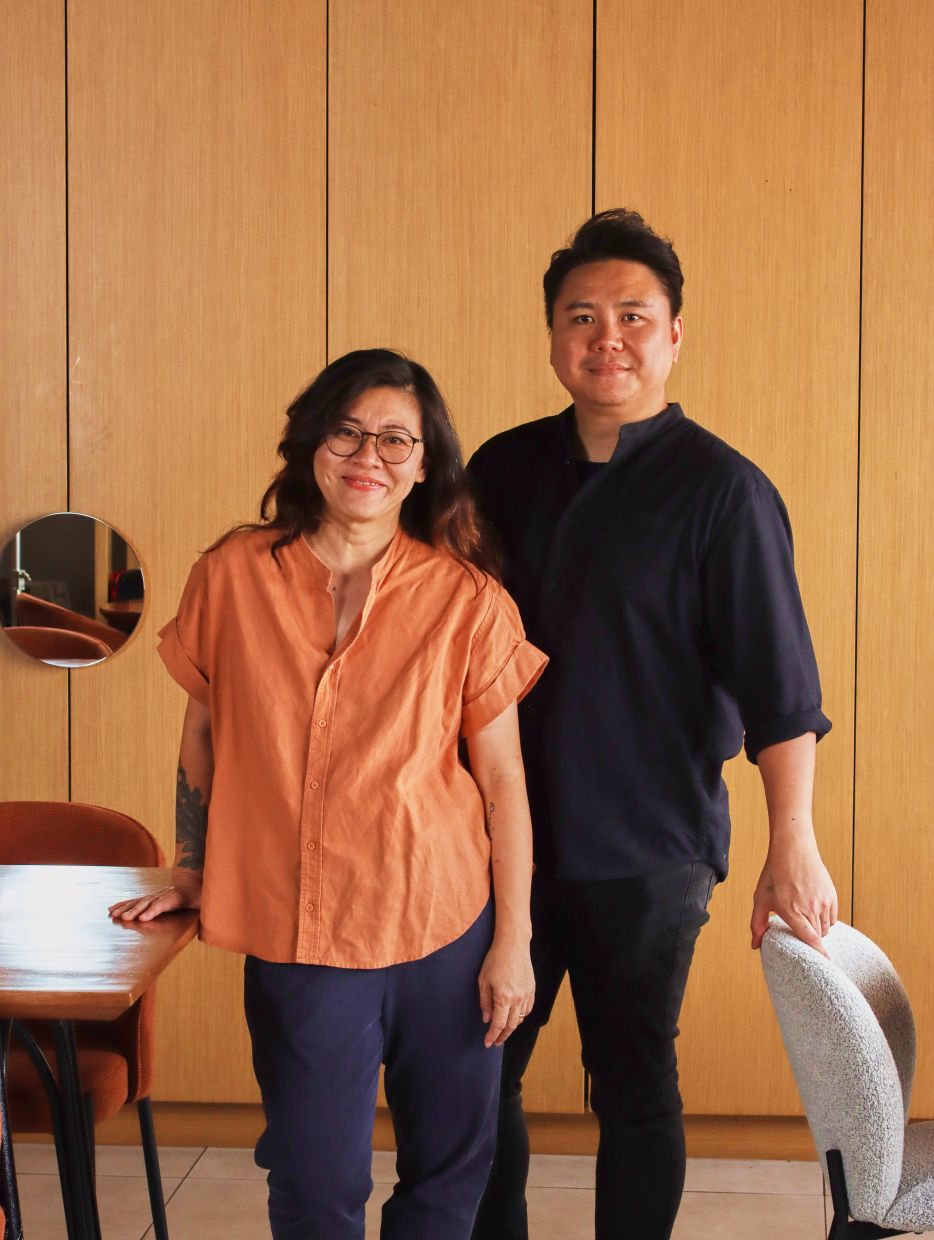
“It’s not mainstream food, so people approach it with a lot of apprehension and we have to speak to the media to get them to explain what our Borneo cuisine means. So our huge challenge is ‘How do we package this concept and present it so that it becomes something that people want?’” says Ong.
Weldie also doubted himself and the cuisine that he grew up with. Was it worth putting on a high-end menu? He wasn’t sure initially.
“For me, all these indigenous ingredients are not mainstream Borneo food. Like when I put bosou (traditional fermented fish dish) on the menu, I didn’t think it was high-end enough, and I thought people definitely wouldn’t like it.
“So for a while, I was discouraged from continuing to do this Borneo-based menu, but Diane kept pushing me and helped the team, and I came up with a second menu, which is more of the kind of East Malaysian food that we want to do,” says Weldie.
Lim, meanwhile, says he has had to modify the way he presents classic Sarawak recipes like kolo mee to suit the palates of West Malaysians.
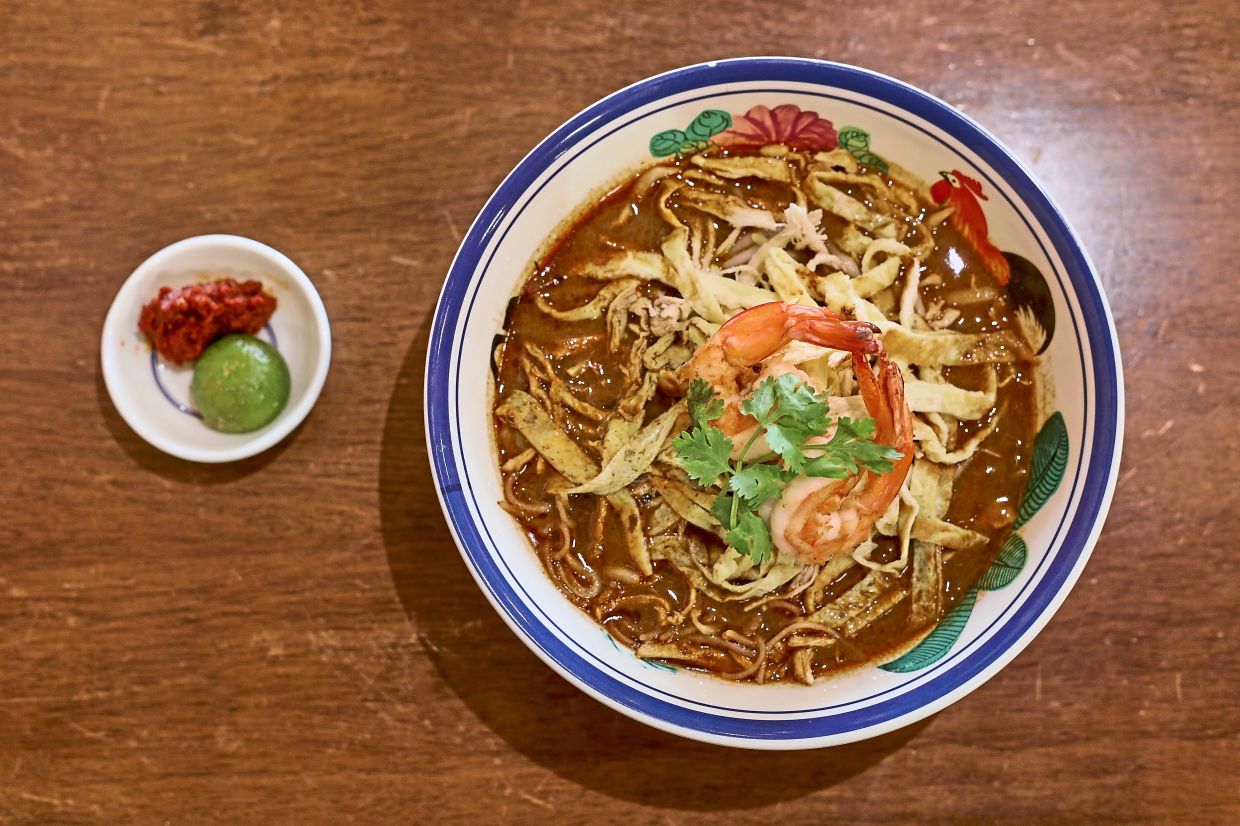
“When we serve kolo mee, it comes with vinegar. The purpose of the vinegar is actually to cut off the gaminess of the pork lard. But we received quite a lot of feedback from diners saying they are not accustomed to the smell or that they felt like the noodles were spoilt. So to cater to the taste buds of West Malaysians, we removed the vinegar,” says Lim.
Lim also says that even though he serves more popular dishes like Sarawak laksa, misconceptions still abound.
“People think Sarawak laksa has curry powder in it. I think most people haven’t travelled there, so they really don’t know much about the food,” says Lim.
For Chin, meanwhile, one of her biggest hurdles has been introducing West Malaysian diners to flavours that may be unfamiliar to them.
“Actually, I get a lot of comments from diners that they think that Sabahan and Sarawakian food is quite mild and doesn’t have strong flavours like the food they are used to eating in KL.
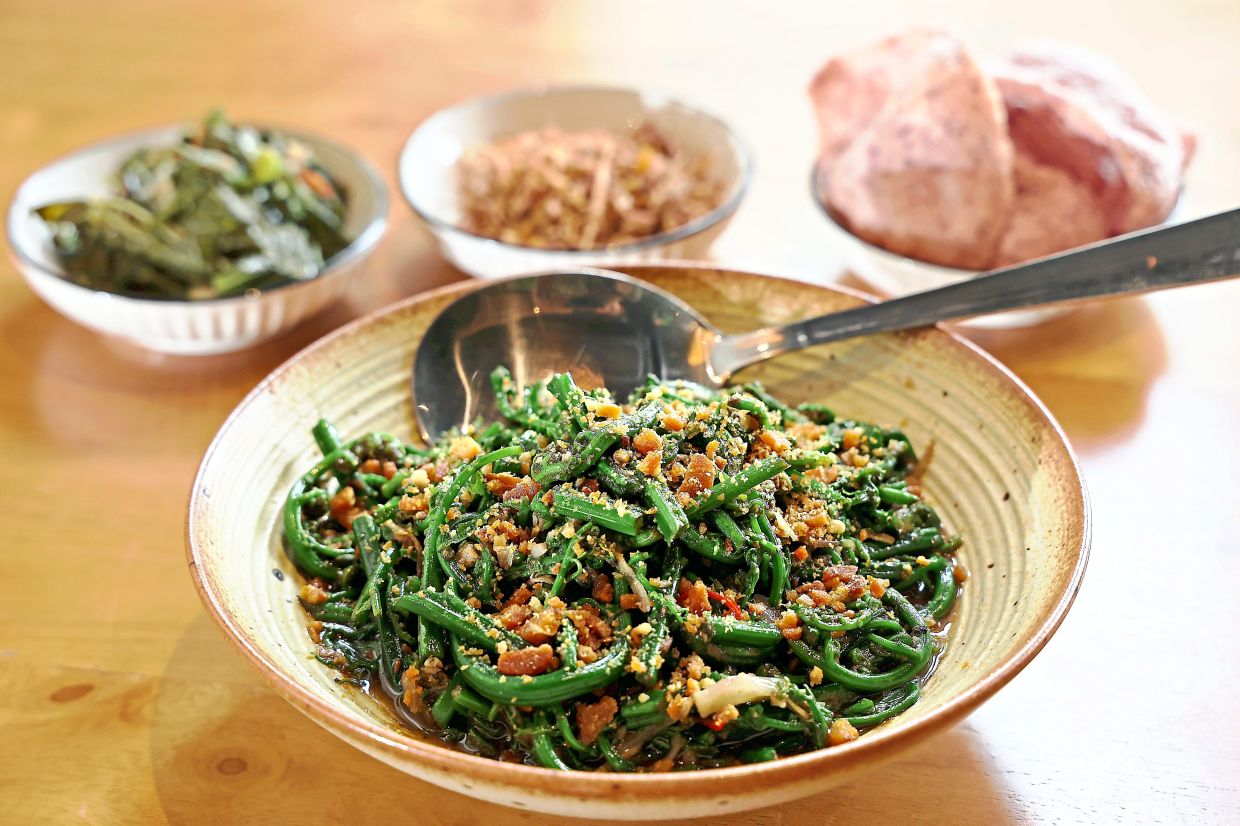
“Then there is also the challenge of sourcing ingredients. Certain herbs, vegetables and traditional ingredients are much easier to find in Sabah and Sarawak than in KL, so availability and consistency can be challenging.
“Like midin (wild East Malaysian jungle fern), for example, we actually wanted to put it on the menu. But we couldn’t get a steady supply, so we decided to change it to pucuk paku (fiddlehead ferns) instead,” says Chin.
The future is bright
Despite some of the challenges, most restaurateurs are happy that more and more East Malaysian restaurants are popping up in the Klang Valley and beyond, offering more diversity and representation and ensuring that the food of Borneo gets a seat at the Malaysian dining table.
“I think people in KL are becoming more curious and open to regional Malaysian food and that has created more opportunities for East Malaysian restaurants.
“We are also seeing more chefs and restaurateurs from Sabah and Sarawak bringing their own food traditions to Peninsular Malaysia.
“But I still think there is a lot of room for growth. East Malaysian cuisine is extremely diverse and what people in KL often know as ‘Sabah food’ or ‘Sarawak food’ represents only a small part of the big picture,” says Chin.
To ensure that the diversity of the cuisine continues to be showcased at her eatery, Chin says she already has plans to include new items on the menu, including tarap (a native fruit likened to jackfruit), tuhau (Sabahan wild ginger) sausage and a kerabu ikan bilis with bosou.
Ong, meanwhile, believes the fact that more East Malaysians are opening up restaurants that are emblematic of their heritage has been great in terms of inspiring both diversity and inclusivity in the dining scene.
“I think I can confidently say that prior to now, there was very little representation of people in the F&B world wanting to take on a Borneo theme and now more people are opening up restaurants and that’s very encouraging.
“It’s a kind of food advocacy to spotlight people who are hidden, like the people from the different regions in East Malaysia. And that’s what we wanted to do through our food and cuisine – bring more knowledge and open up conversations about this,” says Ong.
Weldie and Ong have also paved the way for greater discussion and knowledge expansion about East Malaysian food through market tours to the Borneo market in Seri Kembangan, Selangor – something they plan to run more regularly moving forward. In the future, they also hope to organise foraging trips to East Malaysia to introduce more people to native, indigenous ingredients and the people behind them.
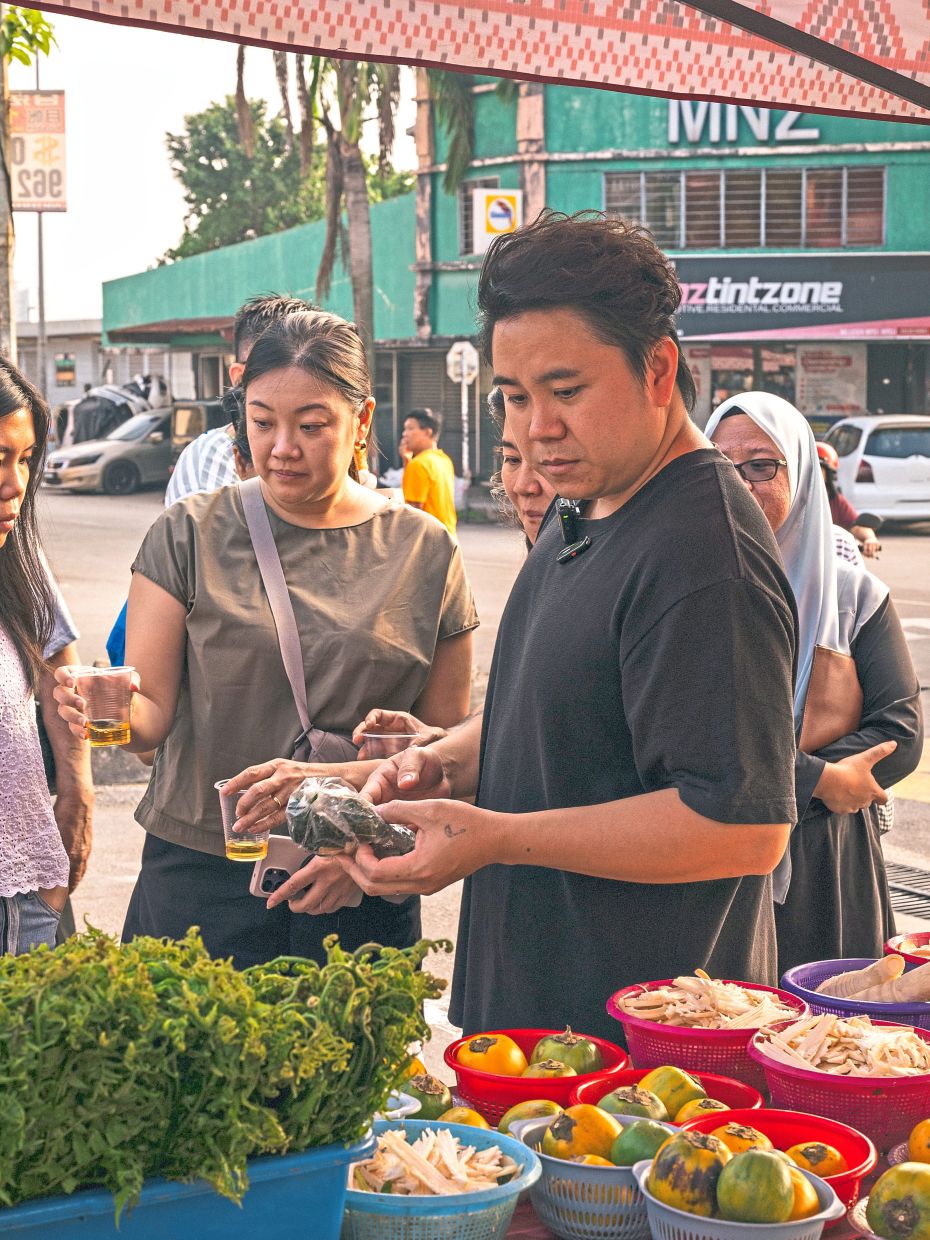
“The market tours have been great – we are just starting to teach people in Peninsular Malaysia who do not understand the ingredients. The task is for us to teach and educate about what Borneo food is.
“And I think people are interested. I went to the market last Saturday because we needed to get sago worms and I was fascinated by the fact that there were so many people there and a lot of them were NOT East Malaysian,” says Weldie.
Ong, meanwhile, says she has been extremely heartened by the response from other East Malaysians who understand the vision behind what Weldie is trying to do at the restaurant.
“Jack has had elderly grandmothers come up to him, hold his hand and say ‘We’re so proud that you have made our food so delicious and classy.’
“The thing is, somebody has to do something to chart new routes for East Malaysian food. That’s why I keep telling Jack, “You have to do this for your people,’” says Ong.