
A first restaurant is a lot like a first child. It’s the adventure of a lifetime but also one steeped in monumental first moments. It’s both a learning ground and a learning curve thrown into one.
There is knowledge gained, wisdom accumulated and lived realities attained through a first restaurant – the sort of money-can’t-buy experience that really gives a restaurateur either the wings to soar or a sharp dose of reality. These are also the lessons that – if learnt well – help spur their growth in the industry.
Here, experienced restaurateurs share what they learnt from their first restaurants and offer advice for first-time restaurateurs looking to break into the dining landscape.
Opening a first eatery
Wong Yin How is now one of the most experienced restaurant owners in the Klang Valley and helms the Tinkerman Collective, which owns and operates restaurants like Smith, Proof Pizza + Wine, Stoked and many more.
Wong first dipped his toes in the F&B industry when he started helping out at his brother’s restaurant The Rib Shop over 20 years ago in KL. At the time, Wong was a newly minted lawyer with a profound knowledge and love of wines. He put that knowledge to use by taking responsibility for the wine selection at his brother’s restaurant.
“I actually started off there and helped out at the restaurant for about two years, but I was mostly in charge of the cellar – more in a sommelier kind of role. I just thought I would give it a try to see what life in F&B was like,” says Wong.
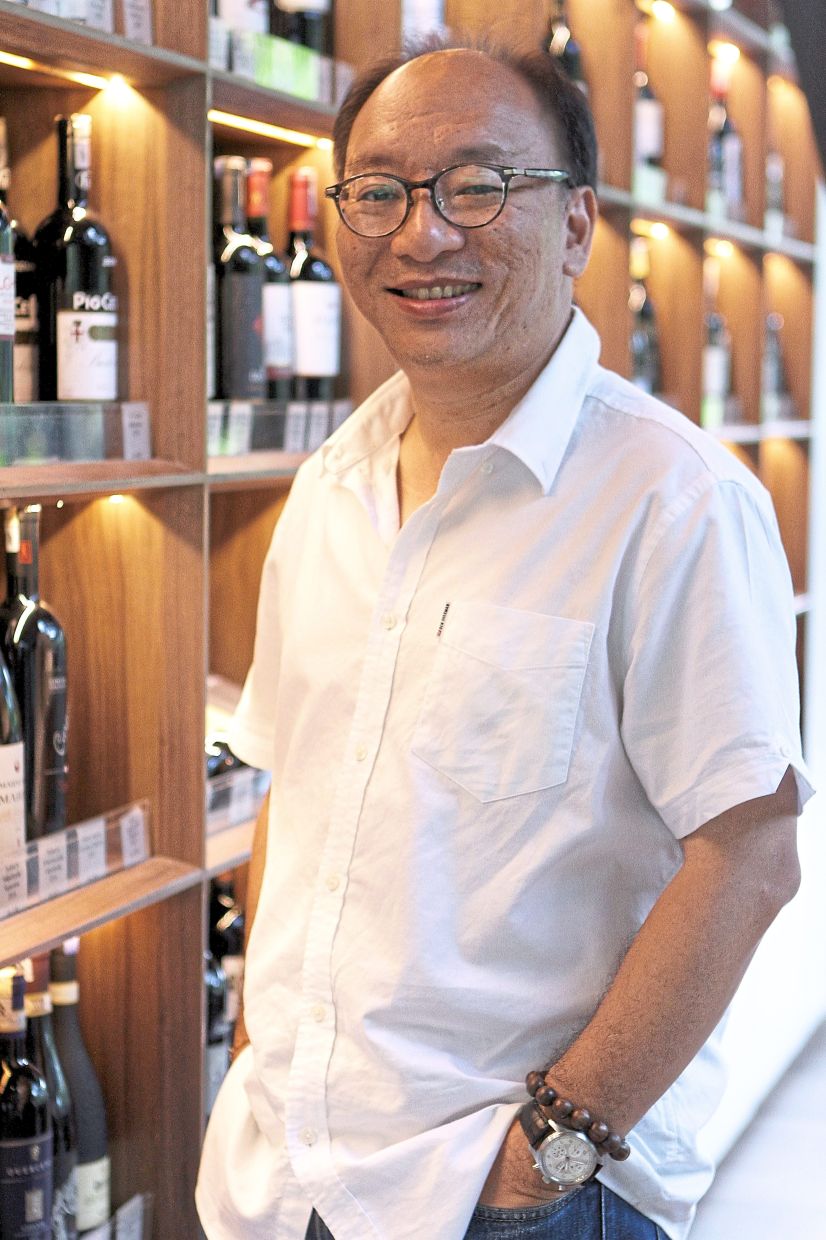
When a lot opened up a few doors away, Wong seized the opportunity to start his own wine bar, called Vintry. This was exactly 20 years ago when wine bars were a relatively new concept. Wong wasn’t sure the idea was going to take, so he started out very small, running a bare-bones operation with furniture that he sourced from Ikea.
“It started off as a wine shop and then I thought, ‘Let’s just offer a little bit of light food to go with the wines.’ I hired just one chef and it was just me, the chef and an assistant.
“We didn’t know if there was a demand for this kind of concept, but within the second month, we were getting busy and by the third month, we were full every night. So it was a very happy sort of stumbling-upon-a-concept kind of situation. We were in the right space at the right time,” explains Wong.
For Fay Cheng, the owner of Third Serving and the hugely popular Oriental Cravings, which was once a mainstay Chinese restaurant among Petaling Jaya denizens, venturing into the restaurant industry happened because she was initially setting out to help a friend run her own restaurant.
That restaurant was a little ahead of its time and was doing tasting menus at a time when tasting menus were unheard of. Unable to sustain interest, Cheng instead pivoted to doing something with more commercial appeal, opening Oriental Cravings in PJ’s behemoth One Utama shopping mall back in 2003.
“We just literally went in blindly. I think we were actually quite silly, but luck was on our side, because we just started something with completely no expectation.
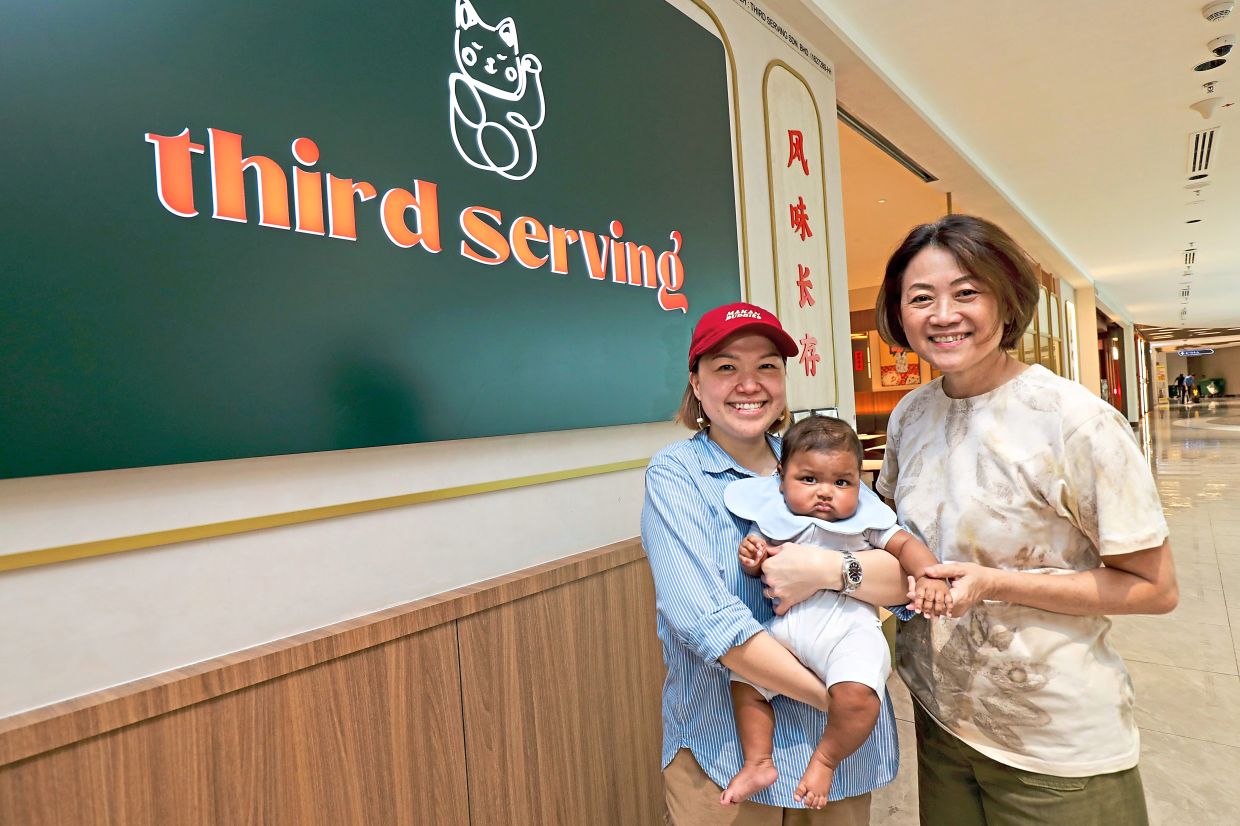
“But we realised we could do a non-halal restaurant and be one of the first in the mall to do it. So we did it. We didn’t do market research – we just jumped into it,” says Cheng.
Oriental Cravings was a huge success, built off the back of traditional Chinese dishes like claypot loh shi fun, yam cake and even Singapore prawn noodles, which were popular among the area’s Chinese residents.
While the restaurant shuttered during the Covid-19 pandemic, Cheng has since opened another restaurant in KLGCC Mall called Third Serving with her goddaughter Karen Kok and long-term chef. Much like its predecessor, Third Serving became an instant hit and is constantly packed to the rafters.
For Abethan Kanthasamy, meanwhile, his advent into the restaurant industry was sparked not by design but to boost the talents of his talented Sri Lankan helper. Abbi, as he is better known, is the founder and CEO of the Cinnamon Group, which owns and operates upscale restaurants like Nadodi, Natalina Italian Kitchen, Nero Nero, Bocado and many more.
But 19 years ago, he opened his first eatery, Sri Lankan restaurant Aliyaa, now a stalwart in Kuala Lumpur’s salubrious Damansara Heights enclave.
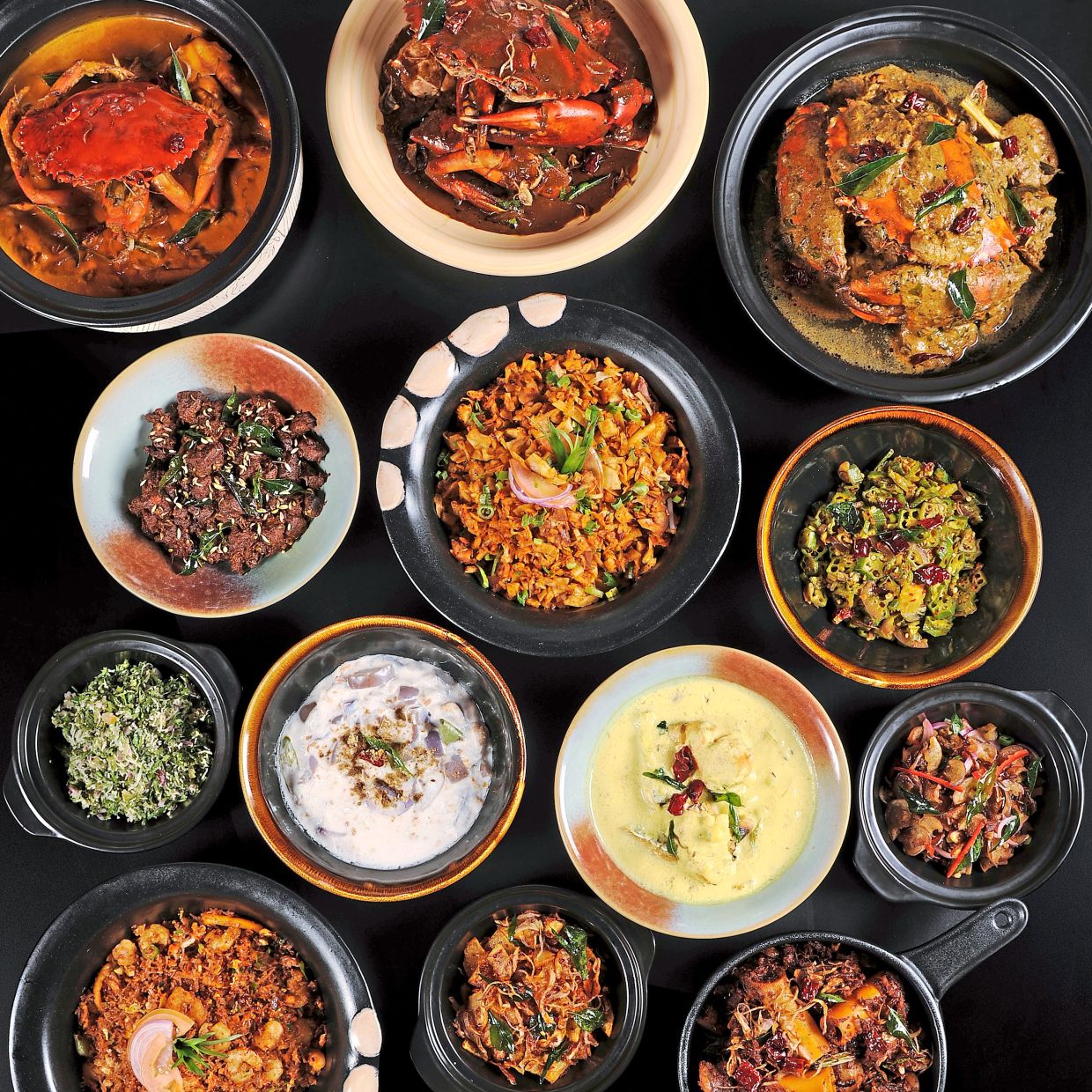
“Aliyaa began almost accidentally – as some of the best things in life do. At the time, my Sri Lankan helper had previously worked as a sous chef back home. Whenever friends came over, he would cook: crab curry, black pork, sambols, food with fire, memory and the unmistakable scent of Sri Lanka. My friends kept saying, ‘You have to open a restaurant.’”
“Eventually, I made the potentially foolish decision of listening to them. We assembled a team, found a space and opened Aliyaa. There was no grand corporate strategy or elaborate market study. It began with food cooked at home, shared around a table, and the belief that Sri Lankan cuisine deserved a proper stage in Kuala Lumpur.
“What started as an impulsive idea became the beginning of my life in restaurants,” says Abbi.
For Marcus Low, the owner of Petaling Jaya’s hugely popular Table & Apron, opening a restaurant back in 2014 was something he wanted to do simply because he wanted to serve the food that he liked to discerning diners. Low has since gone on to open outlets like Universal Bakehouse and Basic Wine Store.
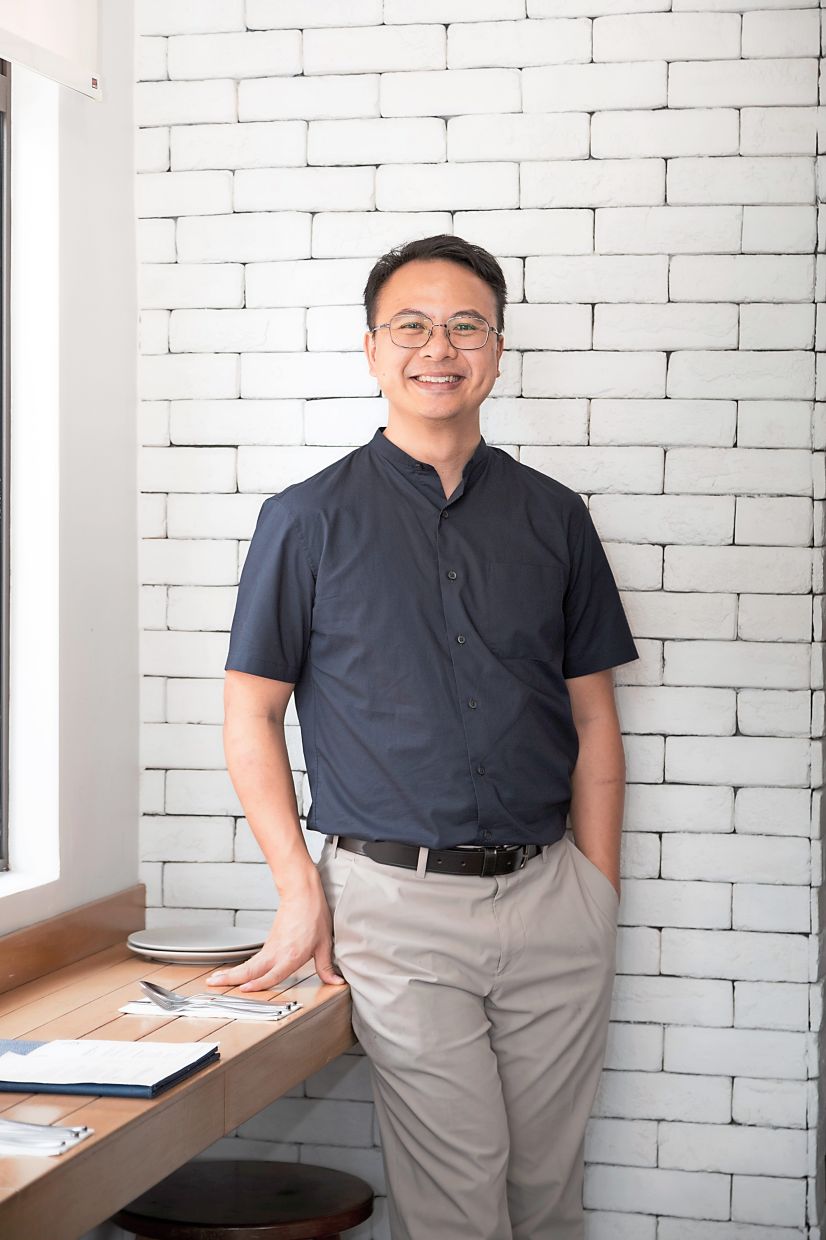
“At the start, it was very much a passion project – a very ignorance- is-bliss sort of thing. I wanted it enough that everything else didn’t matter. I had to put all the stakes in – I still think you have to believe in a restaurant enough even when a lot of things don’t make sense,” says Low.
Making mistakes
For many first-time restaurateurs, making mistakes is a large part of the learning process. Abbi, for instance, says he did much of the renovation planning himself and consequently ended up designing a kitchen that was far too small.
“This is a classic beginner’s mistake: spending too much time imagining the dining room and not enough time thinking about the people sweating behind the kitchen doors.
“I also wanted live music, so I created a bar upstairs. It became incredibly popular. The room was packed, the band was playing and everyone wanted a table. From the outside, it looked like a roaring success.
“The only problem was that we were making no money. Once we paid the musicians and covered the additional operating costs, some nights we were effectively paying people to come and enjoy themselves. The room was full, the atmosphere was electric – and the bank account was quietly bleeding to death.

“That was an important lesson: a packed restaurant and a profitable restaurant are not necessarily the same thing,” says Abbi.
Low, meanwhile, says possibly the most important lesson he learnt is to trademark the restaurant name.
“Table & Apron was originally called The Kitchen Table and the biggest mistake I made was not to trademark the restaurant name. Because when someone does trademark it and takes over that name, they have the right to ask you to change your restaurant name. So that was a very costly mistake,” he says.
Reining in enthusiasm is also key to keeping costs down and not going overboard too quickly, as Wong discovered quite soon after opening Vintry.
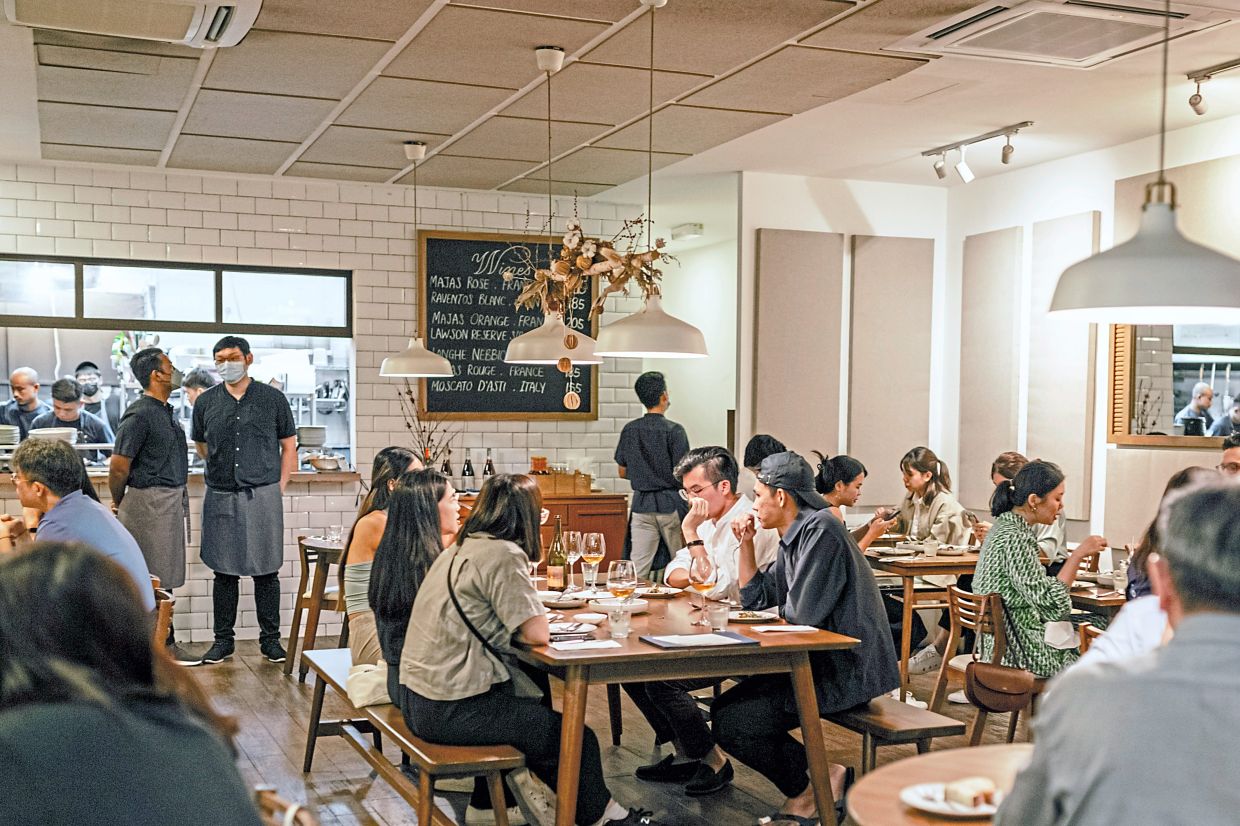
“It was maybe not a huge mistake, but as business expanded, I had an itch to pile on more on the menu. We tried to expand the menu quickly and add more items, but there was a lot of food wastage and my food costs went up, so I realised that sometimes it’s not about quantity but a focused amount of items.
“Like even now, we’re still famous for a few dishes like claypot loh shi fun, roast pork and Hokkien mee,” says Wong.
Advice for first-time restaurateurs
The Klang Valley has become an increasingly exciting dining landscape, which is why every day, more and more avid entrepreneurs decide to set up new restaurants.
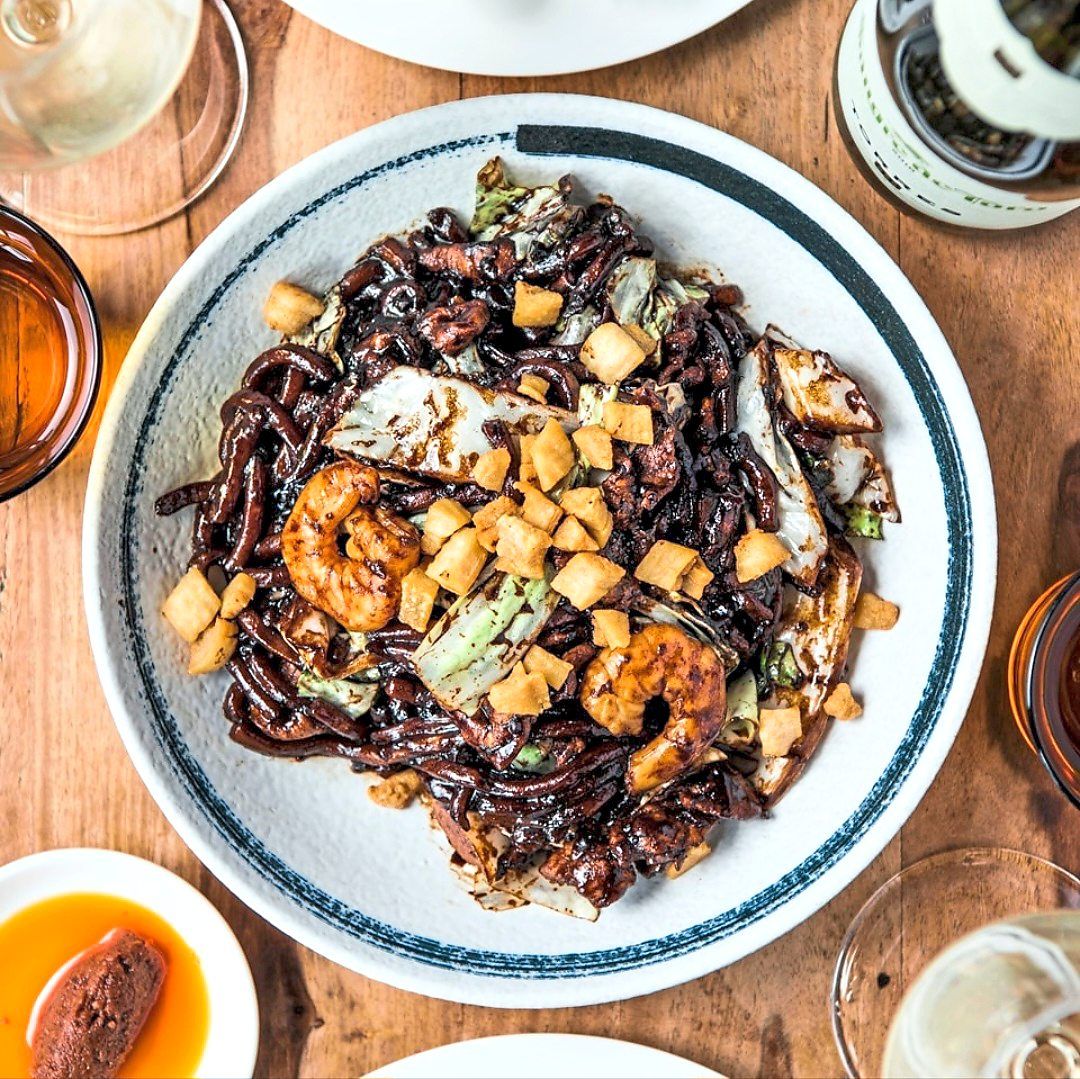
Having learnt invaluable lessons from opening their very first restaurants (most of which are still standing today), seasoned restaurant owners have plenty of advice to offer first-time restaurant owners looking to dip their feet in F&B waters.
Wong says restaurant owners – especially new ones – should be prepared to work extremely hard and remain humble enough to do even the most menial tasks.
“You have to do everything from accounts to washing toilets, clearing tables and serving food. You need to be in the heart of the operations and no job is beneath you in your first restaurant – that’s for sure,” he says.
Wong also says that having a financial buffer for at least six to nine months is crucial as many restaurants don’t break even or generate a profit even months into opening. So without a solid buffer, restaurant owners are going to be left in the lurch if the business doesn’t perform as expected immediately.
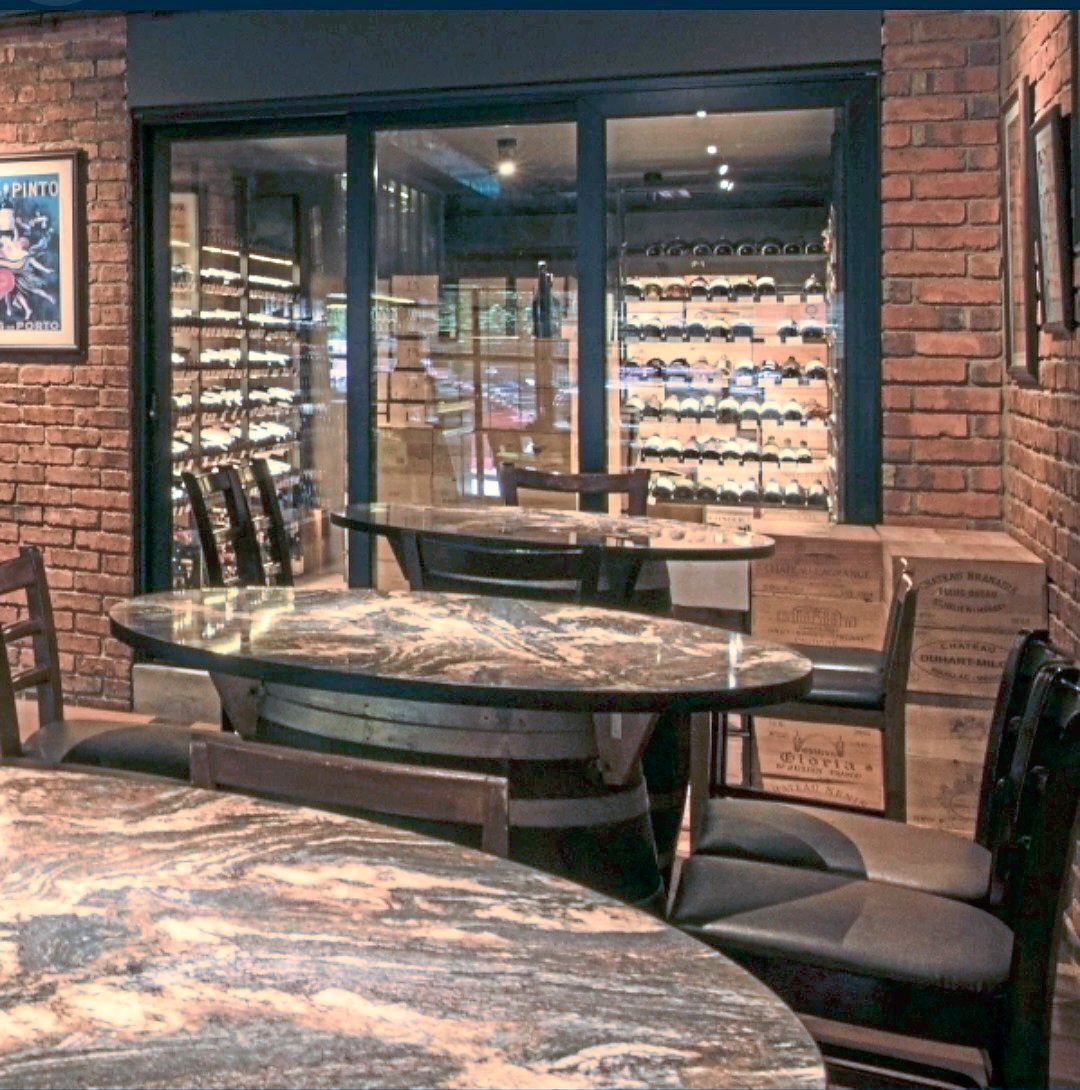
“I’m a big believer that the concept really largely decides the success of the outlet. Getting the concept right from the beginning is very important. But it’s also important to keep plugging away and not stop trying – you have to find new ideas or introduce promotions. If things are not going your way, you might want to throw in the towel, which is why the financial buffer helps,” says Wong.
Many first-time restaurateurs also get too stuck on having a huge outlet or a pretty restaurant, which Cheng says is not too important for a neophyte eatery.
“Always start small. Never start huge and put so much money into it. I mean, for us, everything came from our own pocket, so we were very careful how we started.
“And the way I see it, a lot of people start out on a very grand scale and spend a lot on interior designing. And I’m not sure whether that works as a long-term thing. People might come, but if the food is not good or there is no reason for them to come back, they won’t come back,” says Cheng.
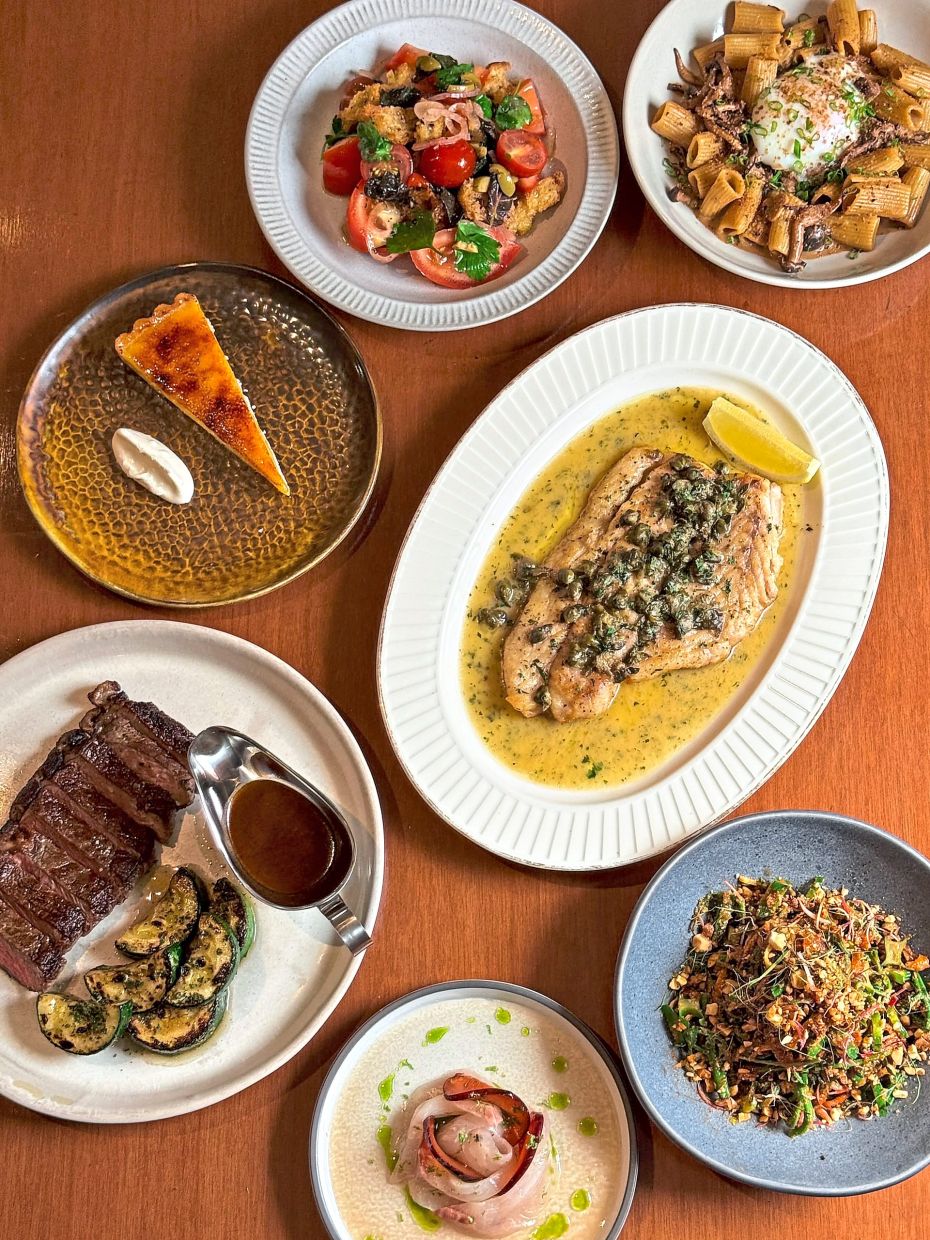
Understanding how cash flow works is also crucial for first-time restaurateurs who might be duped into thinking they are making money when in actuality, the money has to be channelled to various parties.
“The money in the till is not necessarily yours. It belongs to your suppliers, your landlord, your employees, the taxman and everyone else waiting patiently to be paid.
“Restaurants collect money from customers immediately but often receive credit terms from suppliers. Naturally, cash begins to accumulate. To an inexperienced operator, it can look suspiciously like profit. It is not. It is often merely money passing through your hands on its way to somebody else,” says Abbi.
Ultimately though, Abbi says the most important thing first-time restaurant owners should ensure before even contemplating opening a restaurant is that they are doing it for the right reasons.
“If you believe opening a restaurant is an easy route to money, there are less painful ways to lose your savings. Restaurants consume time, cash, sleep and occasionally your sanity. They are glamorous only from the dining room. Behind the swinging doors, someone is always shouting, something is always breaking and an ingredient you desperately need has somehow failed to arrive.
“But it is also a magnificent industry. You feed people on their birthdays, their anniversaries and sometimes on the worst days of their lives. You create jobs, build careers and give young people a place to discover what they are capable of. You become part of a neighbourhood and, if you are fortunate, part of people’s memories,” he concludes.