When celebrated chef Raymond Tham first opened modern Malaysian restaurant Beta in Kuala Lumpur in 2018, he was intent on making his mark on a progressive culinary route that had been discovered by maverick chef Darren Teoh in 2015 when he opened his pioneering restaurant Dewakan.
Fast forward a few years later, and modern Malaysian cuisine has progressed to a point of pride on the national front. Numerous talented chefs have set up their own brand of this particular cuisine and many – including Teoh and Tham – have gone on to attain Michelin stars for their restaurants.
Beta earned its Michelin star in 2023, one year after the inception of the Michelin Guide in KL and Penang.
Tham has worked hard to retain the star ever since and remains deeply committed to championing Malaysian ingredients and recipes and reconfiguring them into interesting new concepts and ideas.
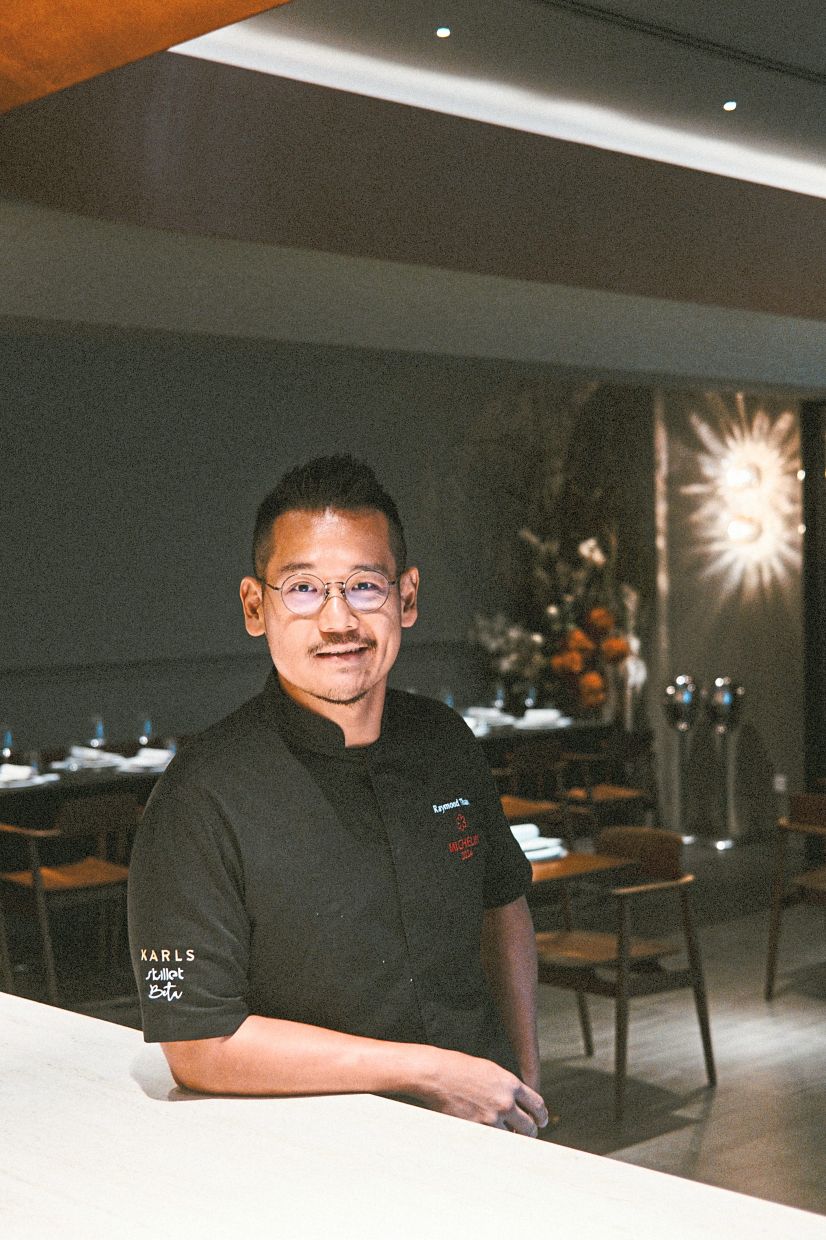
“Eight years ago, when we started Beta, we focused on cultures and stories from different regions in Malaysia, so we still keep to that today.
“What we have added more of is other local elements, like we use Malaysian clay and a local pottery to make the plates and crockery at the restaurant. We also have water colour art done by a local artist.
“But more than that, we focus a lot on our storytelling, because we want to tell our guests – many of whom have travelled from abroad – all about Malaysia,” says Tham.
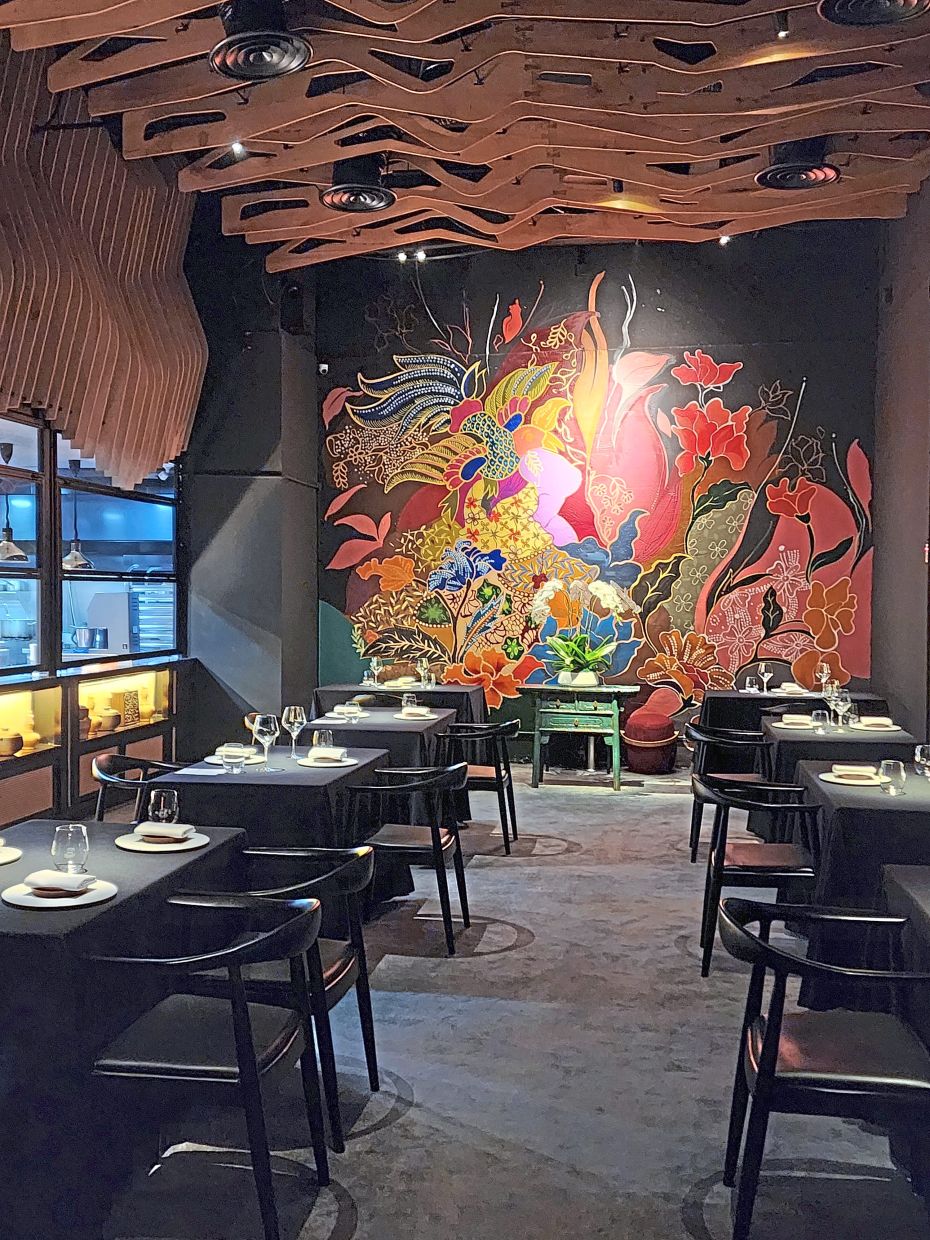
Beta’s Tour of Malaysia tasting menu is priced at RM630++ per person and takes diners on a gustatory journey through north, east (including Sabah and Sarawak), central and southern parts of the country.
There is also the option to tack on an alcohol-based drinks pairing at RM330++ per person, which includes cocktails, wine and champagne.
The meal starts with a trio of snacks whose roots are derived from the north of the land.
The snacks arrive heaved on a kandar pole (an old-fashioned contraption that consists of a pole strung across a man’s shoulders, from whence baskets are suspended).
It’s a charming ode to nostalgia, albeit done in the cosmopolitan surrounds of an upscale restaurant.
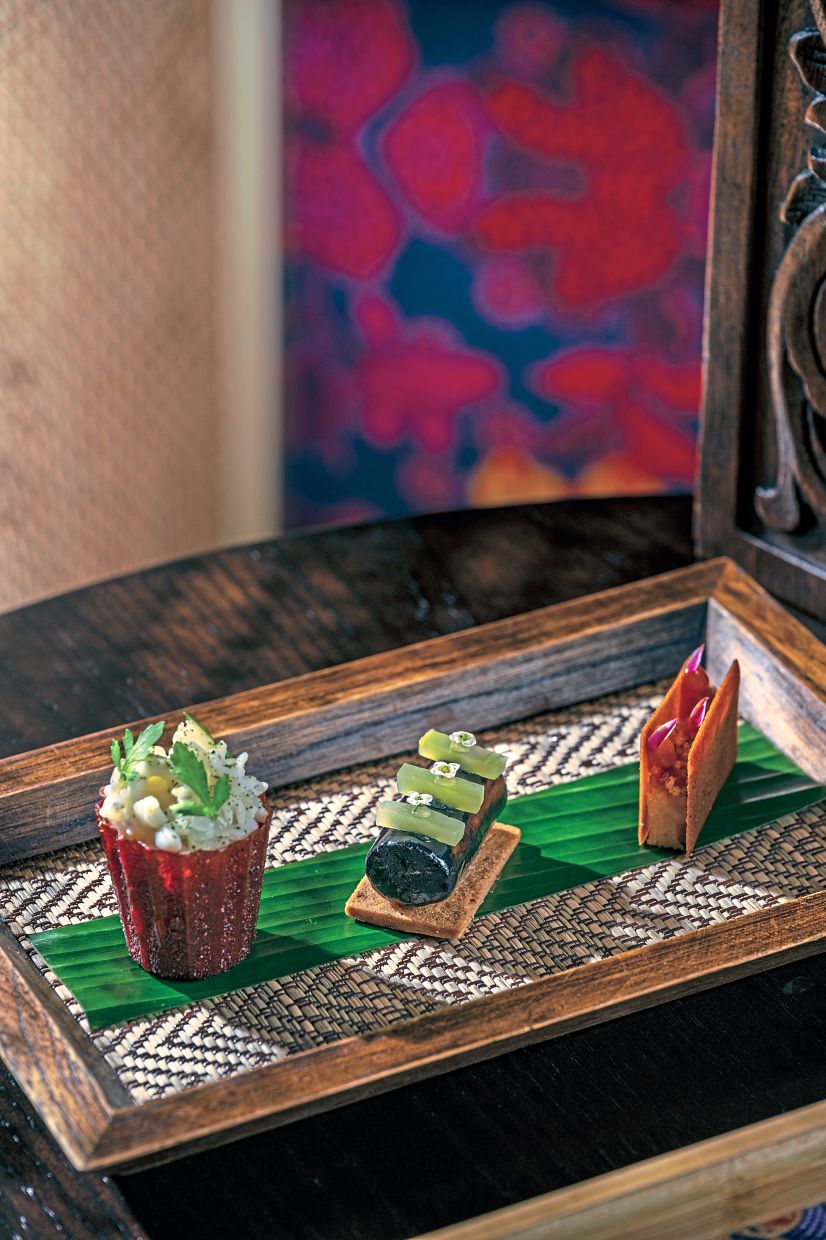
Of the snacks, the Squid with mackerel, laksa and kesum is outstanding. This one-bite tropical wonder captures the freshness and herbaceous tapestry so interlocked in a laksa as well as its twin appeal – a rich, voluminous flavour profile.
The Peknga is a tribute to a traditional coconut pancake dish popular in Kedah. In Tham’s iteration, his peknga is moulded after an English crumpet, in homage to the many years he spent studying and working abroad.
Here, the tiny little mouthful is interspersed with salted fish, sambal and belimbing buluh in what proves to be a feisty yet judiciously well-balanced affair.
The bread course or 0.00% Yeast Bread takes inspiration from the Japanese occupation of then-Malaya in the 1940s. At the time, rice was rationed and food was in short supply, which meant many Malaysians turned to tapioca for sustenance.
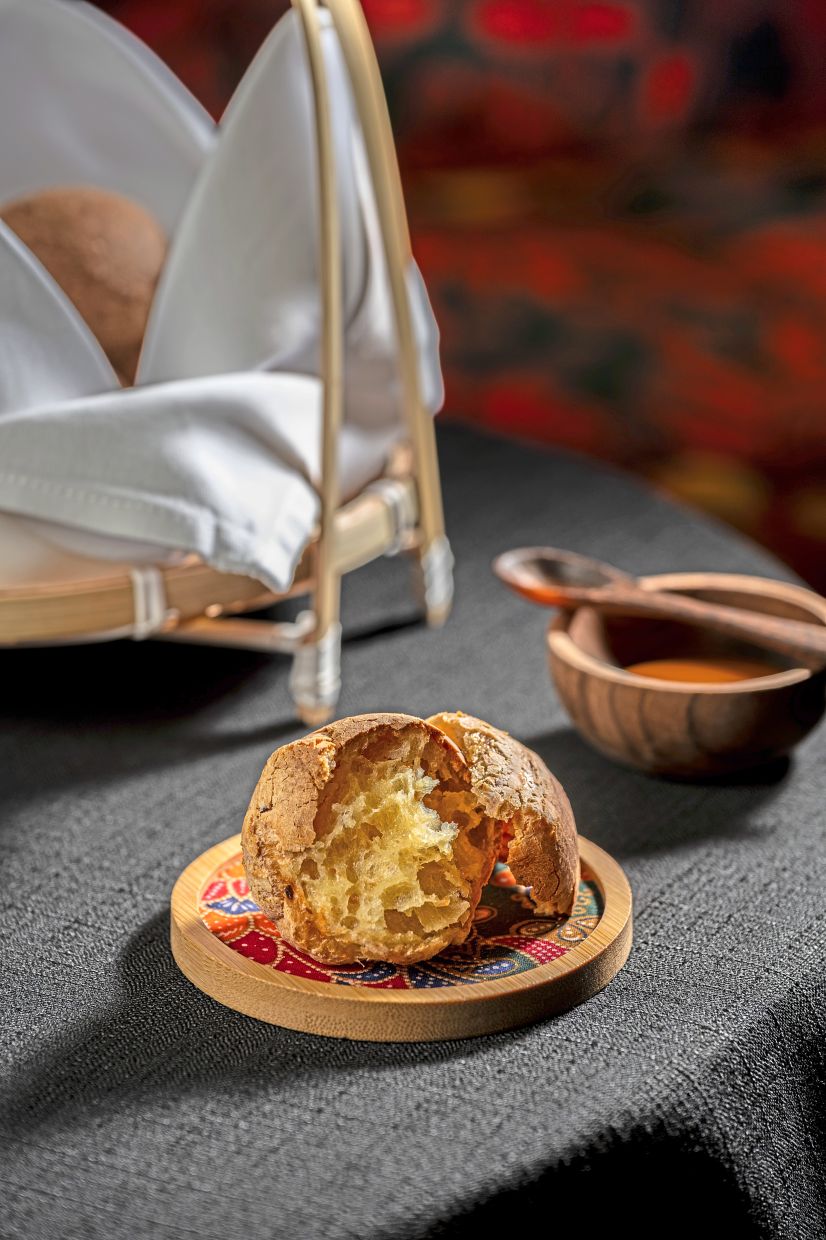
Tham’s own grandmother told him many stories of this period of deprivation, which is what inspired this course.
Here, the yeast-free bread is incredible – hot out of the oven with an unwieldy stretch and pull, a gentle sweetness and a chewy countenance that is intensely satisfying.
This is paired with a red chilli emulsion that is both a lively, yet wholly comforting companion. It’s like finding the best of both worlds in your partner – stability and adventure in one compelling package.
The menu moves on to eastern territory from this point onwards, reflected in dishes like Prawn, which is marinated in fermented rice lees, then grilled.
This is accompanied by fiddlehead ferns (paku) and an aioli made from the prawn heads and shell as well as tomato.
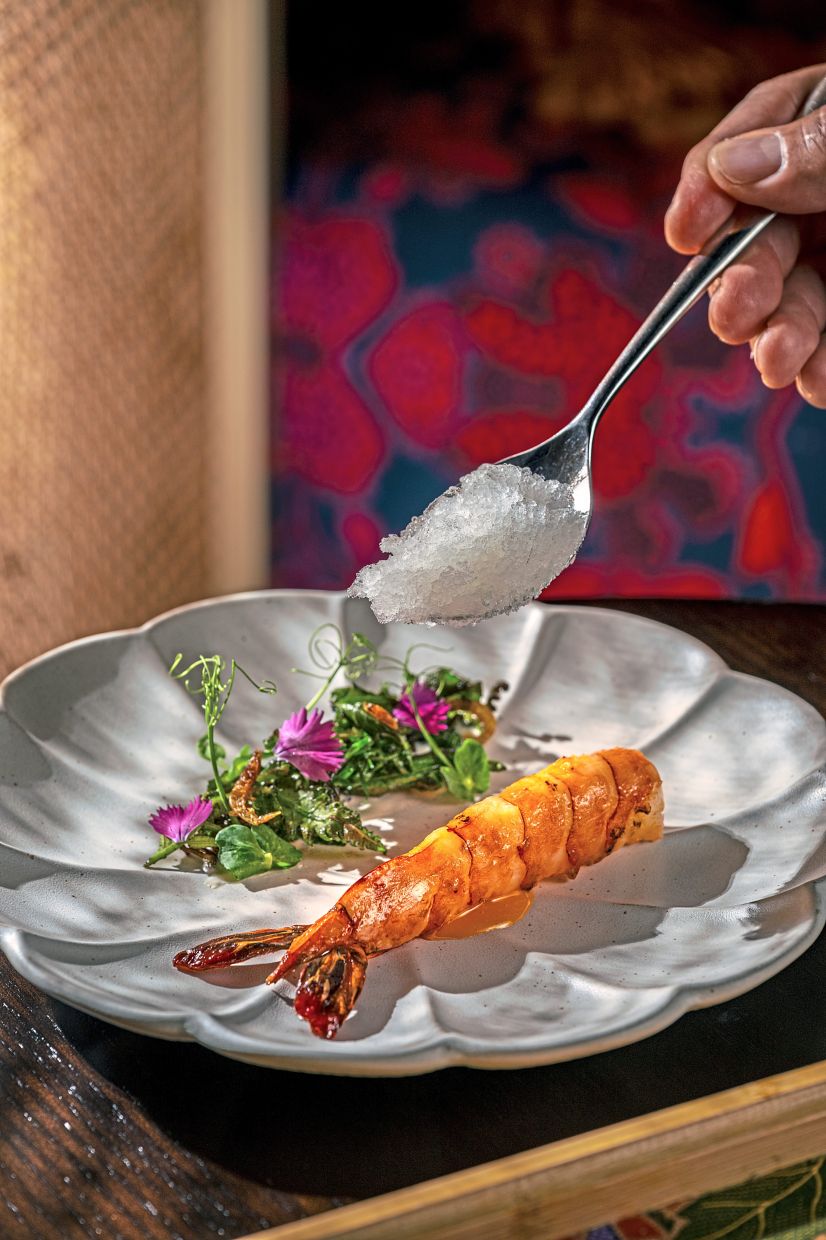
The prawn is sublime – a rustic, nuanced char adds character to its surface while its flesh remains supple and plump, sort of like a beautiful jacket that when peeled away, reveals an equally glorious outfit.
This gripping story is given additional heft and weight through the conduit of the paku, which adds vegetal nuances and the aioli which is a quiet, yet wholly addictive addition to this ensemble cast.
Sabah and Sarawak come to the fore, courtesy of the Scallop which is lightly seared and suffused in a scallop foam. This is buoyed by a take on the tangy pinasakan (a Kadazandusun dish), enlivened with tuhau (wild ginger native to Borneo).
The scallop is incredible – a beautiful sear and plump, voluptuous flesh cast against the backdrop of a cool granita and the wildly untethered gingery underpinnings of the tuhau that turn something good into a far more interesting proposition.
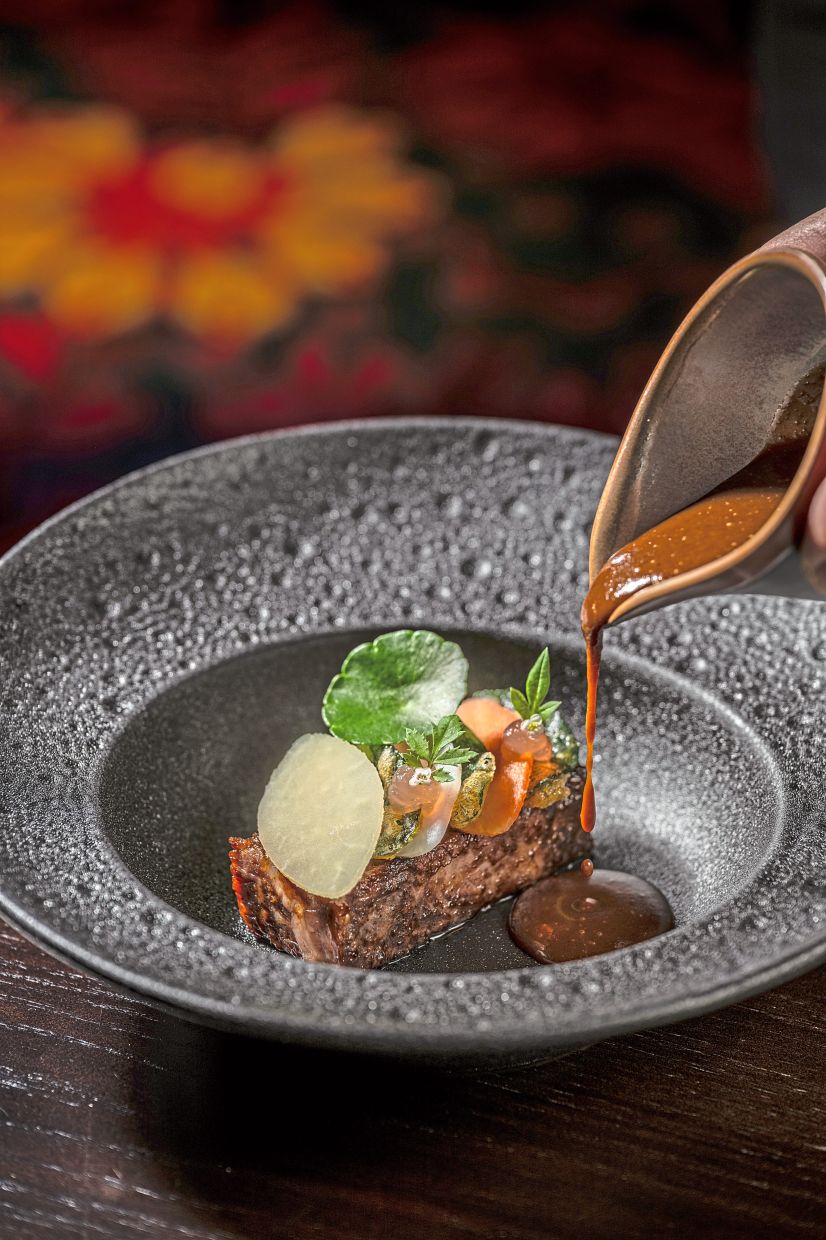
Tham’s Beef Short Ribs are something he is particularly proud of.
The beef is first slow-braised, then charcoal grilled and married with a masak hitam sauce (which makes use of kicap manis and spices like star anise). Acar is represented by artfully placed pickled carrot, chayote and young papaya while daun kaduk adds an interesting textural interplay.
The beef is honestly sublime – succumbing and willing on the textural front and simultaneously bold and assertive through the robust masak hitam sauce and the lip-puckering dominance of the pickled vegetables. It’s a study in how to make multiple domineering, dramatic personalities play together nicely.
For mains, the Dry-Aged Duck is a stand-out option. The Penang Cherry Valley Duck has been aged for 14 days and then grilled and paired with pickled mustard greens and a sauce made out of wild pepper leaves and tomato.
Tham was one of the earliest to champion local duck and also one of the first to master its many nuances. As a result, his duck is sublime – crisp skin gives way to flesh that is perfectly pink at its heart and pillowy, luscious and petal-soft on the palate. The sauce that sits companionably next to it offers a lightly astringent, hearty soul that makes for a lively partner-in-crime.
There is also the option to indulge in an additional course of Abalone Heirloom Rice (RM99 supplementary) which features heirloom rice, abalone, local caviar and kaffir lime. This is a nourishing, soul-warming rice feast that highlights the fat, roly-poly qualities of the abalone alongside rice that is packed with so much flavour – one bowl simply will not be enough.
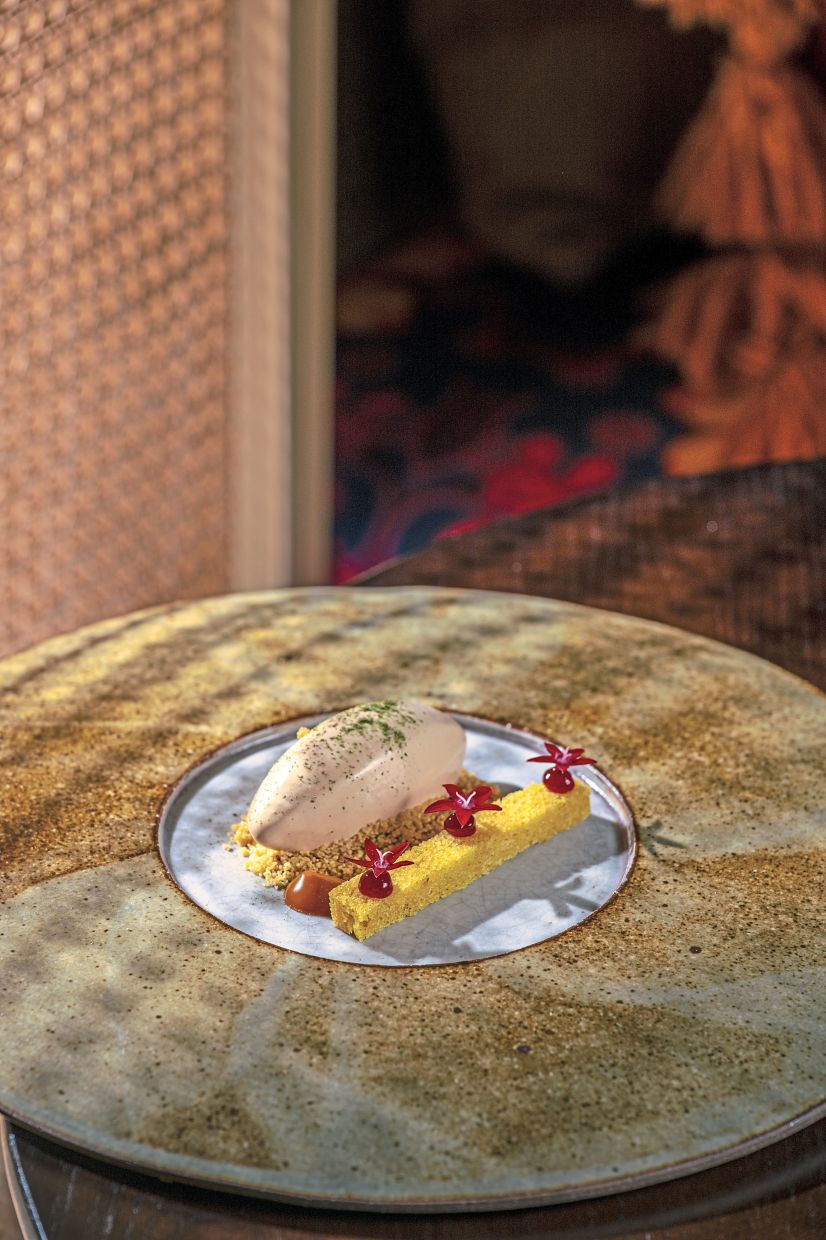
For dessert, there is Teh Tarik – essentially a teh tarik ice-cream made from Cameron Highlands tea alongside a dhal cake and a gula Melaka syrup. It might all sound odd in theory but Tham has a way of drawing disparate elements together and lining them up in pairings that somehow make sense on the palate.
Here, the ice-cream is the anchor of the meal, a beloved Malaysian mamak staple set in the cast of a cool, delicious cold treat. The dhal cake is light and perhaps not very important in this configuration but the gula Melaka syrup is delightful – adding a palm sugar sweetness that knits the whole dish together into a beautiful pattern.
If you’re indulging in the drinks pairings, there are many highlights to look forward to including the Perrier Jouet Grand Brut NV, a French non-vintage champagne that is effervescent, sparkly and a riotous, celebratory way to start off a meal here.
House-made cocktails like the Paddy Terroir, which consists of homemade rice wine, coconut liqeuer, lime and egg white also serve up lovely hints of tang and funk juxtaposed against a tropical canvas that melds well with the Malaysian-focused dishes on the menu.
Ultimately, a meal at Beta takes you on a wild, wondrous journey through Malaysian terrain, one that challenges the notion that tradition must remain static. Here, diversity is celebrated on each plate, resulting in an euphoric, fleeting glimpse into modern Malaysia on a plate.