Secondary traumatisation is defined as the emotional distress that occurs when an individual is indirectly exposed to the firsthand traumatic experiences of others.
It arises from repeated exposure to the suffering of others. Its prolonged impact can lead to compassion fatigue. Frontliners and first responders are vulnerable to it, as they absorb the pain, fear and grief of those they help, often carrying these burdens long after the crisis has passed.
Up to one-third of first responders suffer from secondary trauma – a silent crisis behind the sirens.
The numbers are sobering. A systematic review of 31 studies confirmed that secondary traumatisation is present among first responders worldwide.
In the United States, up to 30% of police officers report symptoms. In Canada, one in four firefighters struggle with trauma- related stress; and in Britain, nearly a third of paramedics show signs of emotional exhaustion.
The hidden wounds are not rare – they are alarmingly common.
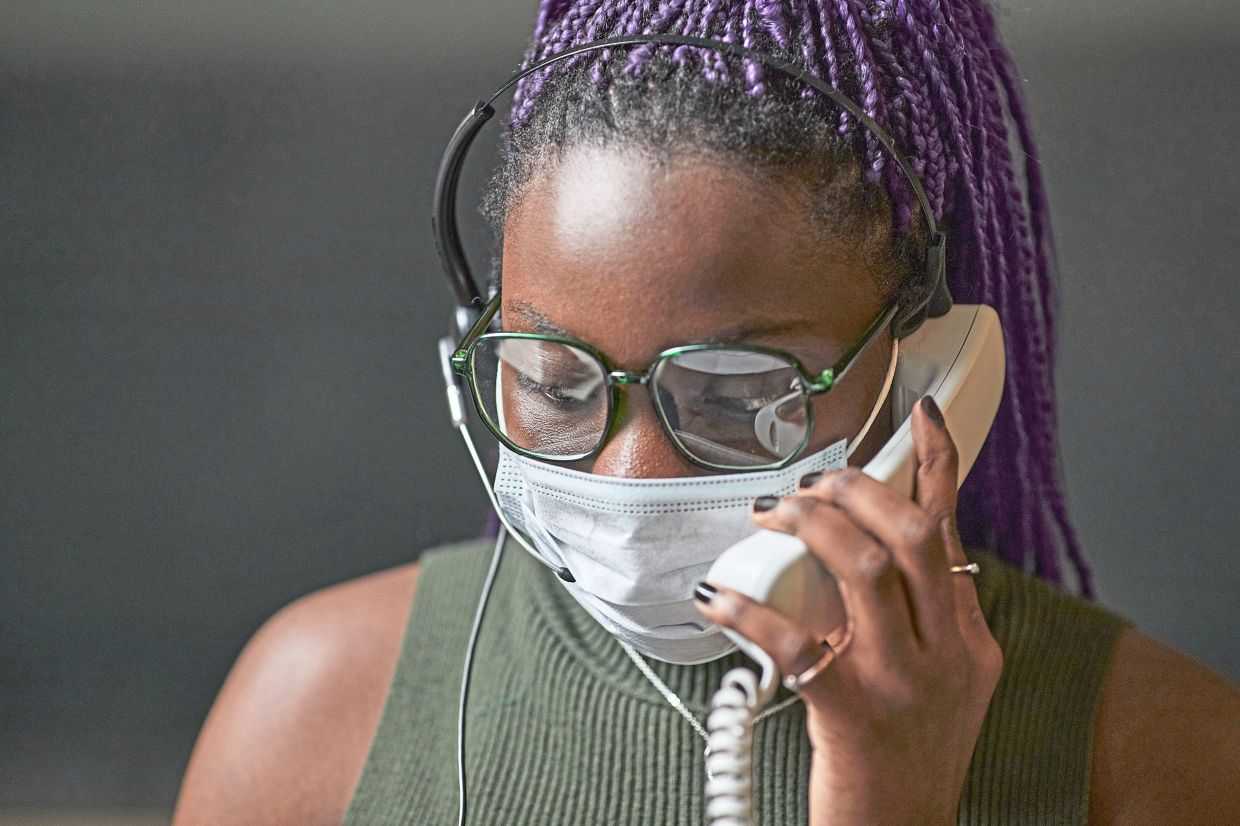
Often, the commonly known frontliners or first responders are crisis workers such as emergency medical services personnel, firefighters, police officers, search and rescue teams, dispatchers and call operators.
However, the list extends beyond these groups. There are many unseen first responders in our communities whose mental health deserves attention.
The severity of secondary traumatisation among unseen first responders was spotlighted through the National Population and Family Development Board (LPPKN)-funded study on improving the marriage tribunal process.
This has prompted researchers to ponder further on who are the unseen first respondents in various communities. They include, but are not limited to:
- The members of marriage tribunal and jurulapor, who continuously listen to how families are experiencing crises while couples are going through the separation.
- School counsellors and teachers who are navigating alarming rates of suicidal ideation among youth in primary and secondary schools and universities.
- Mental health professionals
- Community leaders and workers of various NGOs who are helping refugees, disadvantaged communities or communities with special needs.
- Religious leaders who are helping people experiencing various types of crises and calamities.
- Hospice workers
- Humanitarian aid workers
- Workers supporting survivors of domestic violence.

Heavy consequences
The consequences of secondary traumatisation are profound. On an individual level, it can lead to depression, anxiety disorder, substance misuse and strained relationships.
Professionally, it diminishes empathy, reduces job satisfaction and increases turnover in critical fields. When crisis workers withdraw emotionally, the very people they aim to help may feel abandoned or misunderstood.
Consider the ripple effect: a burned-out first responders may struggle to provide adequate support to vulnerable individuals and families. An exhausted paramedic’s decision making may be impaired during emergency.
The hidden wounds of secondary traumatisation, therefore, compromise not only the caregivers themselves but also the communities they serve.
Why it is unnoticed
Helping behaviours hold a place of high esteem in many Asian cultures, where they are highly valued and respected. Helpers are often trained to focus outward, prioritising the needs of those they serve over their own needs.
In addition, the mental health of helpers is often overshadowed by broader public mental health concerns. The psychological toll of their labour is often dismissed. Instead, they are expected to know how to regulate their emotional toll.
As a result, many suffer silently, accepting their distress is an inevitable part of the job. This silence allows secondary traumatisation to spread unchecked, undermining both personal well-being and professional effectiveness.
Unveiling the hidden pains
Addressing secondary traumatisation requires a cultural shift – one that normalises conversations about mental health among crisis workers and dismantles the stigma surrounding emotional vulnerability. Several strategies can help:
Organisational support: Institutions must implement policies that prioritise staff well- being, such as continuous learning, building a norm where seeking mental health support is part of helping, promoting feasible access to mental health support and allowing workloads in which adequate space or breaks are provided for the first responders to regulate their emotions.
Peer networks: Initiating and creating safe spaces for senior colleagues to mentor younger colleagues who can share their experiences. That fosters solidarity and reduces isolation.
Training in resilience: Equipping workers with tools to manage stress and recognise early signs of burnout, secondary traumatisation or compassion fatigue that empower them to intervene before symptoms escalate.
Self-care practices: Encouraging healthy lifestyle, exercise, and time away from crisis environments helps restore balance.
Importantly, these measures must be framed not as luxuries but as necessities. Just as physical safety protocols are non-negotiable, so too should psychological safeguards be embedded into crisis work.
Care for our first responders
The impact of secondary traumatisation must be addressed, as the costs are both profound and enduring.
By acknowledging its prevalence, society can begin to honour the full spectrum of sacrifices made by those who serve in times of crisis.
In other words, we must shift our narrative of heroism to embrace vulnerability, recognising that true strength lies not in the absence of pain but in the courage to face it.
Policymakers, community leaders and the public all have a role to play. Media coverage that highlights the mental health challenges faced by crisis workers can break the silence that perpetuates stigma.
Government interventions to take care of the well-being of the first responders are desperately needed. For example, allocating resources for mental health programmes tailored to frontline professionals and first responders.
The hidden emotional toll carried by them must be valued, evaluated and rewarded for sustaining their care to the various communities.
Secondary traumatisation is the silent wound of crisis work – hidden, prevailing and too often ignored.
The focus of help should not solely aim towards those who receive, but also for those who walk beside them. Safeguarding the well-being of first responders safeguards the resilience of society itself.
Dr Teoh Gaik Kin is associate dean, School of Psychology and Social Sciences, IMU University. A registered counsellor, she is also the primary investigator of the LPPKN Research Grant 2025 on improving the marriage tribunal process for urban non-Muslims through qualitative research. The views expressed here are the writer’s own.