Contact with animals can have positive effects in the treatment of a wide variety of conditions, including depression, anxiety disorders, autism, attention deficit hyperactivity disorder (ADHD), stress and dementia.
Animal-assisted therapy (AAT) is the planned and targeted use of therapeutic measures in which animals, often specially trained for the purpose, play a key role. It's conducted by qualified specialists - such as psychotherapists, occupational therapists or physiotherapists - who document progress towards the specific treatment goals.
The term isn't legally protected, but defined by entities such as professional associations. A broader term is "animal-assisted interventions" (AAI), which includes pedagogical and other activities using animals - in places such as schools or nursing homes - without therapeutic treatment in a stricter sense.
Many people find contact with animals to be supportive in therapy. Scientific studies show evidence of observable improvements in, for example, depression, anxiety disorders and stress symptoms through AAT.
Studies also indicate that animals can help people with autism or dementia find more peace of mind, can stabilise their mood and facilitate social interaction.
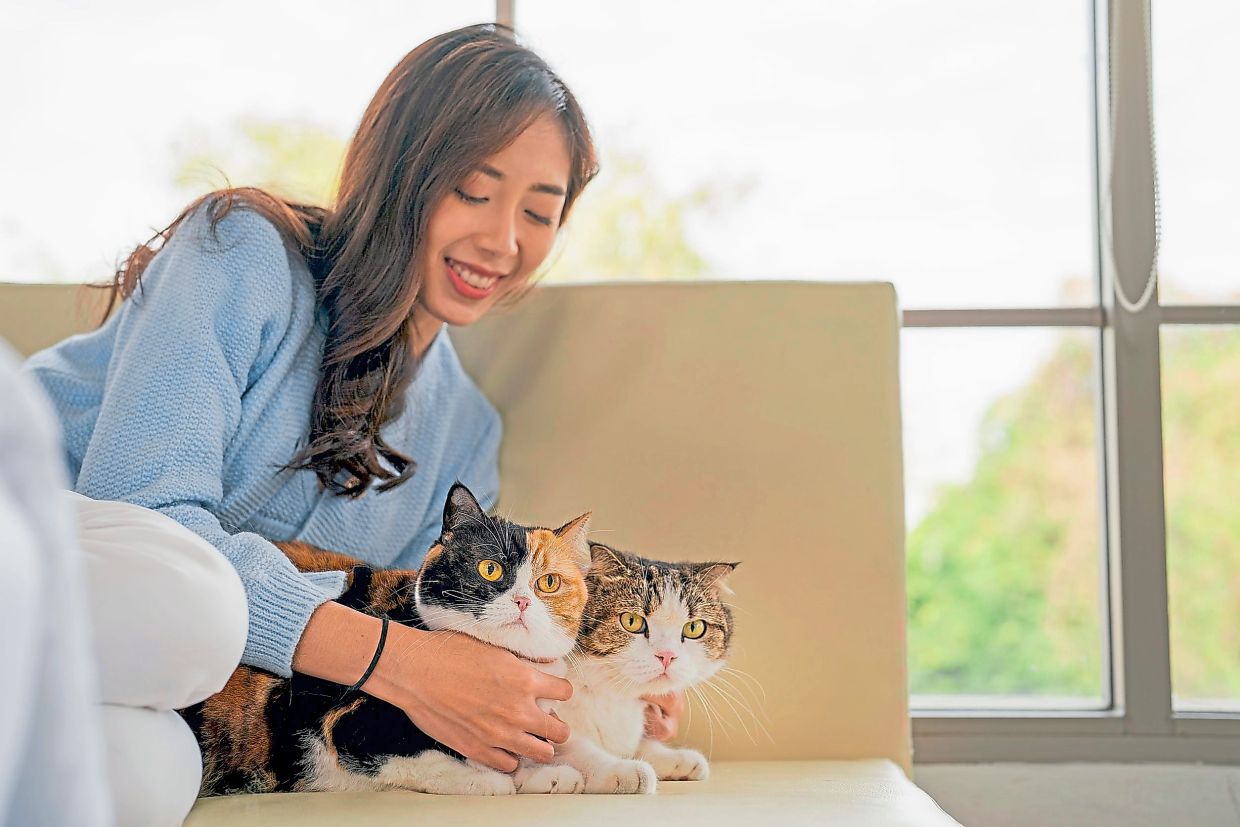
The positive effects are explained in part by the action of hormones. Studies show that when people have contact with animals - be it walking or grooming a dog, stroking a cat, feeding a bird or watching fish in an aquarium - their bodies release the hormone and neurotransmitter oxytocin. Sometimes referred to as the "love hormone," oxytocin, among its other functions, fosters social bonding, trust and reduces stress.
"When we're relaxed this way, we can more easily develop trust or muster up motivation," says psychologist Andrea Beetz, professor of special education at the International University of Applied Sciences (IU) in Erfurt, Germany, and president of the Luxembourg-based International Society for Animal-Assisted Therapy (ISAAT).
Having a positive fundamental mood can enable patients to be more open to, and less fearful of, new experiences. In some cases, AAT - for instance with horses, called hippotherapy - is said to promote communication and social skills, learning behaviour and self-esteem.
More specifically, the natural, rhythmic movements of a horse being slowly led by an instructor or therapist can help a child riding it improve their balance, coordination, core strength and sensory integration.
The effectiveness of AAT or AAI depends in part on the particular animal's temperament and the relationship between the therapist and client. If conditions are favourable, some things can be achieved more quickly in therapy with an animal than without one, Beetz says.
Dogs and horses are often used. Along with the other aforementioned animals, donkeys, llamas and alpacas can help as well, their docile nature and calming presence providing support in recovery or healing processes.
And sometimes farm animals, such as goats, sheep, pigs, cows or chickens, are brought into play. A fundamental requirement of AAT is compliance with animal welfare guidelines. Ethical considerations are taken into account as well.
In the view of the German Animal Welfare Association, small domestic animals such as rabbits and guinea pigs are unsuited for therapy, at least when it comes to touching and not merely observing them. Being picked up and cuddled is usually very stressful for these animals.
The ISAAT and European Society for Animal-Assisted Therapy (ESAAT) list providers with the appropriate basic and additional training.
"Always look at the primary profession, for example a state-licensed occupational therapist with additional training in animal-assisted therapy," advises Beetz.
Ideally, she says, the therapist will have already worked for several years without the animal and be experienced enough to be able to concentrate on it. This is important so as to heed stress signals by the animal, give it sufficient breaks and a place to retreat to if needed.
The therapist should also have a hygiene and transport plan and take precautionary measures in the event of an accident. — dpa