Tovi Murru doesn’t remember exactly when his family started using firewood to cook. "It was sometime in April,” he says.
Housework for him has doubled since. He gathers bits of wood from dead trees in the forest, brings them home and chops them. He also does most of the cooking now.
When they still used liquefied petroleum gas to cook, it was his wife Atoshi Ayemi, 27, who ran the kitchen. But cooking on fire is too much work for his wife to manage, he feels.
"The common person is really suffering with the rise of fuel prices. And LPG cylinders are no longer available. The few that are available are unaffordable,” he says.
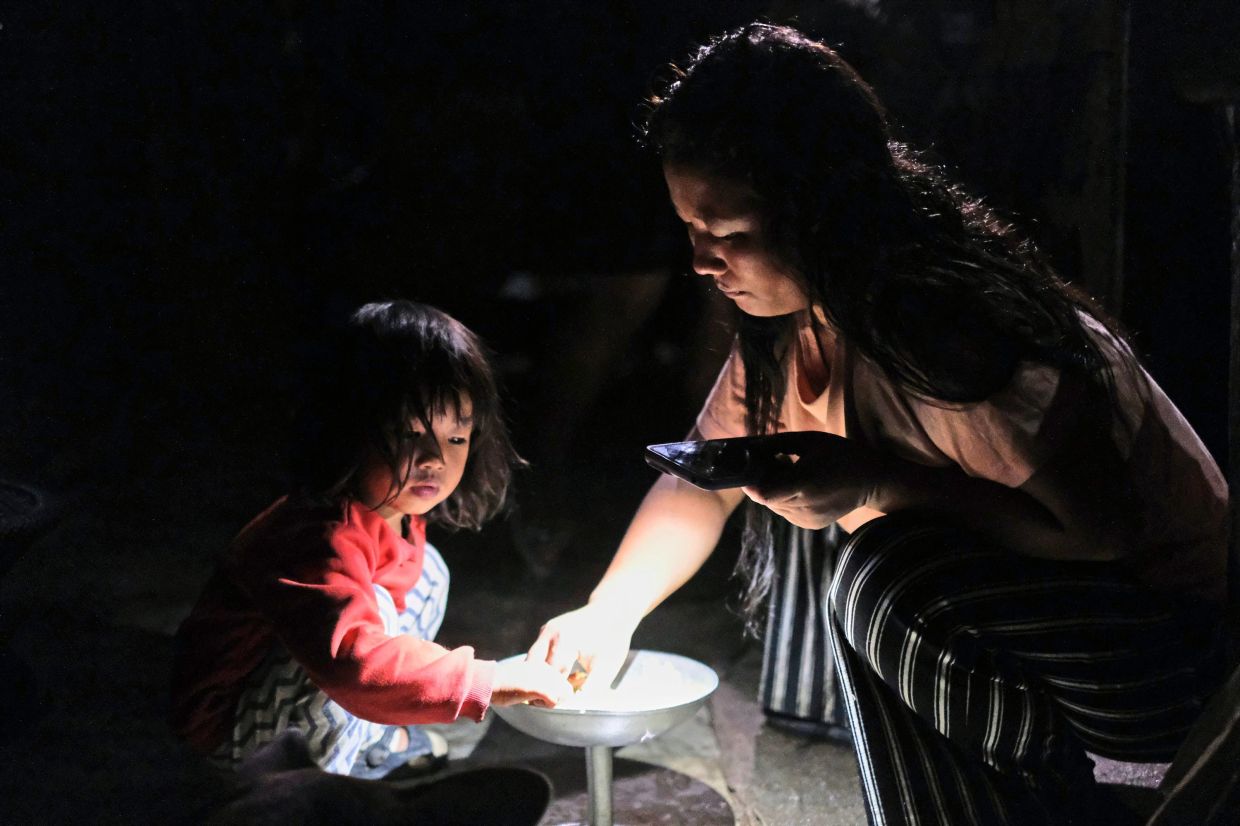
Murru, 32, a driver by profession, lives with his wife, daughter and two dogs in a house provided by his employer.
He muses that if he had to pay rent then it would be hard to survive in the present times. He earns US$125 a month.
An LPG cylinder, if he is lucky enough to find one, costs almost a quarter of his salary in the black market, more than double what it used to cost before the start of the Iran war.
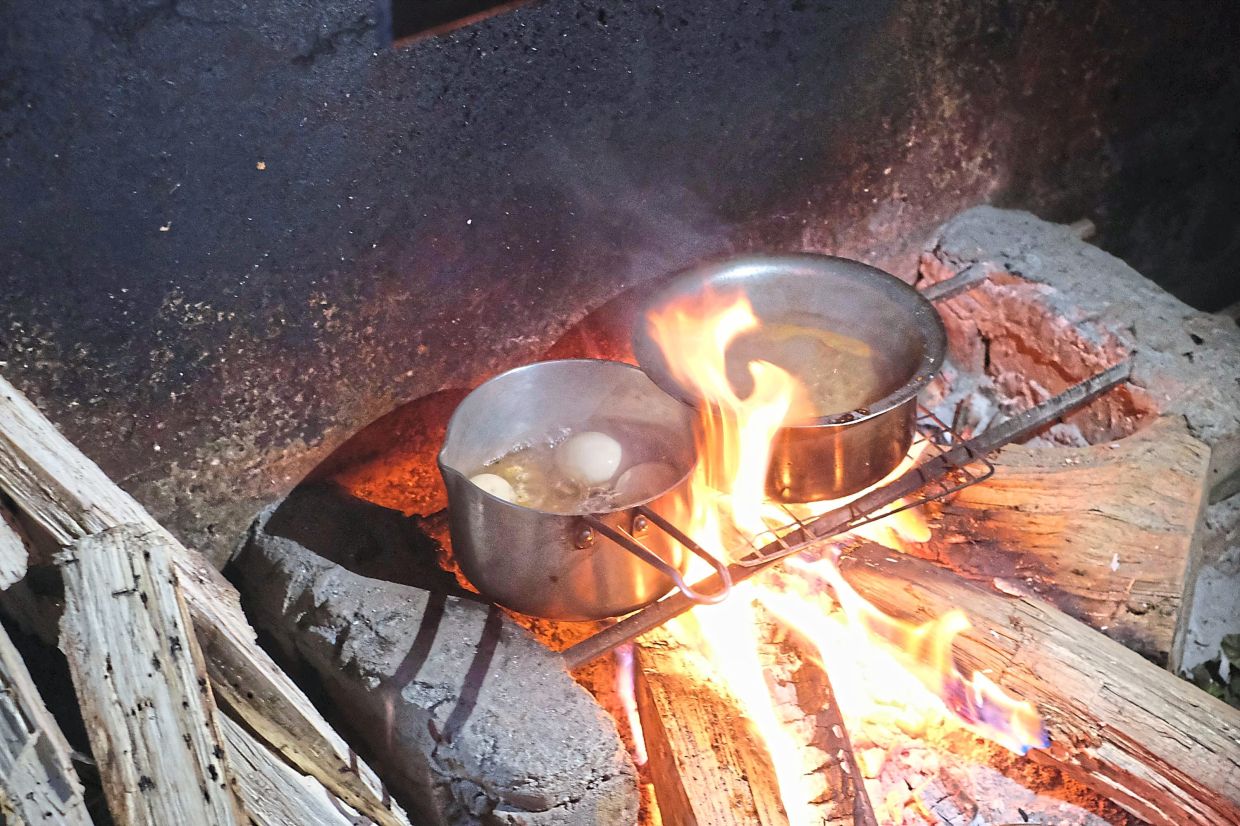
Murru is dexterous. It took him less than a day to build the hearth. He skillfully starts the fire and boils eggs and some broth that will be eaten with rice.
"Azatina loves eggs,” he says, gesturing toward his 3-year-old daughter.
More than 4,000 kilometers from Tehran, this tiny town of Kohima also bears the brunt of the Iran war.
Like many people, he doesn’t understand why a war that isn’t theirs is affecting everyday life.
Murru is a Naga, part of an Indigenous group living in northeastern India and areas of Myanmar.
India imports nearly 90% of its crude oil, so the war hampered vehicles that need gasoline and millions of homes and restaurants that need LPG.
Atoshi’s eyes tear up from the smoke. So do Azatina’s.
Tovi says the smoke is bad but "it’s the heat from the fire that gets me,” he says, wiping his brow.
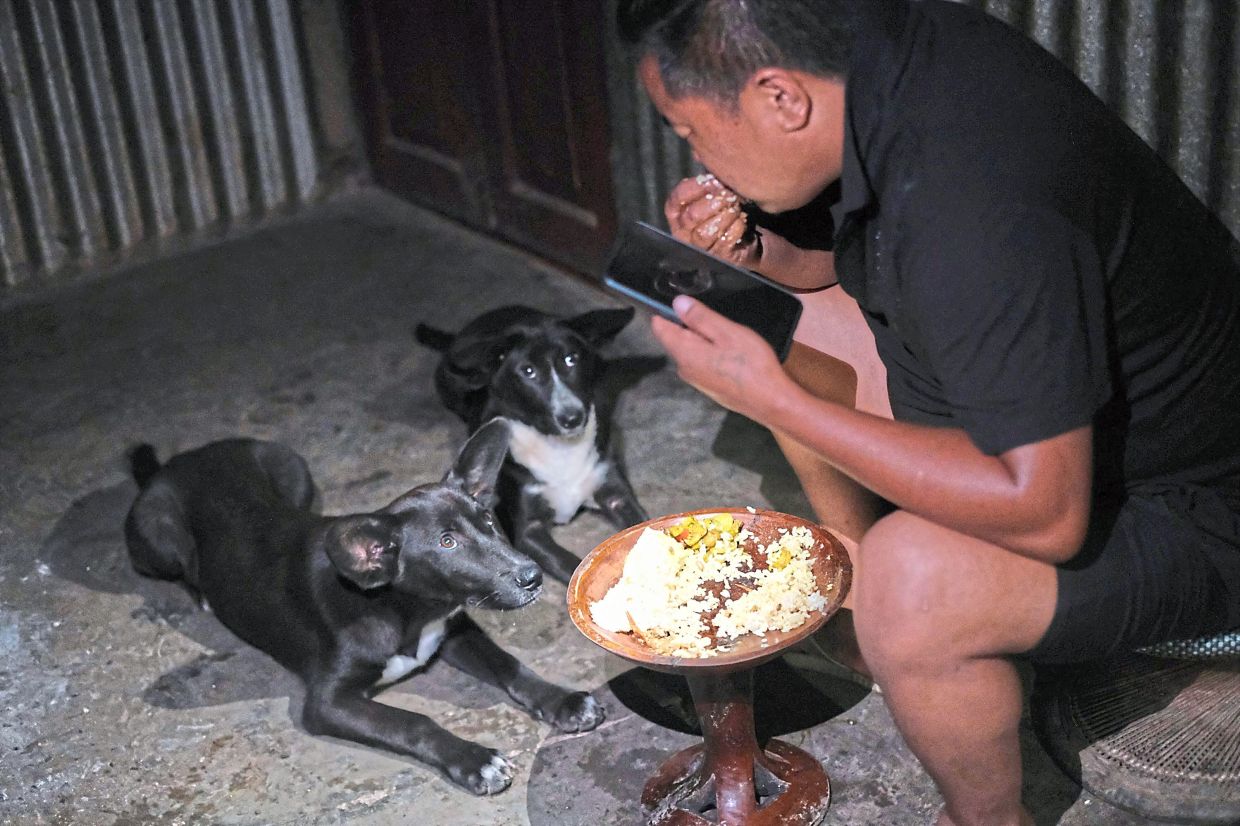
Ironically, the family serves their meal by an empty gas cylinder.
Power has been out most evenings. The couple use their mobile phones to find their way around. Tovi scoops dollops of food into his plate. The dogs wait to be fed. It is their turn next. – AP