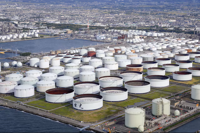
TOKYO: Japan's vulnerability in energy supply and demand has once again come to the fore as tensions in the Middle East escalate, according to the Japanese government's energy white paper for fiscal 2025, released Friday.
The white paper said Japan has long relied on the Middle East for more than 90 percent of its crude oil imports. Following U.S. and Israeli military strikes on Iran in late February this year, shipping through the Strait of Hormuz, a key global energy transit route, was disrupted, creating uncertainty over supplies of crude oil and petroleum products.
The disruption also hindered the distribution of some petroleum-related products, including naphtha, the report said.
To secure domestic energy supplies, the government has released oil reserves and stepped up efforts to procure alternative supplies from regions outside the Middle East since March. These measures helped ensure crude oil supplies to Japan, according to the white paper.
However, concerns over the supply outlook prompted stockpiling of certain petroleum-related products, disrupting distribution and leading to uneven supplies across the country, it said.
The white paper noted that the energy crisis response mechanisms Japan had developed over decades following the oil crises of the 1970s are no longer adequate to address emerging risks to energy supplies.
The annual energy white paper is usually adopted by the cabinet around June each year, but its compilation was delayed this year until October to incorporate developments in the Middle East and the government's responses to the situation. - Xinhua