IN the last few years, there has been news that have reported illness in dogs getting sick or dying from a disease associated with rats. The name of the disease is leptospirosis.The disease is not new, as it was discovered in the 1880s. There are many variations of this disease affecting many different types of animals.
Though it is not new, leptospirosis infection rates have been increasing in the United States and Canada. Previously, leptospirosis was seen more commonly in rural areas and wildlife settings, but in recent years it has become more of an urban problem. This shift may be in part due to the surging rodent population in many of the country’s urban areas, affecting the behavior of rats that carry leptospirosis.
What is leptospirosis?
Leptospirosis is a disease caused by a bacteria found in the urine of infected animals, such as cattle, pigs, horses, dogs, wild animals and rodents. In urban areas, rats are typically responsible for the spread of the virus. Leptospirosis is a zoonotic disease, which means that both humans and animals are susceptible to it and humans can catch it from an infected animal including infected pet dogs.
The dogs that used to be most at risk were hunting and sporting dogs and dogs that live near wooded areas or farms. But as we have seen, city dogs frequenting dog parks have become infected with this bacterium.
Bottom line, all dogs are at risk of leptospirosis, no matter where they live, their breed or age, whether they mostly stay indoors. It can even be dependent on the time of the year, according to new guidance on the disease.
The leptospira bacteria usually tend to thrive in warm, wet environments, often subtropical and tropical climates, but it is also being seen in northern climates as well.It survives in moist soil, water and food. It is more prevalent in areas that have stagnant surface water where wildlife or rodents have frequented, such as muddy puddles, marshes, or heavily irrigated pastures. Even water or soil in a backyard may harbor the bacteria if there have been infected rodents present.
How is leptospirosis contracted?
Dogs usually contract leptospirosis through direct contact with urine in infected water. This occurs either by drinking or swimming or even walking through infected water, mud, or soil. It can enter the animal via the mouth, nose, eyes, or any open wound. Leptospirosis can also be passed through the placenta from the mother to the puppies.
Signs that a dog is infected with leptospirosis can be vague at first, making it difficult to detect very early, and signs can vary. Dogs typically show signs of infection one to two weeks after exposure, though symptoms can appear as early as two days and as long as 30 days later.Some infected dogs may have a mild and transient illness while others develop a severe illness that is possibly fatal. Young dogs with weak immune systems seem most in danger, though it can affect all dogs.
Leptospirosis spreads throughout a dog’s entire body, reproducing in the liver, kidney, eyes, and reproductive system. Leptospirosis in cats is rare and appears to be mild although very little is known about the disease in this species.
How do you diagnose leptospirosis? What are the symptoms?
The symptoms of leptospirosis are fever, depression and lethargy, decreased appetite, vomiting, increased thirst and urination, jaundice (yellowing of the sclera or “whites” of the eyes and skin), and small bruising (petechiae) of the skin. As the bacteria invade the kidney and liver, it can lead to kidney and liver failure.
A diagnosis of leptospirosis may be suspected based on exposure history and signs shown by the dog, but many of these signs can also be seen with other diseases. Definitive diagnosis of leptospirosis is made via diagnostics such as blood work and urine tests.
How do you prevent leptospirosis?
Reducing a dog’s exposure to possible sources of the leptospira bacteria can reduce its chances of infection. Since rodents can carry and spread leptospirosis, limit access to outdoor rodents (rats, mice, or other animal pests) and keep rodent problems under control.
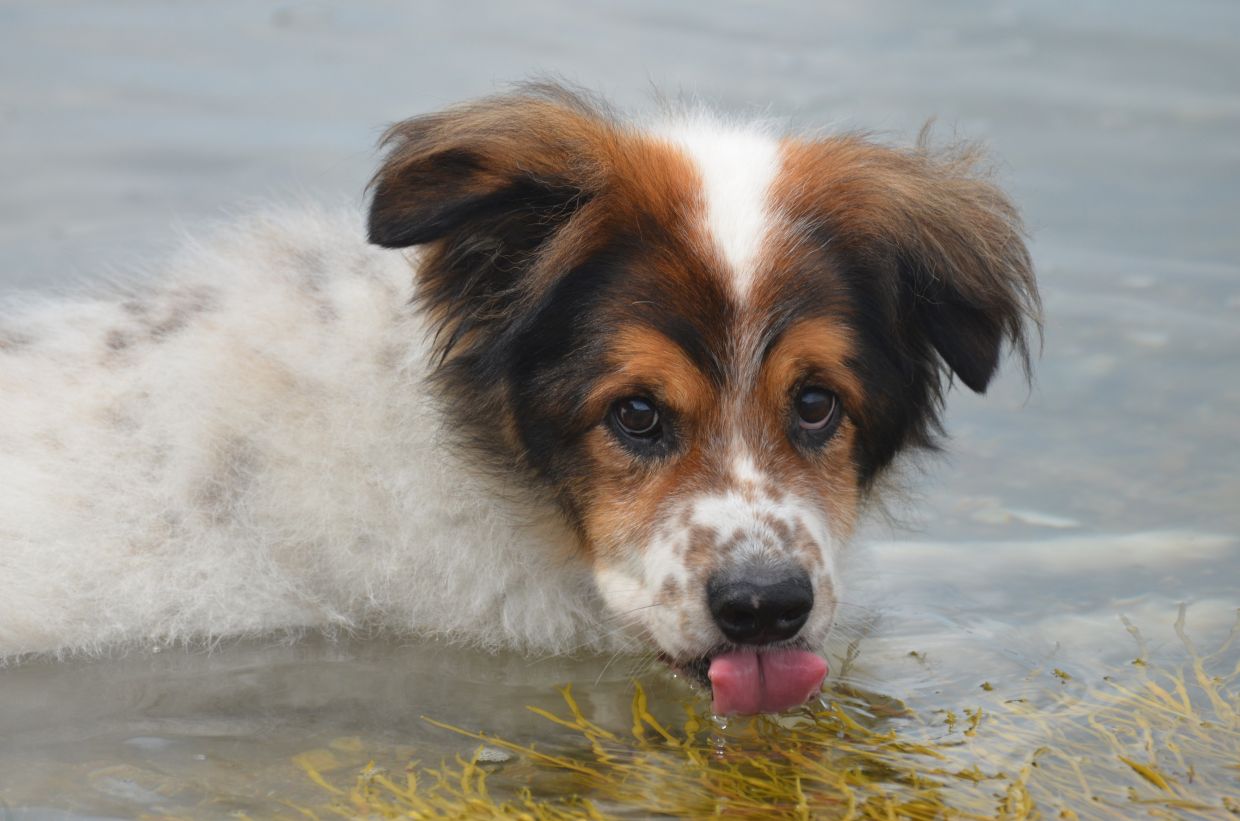
Prevent your dog from licking or drinking from puddles or swimming in any stagnant bodies of water that may possibly be infected by rodent urine.
Because the leptospira spirochete bacteria is zoonotic, it can be transmitted to humans. Although the risk of infection is low for you and your family, the risk of acquiring the bacteria from an infected pet is still there, especially for young children.
How do you treat leptospirosis?
The good news is that if leptospirosis is detected early, it can be treated successfully with antibiotics and supportive care if organ damage has not been too severe.
However, if left untreated or not diagnosed, leptospirosis can cause irreversible liver and kidney damage and even death. If your dog has been diagnosed, the following precautions should be taken to protect yourself and others:
- Administer medications as prescribed by your veterinarian, avoid contact with your dog’s urine or any urine-soaked bedding or any bodily fluid.
- If your dog urinates in your home, quickly clean the area with a household disinfectant and wear protective latex gloves to avoid skin contact with the urine.
- Encourage your dog to urinate away from standing water or areas where people or other animals may have access.
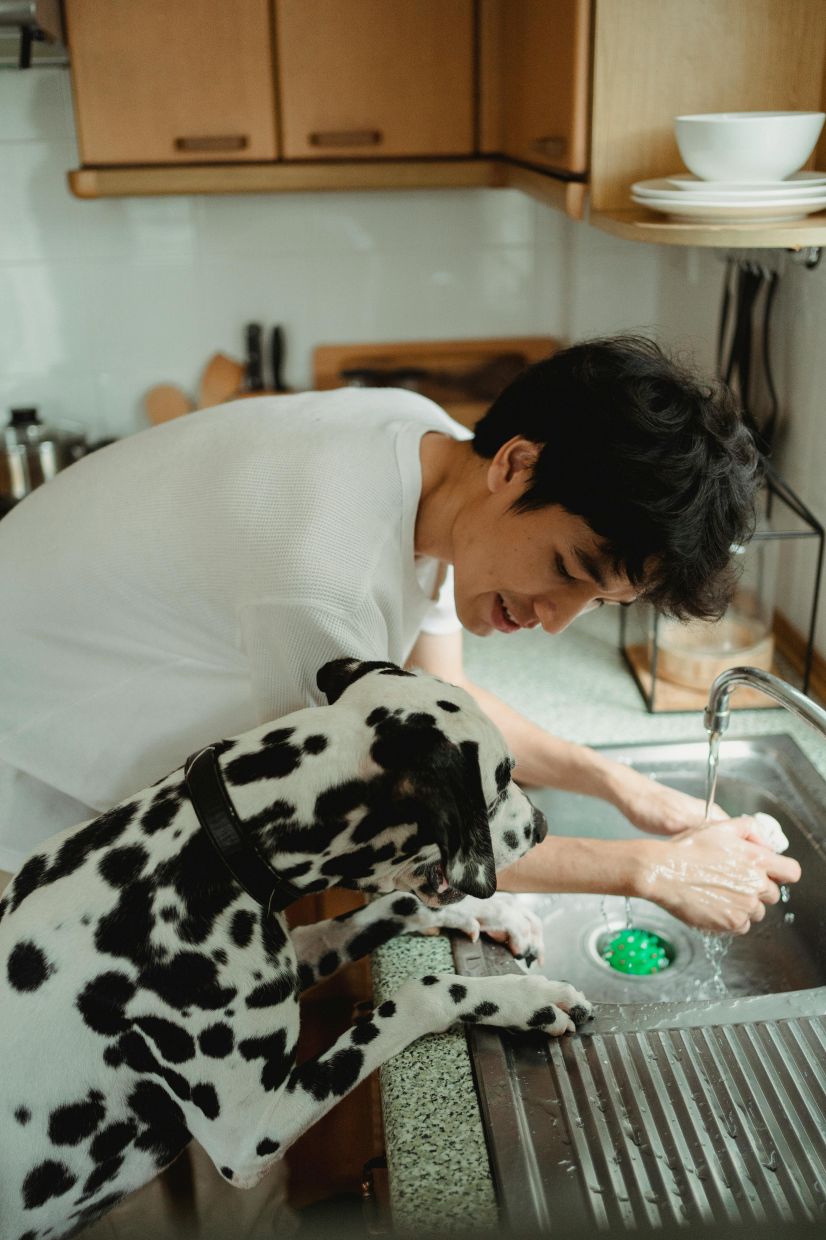
- Wash your hands after handling your pet.
If you are ill or if you have questions about leptospirosis in people, consult your physician. If you are pregnant or immuno-compromised (due to medications, cancer treatment, HIV, or other conditions), consult your physician for advice.
There is a vaccine against leptospirosis. In 2024, the American Animal Hospital Association and the American Veterinary Medical Association, updated their guidelines to include the leptospirosis as a core vaccine for dogs, regardless of lifestyle due to studies that now indicate that all dogs, including urban dogs, are at risk of infection.
The vaccine, like the distemper and parvo vaccines, is administered initially with a booster in three weeks offering protection for about 12 months. It must have an annual booster to offer continued protection.Owners are encouraged to discuss vaccination protocols with their veterinarian. – American Kennel Club/ Tribune News Service
Dr Jerry Klein is the AKC chief veterinarian, For more information on responsible dog ownership, visit www.akc.org.