
IN the spring of 1778, after a brutal winter at their encampment at Valley Forge, Pennsylvania, George Washington’s army was starving. Disease raged through the ranks, and the poorly clothed men died of fever, dysentery, typhus and exposure.
But, as legend has it, hope appeared in the estuaries of the Delaware River when an early spring warmup caused shad – a species of herring native to North America – to begin their spring runs.
The troops, guided by Washington’s camp cook, were said to have caught the fish using nets.
Newly invigorated, they went on to fight the Battle of Monmouth, where they proved they could be a disciplined and tactical fighting force.
This alleged spring miracle earned shad the nickname “America’s founding fish.”
Shad was a staple for Indigenous people long before the Revolutionary War, and in colonial times was widely eaten in the mid-Atlantic region and New England.
At Mount Vernon, Washington had a profitable shad and herring fishery, managed by enslaved people.
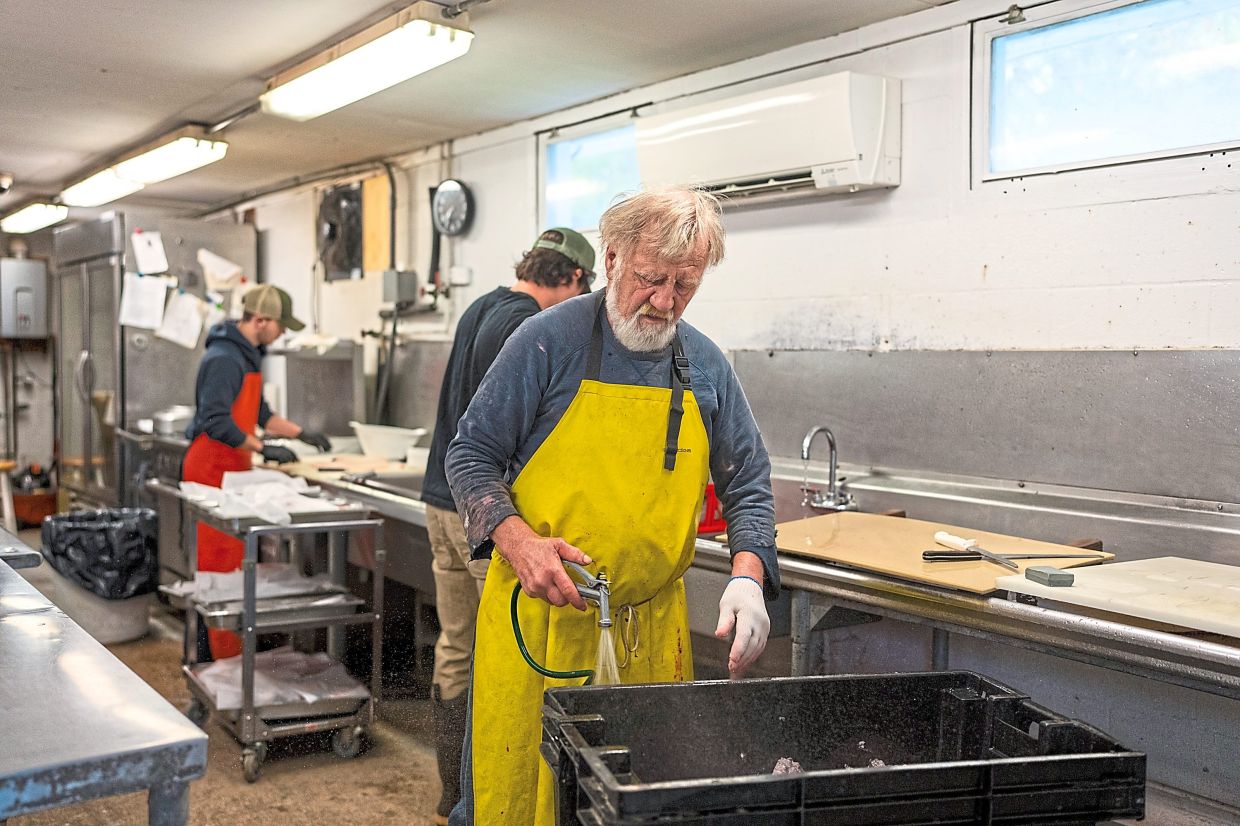
“Now only a few fish markets sell it,” said Dan Russell, a commercial fisherman in Rocky Hill, Connecticut, who has been pulling shad out of the Connecticut River since 1967. “But you can have it at shad bakes held by local fish and game clubs and churches on river towns.”
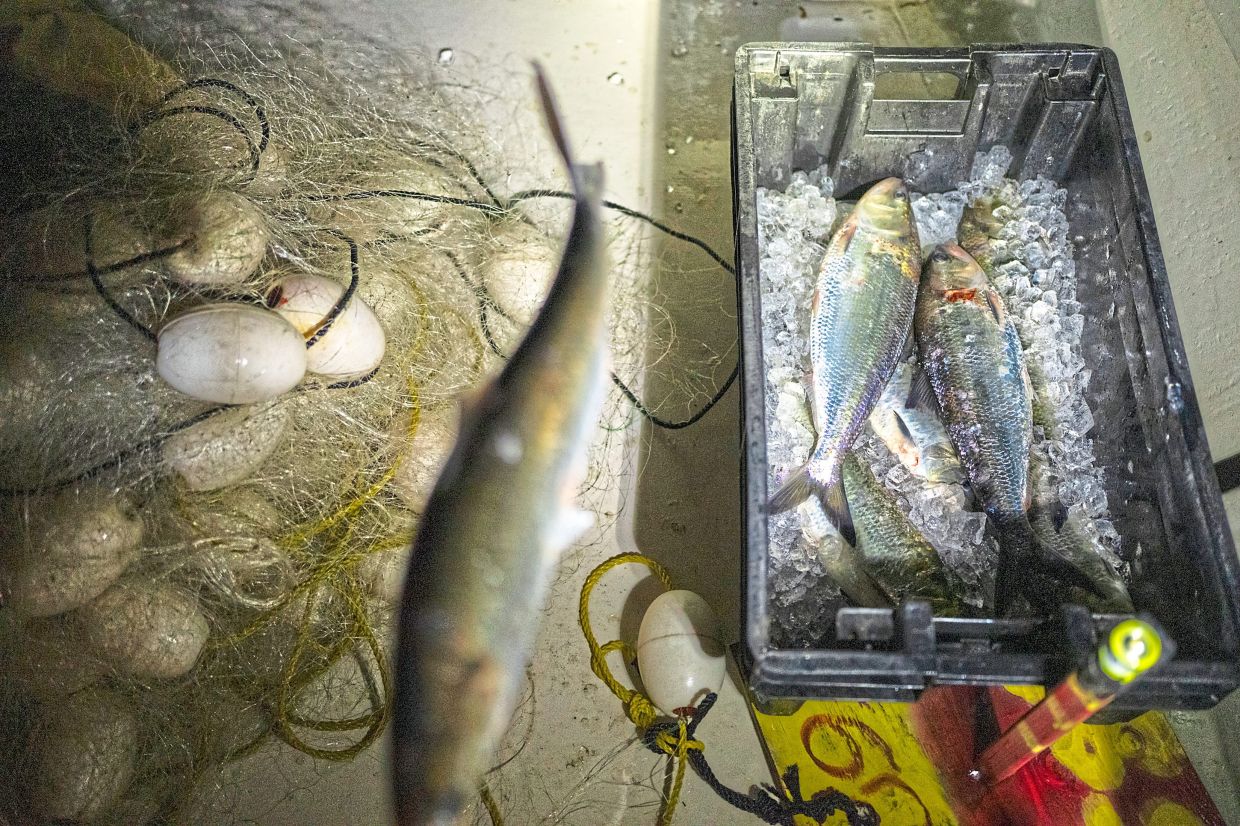
Shad live in North Atlantic waters but return each spring to the rivers where they were born to spawn upstream.
Their season is eagerly awaited by die-hard fans in Connecticut, where shad is the official state fish and even has its own museum in Haddam, a Connecticut River town historically known for the shacks where shad were gutted, scaled and filleted.
Modern shad lovers have to depend on a few remaining fishermen willing to fish through chilly spring nights and then work through the morning to do all that work.
Aficionados enjoy shad on cedar planks at the Essex Shad Bake, in Essex, Connecticut, held the first weekend in June. Joseph Shea, an organiser of the bake, said the event has perfected a method of capturing the oil that drips off the planked shad, using it to further stoke the flames of the open fire.
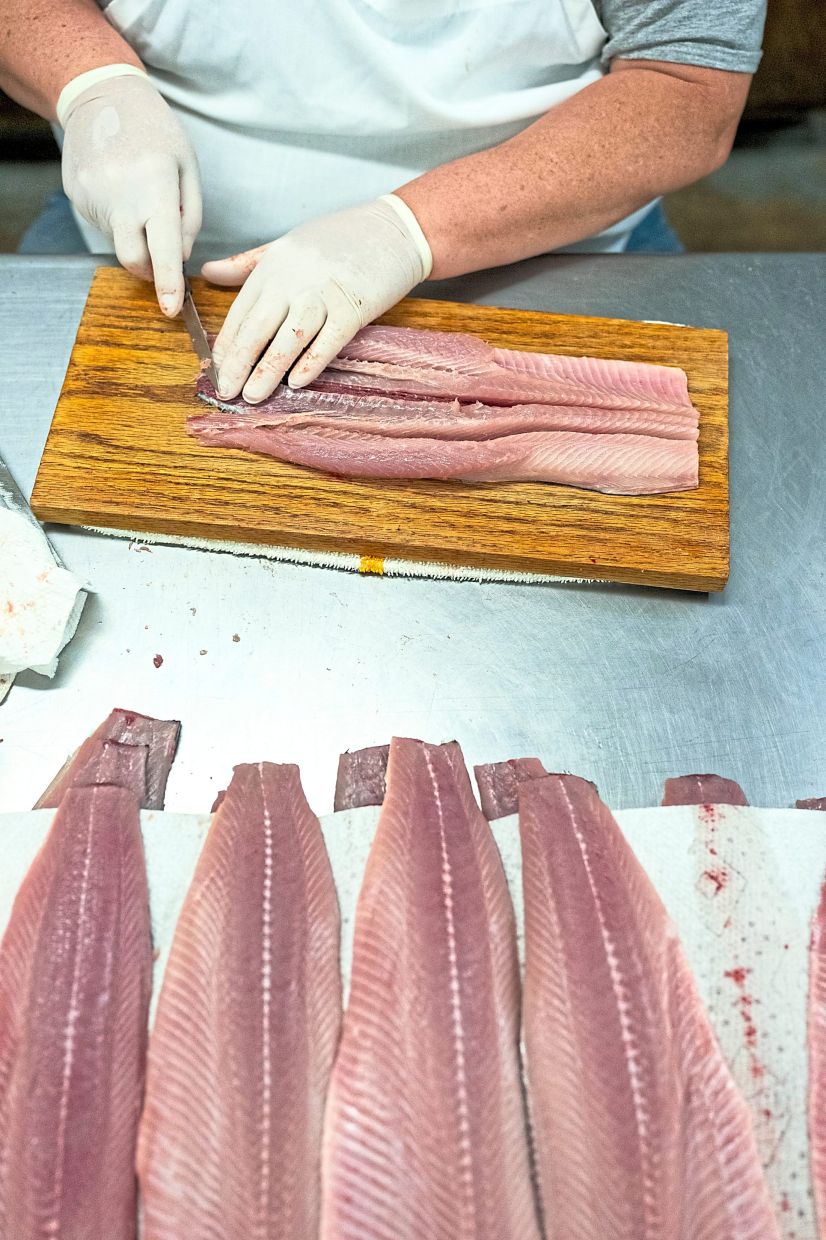
In addition to being greasy, shad can have more than 1,000 bones, requiring a second round of deboning after filleting.
It takes 11 or 12 cuts to bone a shad properly, while other round fish, like trout, require only three.
Like shad fishermen, experts at the task are hard to find. It’s why Russell, who is in his mid-70s, has put off his retirement.
Shad, he said, “is part of the heritage around here, and there are still people who want it. I had customers in their 90s telling me how glad they were I was still doing it. I couldn’t stop, for their sake.”
This spring, Russell persuaded Lisa Kerr, the owner of Atlantic Seafood in Old Saybrook, Connecticut, to take over deboning operations at the Essex festival.
“He brought down his own staff to teach our employees how to do it,” Kerr said. “Even though it’s a short season, we have demand.”
Her shad-passionate customers trade recipes, she said, while waiting in line to get their fish.
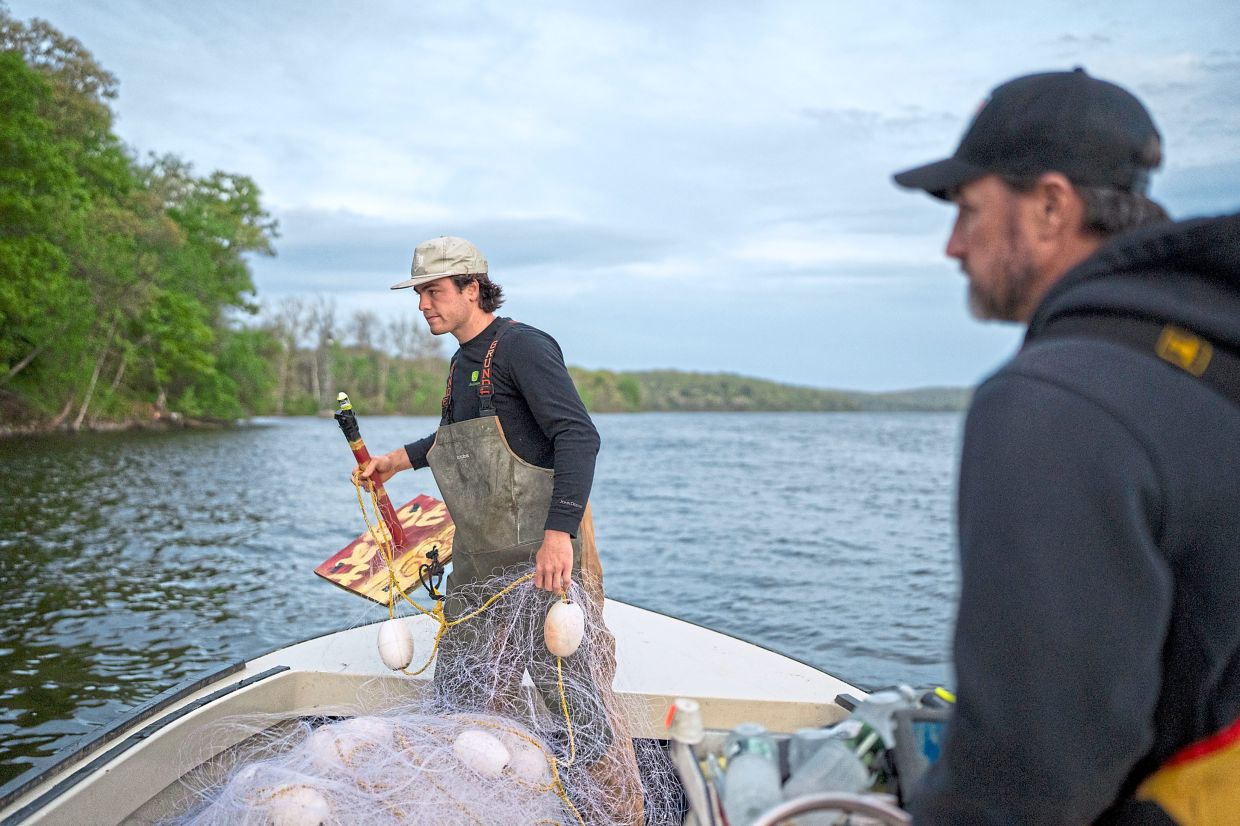
Russell also persuaded a 21-year-old, Cole Dobratz of Old Lyme, Connecticut, to commit to shad fishing.
A third-generation fisherman, Dobratz said he is one of the few people his age he knows who eats shad or is even aware of it.
In other places, shad festivals are more about tradition and cultural identity than eating the fish.
The Shad Derby held in mid-May in Windsor, Connecticut, began with a shad fishing derby 71 years ago. Shad is not one of the food offerings at the festival, said Patricia Bruhn, a Windsor native and president of the town’s Shad Fest Bureau. She hasn’t seen it at the event for decades.
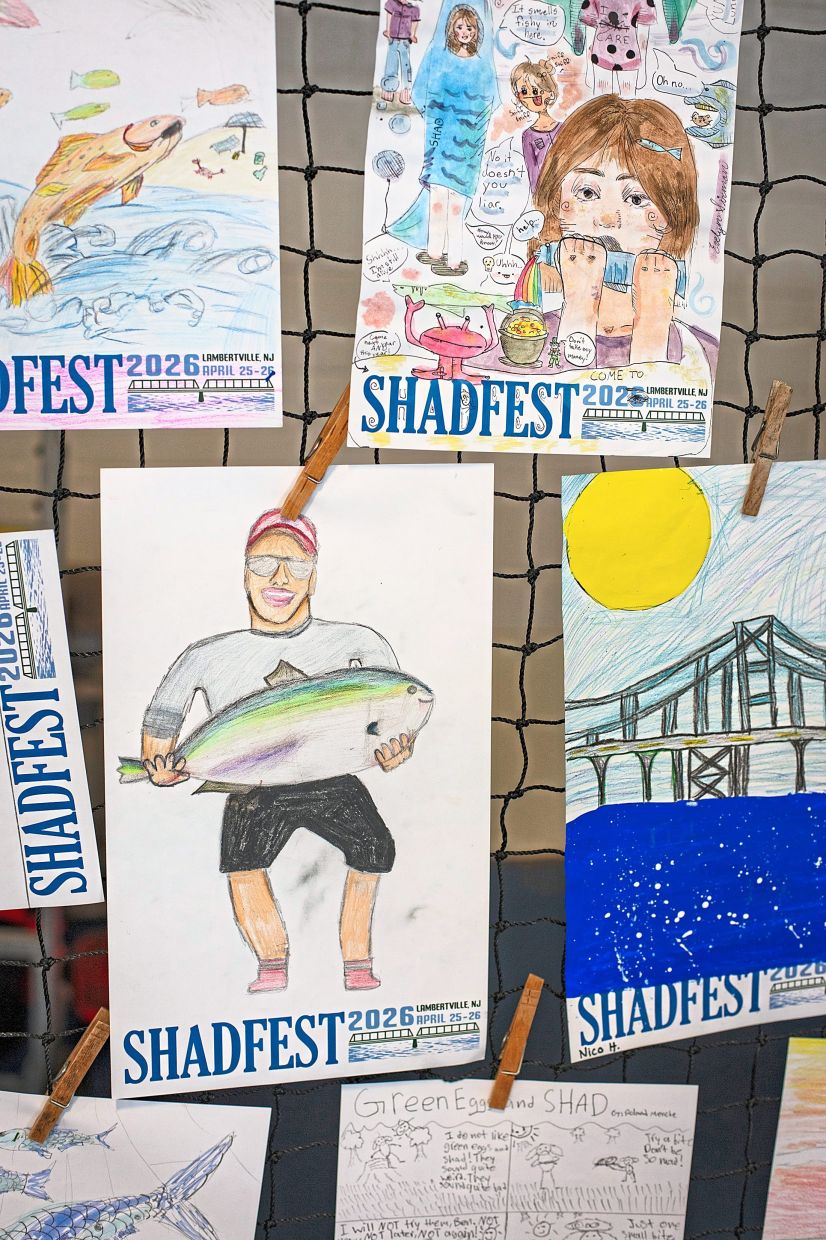
One of the largest shad festivals in the Northeast is ShadFest, celebrated in Lambertville, New Jersey, around 100km from Valley Forge on the Delaware River.
This year, local restaurants served shad roe and shad burgers, but in recent years, it’s not uncommon for shad not to make an appearance on menus at all.
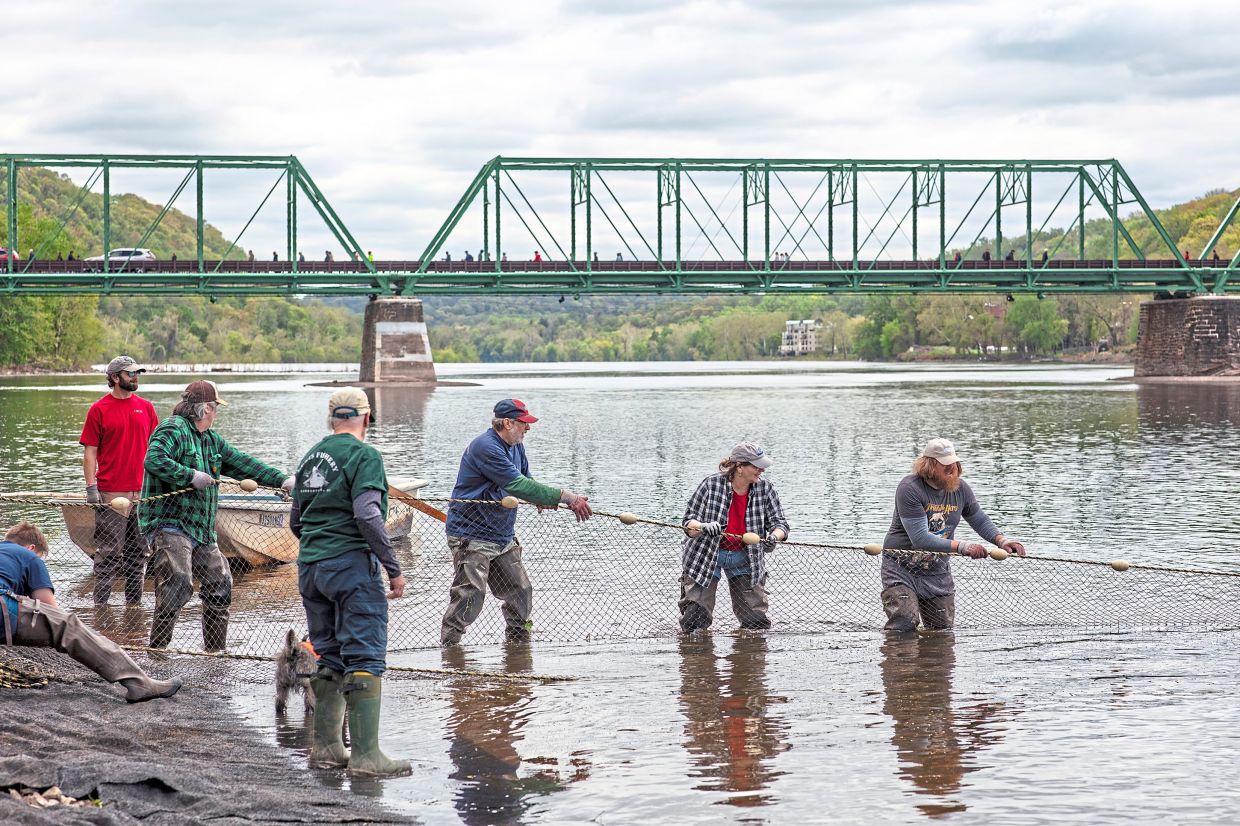
There are, however, fishing demonstrations by Steve Meserve, whose family members fish shad from their compound on Lewis Island, in the Delaware.
Meserve said that while his great-grandfather made good money fishing shad, now it is a seasonal job at best — and then only for those with other income sources. Meserve works full time in information technology.
The Lambertville festival organisers said the local lore about shad feeding the American troops keeps interest in the fish alive, even if few people still eat it.
But Ricardo A. Herrera, who wrote about Revolutionary War military provisions in Feeding Washington’s Army, said the legend of Valley Forge shad is likely untrue.
“Congress created a complex, although often inefficient, commissary system to requisition food for the army. They weren’t expected to fend for themselves,” Herrera said. “Despite being hungry, soldiers simply didn’t have the time to spend hours fishing or hunting for food.”
Still, shad had its place in the war. Thousands of kilogrammes of smoked, pickled or salted shad were procured by Congress to feed troops, including fish from Mount Vernon.
Some preserved shad may have eventually made its way to the encampment at Valley Forge that fateful spring. In May 1776, Loyalists from Redding, Connecticut, were captured sailing undercover as shad fisherman to Long Island, New York, to join British troops there.
Now the fish has evolved with American life into a sought-after food in immigrant communities.
Meserve said some of his repeat customers in New Jersey hail from West Bengal, India, and from Bangladesh. They use shad as a substitute for hilsa, a South Asian fish also related to herring, that is cooked in mustard sauce or curry.
Chaz Brown, a Philadelphia chef whose family hails from Trinidad, sees the potential for shad as a substitute for kingfish, a large mackerel with similar oily properties that is stewed, grilled and fried. He will be serving deep-fried shad at his restaurant Rumblefish when it opens in August.
Brown said he is particularly interested in the American heritage of shad because of his restaurant’s location.
“We’re in the Fishtown, the area of Philadelphia named specifically for the shad fisheries that operated here until the early 20th century,” he said. “As a seafood place, it would be crazy not to serve shad in season if we can.”
Russell, the Connecticut shad fisherman and evangelist, knows the historic value of his catch and believes shad is also a sign of hope.
“The shad are a part of the whole spring experience like the flowers blooming, the fiddleheads popping up and the new green grass,” he said. “When the shad start running, you know winter is finally over. Everything is coming alive.” – © 2026 The New York Times Company