Julienne Mukelenge no longer worries about toxic fumes or power cuts when cooking at her home in Goma, in the eastern Democratic Republic of Congo, after switching to biogas, a renewable energy source that is cheaper and locally produced.
"Electricity is expensive, but with biogas it's very economical," she said, standing in her kitchen, where blue flames licked the sides of a bubbling pot of that night's supper.
Most of the city's nearly one million people cannot afford to use electricity and mostly depend on charcoal, called makala, for cooking and heating.
But the cost of a bag of charcoal has shot up after Goma, a strategic regional capital in the east, fell to the M23 armed group in January last year after fierce fighting with government forces.
The Rwanda-backed M23 was long dormant, but took up arms again in late 2021, capturing swathes of eastern DRC and sparking a mass displacement of people.
After seizing control of Goma, the M23 banned logging in Virunga National Park near the city on the grounds it helped fund pro-Kinshasa militias, leading to the rise in the price of charcoal.
"Before, I used to buy one bag of charcoal for a month," said mother of two Romaine Kanyere.
But with "the rise in the price of a sack of charcoal, gas is less expensive here", she added.
A 6kg cylinder of biogas, costing US$8 (RM31.30), covers the needs of a household of three to five people for nearly two weeks, compared to US$30 (RM117.34) a month for charcoal.
Eco-friendly fertiliser
Biogas is produced by the decomposition of organic matter.
It has been made in Goma since 2016 by Umoja, a local company whose stated aim is to offer an alternative to firewood, which destroys forests.
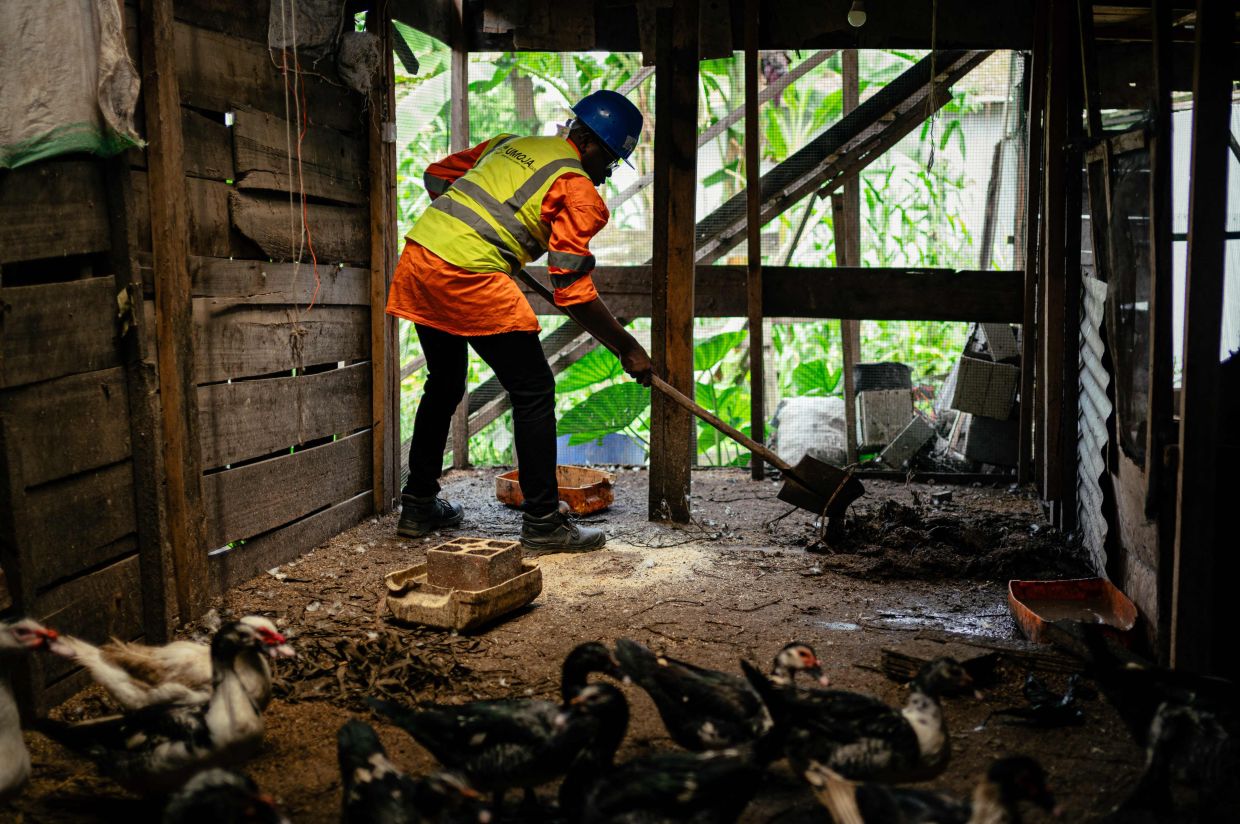
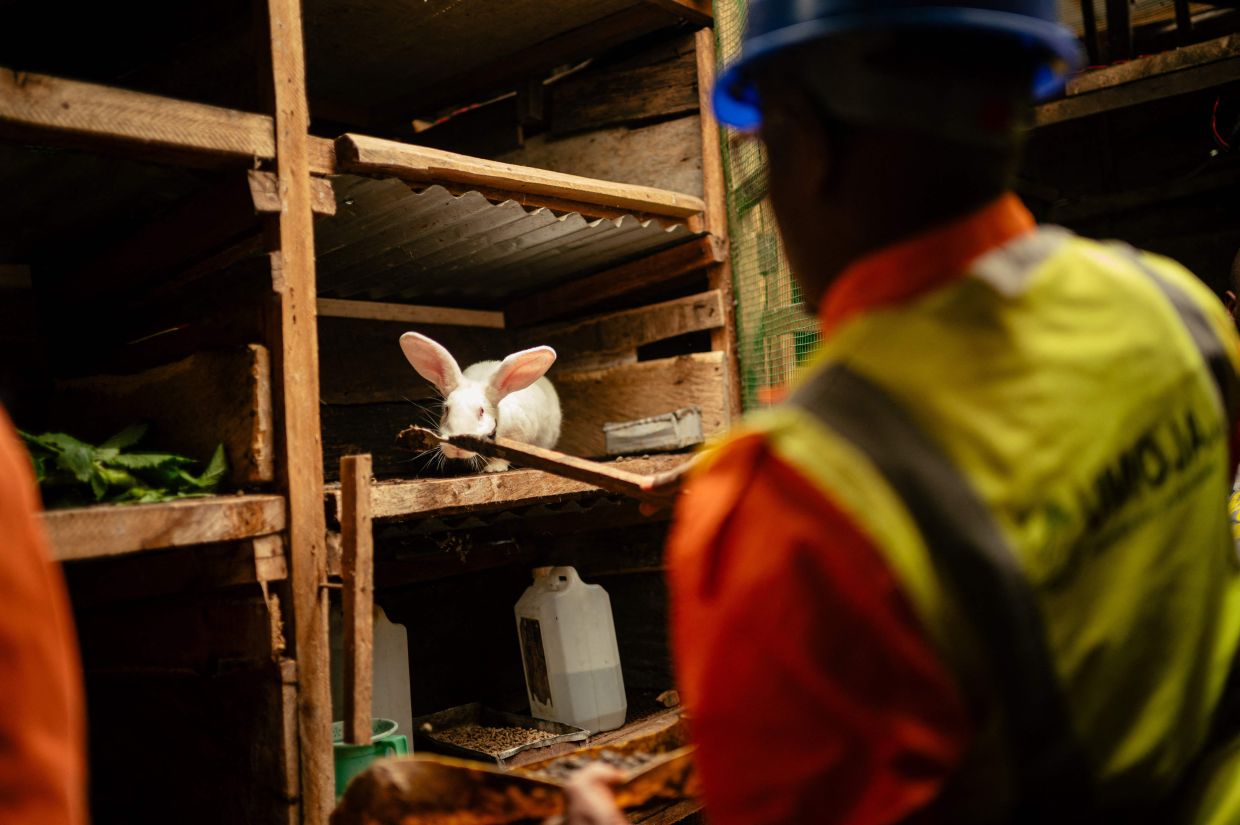
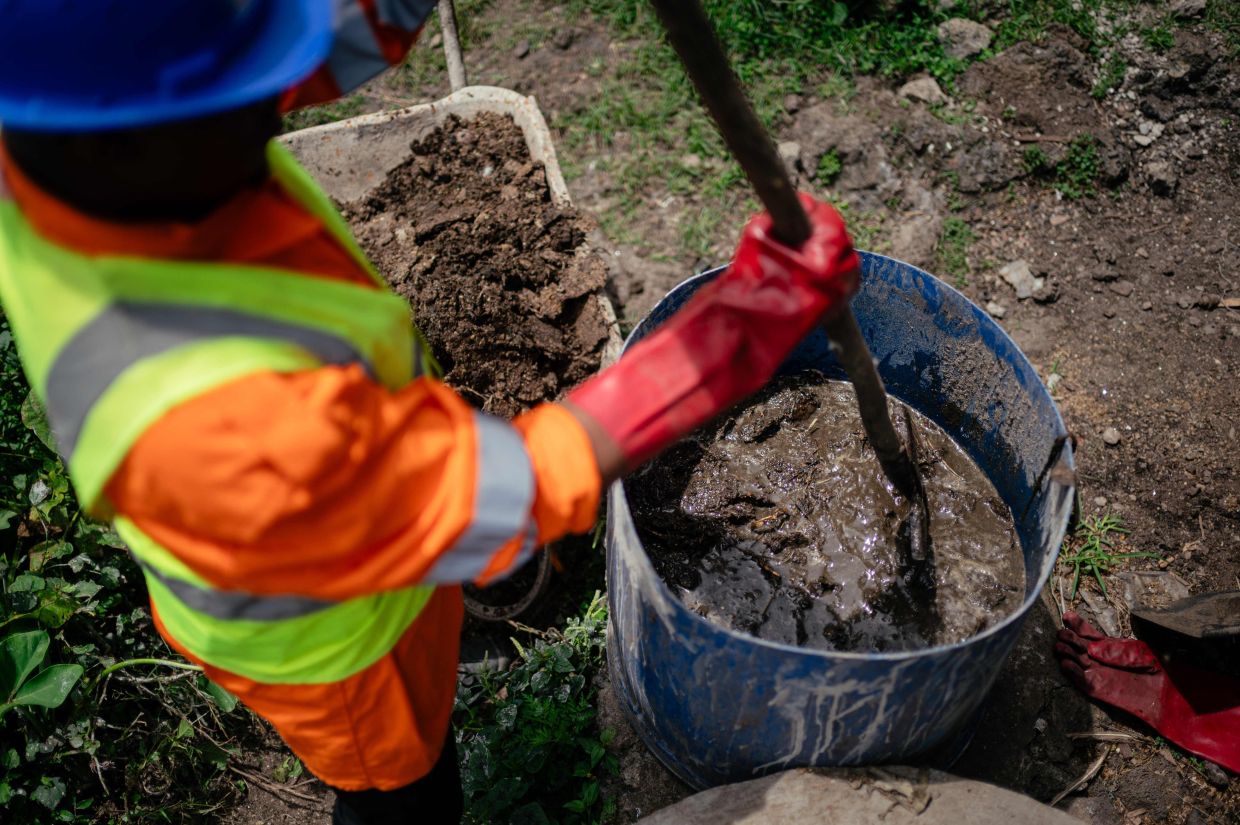
Yves Rubarura, an Umoja employee wearing overalls and safety goggles, collects "30 cartloads" of droppings every week from chicken coops belonging to the company and local partners to fill the biogas digesters.
These are cement pits where the waste is converted into methane before being bottled.
He said Umoja had constructed around 50 biogas digesters, which are easy to build and operate, in the region.
The firm says it distributes 720kg of biogas to its customers every month.
Production remains small-scale and limited for the time being.
In Goma, residents lack the space and resources to install their own biogas digesters, said Umoja director Victor Materanya.
Storage is also an issue, given the lack of suitable equipment to pressurise the bottles.
He nevertheless hopes to roll out the technology in rural areas, where farmers who supply the compost can then recover the fertiliser produced at the end of the anaerobic digestion process.
Serge Bashonga, an environmentalist in Goma, said producing this type of natural fertiliser can reduce the use of chemical fertilisers and the environmental damage they cause.
Biogas also helps to reduce the "toxic fumes from waste incineration" that pollute the air in the city and affect the daily lives of its inhabitants, he said. – AFP