
Rats have long been part of life in Paris. They startle tourists, dart across streets and scurry through parks, becoming a familiar – and sometimes unwelcome – sight for residents.
The city's rat population is often said to outnumber its roughly two million human residents.
Left Party lawmaker Sophia Chikirou says there is a "rat crisis" she blames on the previous socialist-green city council.
"There are now between four and six million rats living in Paris, which is two to three rats per inhabitant," she says. "The figure has risen by 50% since 2015, making Paris the city with the fourth highest rat population per inhabitant worldwide."
However, there is no solid evidence to support these figures. But she is urging Paris to invest more money in "deratisation", as rodent control is called in French.
Cities like London and New York invest much more money in controlling rat populations, she says.
Abundant food waste on the streets, fuelled by tourism and takeaway culture, encourages rats to multiply in sewers, metro tunnels and basements, she notes.
Rat catchers
Paris has been mobilising against rats for a long time. The latest action plan, launched in 2017, not only focuses on extermination but also reducing accessible food waste.
Special grids are designed to stop rats from coming to the surface from sewers and shafts.
Citizens are also able to report rat sightings via an app called Dans Ma Rue (In my street). They can also provide photographic evidence, if they wish.
In the fifth arrondissement district, a "citizen brigade" of volunteers is supporting the anti-rat campaign by monitoring traps, laying bait and reports new rat holes.
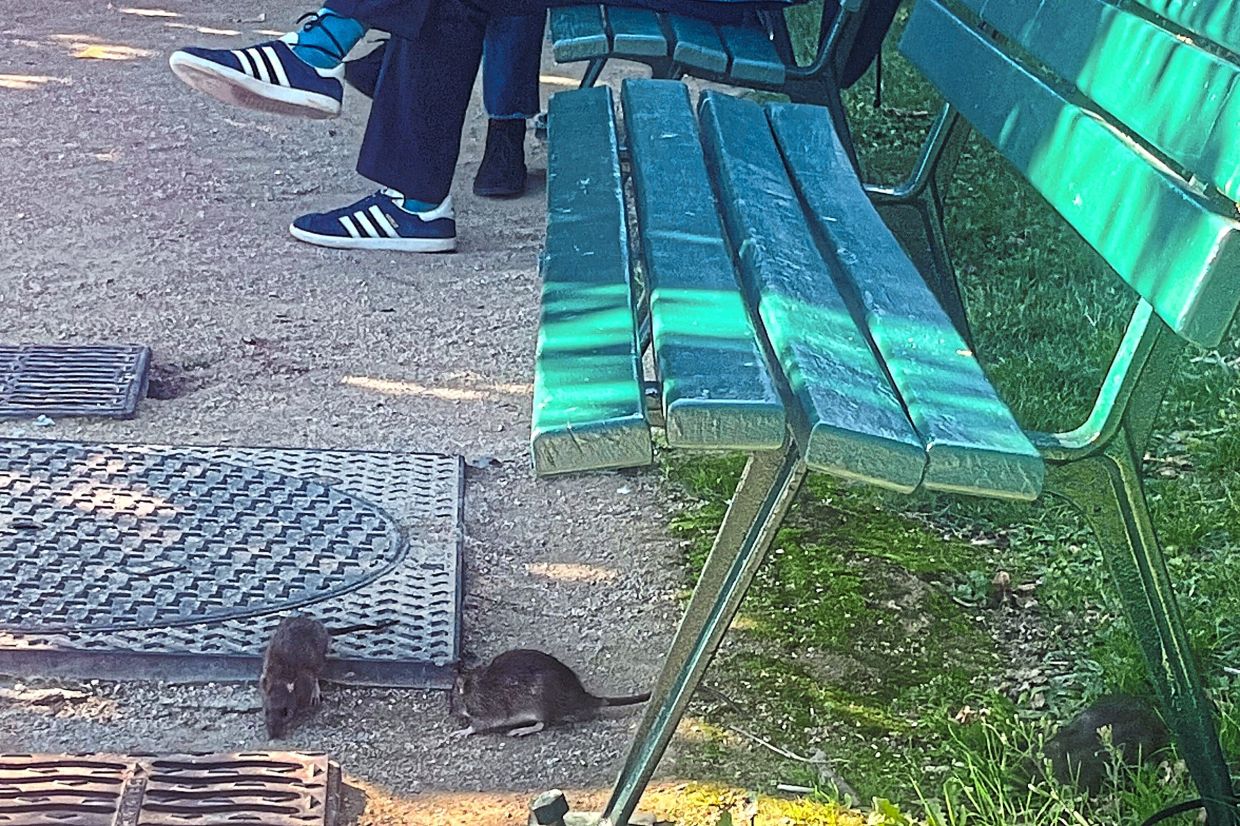
City officials say pest-control teams respond around 7,000 times a year. They also caution against sensational estimates of three to six million rats.
"These figures are unrealistic, as no actual count has been carried out. And for good reason: such a count is very complex in cities," the city notes.
"In winter, for example, they are less numerous than in summer."
Whether victory in the fight against rats is even possible remains doubtful.
As early as 1901, Paris organised a competition to find the city's best rat catcher – without success, as the newspaper Le Figaro reported at the time.
"The rats in Paris learn very quickly how the traps work and manage to skilfully remove the bait without being caught," an article written in December 1901 states.
"The Parisian rat is a very special animal, by no means stupid, which has nothing in common with the coarse country rat or the naive provincial rat."
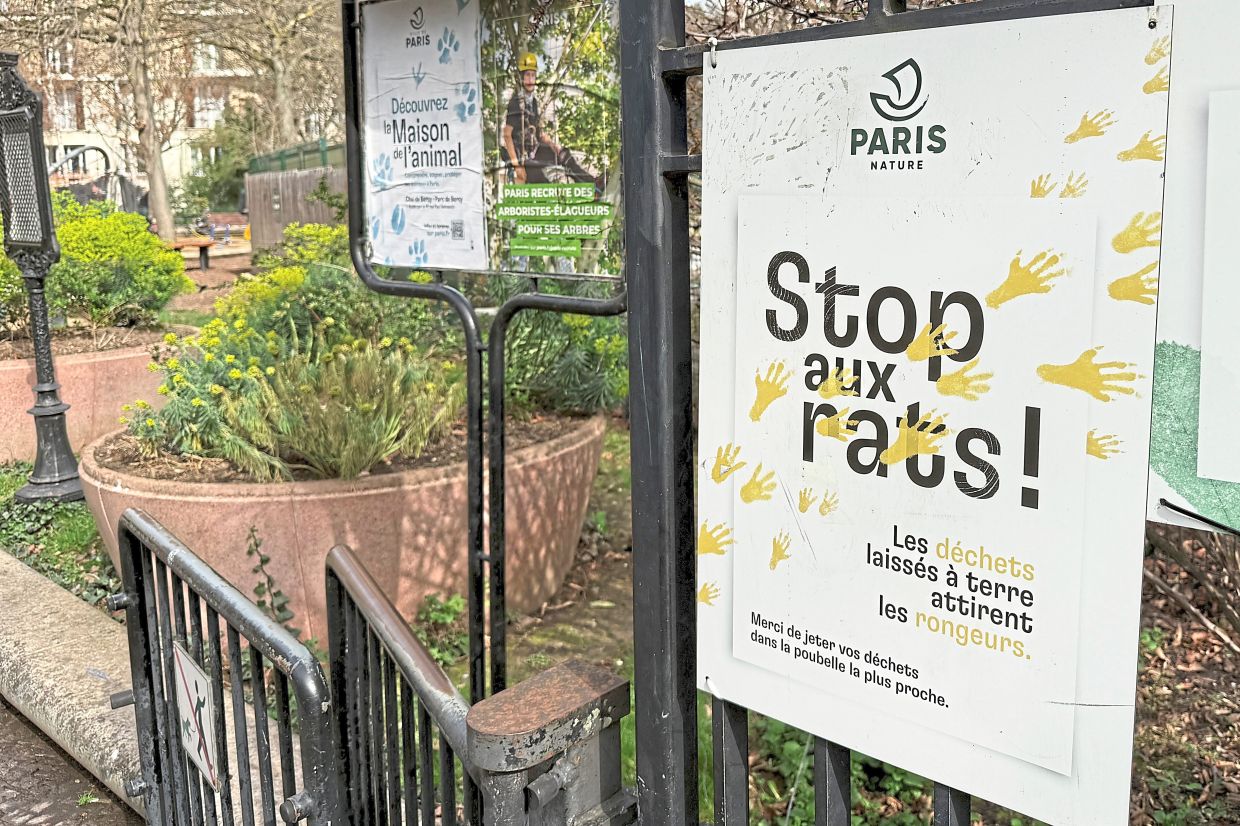
Promises, promises
The city's rodent problem has even crept onto the local election campaign trail, with mayoral candidates promising cleaner streets and tougher action to keep rats at bay.
"I will launch a large-scale plan to combat the rat infestation," promises conservative candidate Rachida Dati. "Paris cannot remain a city where you walk around rubbish and step over rats as if it were inevitable."
For an election campaign video, Dati rides along with the rubbish collection service and asks a refuse collector: "Don't you think there are more and more rats?"
It's a problem, he replies, adding that he finds them in the rubbish bags. "It's a real plague."
Public health concerns
Socialist candidate Emmanuel Gregoire also calls for greater cleanliness, proposing special municipal police brigades to patrol rat-prone areas if he wins this month.
"After all, the presence of rats is a real nuisance," he says in an interview with Le Nouvel Obs magazine. The problem must be solved, "because rats have no place in the public areas of Paris".
Centrist candidate Pierre-Yves Bournazel, aligned with President Emmanuel Macron, emphasises hygiene.
"My goal is to ensure that no rats are seen on the surface," Bournazel tells France Info radio.
"For reasons of public health and hygiene, the rats on the surface must be eliminated."
Bournazel promises to overhaul city cleaning services so that Paris can maintain the same cleanliness it displayed during the 2024 Olympic Games.
A political ally
So, should Parisians simply learn to live alongside rats? That's exactly what local politician and rat ally Gregory Moreau, running for the Animal Party, is advocating.
In December, he stood in a Paris market with a tame rat named Plume on his shoulder, calling for more understanding for rats.
Instead of killing them, he says, the amount of food waste in the city should be reduced and the rodents should be caught in problematic areas and released elsewhere.
"Rats have a bad image because they spread the plague in the 14th century," Moreau says.
This also prevents the city's sewer system from clogging up, he notes.
So it can be argued that in Moreau's view, these city critters are less villains and more unsung sanitation workers. – dpa