
Under a baking sun, agronomist Oliveiro Guerreiro Filho meanders through a hodge-podge of coffee plants at the Campinas Agronomy Institute in Sao Paulo where, unlike the uniform rows on most Brazilian coffee farms, each cluster is different from the next.
This menagerie of coffee species – some squat, others soaring – includes 15 uncommon and non-commercial breeds such as racemosa, liberica and stenophylla, the genes of which could shore up future supplies of arabica coffee, researchers hope.
Scientists warn that crops of arabica – the world's most common coffee bean – will be severely affected by a rapidly changing climate, with output from countries including No.1 grower Brazil expected to decline.
Climate change could make 20% of areas now growing arabica globally unsuitable for coffee crops by 2050, a report from lender Rabobank said recently.
By introducing genetic material from more rustic coffee species into new hybrids, scientists at the research institute in Sao Paulo state aim to create more resistant arabica varieties.
For example, liberica's hardiness in the face of hotter and drier conditions has drawn praise from farmers in Indonesia and Malaysia planting small plots of the species to see how they hold up against drought.
"Liberica can tolerate heat and high temperature environments very well, and it is disease-resistant," said Jason Liew, the founder of My Liberica, a coffee plantation in Johor, Malaysia.
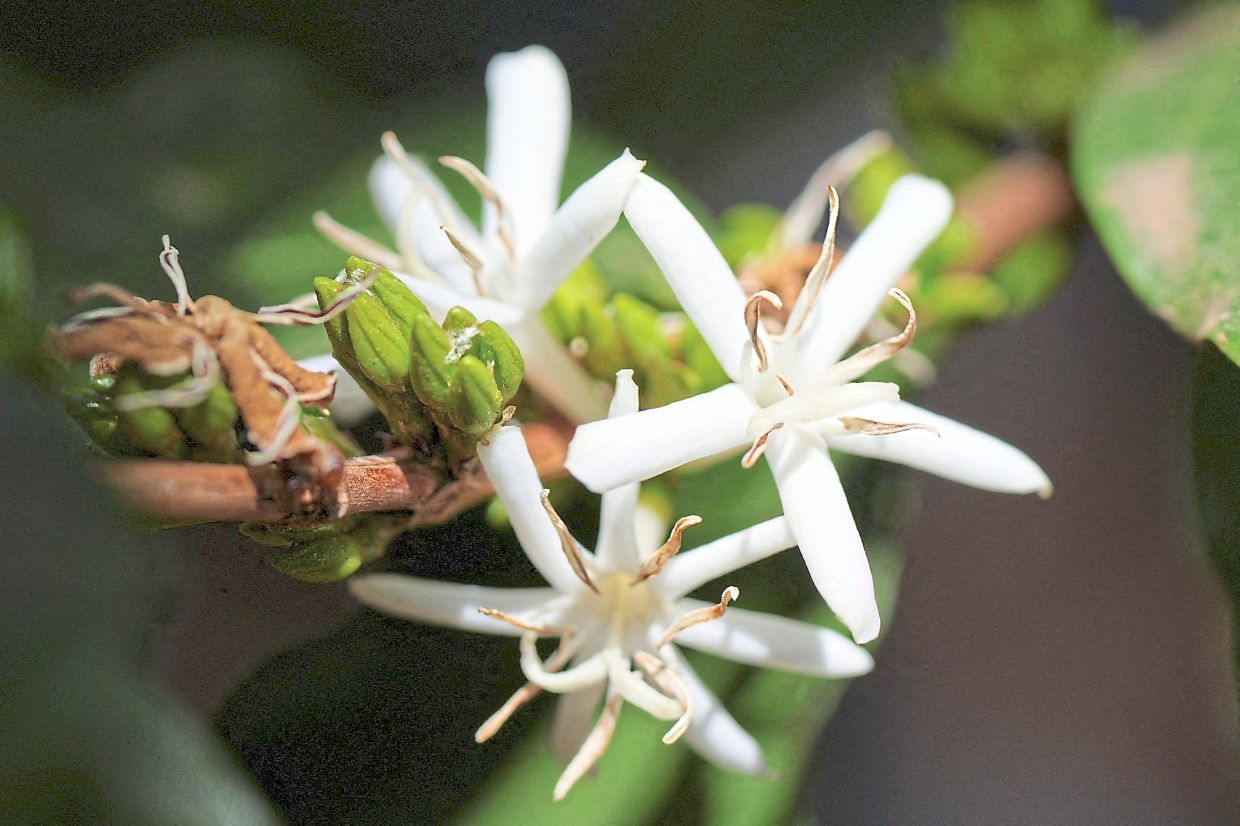
While farmers prize those qualities among less common species, the Brazilian researchers have specialised in bringing those traits to more productive and popular arabica plants.
"We've been working at the institute for many years to transfer drought tolerance genes from the racemosa species to arabica," Guerreiro Filho said. "We're trying to create drought-tolerant arabica varieties."
That can take decades of research. Scientists must produce cross-bred saplings and expose those hybrid varieties to harsh conditions in order to evaluate and identify the most robust plants, he said, a process that can take 20 to 30 years.
Hybrids are also tested for increased resistance to pests and diseases, as well as improved quality. Arabica crossed with liberica has proven more resistant to coffee rust, a fungal infection, for instance, while arabica bred with racemosa does better against larvae of coffee leaf miner moths, Guerreiro Filho noted.
That makes research like the studies underway at the institute key to the future of coffee, said Rodolfo Oliveira, head of Brazilian state research agency Embrapa's coffee unit.
"Working with alternative species of coffee ... is vital because arabica has an extremely narrow genetic base, making it highly vulnerable to pests, diseases, and climate change," Oliveira said, underscoring the value of introducing new, "wild" genetic material from less common species. – Reuters