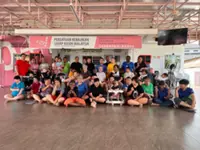
The Modesto Children's Museum (MoChiMu) in Modesto, California, the United States held its first sensory-friendly morning recently, on a Saturday. The museum opened its doors earlier than usual – at 8am – and for two hours, families with sensory needs had the place to themselves, with dimmed lights, quieter music and fewer people.
Sensory processing needs are common medical conditions in which the brain struggles to receive and respond to information from the senses. They are most often associated with autism, but can also affect people with post-traumatic stress disorder, dementia, Parkinson's disease and those recovering from a stroke.
MoChiMu typically has a maximum capacity of 200, but on Saturday morning, it was cut in half. Kids had more space for themselves to play without long waits or bumping into each other.
The museum is now certified as a Sensory Inclusive organisation through KultureCity, a non-profit focused on sensory accessibility and acceptance.
KultureCity Sensory Inclusive Bags were available to borrow at the front desk for visitors of all ages and abilities.
The bags include noise–cancelling headphones, fidget tools, compression vests and communication cards.
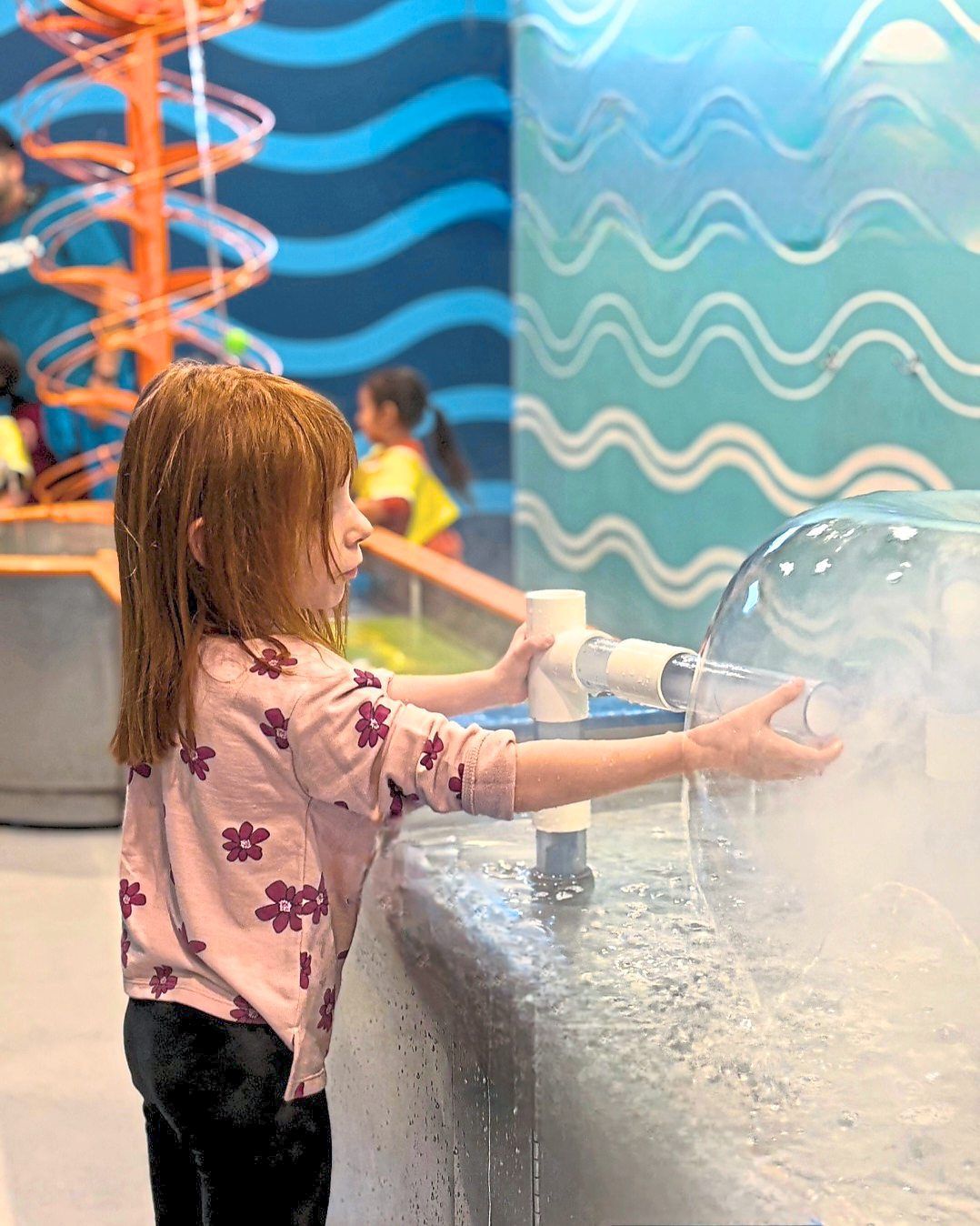
Signage around the play center indicated where visitors could expect loud "Headphone Zones" like in the water lab and lower-sensory "Quiet Areas." Additional activity stations – including a table with Play-Doh – were added with sensory needs in mind.
A private calm room, which MoChiMu has always had for kids needing a minute or for nursing parents, is now especially useful for moments of sensory overload. It has a textured, soundproofed wall and fidget toys.
One of the goals for Saturday was to get feedback from visitors to see when and how often they would like sensory-friendly hours to return.
"It will definitely happen again because the success this morning is obvious," said MoChiMu education and experience director Brian Krosnick.
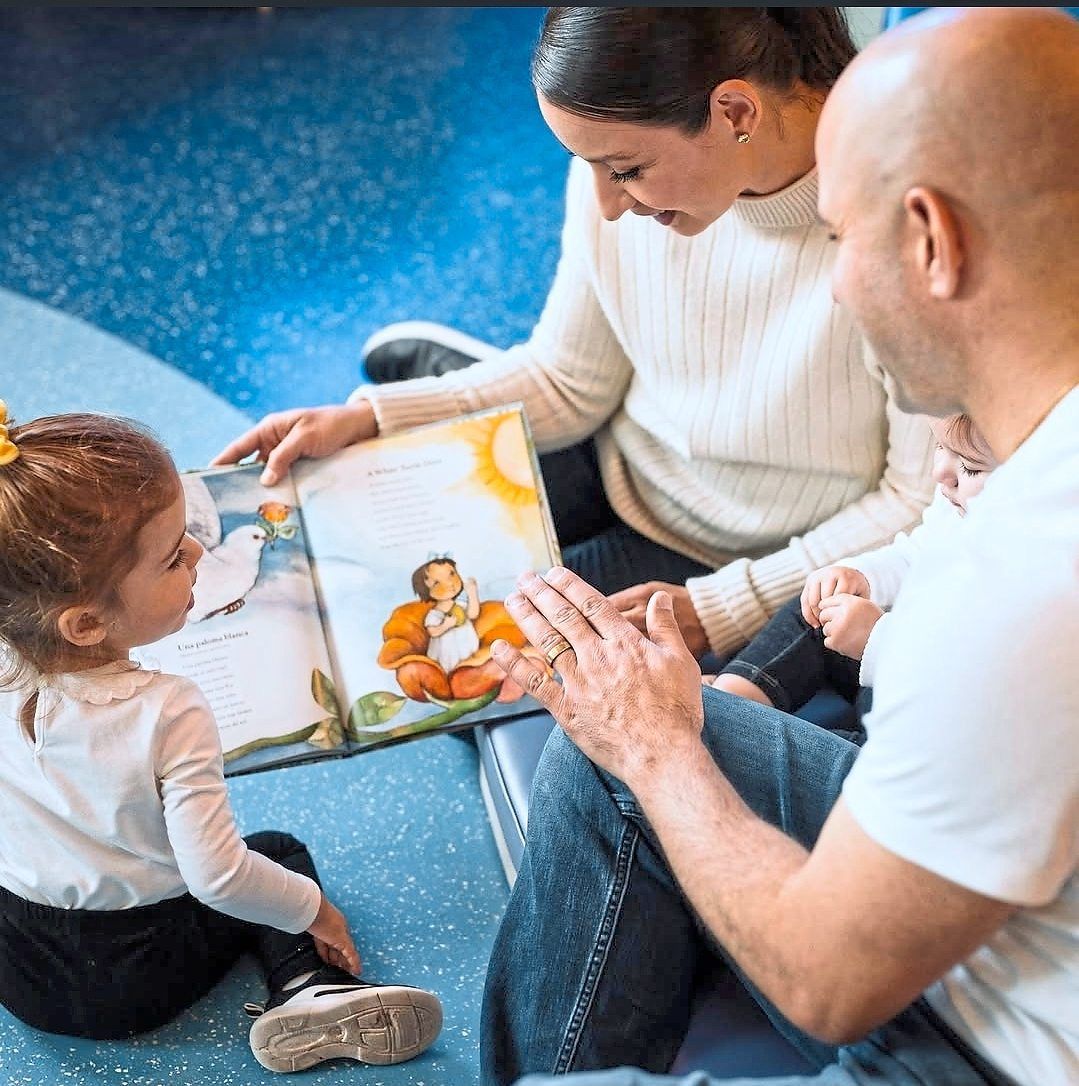
A Girl Scout's idea
Gregori High School senior Melania Farrens collaborated with the staff at the MoChiMu to create the sensory-friendly environment for her Girl Scout Gold Award project.
The Gold Award is the highest achievement within the Girl Scouts of the US.
Farrens, 17, said she was inspired by her two brothers who have autism. She also remembered going to a children's museum in Oregon as a kid and not being able to enter because it was during the sensory-friendly event.
Farrens first started at MoChiMu as part of its first teen volunteer cohort in summer 2024. The following spring, she pitched the idea to Krosnick and his team, who were very supportive. The Stanislaus County Office of Education in Modesto also helped with training.
Farrens visited other children's museums that have sensory-friendly hours and did research on the best way to make the space more inclusive. Some had dogs, she said, which she'd like to bring to the Modesto one as well.Krosnick said sensory-friendly hours are something that the museum had wanted to do for a while as part of its mission to enrich "the lives of all children."
He said it's a perfect experience for the team as it's less busy, and it gives them the opportunity to witness individual family interactions better.
"It's very rewarding in its own way," Krosnick said.
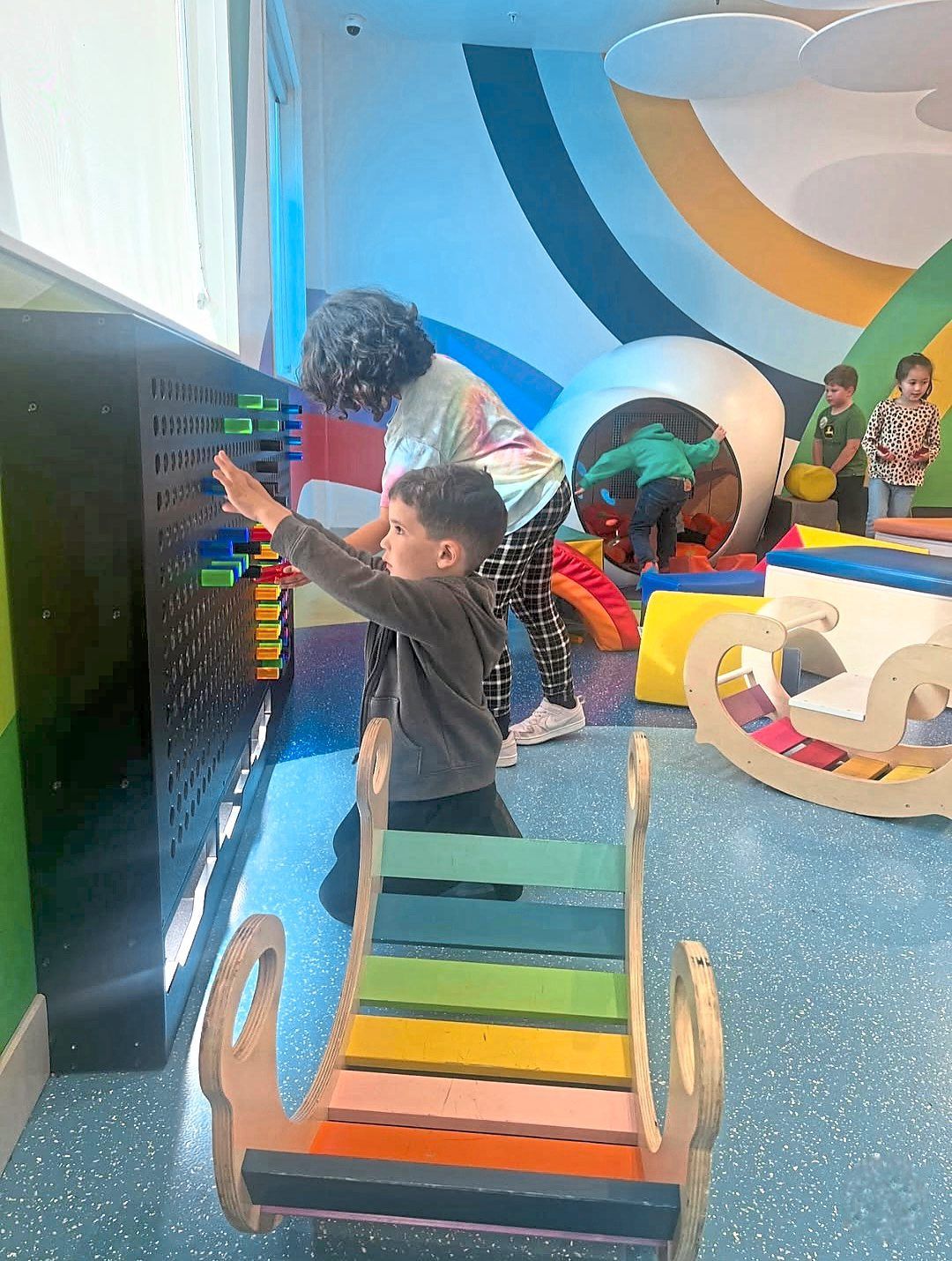
Judgement-free zone
Farrens said every parent she spoke to said they're loving the experience. Some, she said, told her that they had visited MoChiMu before, but had to leave early because it was too much.
Meta Pham said the first time she brought her son with autism to MoChiMu, it was too overwhelming. When she heard about the sensory sensitivity hours, she decided to give the place another go.
"He seems more comfortable running around," Pham said, adding that she would bring him again.
Pham said it's generally hard to find spaces like this to take her five-year-old son as people tend to stare or not understand. But in spaces like the sensory-friendly hours at MoChiMu, there's no judgment.
Tony Romano Riggs' son was splashing water all over the other kids and parents. Another parent told him, "I get how it is."
"When you're around more neurotypical families, you don't get that so much. Instead, you get the looks of confusion and judgment, disgust," Riggs said.
Riggs said his nine-year-old son doesn't often get to experience things that other kids get to, and that programmes like this are essential to his development.
"This is a lifeline to us," Riggs said.
For many of the parents, it was their first time feeling comfortable enough to visit MoChiMu's typically loud and chaotic energy.
Jose and Sara Castro brought their three-year-old, Gabriel, to the museum for the first time on Saturday.
"We found out about the day, and we felt comfortable bringing him," Jose Castro said. He said it's hard to find a safe space for Gabriel to play, but that he seemed to be loving it at MoChiMu. There are other sensory sensitive spaces in Modesto. Chuck E. Cheese also offers Sensory Sensitive Sundays, a programme the chain launched in early 2017 and has hosted at its Modesto location for about eight years. The events take place before regular business hours and are reserved for children with autism and other special needs.
During those hours, lights and sounds are dimmed, and employees receive specialised training to better accommodate and support participating families.
The Gallo Center for the Arts offers Sensory Accessibility Kits and holds sensory-friendly events. Every second Wednesday of the month, the State Theatre of Modesto offers are free sensory-friendly movie screenings. Brenden Theaters also offers sensory-friendly screenings. – The Modesto Bee/Tribune News Service