
The once-a-year chica blossoms that fall in several villages in the Pasir Mas district in Kelantan can be found in local delicacies like lepat and onde-onde.
The chica flower (Stereospermum fimbriatum DC) is more commonly found in Kedah, but its presence in several villages in Pasir Mas has turned it into a unique culinary ingredient.
Traditional kuih maker Meriam Muhd @ Mat, 78, said the collected flowers must first be cleaned before being dried in the sun for two to three days.
The dried flowers are then ground or pounded into powder and sieved to ensure no residue remains.
"This flower powder is first mixed with coconut milk, then combined with flour, grated young coconut and nisan (palm sugar) to give it a rich, sweet taste. It can also be modified by adding grated coconut or peanut filling,” she said.
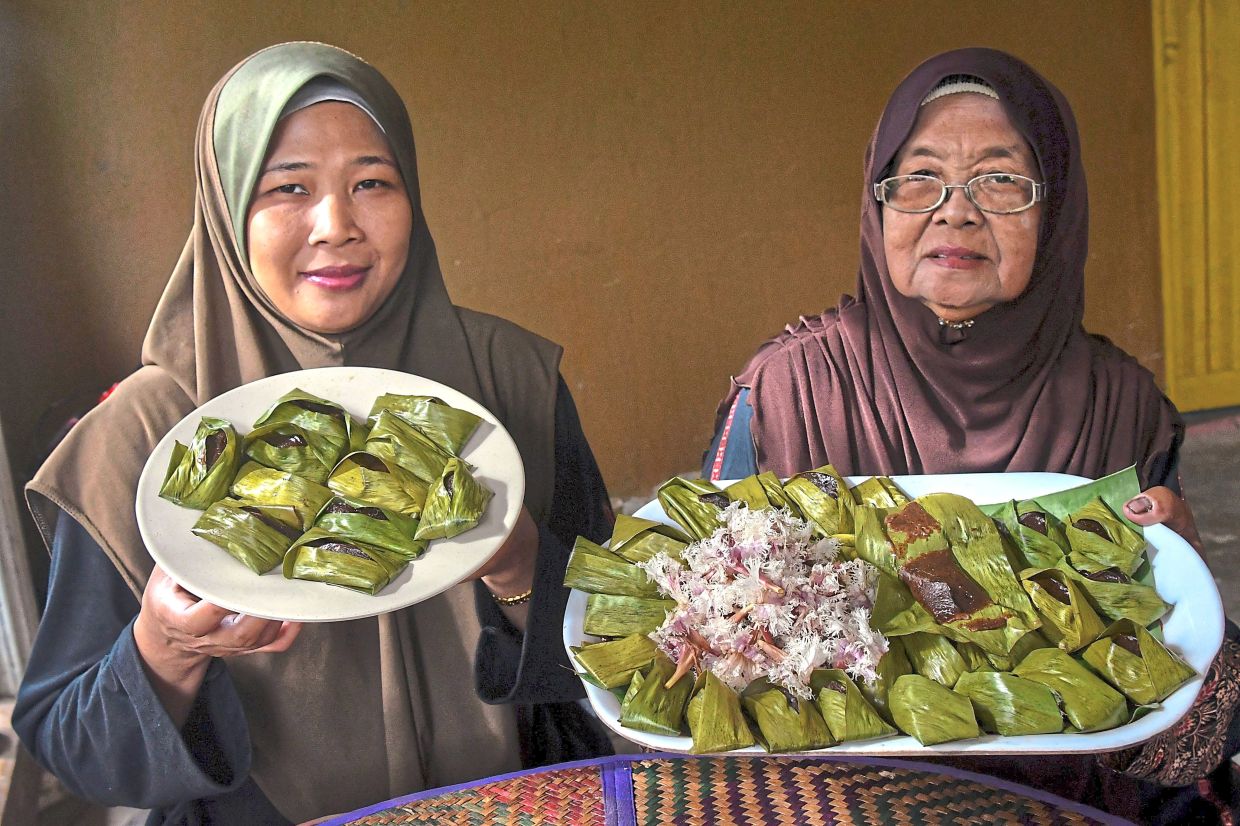
Meriam said that properly processed flower powder can be stored for up to a year, even though the annual blooming season occurs only for a short period.
Meanwhile, Kampung Tanjung, Bunut Susu resident Norihawati Che Seman, 46, said the blooming season used to be a lively event eagerly awaited by villagers.
She said the whitish-purple flowers fall only for about a month each year, usually between February and March during hot weather.
"It is similar to the sakura season in Japan. Villagers would quickly head out to collect the flowers scattered beneath the trees as soon as they fall,” she said.
Recalling her childhood, Norihawati said villagers, including children, would arrive early in the morning to gather the flowers beneath the trees, which can grow over 30m tall, creating an atmosphere similar to a festival.
Unfortunately, she said today's younger generations are less familiar with the chica flower.
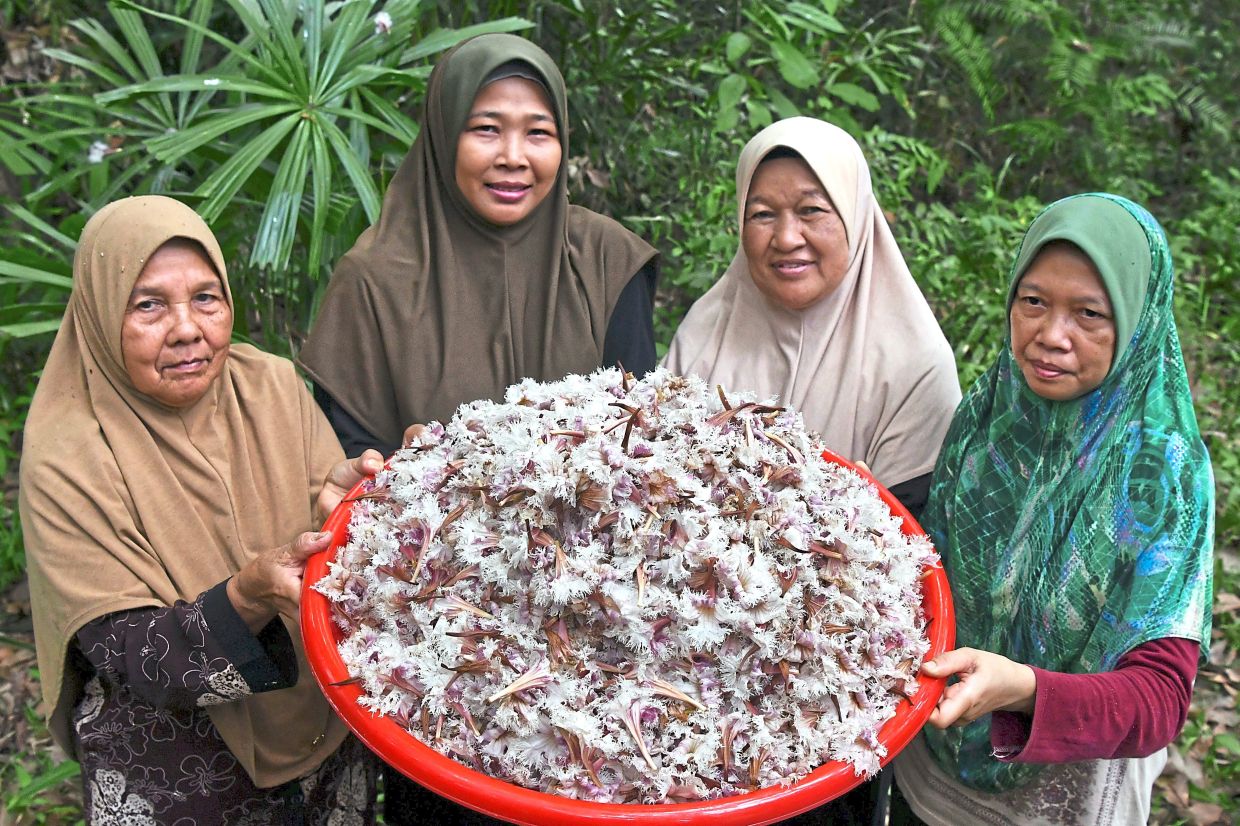
Sharing the same sentiment, Fauziah Che Daud, 71, said the flower-collecting activity was always eagerly awaited and usually took place between 7am and 10am after the flowers had fallen.
Zakiah Yahya, 57, the owner of the land where the tree grows, said it is a family legacy dating back more than 100 year ago, when her grandmother, Esah Daud, was still alive.
She said the area once attracted residents from nearby villages such as Kampung Jejulok, Aur Cina, Chenok and Anak Keranji who came to collect the flowers.
"In the past, people came in large numbers carrying big plastic bags. Some even arrived as early as dawn with oil lamps or ceduk, a lamp cover made from empty biscuit tins, just to collect these flowers,” she said.
According to Zakiah, although the raw flowers are rarely sold, some residents sell traditional delicacies made from chica flowers for about RM1 for two small pieces. – Bernama