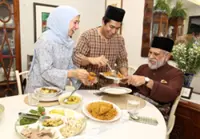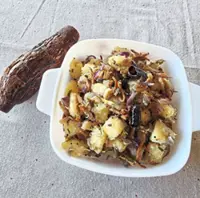
At 83, Dato’ Seri Abdul Mutalib Datuk Seri Mohamed Razak cuts a lively, sprightly figure. In his charming home in Damansara, he bustles about with purpose, ladling kuah onto his signature mee rebus as his daughter Mazuin Mutalib stands nearby, ready to help if required.
“It’s based on a family recipe that I inherited from my late mother and my aunty. When I went to university in the United Kingdom, I made it using whatever I could find there and when I came back, I perfected the recipe,” he says, smiling.
Abdul Mutalib is a jovial, impeccably well-mannered elderly gentleman who has led an illustrious, remarkable life, having served as a lawyer in private practice for decades. He was also the former chairman of Media Prima Bhd nearly 20 years ago and has also written a number of books. He is currently working on his own autobiography, which he hopes to complete shortly.
Yet, despite all his accomplishments, it is clear that family remains a central feature in his life, with food a unifying force in drawing everyone together.
This love of food draws back to his childhood in Perak, where he recalls his mother and grandmother being pivotal culinary figures in his life.
“In those days, we used to go to the market every day and there was no fridge when I was growing up, so someone had to cook every day. I think we only got a fridge sometime in the 1960s.
“So I used to see my mother and grandmother cook. It was more or less a Malay-Indian mixture because my forefathers came from the Indian subcontinent,” he says.
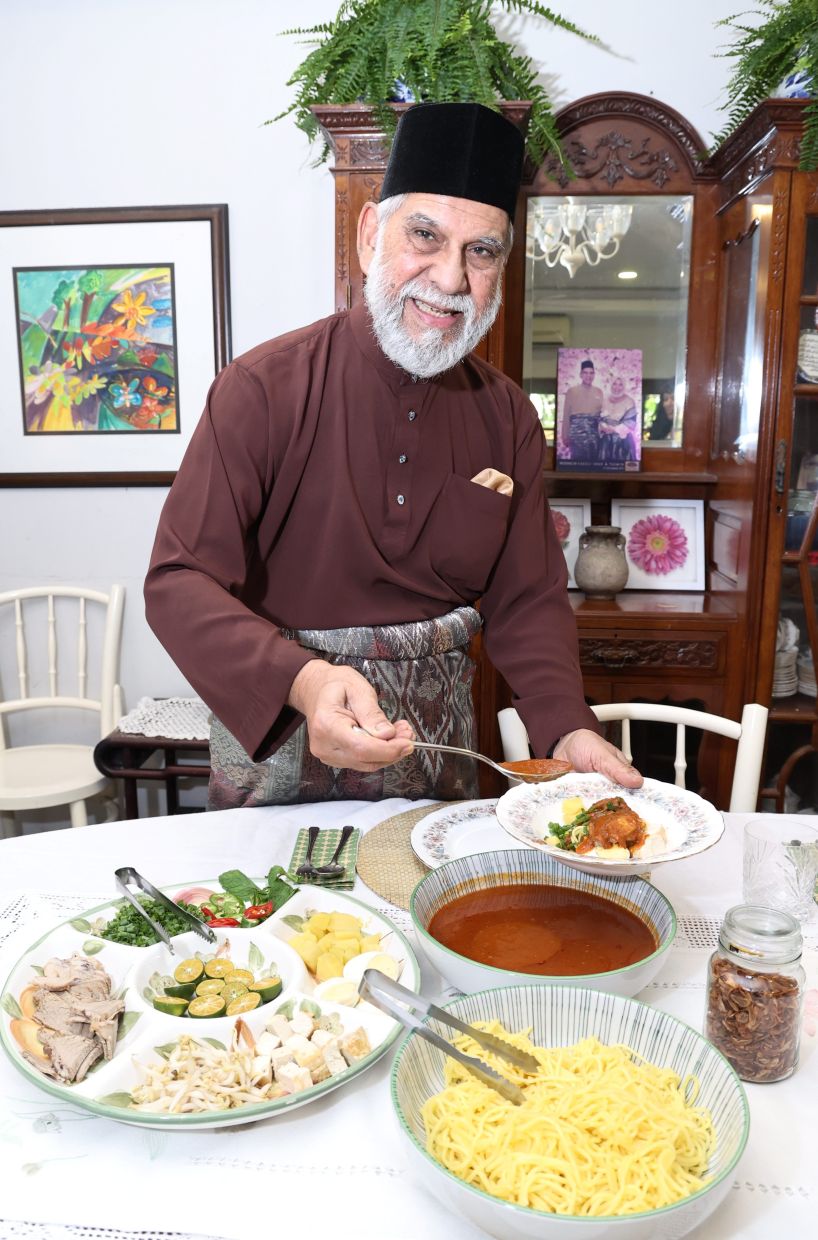
Abdul Mutalib says he only learnt how to cook properly when he went to study in the UK and took the trouble to write down all the family recipes so he could replicate them in England.
“I would call my friends over and they would say, ‘Oh, can you cook?’ And I would say, ‘I can cook on one condition. You have to cut the ingredients for me and wash up. I’m not going to do both’. So that’s how I started learning,” he says, laughing.
Since those fledgling years, Abdul Mutalib has continued making some staple dishes, the two main ones being the family’s favourite mee rebus as well as meehoon biryani, a dish that he learnt to make from his father’s Indian cook.
“My late father had a first-class cook, and he was the one who introduced this, and so we picked it up from there. And not many people do this,” he says.
Both Abdul Mutalib’s Hari Raya staple dishes are delicious mainstays that his children and grandchildren eagerly look forward to come the festive season.
His mee rebus is filled with a rich kuah (gravy layered over the noodles and toppings) buoyed by both beef stock as well as prawn stock with a tomato puree to temper the heat as well as a rich sweet potato base to round things out. Topped with noodles, bean sprouts, fried tofu and beef slices, this is a hugely satisfying, nostalgic meal that evokes images of home and hearth.
The meehoon biryani, meanwhile, is an ode to the spices so ubiquitous in classic biryani, transferred to an entirely different vessel in the form of the meehoon, which soaks up all these different elements and delivers a bombastic flavour bomb in every mouthful.
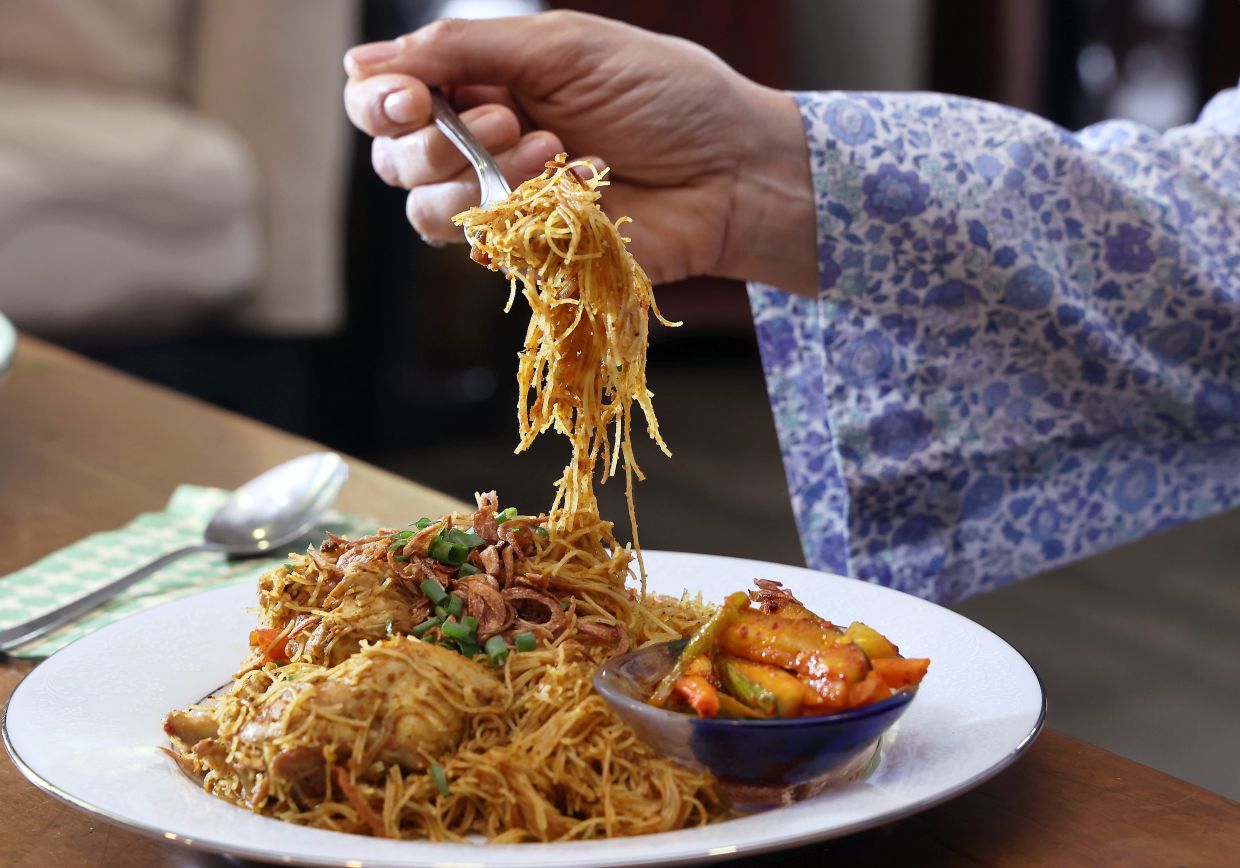
These two dishes have become so pivotal in Abdul Mutalib’s culinary repertoire that when he was in his sixties, he and his late wife actually started a home business to cater to friends and family.
“I had more time on my hands, and I started calling friends over and introduced my mee rebus and meehoon biryani, and they said, ‘Why don’t you start a business?’ So my late wife and I did it just for fun and our orders really picked up,” he says.
To this day, even at the ripe old age of 83, Abdul Mutalib still takes orders for these dishes and makes them for cherished friends. When we went to visit him, he had just accepted an order for 50 packets of mee rebus!
So beloved are these two dishes that Abdul Mutalib’s grandson, Tunku Muhammad Tunku Farahat Hussain, says that he is keen to learn how to make them and continue the family’s Hari Raya culinary traditions.
“I think it’s very important to at least know some recipes from your grandparents because that immortalises them and also you carry on the tradition,” says Tunku Muhammad.
To that, Abdul Mutalib smiles and says, “It’s part of life to move with the times, but to me, some things must be kept – at least for legacy purposes.”
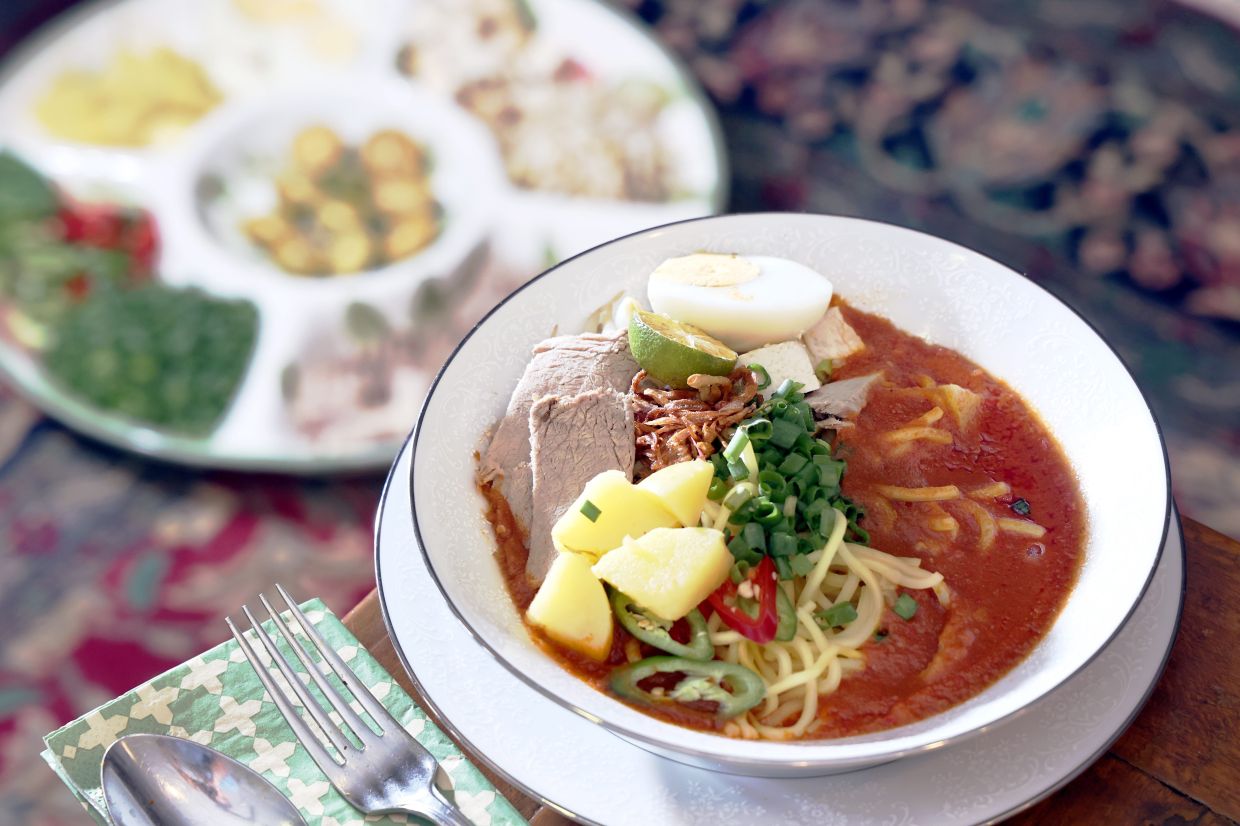
MEE REBUS
For cooking
1kg beef bones
30g fresh prawns, shells intact (small)
1 ½ onions, chopped finely
200g fermented soybean paste (tauchu)
300g dried chillies, soaked and blended
250ml tomato puree
300g medium-sized red/orange sweet potato, boiled and mashed finely
1kg yellow noodles
For the toppings
200g bean sprouts
200g spring onions
100g red chillies
50g cooked sliced beef
shallots, deep-fried (for garnish)
a few eggs, boiled
4 pieces tofu, fried
200g potatoes
a few limes, halved
In a pot, boil beef bones with 1 litre of water until it becomes a stock. Add more water if required. Set aside.
In a separate pot, boil prawns with some water until it becomes a stock. Set aside.
In a large pot, add oil and fry onions till translucent. Once cooked, add in tauchu and blended dried chillies.
Then add in beef bone stock and prawn stock. Stir together, then add tomato puree and mashed boiled sweet potato.
Once the gravy is cooked, add the noodles and garnish with bean sprouts, spring onions, red chillies, beef, shallots, boiled eggs, tofu, potatoes and fresh limes.