
Be they blended into smoothies or scattered across a lump of ice-cream or slice of pie, most people don’t need health-based reasons to get stuck into the likes of blueberries, blackberries, raspberries and strawberries.
Indulgent as such eating may sound, those who are fond of berries can rest easy knowing that a diet enriched with them likely means better long-term heart health.
Following a decade of tracking the eating habits of around 3,100 people, a King’s College London (KCL) team of nutritionists has found that those who regularly eat polyphenol-rich food such as berries “may have better long-term heart health.”
In research published in the journal BMC Medicine, the team concluded that foods containing polyphenols – compounds found not only in berries, but also cocoa, coffee, grains, nuts, olive oil, tea and wine – led to “lower predicted cardiovascular disease risk.”
“Even small, sustained shifts towards foods like berries, tea, coffee, nuts and whole grains may help protect the heart over time,” said Ana Rodriguez-Mateos, professor of human nutrition at KCL.
Rodriguez-Mateos and colleagues said that flavonoids and phenolic acids, which are forms of polyphenols, are of particular benefit.
“These plant compounds are widely available in everyday foods, making this a practical strategy for most people,” said Yong Li, also of KCL.
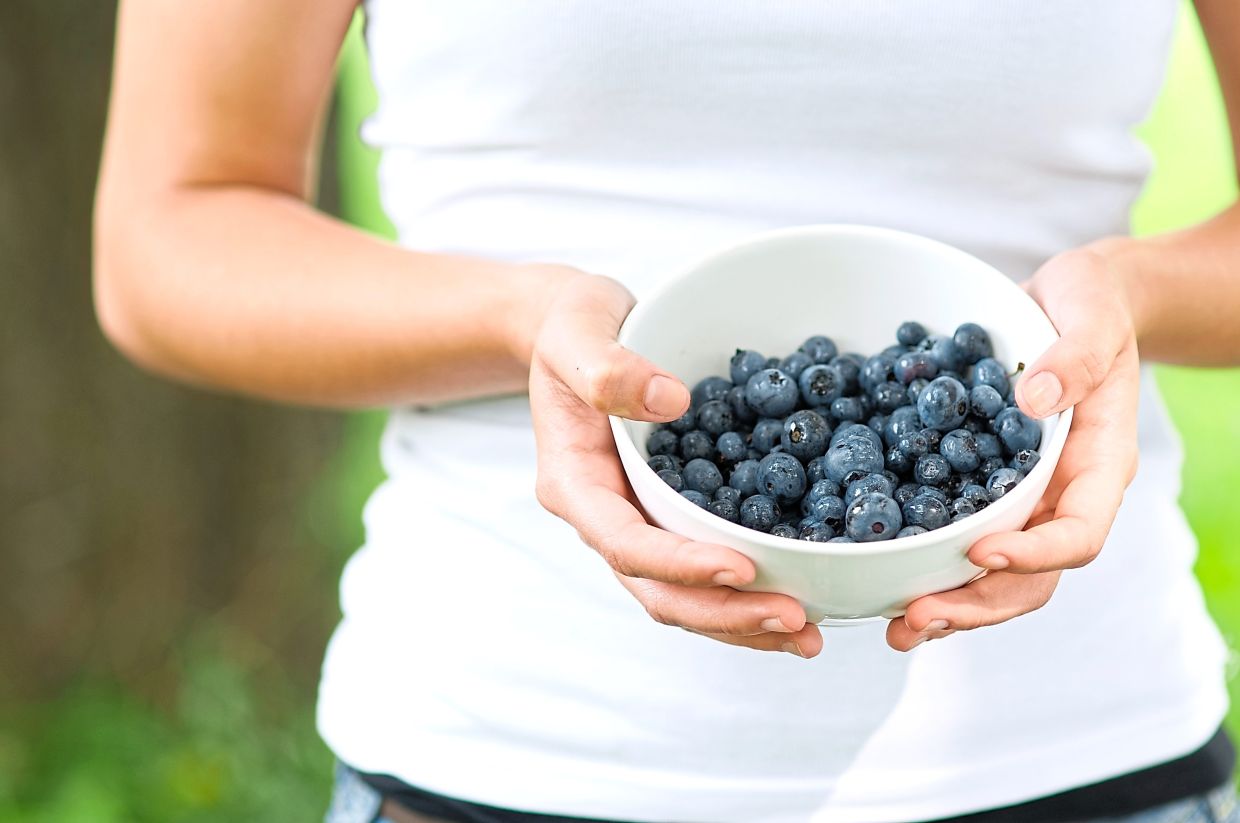
The market for berries is set to grow as their health benefits become as widely known and appreciated as their taste.
“Global blueberry demand is gaining momentum, led by North America and Europe,” according to food industry researchers at Rabobank.
“Asia offers long-term potential, with countries like India and Thailand showing early import growth. China, although the largest producer, still consumes less than 0.5kg per capita, highlighting room for expansion,” the Dutch lender’s analysts said in a recently published paper. – dpa