
After years of waiting, two new metro stations in Rome’s historic heart have been completed and opened with displays of archaeological finds uncovered during construction.
The Colosseo/Fori Imperiali and Porta Metronia stations are tourist landmarks in their own right, as they have been designed as museums themselves.
Serving passengers heading to the world-famous Colosseum and the Imperial Fora, as well as the ancient city gate Porta Metronia, the underground exhibits in the stations are taken from discoveries made during construction.
Rome’s mayor Roberto Gualtieri called the unveiling a "historic and beautiful moment" for both tourists and Romans. The two stations opened to passengers in mid-December.
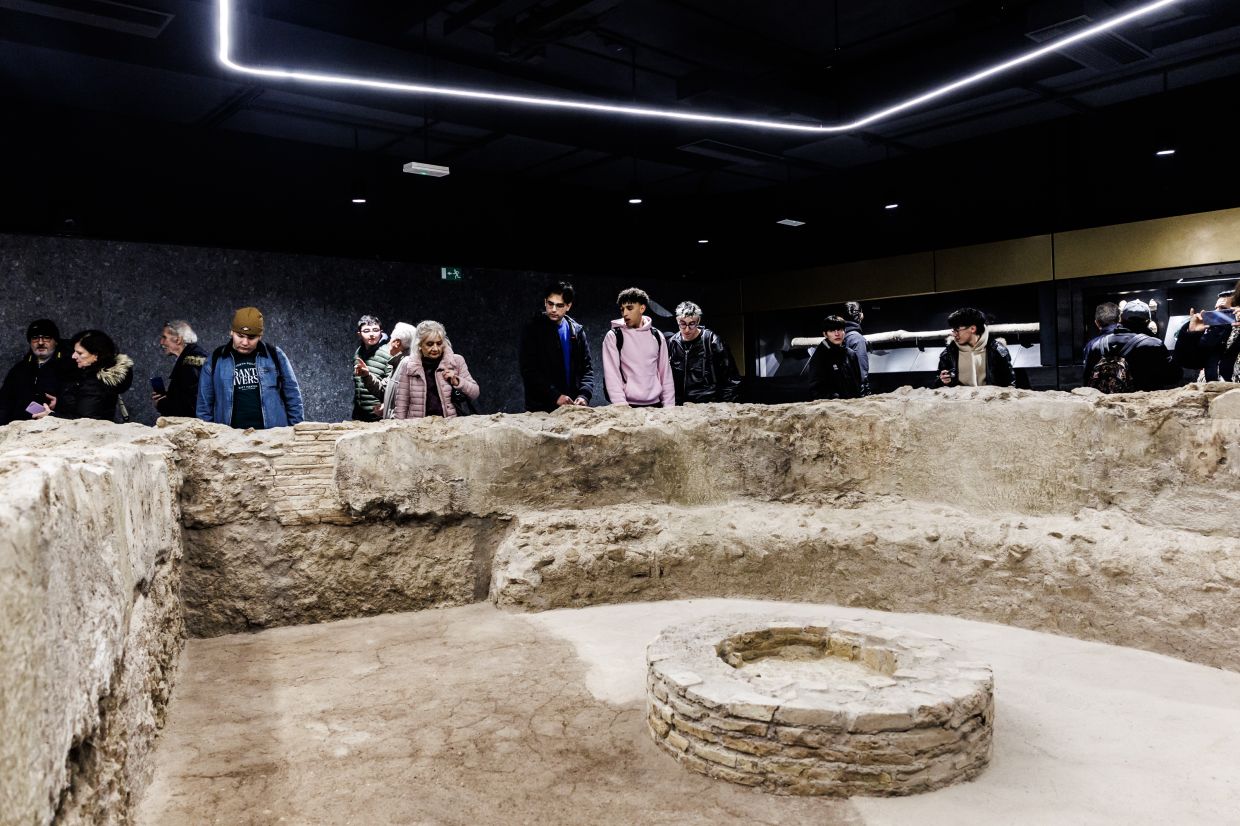
The new stops form part of an extension of the existing Line C, which until now linked eastern Rome only to the edge of the historic centre. The terminus had been San Giovanni near the Lateran Basilica.
In a city of about 2.7 million residents and several million tourists a year, there are only three metro lines.
Line C is to be extended in the coming years to Piazza Venezia and then to St Peter’s Basilica. In the longer term, it could also run north to the Olympic Stadium and the Foro Italico.
Work on the stretch from San Giovanni via Porta Metronia to Colosseo/Fori Imperiali began in 2013. Around 12 years were needed to complete roughly 3.6 kilometres of track.
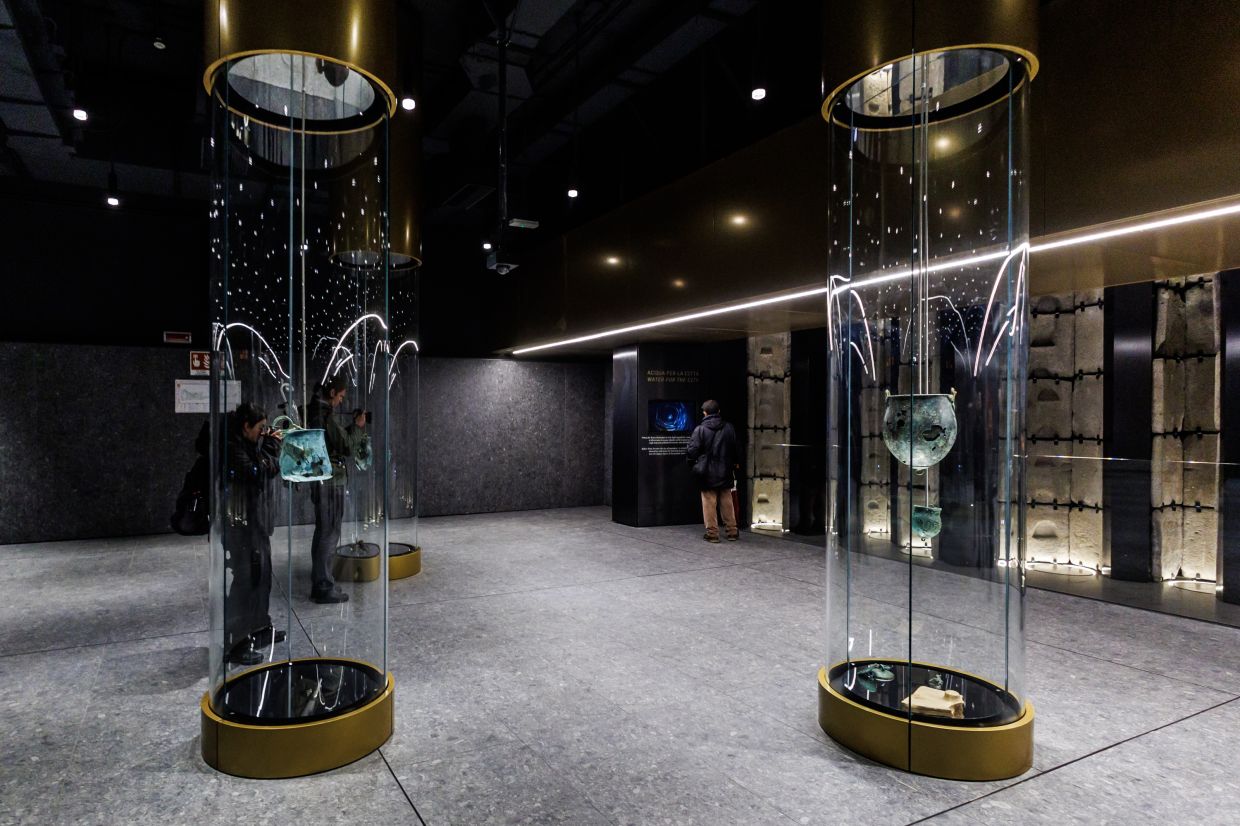
The long construction time reflects the archaeologically sensitive conditions, with workers repeatedly encountering significant finds. These are on view in glass cases and dedicated presentation areas.
At Colosseo/Fori Imperiali, which spans four underground levels and reaches a depth of 32 metres, passengers can view finds such as ancient Roman jugs, bowls and more on the way to the platform.
At Porta Metronia, where construction uncovered an extensive archaeological complex including a Roman barracks, the museum is separate and will not open until February. – dpa