Italian food is known and loved around the world for its fresh ingredients and palate-pleasing tastes.
The UN’s cultural agency gave foodies another reason to celebrate their pizza, pasta and tiramisu by listing Italian cooking as part of the world’s “intangible” cultural heritage.
Unesco added the rituals surrounding Italian food preparation and consumption to its list of the world’s traditional practices and expressions.
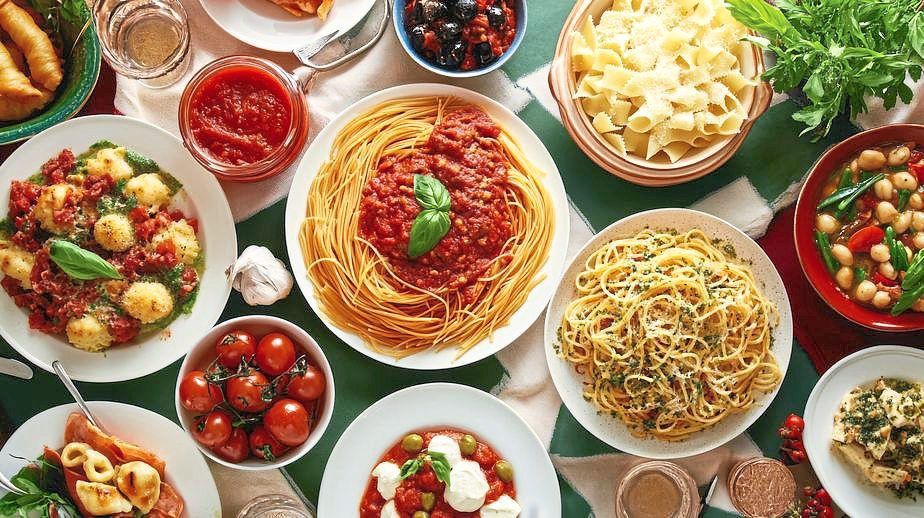
The citation didn’t mention specific dishes, recipes or regional specialties, but highlighted the cultural importance Italians place on the rituals of cooking and eating: the Sunday family lunch, the tradition of grandmothers teaching grandchildren how to fold tortellini dough just so, even the act of coming together to share a meal.
“Cooking is a gesture of love, a way in which we tell something about ourselves to others and how we take care of others,” said Pier Luigi Petrillo, a member of the Italian Unesco campaign and professor at Rome’s UnitelmaSapienza University and Luiss Guido Carli University.
“This tradition of being at the table, of stopping for a while at lunch, a bit longer at dinner, and even longer for big occasions, it’s not very common around the world,” he said.
Premier Giorgia Meloni celebrated the designation, which she said honoured Italians and their national identity.
“Because for us Italians, cuisine is not just food or a collection of recipes. It is much more: it is culture, tradition, work, wealth,” she said in a statement.
It’s by no means the first time a country’s cuisine has been recognised as a cultural expression: In 2010, Unesco listed the “gastronomic meal of the French” as part of the world’s intangible heritage, highlighting the French custom of celebrating important moments with food.
Other national cuisines and cultural practices surrounding them have also been added in recent years: the “cider culture” of Spain’s Asturian region, the Ceebu Jen culinary tradition of Senegal, the traditional way of making cheese in Minas Gerais, Brazil.
Unesco meets every year to consider adding new candidates to its lists of “intangible heritage.”
There are three types: One is a representative list, another lists practices that are in “urgent” need of safeguarding and the third is a list of good safeguarding practices.
This year, the committee meeting in New Delhi considered 53 nominations for the representative list, which already had 788 items.
In its submission, Italy emphasised the “sustainability and biocultural diversity” of its food.
Its campaign noted how Italy’s simple cuisine valued seasonality, fresh produce and limiting waste, while its variety highlighted its regional culinary differences and influences from migrants and others.
“For me, Italian cuisine is the best, top of the range. Number one. Nothing comes close,” said Francesco Lenzi, a pasta maker at Rome’s Osteria da Fortunata restaurant, near the Piazza Navona.
“There are people who say ‘No, spaghetti comes from China.’ Okay, fine, but here we have turned noodles into a global phenomenon. Today, wherever you go in the world, everyone knows the word spaghetti. Everyone knows pizza.”
Lenzi credited his passion to his grandmother, the “queen of this big house by the sea” in Camogli, a small village on the Ligurian coast where he grew up. “I remember that on Sundays she would make ravioli with a rolling pin.”
“This stayed with me for many years,” he said in the restaurant’s kitchen.
Italy already has 13 other cultural items on the Unesco intangible list, including Sicilian puppet theatre, Cremona’s violin craftsmanship and the practice of moving livestock along seasonal migratory routes known as transhumance.
Italy appeared in two previous food-related listings: a 2013 citation for the “Mediterranean diet” that included Italy and half a dozen other countries, and the 2017 recognition of Naples’ pizza makers.
Petrillo, the Italian campaign member, said after 2017, the number of accredited schools to train Neapolitan pizza makers increased by more than 400%.
“After the Unesco recognition, there were significant economic effects, both on tourism and
the sales of products and on education and training,” he said. – AP