Hotels have existed in some form or another for hundreds of years. In medieval Europe, this took the form of inns, which served as places of lodging for weary travellers. In the 19th century, luxury hotels began to emerge, creating a new demand for accommodation that combined style and substance.
This era was epitomised by Cesar Ritz, a Swiss hotelier who founded Paris’ famed Hotel Ritz and was the first manager of London’s Savoy Hotel in 1889. Ritz recognised the talents of now-famed French chef Auguste Escoffier and hired him to manage all his restaurant kitchens, including The Savoy.
It was this partnership that turned hotel restaurants into elegant, charming places that served equally elegant, charming food. Escoffier also reorganised restaurant kitchens in hotels, removing what were once loud, riotous spaces and turning them into clean, disciplined culinary hotspots.
In America, luxury hotels like the Waldorf Astoria, which opened in 1893 – revolutionised the American dining scene, with the hotel’s kitchen gaining fame for inventing dishes like the Waldorf salad and eggs Benedict.
Being agile
Fast forward nearly 150 years later and hotels continue to remain mainstays for most travellers. Hotel-led restaurants, however, are having to work much harder these days to stay relevant in modern-day dining landscapes that have evolved very quickly in the past decade or so.
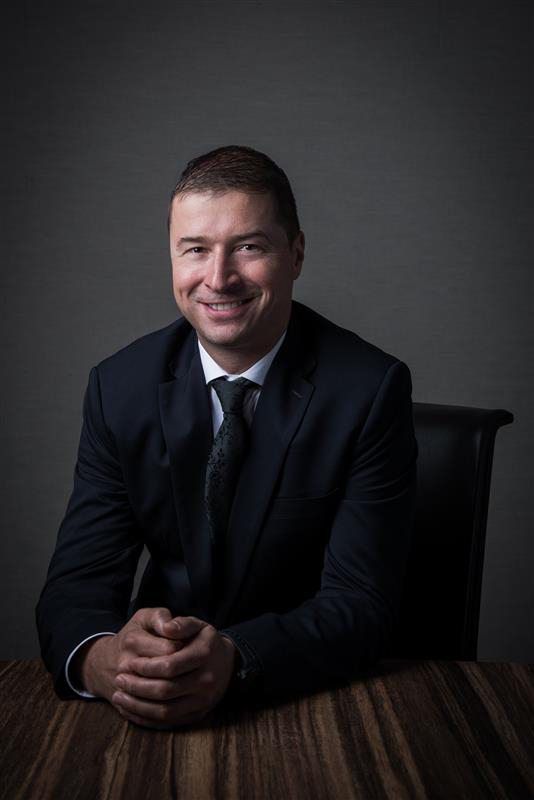
“In the old days, a hotel restaurant was a place our grandmothers used to go with us as children and that’s why young adults will not necessarily go there today because they used to go there with their grandmas,” says Petr Raba, Marriott International’s vice president of food and beverage for Asia Pacific.
This is exacerbated by the fact that independent restaurants run by ambitious, capable young chefs are increasingly gaining an edge as diners make a beeline for these trendy new spots in favour of the traditional hotel restaurant experience.
Raba says what this means is that hotel operators can now no longer just rest on their laurels when it comes to developing hotel restaurants. Many have to work above and beyond and institute new ways of thinking.
“As hotel operators, what we need to change is our mindset so that we start thinking that we have independent restaurants which happen to be in a hotel.
“And I think that’s the biggest mindset shift that we have had to make within the company because food and beverage plays an important role for many hotel groups in terms of monetary contribution. So I think we need to do a better job of learning from independent restaurant operators and being a little bit more agile and nimble,” says Raba.
Raba also says that this change has to start from the ground up and should be deliberated before a restaurant in a hotel is even created.
“We have to think about the way we design those particular restaurants – how we build them, being flexible and not necessarily overbuilding and overdesigning restaurants. Independent restaurants don’t have as much funding as some of the owners of the hotels. So we need to think differently in terms of design.
“And then we need to think differently about the whole process – from the customer journey, like how we hire our teams, to how we execute it in the restaurant.
“We also have to think of ourselves as restaurant operators instead of hotel operators, so our marketing has to be different. It’s not hotel marketing; it’s restaurant marketing and we need to be faster, more agile, and a little bit more open-minded in how we market hotel restaurants,” says Raba.
Trends and demands
Much of what works in the dining scene is tied to zeitgeist and modern appetites. While some things remain evergreen, there is also a need to keep growing and changing in line with what diners want.
Marriott International’s recent Future of Food 2026 report, for instance, showed that in Malaysia, there is a seismic locavore movement and growing appreciation for both modern and contemporary local cuisine.
This is reflected in the figures, which show that across Marriott International properties in Malaysia, 68% of diners are choosing local cuisine or Asian cuisine over international fare. Diners are also increasingly interested in sustainability, with 69% asking where the ingredients are sourced.
To shadow this growing movement, 53% of the hotel group’s properties in Malaysia now serve modern interpretations of traditional Malaysian dishes.
Talent pool
In order to grow and ensure the continued success of hotels’ F&B portfolios, it is crucial that talented chefs are hired and able to thrive in these restaurants. To this end, Raba says hotels must look at changing the narrative – especially when it comes to culinary arts graduates.
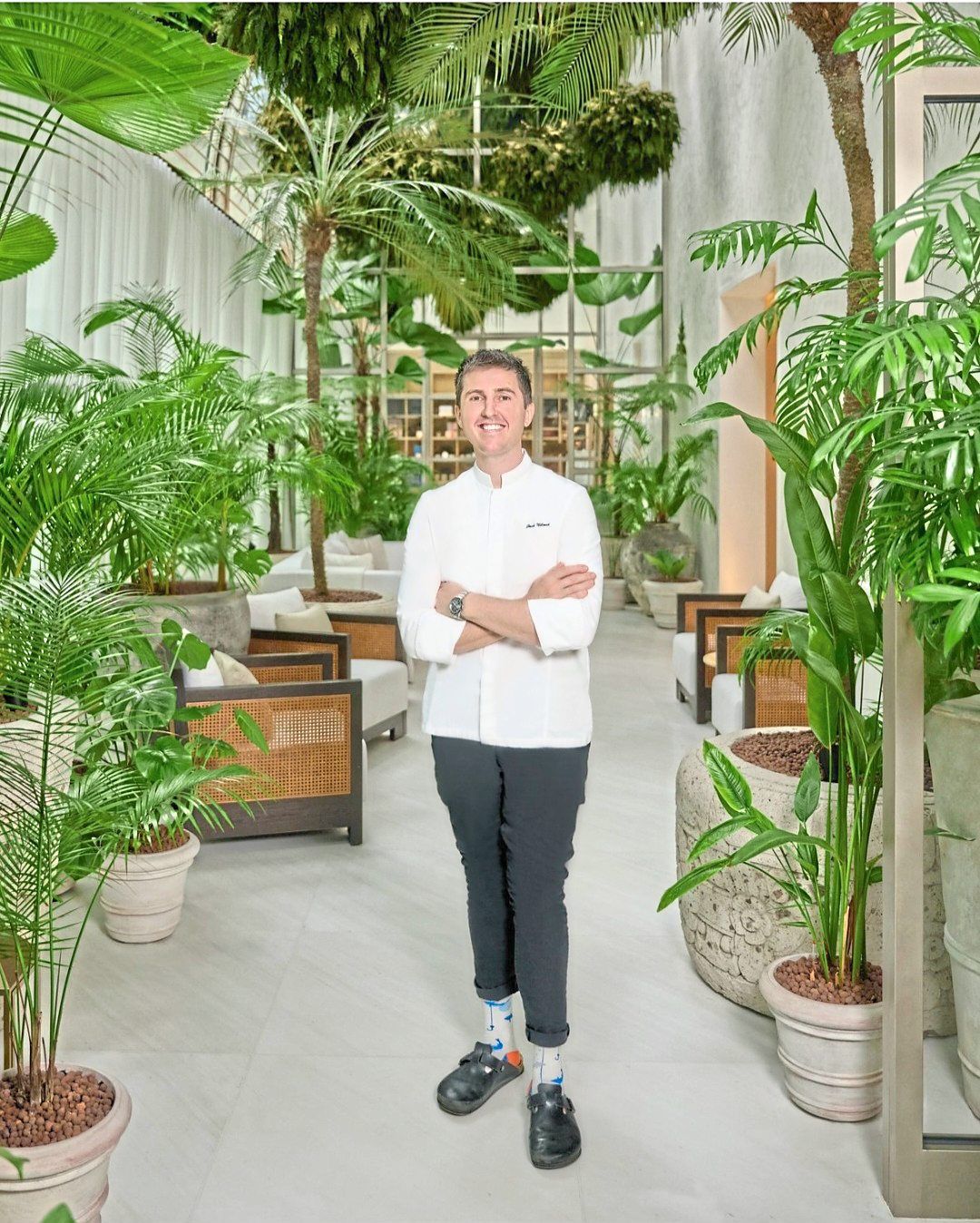
Because while a hotel kitchen was once a necessary part of every aspiring chef and culinary art graduate’s rite of passage, many now opt to head straight for independent restaurants where they believe they will have the potential to move up the ladder faster.
“I think we need to change that perception. And then we need to tell these young students that there is no difference between working in a hotel restaurant versus an independent one. And then we need to ask, ‘What can we do for these young chefs?’”
“I think for larger hotel groups, our power is that we have thousands of restaurants and bars across the world. And we can say, ‘If you are willing to work and travel, we can provide you with those opportunities in the future where you can transfer somewhere else,’” says Raba.
Aside from recognising and championing in-house talent, Raba says most hotels also realise that there is a growing opportunity to identify and partner with rising chefs, celebrity chefs or top chefs in order to build new restaurants and scale them around the world.
“So our focus is on really finding up-and-coming and rising star chefs and looking at how we can provide them with an opportunity – whether to run a restaurant or partner with hotels – and then see how we can potentially export them to other destinations, i.e., replicate that in other parts of the world,” says Raba.
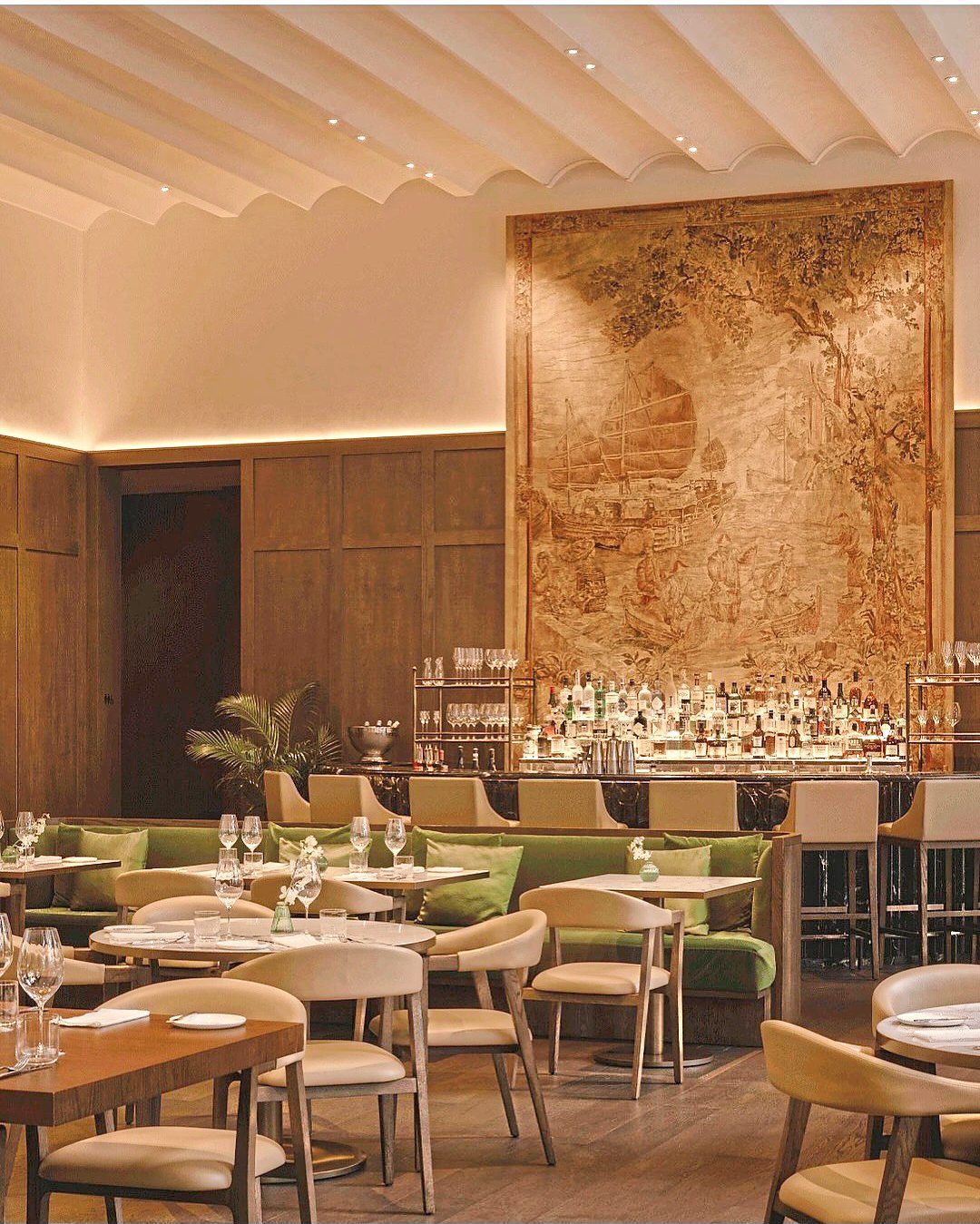
These sorts of partnerships have become more popular over the years – acclaimed Australian seafood maven Josh Niland, for instance, opened Fysh, his first restaurant outside Australia, in the luxurious Singapore Edition hotel in 2023.
In Malaysia, Sunway Resort Hotel is where famed British chef Gordon Ramsay opened his first Malaysian restaurant, Gordon Ramsay Bar & Grill, in 2022 – in partnership with the hotel. Even Michelin-starred Malaysian chef Darren Chin opened restaurants like Gai and Bref at KL’s M Resort & Hotel last year.
While these sorts of celebrity-driven partnerships in hotels have become increasingly more popular, some hoteliers have also become more innovative in how they execute these partnerships – ranging from one-off collaboration dinners to more extensive kitchen takeovers.
At Grand Hyatt KL, for instance, director of F&B Steve Ong came up with the idea of turning the hotel’s poolside restaurant into a three-month kitchen takeover (which has now been extended for another three months to 28 February 2026), featuring Err by Bo.lan, which is run by Bangkok-based husband-and-wife team Bo Songvisava and Dylan Jones of Michelin-starred eatery Bo.lan.
“We thought we might as well use our existing space to create a brand new concept. And with a one-night-only collaboration, people often don’t have the time to come, so a three-month stint means more diners get to come and try the food,” says Ong.
Third-party operators
Interestingly, third-party restaurant groups and operators have also increasingly become popular options for hotels looking to diversify their restaurant portfolios while still maintaining an independent sheen.
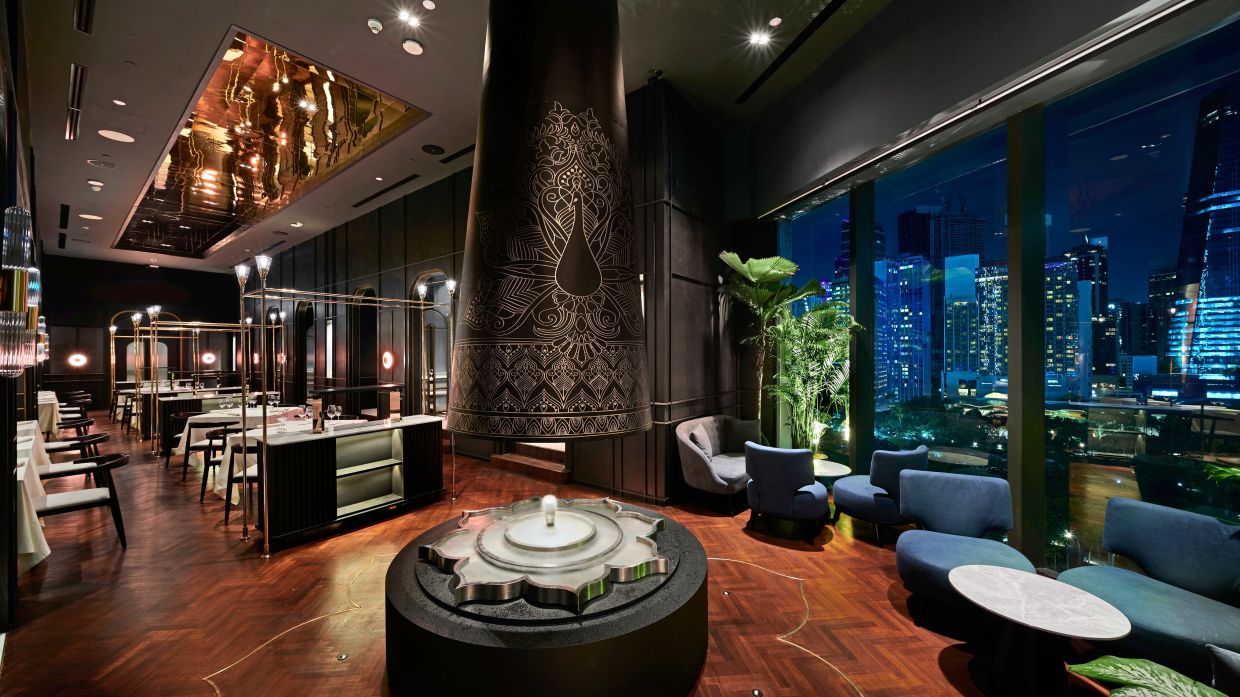
Abethan Kanthasamy, the founder of the Cinnamon Group, which owns and operates restaurants like Aliyaa, Nero Nero, Natalina Italian Kitchen and Yarl, says his restaurant group now operates a number of restaurants in hotels.
Some notable ones include Michelin Selected progressive Indian restaurant Nadodi at the Four Seasons KL; Ceylon House at Ramada Suites by Wyndham KLCC and MareNero at the Taaras Beach & Spa Resort in Redang island, Terengganu.
“I think the hotel guys have come to realise that by bringing in foreign operators, they give people different flavours completely, so there is variety. Because it can be so monotonous when the same team is running every single concept, so having an outside operator gives the feeling that it’s an independent restaurant with a bit more authenticity.
“Also hotels are all cutting costs and trying to remain competitive, so they can’t afford to carry big overheads, so having someone else run their restaurant is a way for them to focus on driving people in as opposed to running these restaurants and being distracted by it,” says Abethan, or Abbi, as he is better known.
Abbi says he has also noticed that some boutique or bespoke hotels have even started outsourcing their all-day dining restaurants to third-party operators.
“Small hotels only have one small restaurant and usually they would run it themselves. But the trend is moving in another way where hotels are starting to let other people come in to run it. So they just charge rent and get a small stake in sales.
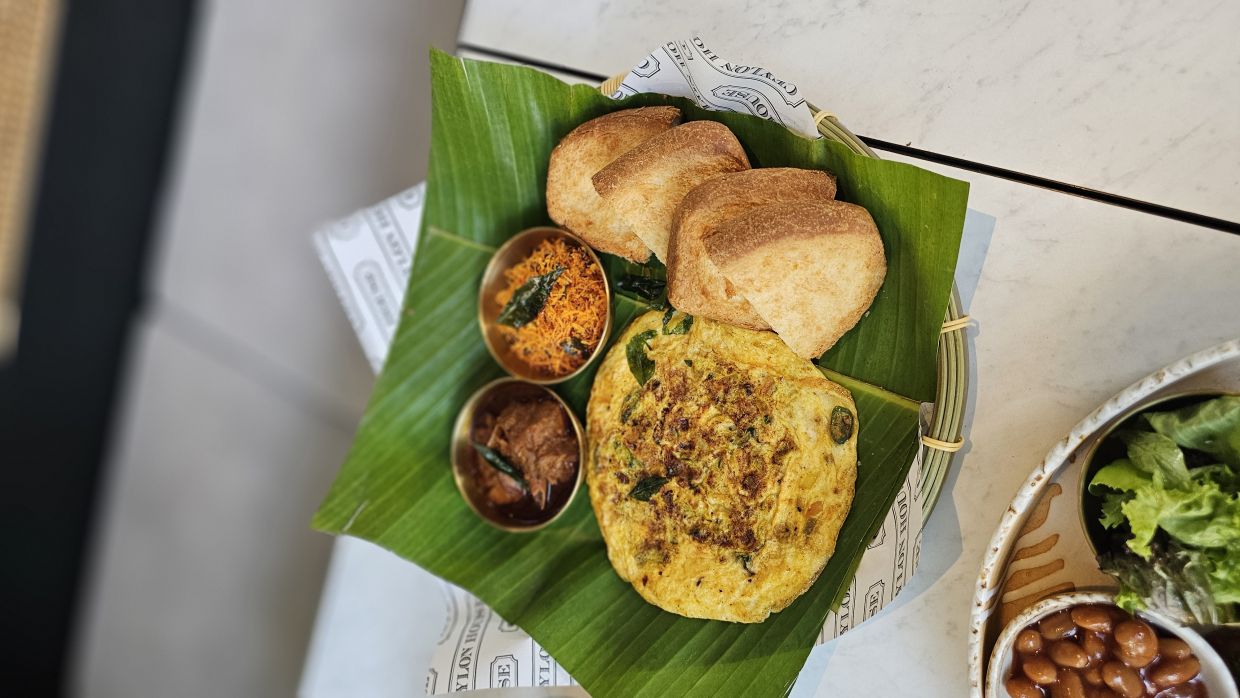
“For smaller hotels, this makes sense because they don’t have scale, so they won’t get discounts on produce and they need to market the restaurant as well, so they might need a different marketing team. So they might as well get someone else to do this so they can just focus on filling up the rooms,” says Abbi.
This trend is one that Abbi predicts will continue to grow as more hotels look to set up independent restaurants without the hassle of actually having to do it themselves.
“More hotels are doing this, so it’s definitely a trend. We have recently been approached to do more hotel-based restaurants, so we may have five or six more hotel F&B outlets next year,” says Abbi.