
"I didn't stop eating meat because I stopped liking the taste of meat," says US social psychologist Melanie Joy. "It was because I stopped wanting to harm animals."
She is far from alone. Around the world, many people are cutting back on meat out of concern for animals, the planet or personal health.
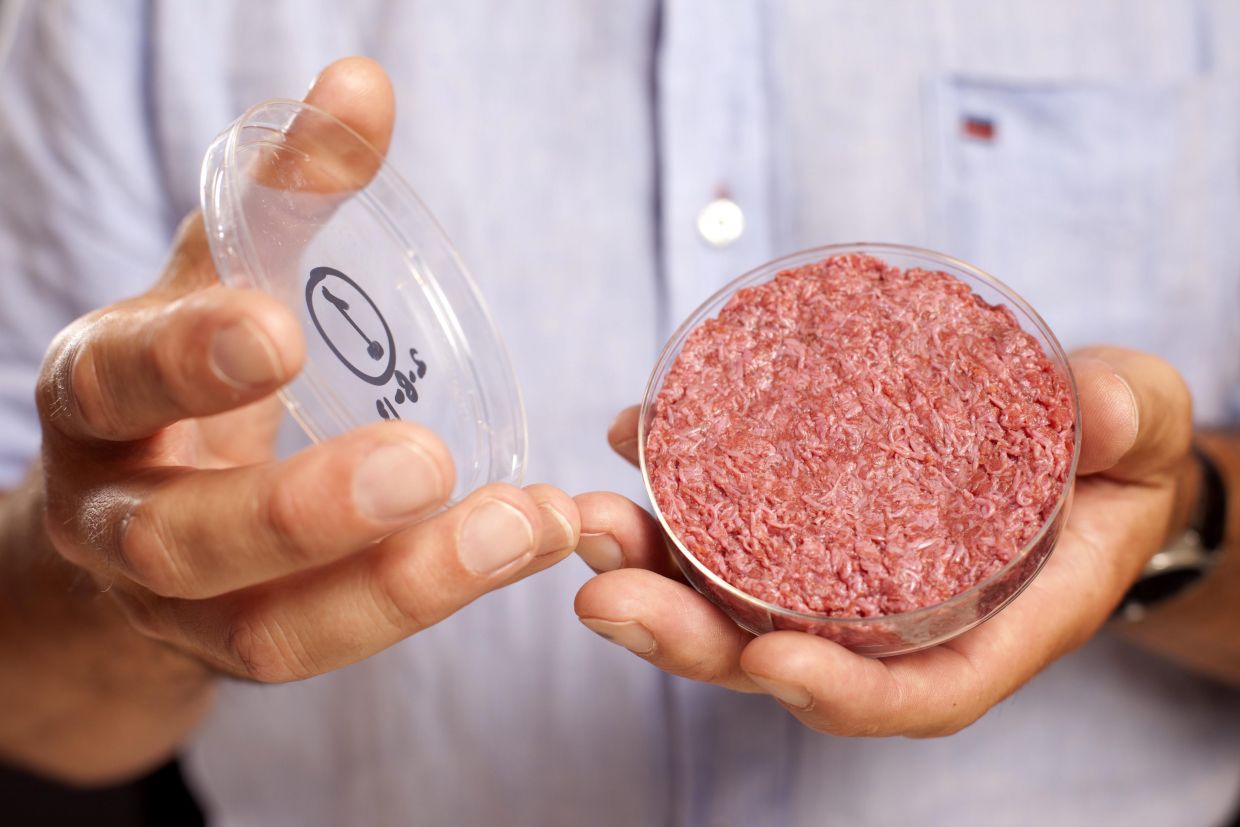
But for those who still enjoy the taste of steak, bacon or chicken, one innovation is stirring growing interest: meat grown directly from animal cells in a lab.
Meat still dominates - but alternatives are changing fast
Despite booming interest in plant-based eating in recent years, conventional meat still makes up the vast majority of what consumers buy.
Globally, consumption averaged roughly 44 kilograms of meat per person, according to 2022 figures from UK-based non-profit organization Our World in Data.
By comparison, only a fraction of that amount comes from plant-based substitutes such as tofu sausages or pea protein burgers.

This imbalance does not surprise Professor Mark Post of Maastricht University, whose team created the world's first cell-grown burger in 2013.
Plant-based substitutes, he argues, may not fully satisfy consumers who are used to the flavour and texture of real meat.
"Cultivated meat is more difficult to make but is the only technology that can provide real meat," says Post.
Social psychologist Joy agrees. She cautions against terms like "fake meat," which she says confuse consumers and reinforce the idea that lab-grown products are inauthentic. These are not imitations, she says, they are meat produced a different way.
Why taste and tradition matter
Psychologist Melanie Joy says there are deep emotional reasons why meat alternatives should resemble the real thing as closely as possible.
"[Meat] is very connected with family, with tradition, with memories of childhood," explains Joy, who has spent decades studying the psychology of eating habits.
Most people grow up with meat and are accustomed to its taste, so substitutes that match those expectations make the transition far easier.
Lab-grown meat also builds on this familiarity. It is produced from cells taken from live animals rather than plants.
Researcher Post describes these as "donor animals," noting that only a fraction of the animals currently used in conventional farming would be needed.
Some companies are now developing cell lines that can reproduce almost indefinitely, potentially reducing the need for livestock further.
Progress in lab-grown meat research
A 2024 study in the journal Nature suggests that lab-grown meat technology is advancing rapidly.
Scientists at Tufts University in the United States successfully cultivated bovine muscle cells using a scaffold made from low-cost, textured soy protein.
The innovation is significant because the scaffold itself is edible and provides a fibrous, meat-like texture. This could potentially lower production costs and pave the way for large-scale manufacturing in the future.
In the US, two companies have already received approval from the Department of Agriculture to sell chicken grown directly from animal cells. Elsewhere, regulatory approaches vary.
Italy's government banned the production and sale of lab-grown meat in 2023, even before such products reached supermarket shelves.
In the European Union, no lab-grown meat has yet been authorized, and the approval process remains lengthy and highly regulated.
For now, most vegetarians and vegans still rely on plant-based substitutes made from soy, peas or wheat.
Even these products remain a topic of debate in European politics. The European Parliament has recently voted in favour of a draft law banning terms such as "burger," "sausage" or "steak" from being used to market foods that do not contain meat.
The lawmaker who presented the bill argued that using such labels for vegetarian and vegan products creates a risk of confusion because plant-based substitute products do not offer the same nutritional values as their animal-based originals.
The proposal also aims to help protect farmers.
Consumer protection advocates and companies in the food industry have sharply criticized the planned ban. The organization Foodwatch said no one accidentally buys tofu sausages believing they are beef.
The decision is not final as EU member states still have to agree to the proposal.
Why cultivated meat could appeal to vegetarians
A key distinction of these substitute products is that they are not conventional meat. Post emphasizes: "Consumers want to have meat replaced by meat, in all of its qualities."
Lab-grown meat offers strong arguments for vegetarians and other consumers alike, including lower environmental impact, requiring less land and water and producing fewer greenhouse gases, potential cost advantages and potential health benefits.
Post is also exploring ways to optimize its nutritional profile, for example by increasing omega-3 fatty acids.
Health is another key argument. From a global health perspective, social psychologist Joy adds that conventionally-produced animal products "often have high levels of antibiotics, hormones, and pesticide residues in them because this is what the animals ingest, whereas you don't have that problem when you're actually growing the meat in a lab."