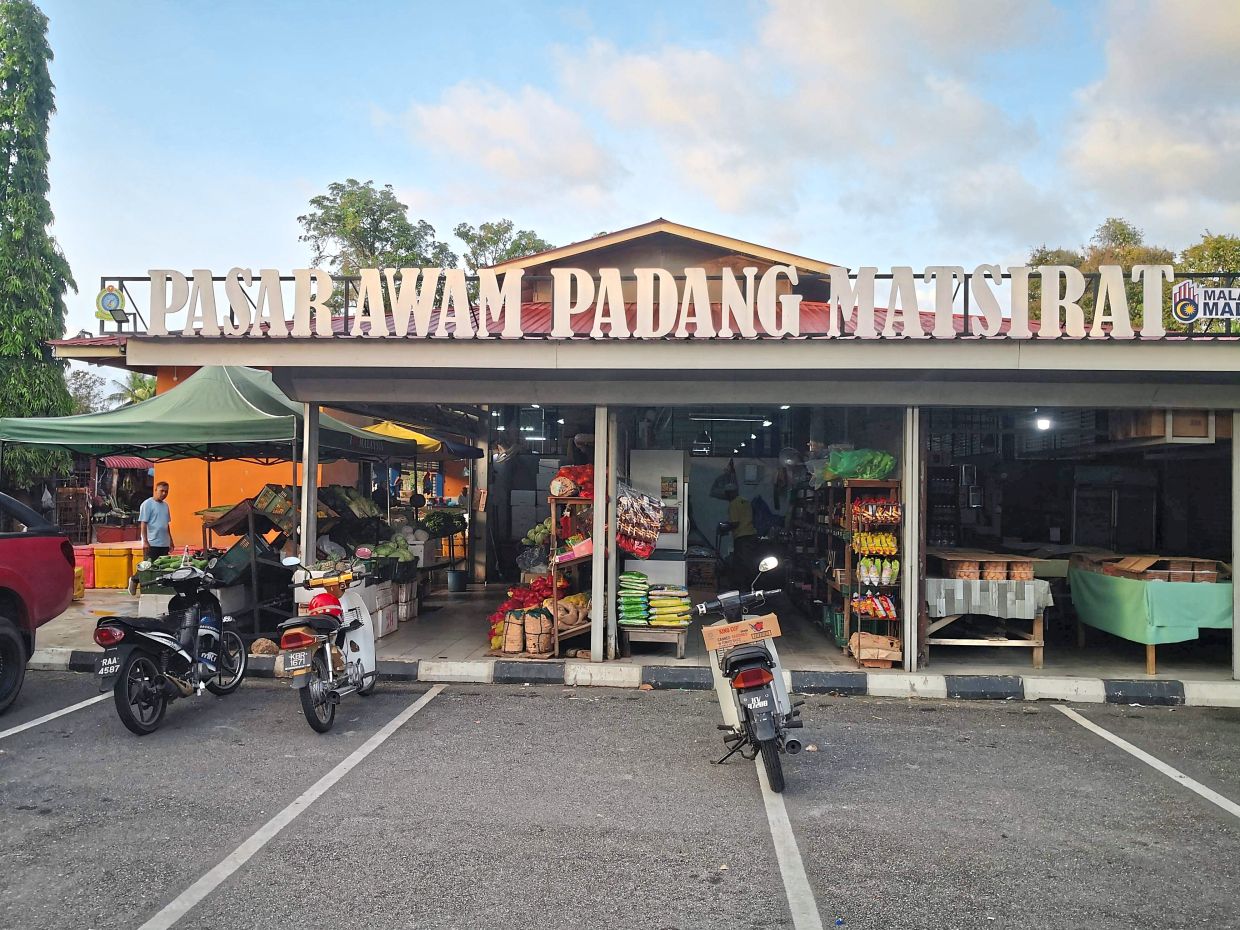
Dawn has barely broken and Pasar Awam Padang Matsirat is already a hive of activity with people from all walks of life making a beeline for this popular wet market located close to the Langkawi International Airport.
With Langkawi located within an archipelago of 99 islands, marine products, ranging from succulent crustaceans to freshly caught fish and squid, make up the bulk of the items available for sale.
Fresh seasonal ingredients
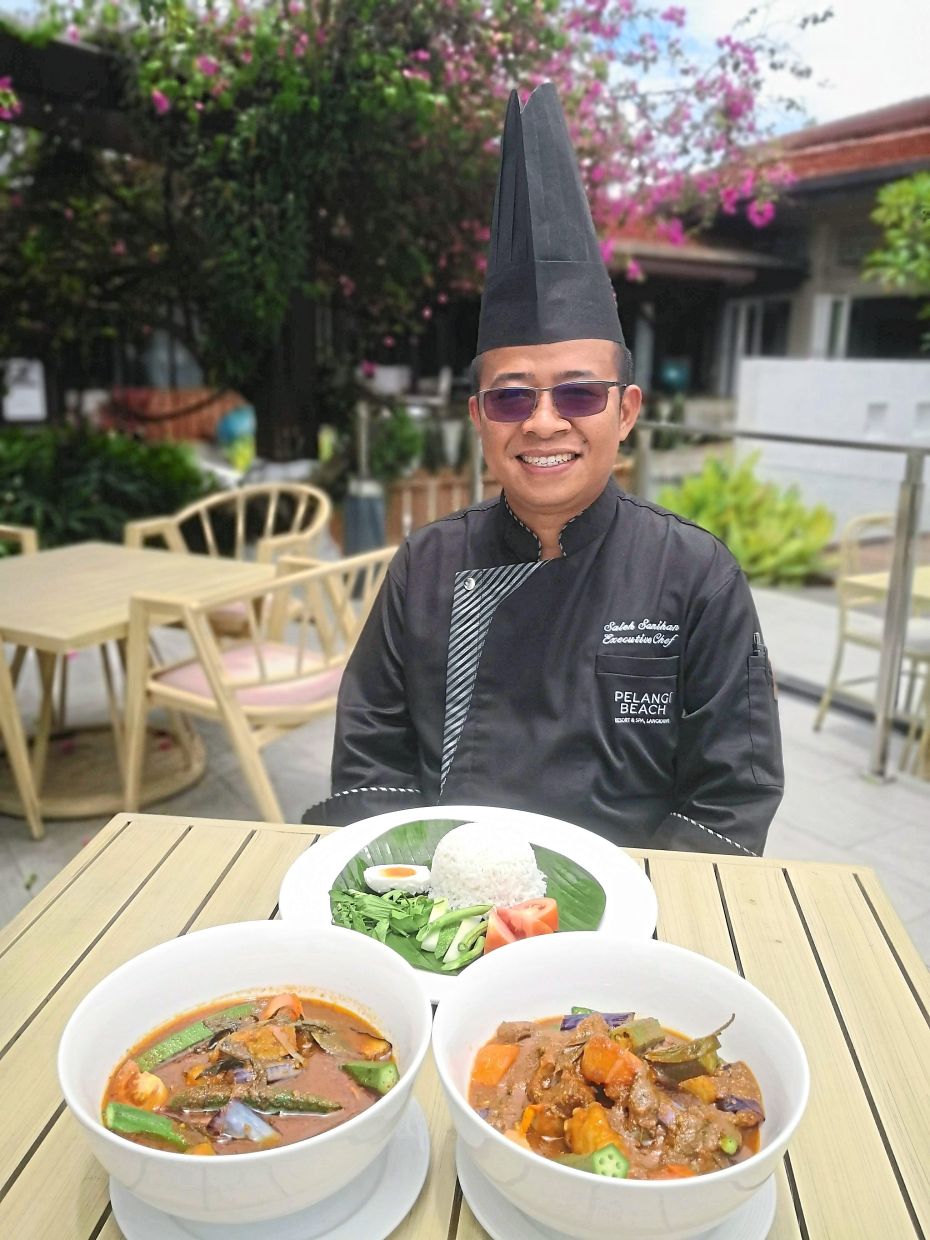
This alone is reason enough to inspire small-scale food entrepreneurs as well as prominent hotel kitchen heads like chef Saleh Samihan to make it a point to visit this place on a regular basis. Apart from getting the opportunity to secure some of the freshest seasonal ingredients, the Pelangi Beach Resort & Spa Langkawi executive chef uses these visits to build a strong rapport with the vendors, a large majority of whom are second- or third-generation operators.
While walking along the aisles, the sight of a sizeable stingray gives Saleh inspiration to cook asam pedas ikan pari, a popular dish from his home state, Johor. After the trader cuts the fish into the required pieces, Saleh turns to me and asks if I have tried beronok.
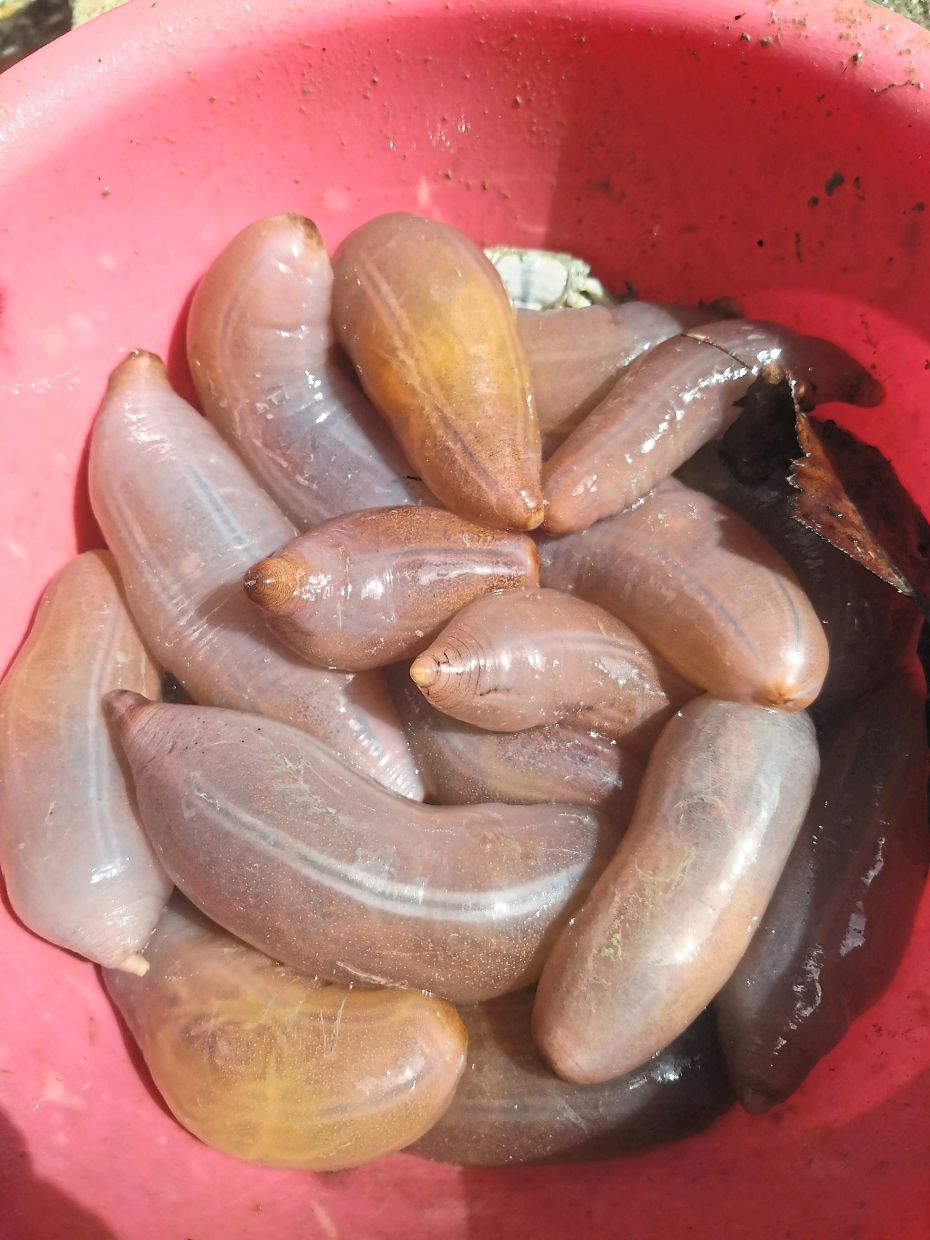
When the question draws a blank, he leads the way to another section of the market while muttering that no visit to Langkawi is complete without sampling kerabu beronok, a tasty salad made from the organism that is closely related to the sea cucumber.
My hope to see freshly caught beronok for the first time is dashed after arriving at a deserted stall with no vendor in sight. Determined to see his endeavour come to fruition, Saleh calls up his other contacts and comes up with an even better solution. Arrangements have been made for me to meet a beronok harvester later in the morning to get a first-hand look at the marine invertebrate.
Upon my return, Saleh promises to show me how to prepare kerabu beronok – an island dish that is rarely found outside of Langkawi.
Sea potato
Reaching a secluded Pantai Cenang jetty, I arrive just in time to see a small boat getting close to land. Beaming from ear to ear, Mohd Shukri Ismail secures his craft to the mooring before unloading pails filled to the brim with beronok. Palm-sized, pink in colour and tubular in shape, it is little wonder why locals affectionately dub the beronok, sea potato.
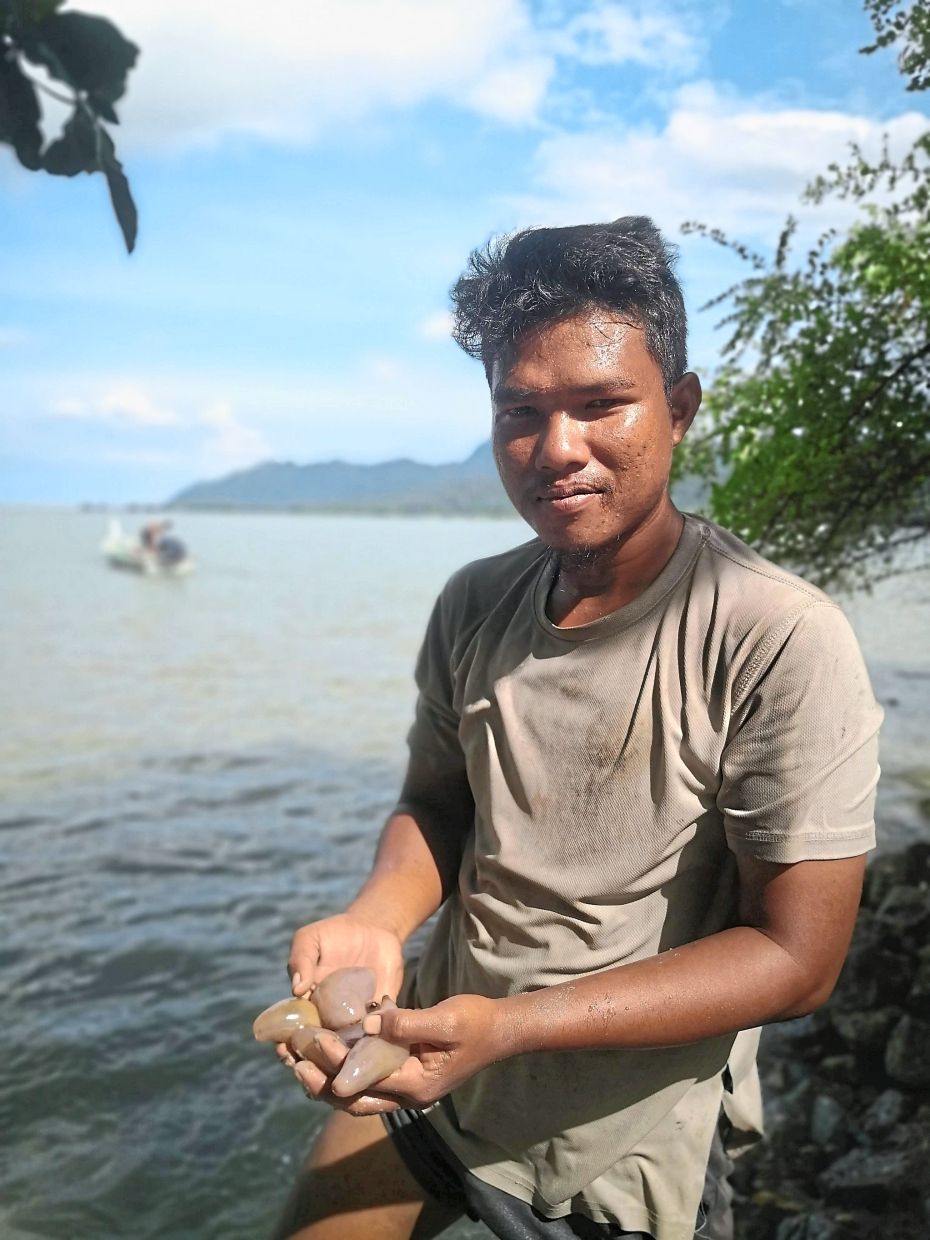
While taking a breather, Mohd Shukri turns back the clock to the time when tourism in Langkawi was still in its infancy. “According to my grandfather, visiting this island in the 1950s involved six-hour-long trips on the open deck of fishing boats and this deterred many potential visitors,” he declares while drawing a comparison to fortunate modern-day tourists who have easy access to a fleet of speedy air-conditioned passenger ferries that ply between Langkawi and mainland Kuala Kedah and Kuala Perlis daily.
Gesturing to the well-developed Pantai Cenang in the distance, Mohd Shukri adds: “Back then, Pantai Cenang then was just a rustic beach where villagers spent quiet evenings looking for marine products by the shore. Beronok were so plentiful that the beach was littered with them each time the tide receded. The best ones, however, were those tossed up by forceful waves after a storm had subsided. At that time, beronok was not sold in markets, as it could be simply picked up for free.”
Environment under threat
“Like the sea cucumber that was also very common in the past, massive reclamation together with heightened pollution and excessive harvesting negatively impacted the beronok population here. Now I have to go there and spend up to four hours to fill these fifteen pails,” he adds while pointing in the direction of the massive Langkawi breakwater barrier some distance away.
While some prefer to wait until low tide before wading in the shallow water to locate beronok embedded in the sandy seabed with their toes, Mohd Shukri follows a strict schedule of going out to sea at the crack of dawn. The use of a custom hand-held dredge allows him not only to dispense with tide conditions but also to haul in other marine life like mussels, crabs and prawns to supplement his income.
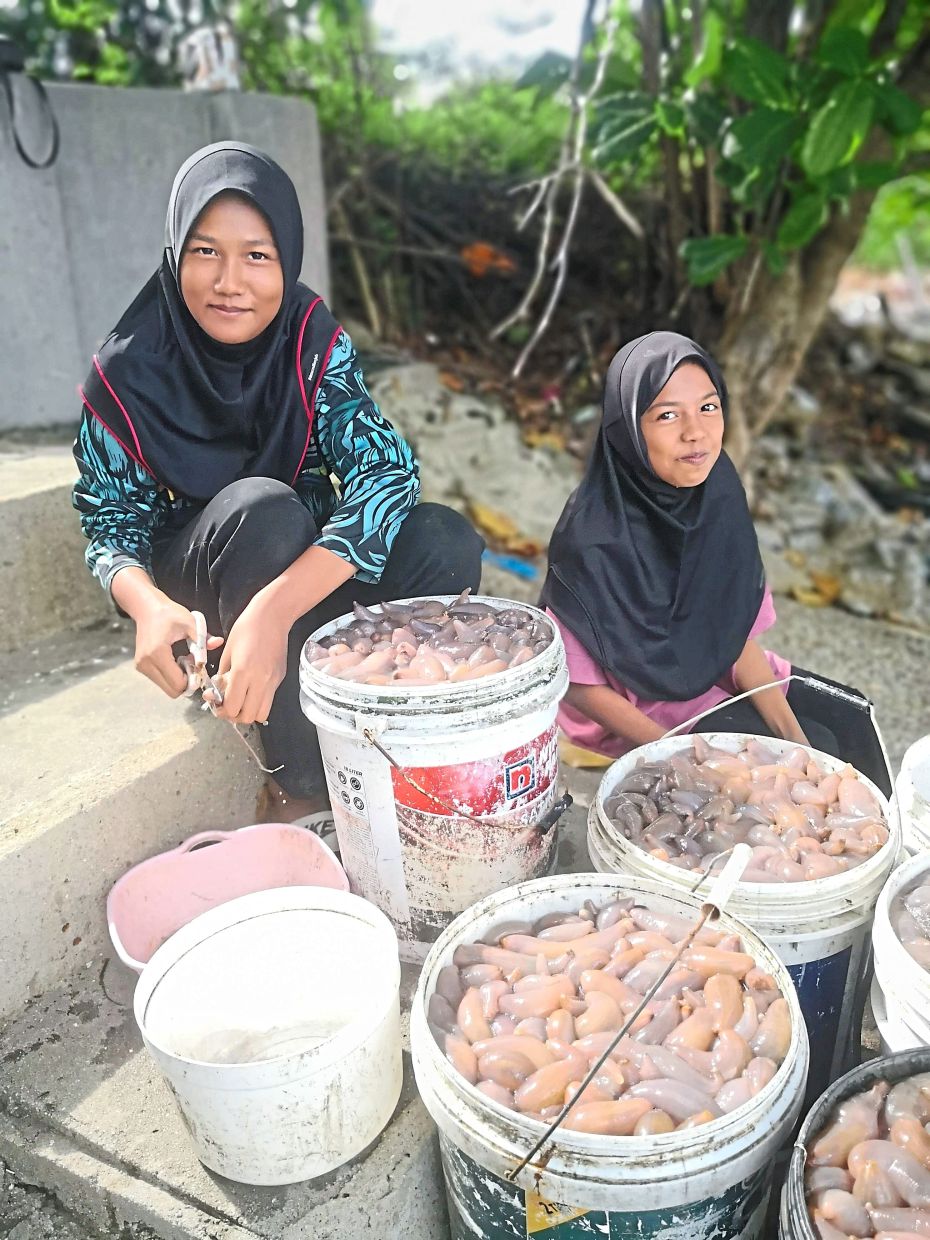
Two girls arrive just as Mohd Shukri transfers the last pail to shore. Upon reaching an agreement to pay RM15 for each pail filled with beronok, Nur Tasnim Jamahir and Nur Tasya Jamahir quickly get down to work. Sitting by the jetty steps, the teenage sisters’ age belies their experience as they deftly cut up the slimy organisms with scissors to remove their entrails.
As it is the weekend and with their mother – who usually deals with the beronok harvesters like Mohd Shukri – tied up with other matters, it is up to the sisters to temporarily take over the reins of the business. Showing maturity beyond their years, the Sekolah Menegah Kebangsaan Kelibang students know that time is of the essence in this line of work.
The processed beronok must be taken to their home nearby as quickly as possible, packed into 1 kg bags and placed in an industrial freezer. This is to ensure optimal freshness when sold to customers for RM10 per bag at Pasar Awam Padang Matsirat the next morning.
Reviving traditions
Back at the hotel, Saleh breaks into a wide grin after casting eyes on the beronok generously given by Mohd Syukri, Nur Tasnim and Nur Tasya. “Perfect timing. Let’s get to work,” he quips.
While preparing the freshly caught beronok, Saleh reveals that this edible invertebrate, like the sea cucumber, is usually found in the tropical waters of India, Thailand, Malaysia, Indonesia, the Philippines and Australia. Prized primarily for their anti-inflammatory and anti-ageing attributes, both species are used extensively in the traditional medicine industry.
“The similarities, however, end there. Unlike the sea cucumber, which retains its springy and chewy texture even when boiled or braised, beronok liquefies when exposed to heat. It simply cannot be cooked,” he explains before divulging an interesting incident that took place during a cooking competition held in Langkawi a few years ago.
“During the course of the contest, participants who came from all over Malaysia were given beronok as the main ingredient. While all the chefs from Langkawi knew that beronok could only be prepared as a salad, the others were rudely taken aback after applying heat to their intended culinary creations,” he chuckles before adding that while beronok in Malaysia is believed to be found only in Langkawi, there are recent reports of its existence off the coast of Muar in Johor as well.
While dicing the other ingredients like daun selum, galangal and lemongrass, chef Saleh reveals that kerabu beronok used to be the mainstay of most village feasts all over Langkawi in the past.
“Although scarcity and inconsistent supply have put paid to that precious age-old practice, our hotel makes an effort to keep tradition alive by offering kerabu beronok as one of the main features in our annual Ramadan buffet,” he reveals while expressing hope for further concerted effort to prevent Malaysia’s unique traditional cuisines from fading into obscurity.
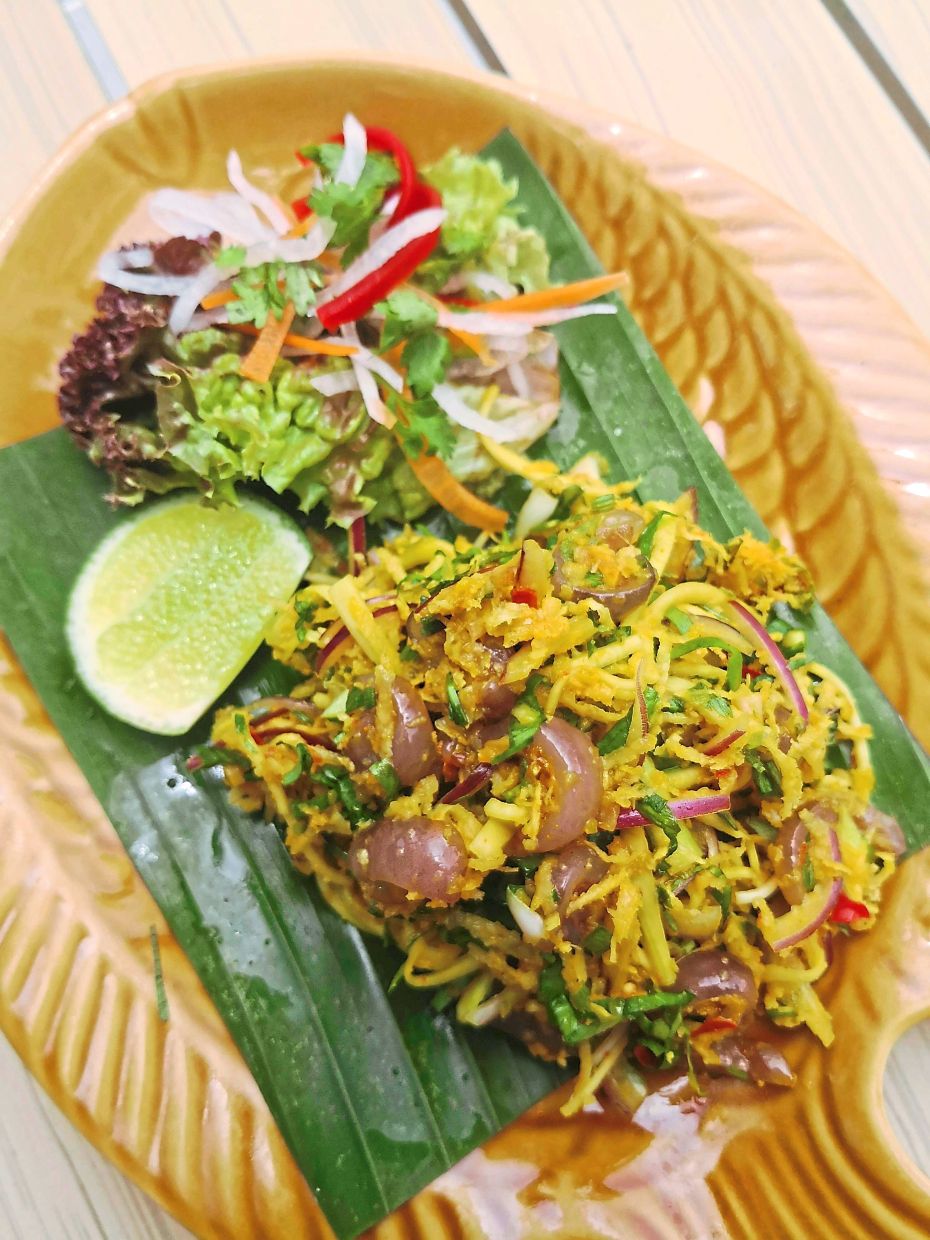
KERABU BERONOK
Kerabu beronok consists of thinly sliced raw beronok that is mixed well with slivers of daun selom, young mango, large onion, galangal, lemongrass, and ginger together with grated coconut. Lime juice, sugar, salt and other seasoning options are added to taste, while red chillies are used as garnish.
3 pieces of freshly harvested beronok, cleaned and thinly sliced
5 daun selom, thinly sliced
1 young mango, thinly sliced
1 large onion, thinly sliced
5 large red chillies, thinly sliced
2.5cm each galangal and ginger, finely blended
1 stalk lemongrass, finely blended
1/2 cup freshly grated coconut, fried until fragrant
1 large lime, juiced
sugar and salt to taste
To make
Clean the freshly caught beronok by removing the entrails and cutting it into thin slices.
Mix the sliced beronok with daun selom, mangoes, onion, chillies, ginger and galangal.
Add the grated coconut and lime juice. Mix thoroughly.
Before serving, add sufficient salt and sugar to help eliminate any undesirable raw odour and taste.