
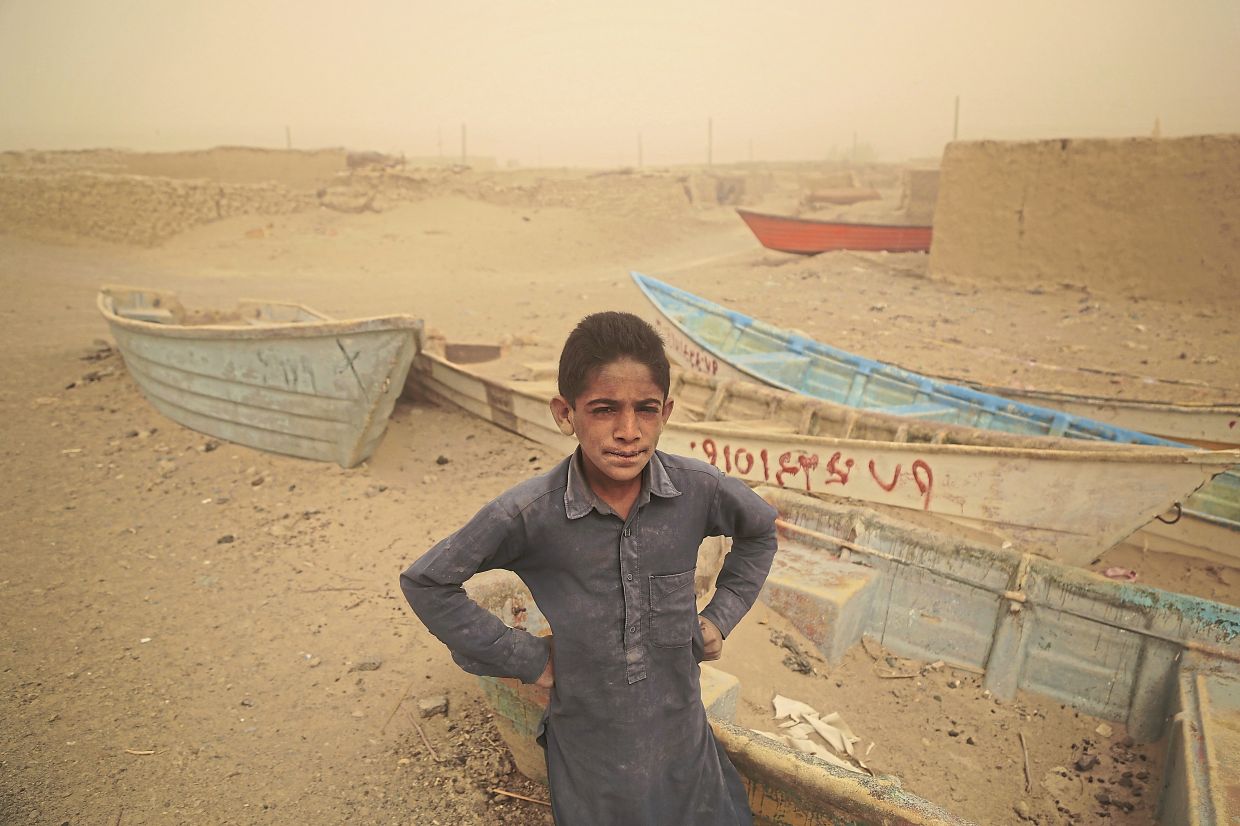
Eventually, Abu Mohammed and his family reached their breaking point. Water was vanishing on the outskirts of Baghdad, and the orchards where he and his sons once harvested dates, apples, apricots and citrus fruits were drying up.
"We can no longer do this job," says the 62-year-old. The family packed their belongings and moved away.
An estimated 150,000 people in Iraq have already been displaced by drought and water shortages, mainly in the central and southern regions, and the numbers are expected to rise.
Across the Middle East, extreme heat, prolonged drought, and shrinking water supplies are making life increasingly difficult.
From Tunisia to Iran, and from Turkey to the Arabian Peninsula, millions are living with little – or at times no – water at all.
According to the World Resources Institute, a United States-based think tank, 13 of the 15 countries with the least water are located in the Middle East.
"The fields were everything to me, my source of income," says Mahdi al-Badri, a father of five from the province of Babil in central Iraq.
"I miss them every day," he says. With rivers drying up and insufficient water for irrigation, he had to abandon the family profession passed down for generations.
His sons have found whatever work they can, in construction, painting, or government jobs.
Climate change is drying Iraq's rivers and depleting groundwater, while dams built by neighbouring Syria, Turkey, and Iran have further reduced flows of the Euphrates and Tigris rivers.
Once fertile, the marshy Mesopotamia region – considered the cradle of civilisation – is now parched, and parts of southern Iraq may soon become uninhabitable.
Scarce resource
In the island nation of Bahrain, temperatures are barely falling below 34°C even at night these days.
According to the World Resources Institute, water is scarcer here than in any other country. Modern life in Bahrain, as in the other Gulf states, is probably only possible because they invest enormous sums of money and energy in desalinating seawater.
Some Gulf nations cover almost 90% of their drinking water needs in this way. The consequences have long been noticeable on the Gulf coast because the plants pump large quantities of brine into the sea.
"The colour of the water has changed and the smell has become unbearable. It turned yellow," says a fisherman on the news site Muwatin. "The fish we depended on for our livelihood have fled these waters."
Salinity in the Gulf could rise irreversibly. Yet, desalination technology – which Saudi Arabia powers with roughly 300,000 barrels of oil per day, or about 159 litres per barrel – is booming.
In Iran, water could run out as early as this year. It is one of the world's driest countries, with declining rainfall, worsening droughts and extreme weather.
In July and August this year, the water crisis hit the capital Teheran, with its more than 15 million residents, particularly hard.
In many parts of Tehran and other cities, the water supply is interrupted for hours every day, which affects poorer neighbourhoods in particular.
Experts warn that decades of misguided agricultural policies, including subsidies for water-intensive crops like wheat and rice in unsuitable regions, have drained soils and depleted reserves.
Traditional farming methods have vanished, forcing thousands of rural families to relocate, many to an already overburdened capital.
Salty crusts
For ancient Egypt, the Nile was a lifeline – but today even this majestic river can no longer satisfy the country's thirst.
This year, Egypt is expected to cross the threshold of absolute water scarcity, leaving each person with less than 500 cubic meters of water annually.
Its population, now 108 million, grows by roughly one million every nine months, while rising Mediterranean Sea levels allow saltwater to seep inland through irrigation canals, river branches, and groundwater.
Salty crusts are forming on farmland, affecting up to 40% of arable soil.
And the crops are suffering: vegetables turn yellow and brown, wheat grows slowly or dies, and rice cultivation – once common – has been banned in most regions due to its heavy water demands.
Meanwhile in Turkiye, sunflower farmers are an example of how extremes are affecting agriculture. Videos on social media show them lamenting their wilted crops under scorching heat.
For almost four months, there has been too little rain in Thrace, where about 40% of sunflower oil is produced, Ekrem Saylan, head of the local chamber of agriculture says.
Harvests are expected to decline by 50%-60% compared to last year, with lower oil content and lower quality. Farmers are trying to adapt.
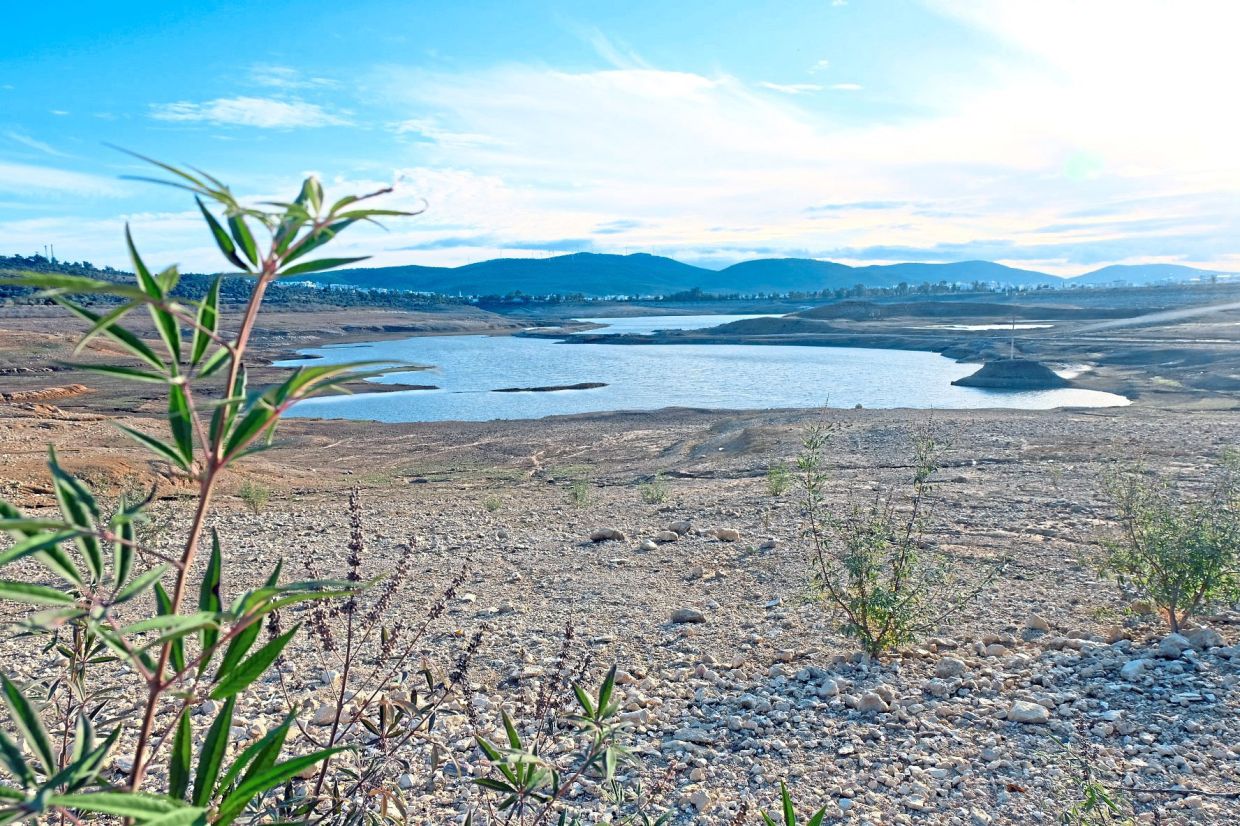
The drought is also hitting the Aegean coast, a major tourist destination. Falling dam levels have forced the metropolis of Izmir and the resort town of Bodrum to cut off drinking water for hours at a time.
In July and August, the demand from visitors put further strain on supplies, yet few concrete measures have been implemented.
According to the weather service, July was Turkey's hottest in 55 years, with nationwide rainfall 39% below the seasonal average. – dpa