
With record temperatures hitting countries around the globe, pet owners have to protect their four-legged family members from dangers like heat stroke and dehydration.
But keeping an animal the size of a small car cool isn’t as easy as bringing it inside to the air conditioning. That’s why Alicia Grace, owner of Pink Flamingo Stables in Florida, United States, has to take extra steps to keep her horses safe and healthy in the hot and humid climate.
Grace cares for eight full-size horses and three ponies on her property. South Florida has a large equestrian community, especially in Palm Beach County with the National Polo Centre located in Wellington. But the climate isn’t ideal for horses, which generally do better in drier, cooler environments, Grace said.
"Not only do we have the heat, but we also have all the humidity,” Grace said. "And with that comes the bugs – flies and mosquitoes – which can actually breed in their cuts and cause all sorts of issues.”
Grace said it’s important to keep the horses hydrated and out of the sun during the hottest parts of the day. All paddocks have shaded areas, and barns are equipped with large fans.
"They always have constant access to water,” Grace said. "We bathe them daily, and we have cooling blankets that you can actually put on after a ride.”
While cats and dogs can be brought inside to cool, conditioned air on especially hot days for horses and other large animals is not that easy.
"They actually do now make air conditioning units for horses, but they are quite expensive,” Grace said. "It is definitely a different animal and definitely requires a lot more care.”Besides concerns about overheating or dehydration, horses are also vulnerable to algae and fungus that thrive in the South Florida climate.
"We get a lot of flooding during our rainy season, and if the horses are out in that and their hooves get saturated, they can get abscesses, which are pus pockets, and get a lot of problems with their feet,” Grace said.
Other problems
Cats, dogs and other house pets are easier to keep cool, but pet owners still have to remain vigilant during the summer, Palm Beach County Animal Care and Control
spokeswoman Arielle Weinberger said. Just like horses, any cats and dogs kept outside need shade and water.
Officials are especially concerned about pet owners leaving dogs and cats inside vehicles. Local laws might vary throughout the state, but it's illegal to leave animals unattended in vehicles for any amount of time in Palm Beach County, Weinberger said. During hot weather, she said the temperature inside a vehicle can increase by a lot in just 10 minutes.
"We want to make sure that no animals are left unattended, and that includes even if the window is cracked, even if the air conditioner is on,” Weinberger said. "Animals cannot be unattended in a vehicle, it is for their safety.”
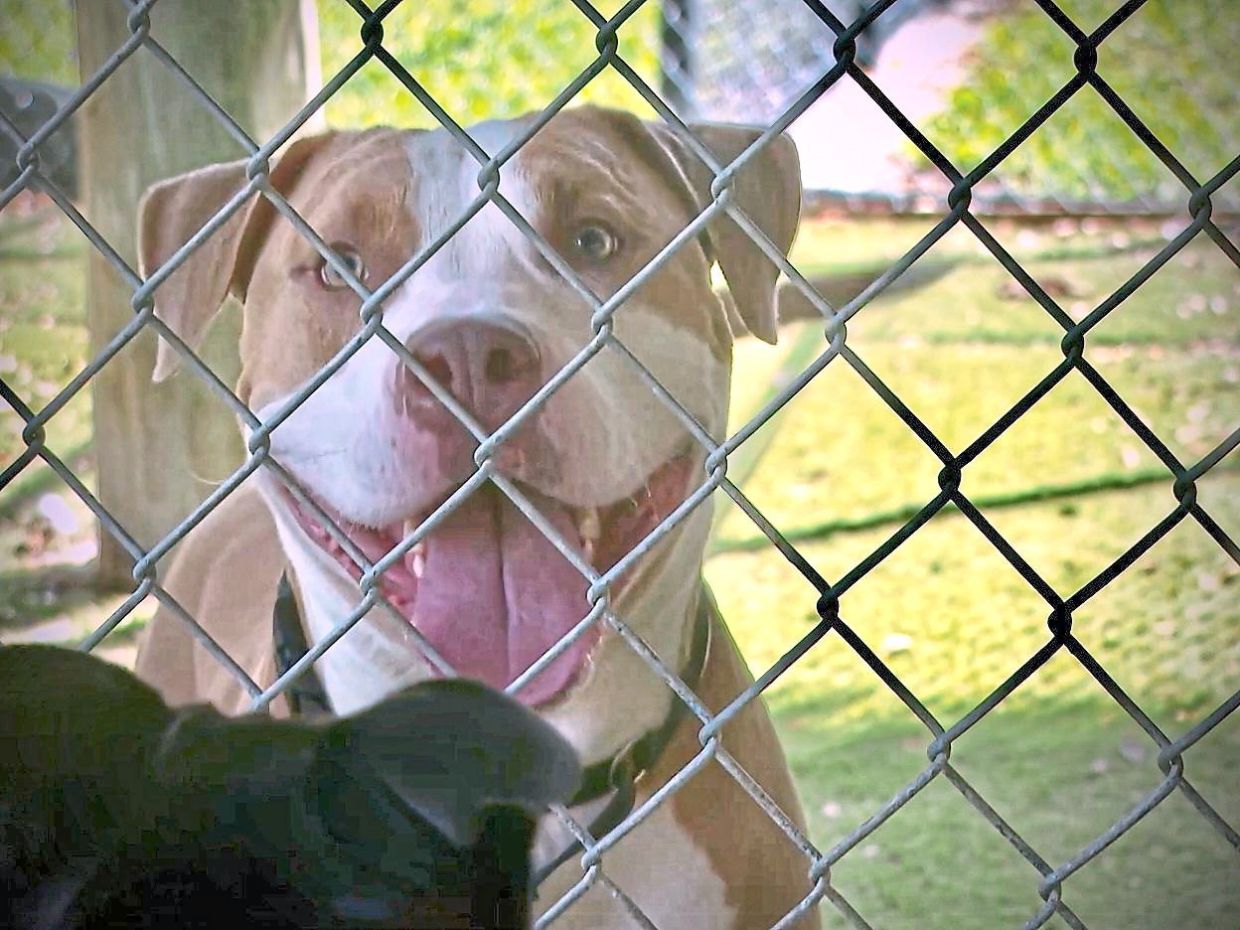
Dog owners especially need to check pavement, Weinberger said. Concrete and asphalt can reach temperatures of up to 52°C during the summer months, so finding grass or dirt for pets to walk on is ideal. If that's not practical, pet owners might need to invest in booties or paw wax.
"If it’s too hot for you to touch with a bare foot or a bare hand, it’s too hot for your pets, as well,” Weinberger said.
People who don't actually own pets can also help to keep animals safe, whether it's community cats or local wildlife, by leaving water outside, Weinberger said. Animal control officers will respond to pets and livestock suffering from signs of dehydration or heat stroke, but Weinberger said residents should call local wildlife rescue facilities if they see a raccoon or other wild animal in bad shape.
If an animal seems overheated, it can be cooled down with water on their head, stomach and feet. But if they start to experience symptoms like diarrhoea, lethargy, dizziness and vomiting, it's time to seek medical attention, Weinberger said.
"We want to take them to the vet as soon as possible, because heat stroke can lead to organ failure, and we want to make sure that it doesn’t get to that,” Weinberger said.
Matthew Puodziukaitis, 19, of Wellington, regularly brings his mini goldendoodle, Hazel, to the Okeeheelee Park dog area. He said he always brings a bottle of cold water and a bowl for Hazel and any other dogs who might need it.
"The last thing you want is a dog passing out or something bad happening to them out here," Puodziukaitis said. "They’re basically like a little kid. You want to make sure they’re okay.” – AFP