
"Slow design" was all the rage at this year's Milan Furniture Fair, featuring sustainable creations made with carefully selected and hand-crafted natural materials in sharp contrast to industrial manufacturing.
Amid the frenzied buzz of visitors stood Atsuya Nakamura, quietly sewing a leather sheath to cover part of a side table, his movements calm and precise despite the comings and goings at his stand.
He is one of some 20 craftsmen who work in a factory opened by the Ritzwell design company on a bay surrounded by lush vegetation near Fukuoka in Japan, a site designed to be "in osmosis with nature".
"We don't do mass production, all our furniture is finished by hand. Design and comfort are very important," Wataru Yano, Ritzwell's marketing director, said.
"Our products are timeless, they last a lifetime and are passed on to the next generation. They are a synthesis of Japanese tradition and contemporary design," he said.
Among the favourite materials of this high-end brand, which promises its customers "relaxation and calm", are solid walnut and oak, combined with thick leather and steel.

Lowering blood pressure
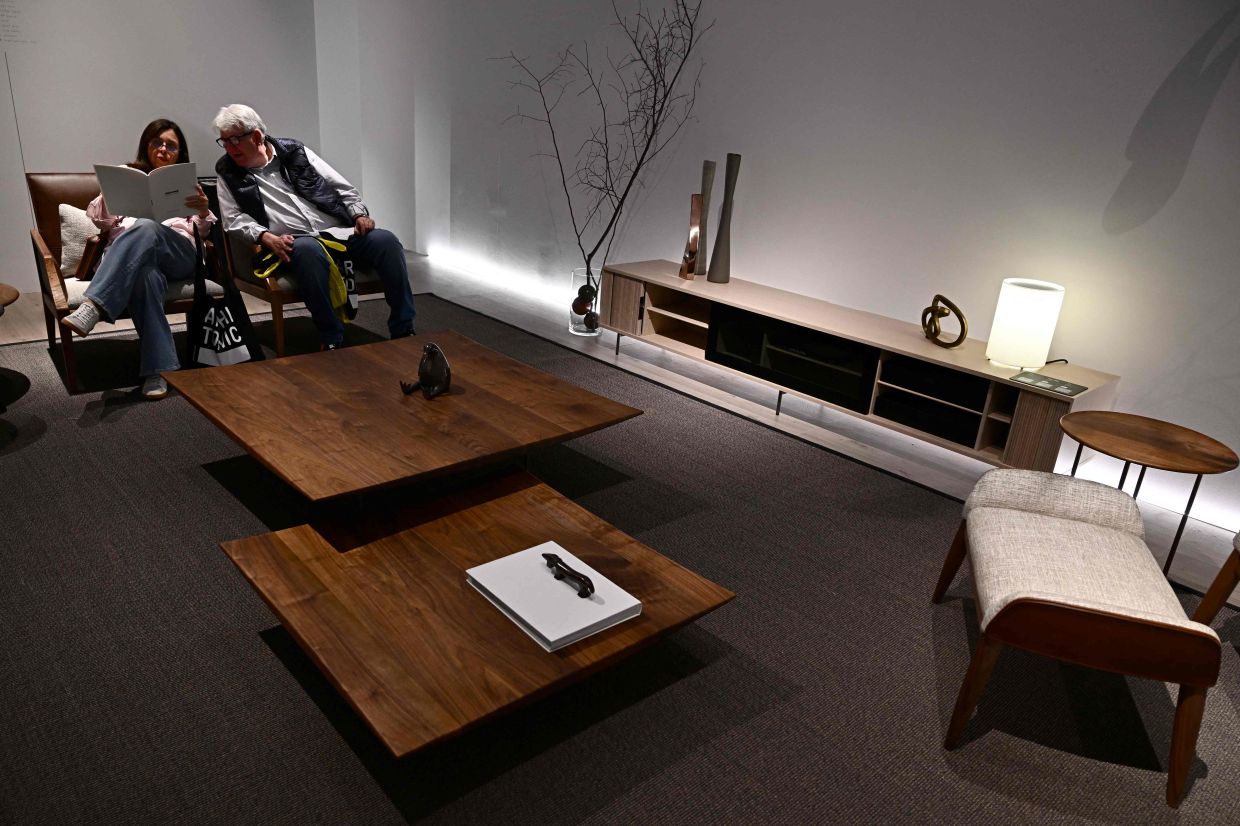
Nature and sustainability are also the watchwords of Finnish wooden furniture designer Nikari, located in Finland's oldest machinery workshop.
Set in the village of Fiskars, west of Helsinki, the workshop is powered entirely by water from a nearby river.
"We want to lower our customers' blood pressure and create a comfortable home where harmony and calm prevail," says CEO Johanna Vuorio.
The wood Nikari "comes from Finnish forests. The trees grow very slowly, some are over a thousand years old. Our tables and chairs can last for more than a century", Vuorio said.
One of the latest creations, a handmade "century-old" coffee table, sat at the entrance to the stand, its cracks a sign of its authenticity.
"We are not looking to make easy money with cheap solutions. We produce at our own pace without rushing," she said.
The "slow design" movement was launched in the early 2000s by the English academic Alastair Fuad-Luke.
Like the equivalent "slow food" or "slow fashion" movements, it advocates the use of natural or recycled materials and campaigns against over-consumption.
'Beautiful, sustainable'
The concept is applied to the letter by independent designer Francesco Meda, who collaborates with several brands, including Alias and Acerbis, based in northern Italy.
"Instead of presenting, like in fashion, 20 or 30 new collections every year, and putting so many objects on the world market, it is better to make fewer, but beautiful and sustainable ones," he said.
Meda reinvents "iconic objects created by great masters who have marked the history of design" by giving them "a contemporary touch".
"A quality chair can last 150 years," he said.
The iconic ash wood chair designed in 1996 by Riccardo Blumer, Laleggera, has been updated by Meda for Alias with new finishes and leather upholstery.
Another requirement is "virtuous production processes", with everything Meda designs produced in Italy using materials sourced fewer than 150km away from the companies he works with.
Local production and artisanal heritage are also the leitmotif of Verdi, a family business from Bogota in Colombia which exhibited carpets, wall coverings and window dressings.
"Everything is made by hand. We create contemporary textiles while respecting ancestral techniques. Natural fibres are used in 95% of our products," said Verdi chief executive
Tomas Vera.
Fibres such as fique, which is native to the Andes, and plantain, mulberry silk or alpaca wool are combined with copper and stainless steel wires.
The decision to embrace virtuous rather than industrial production values is partly customer driven.
"Consumers are much more aware, and constantly ask or check if our work is sustainable," Vera said. – AFP Relaxnews
Already a subscriber? Log in
Get 20% OFF The Star Digital Access
Cancel anytime. Ad-free. Unlimited access with perks.
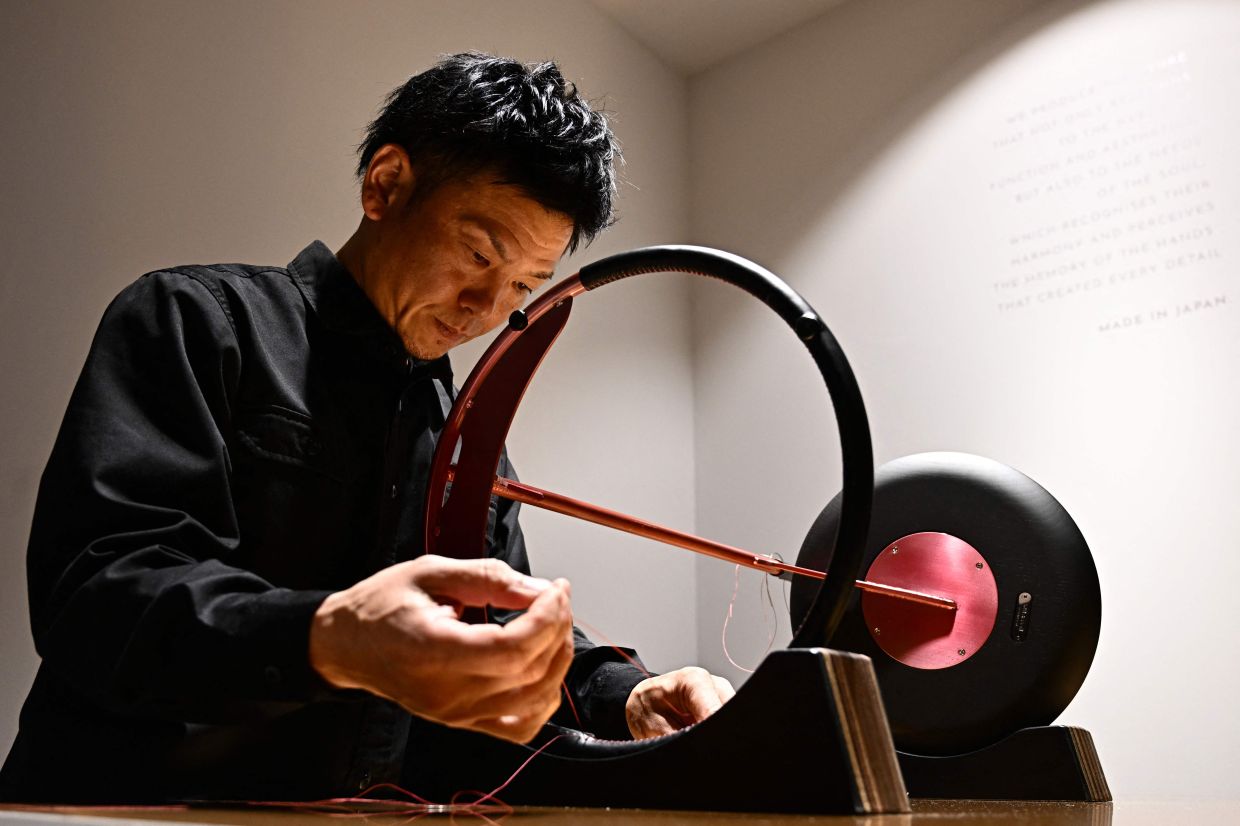
A Japanese artisan worknig on a piece for Japanese brand Ritzwell at the Salone del Mobile furniture fair in Milan during the opening day on April 18, 2023 as part of the Milan Design Week 2023. Photos: Gabriel Bouys/AFP
People visiting the stand of Japanese brand Ritzwell at the Salone del Mobile furniture fair in Milan.
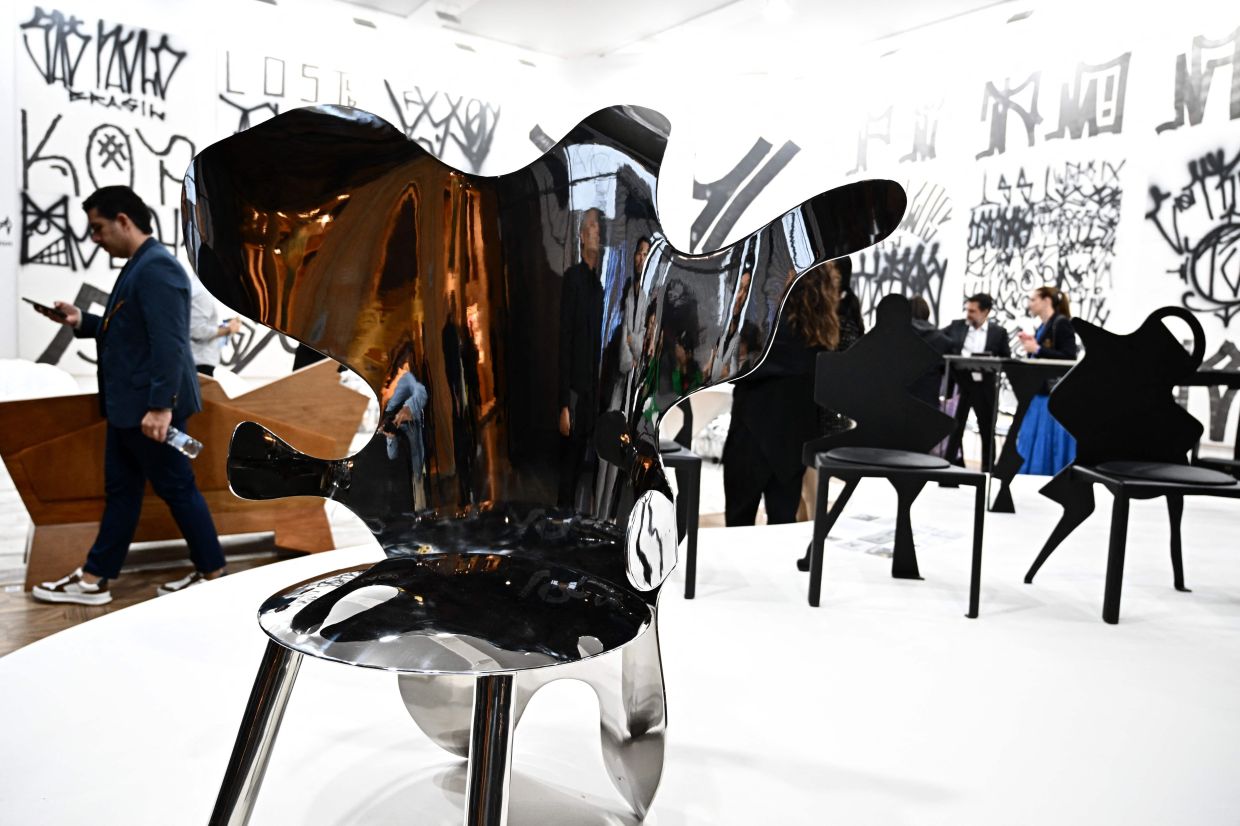
The stand of Brazilian brand 'A Lot of Brazil' at the Salone del Mobile furniture fair.
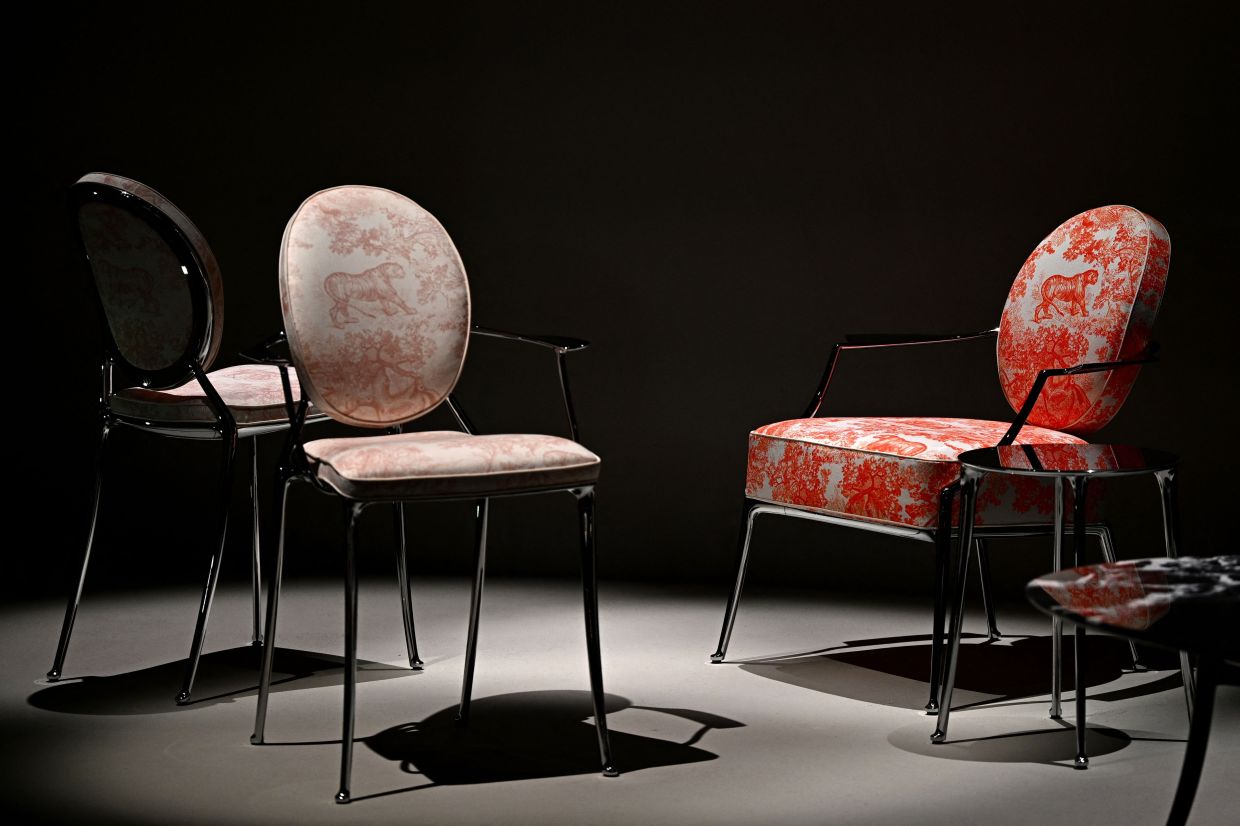
Chairs by French designer Philippe Starck are displayed during a media day to promote the Dior by Starck exhibition on April 17, 2023, on the eve of the opening of the Salone del Mobile furniture fair.
A visitor taking a picture of a table on the stand of Finnish brand Nikari.