
Fermentation has been a part of humanity’s food preparation repertoire for thousands of years.
It originally served as a method to preserve food before refrigeration was available, and to detoxify or enhance digestibility.
Food fermentation is the process whereby bacteria, yeasts, mould or fungi break down carbohydrates – such as starch and sugar – into acids, gas or alcohol.
The process results in a fermented food product with a desirable flavour, aroma or texture.
There are different types of fermentation, e.g. wine is produced by alcoholic fermentation using yeast, vinegar is fermented with acetic acid-producing bacteria, and soybeans are fermented by mould into tempeh.
Clinical research shows that these foods are often richer in vitamins, amino acids and beneficial bacteria.
Regular consumption of fermented foods supports gut health by introducing live probiotic bacteria that balance your gut microbiome, aid digestion and reduce inflammation.
But there is no single “best” fermented food, as gut health thrives on microbial diversity.
Popular choices include yoghurt, kimchi, miso, kefir and tempeh.
Pineapple has also been used as traditional medicine for centuries.
Indigenous communities across Central and South America widely used pineapple juice to treat stomach disorders, reduce inflammation and ease morning sickness.
Some cultures boiled the pineapple peels or root extracts into hot infusions to treat internal inflammation and parasitic infections.
Modern science caught up when researchers first isolated bromelain – an enzyme that breaks down protein and is responsible for these digestive benefits.
Doing it yourself
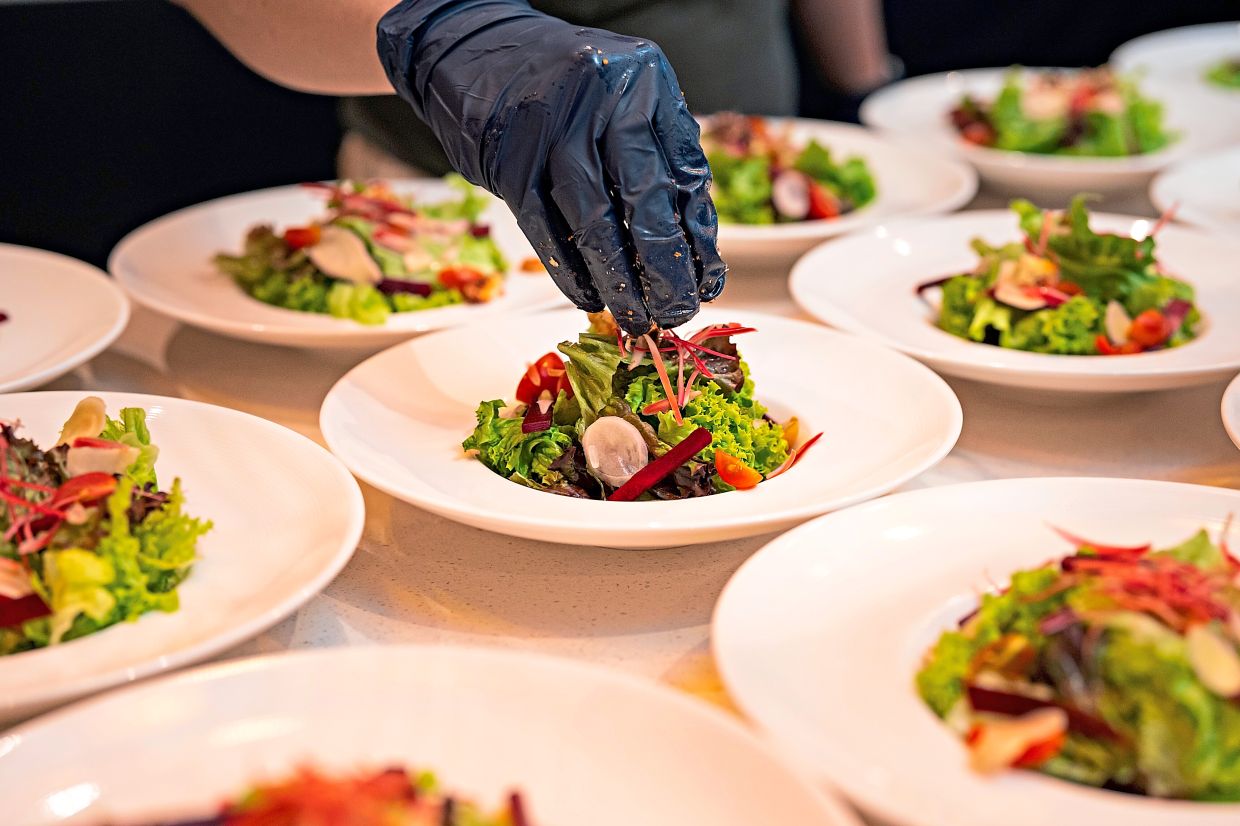
According to chef Edmend Kooh, fermentation is one of those processes that sounds scary on paper, but easy to get the knack of once you try it a couple of times.
However, there are a lot of risks involved with fermentation when not handled properly.
“For example, non-fermentation grade equipment might lead to some glass cracking or shattering, while jars that are not cleaned thoroughly or ingredients not fully submerged in water might lead to mould development,” he points out.
That said, it is relatively easy to do at home, if you have the time and patience to monitor the process.
For beginners, Kooh recommends making drinks such as fermented pineapple.
“It’s a one-and-done fermentation, and a great drink that stores well for one to two weeks after harvesting.
“It doesn’t require any specialised equipment – just some common ingredients from the market and you’re done!” he says.
Here’s his recipe for fermented pineapple beverage, which is loosely based on the Mexican drink tepache.
It is light and refreshing, with a slight hint of ginger to prevent flavour fatigue.
The ingredients are:
- About 1-1.3kg of pineapples of varying ripeness (organic is recommended), chopped into triangles with the skin on.
Do not over-rinse the skin as it gets rid of the natural bacteria and yeast that will help with the fermentation.
If the fruits are dirty, use a damp cloth to wipe their surface.
- 2-3 cinnamon sticks
- 50g of thumb-sized pieces of ginger with the skin on
- 150g of gula melaka (although conventional recipes use more) to kickstart fermentation by feeding some sugar to the yeast.
Some pineapples are sweeter than others, but the final sweetness can always be adjusted when serving.
Note that too much sugar will turn the beverage alcoholic.
- 2l of water.
Kooh explains: “The process of fermentation often converts sugar into alcohol, so the ginger is added as a secondary kickstarter to help shorten the overall fermentation and keep it alcohol-free.
“The pineapple skin is crucial as it contains lots of wild yeast, and the addition of ginger is both for flavour and as a fermentation booster.”
Make sure the ingredients are fully submerged in the water at all times with some weights on top – this is to prevent mould growth.
You’ll know it’s done when the water consistency turns slightly syrup-like and large surface bubbles have appeared before slowly going away.
“From there, check it every few hours until it reaches your desired taste,” Kooh says.
A rough guide would be one to two days for a light colour and taste, or three to five days for an intense and more concentrated pineapple taste that works better as a mocktail or a concentrate.
“Once the drink has reached your desired sweetness and fragrance, take out the pineapple, remove the skin and mash them up into pineapple pulp.
“You can adjust the sweetness further with a little bit of ginger syrup, i.e. boiling a mix of ginger slices/juice, water and sugar,” he says.
You can also add a bit of sparkling water for fizziness.
Kooh adds: “Once it’s ready, just filter the ingredients out and it’s ready to drink!
“There’s no right or wrong answer, as long as it’s delicious and to your liking.”
Lacto, but not dairy
Another option to help improve gut health is lacto-fermented foods.
Lacto-fermenting is a natural food preservation method where beneficial Lactobacillus bacteria convert sugars in vegetables or fruits into lactic acid using salt and an oxygen-free environment.
Despite the name, it contains no dairy.
Kooh says lacto-fermented beetroot comes highly recommended.
“Beetroot is a really good source of fibre, but most people know it for its punchy colours and sometimes overwhelming sweetness after it’s cooked.
“Lacto-fermenting is a different way to ferment and lightly pickle the vegetables.
“For root vegetables like beetroot, it makes them crunchy and tender at the same time, with a bit of brininess throughout, making it a great side dish,” he says.
Prebiotics and probiotics
A common misconception is that all fermented foods are automatically probiotics – they are not, says consultant dietician Mary Easaw.
According to the International Scientific Association for Probiotics and Prebiotics, and the World Health Organization (WHO), probiotics are live microorganisms that, when administered in adequate amounts, can confer a health benefit on the host.
“The probiotic products contain around one billion colony-forming units (CFU) per serving.
“The products must be consumed in adequate amounts depending on the specific strain and health outcome studied.
“They must contain live cultures at the point of consumption.
“An easy analogy: probiotics are the seeds (the beneficial microorganisms), while prebiotics are the fertiliser (the fibres that help those microorganisms grow and thrive).
“Both play complementary roles, but prebiotics may have a greater impact on long-term gut health because they nourish the beneficial bacteria already living in your gut,” Easaw explains.
Examples of prebiotic-rich foods include garlic, onions, leeks, asparagus, slightly green bananas, lentils, beans, soybeans, sweet potatoes, oats, barley and whole grains.
If a beverage contains live microorganisms at the time of consumption, it may also contribute to probiotics.
However, not every fermented drink provides the same benefit.
She says the effectiveness depends on several factors such as:
- The presence of live, viable microorganisms when consumed.
- The presence of at least one billion CFUs of bacteria per serving. (Read the food label to determine the CFU)
- The amount of sugar, as excessive added sugar may reduce the nutritional value.
- Proper preparation and storage, which are essential to maintain microbial viability and food safety.
And keep in mind that too much of a good thing isn’t necessarily beneficial, so always eat and drink everything in moderation.