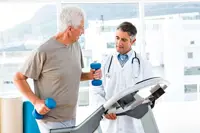
Surgery is seen in modern heart medicine as the beginning of a two-phase process: recovery and wellness.
Following surgery, recovery is the body’s natural, transient healing process that aims to mend wounds and avoid complications or infections.
This phase makes sure the body heals physical damage, including catheter punctures or chest incisions from bypass surgery, in a safe manner.
Conversely, wellness is a long-term, active lifestyle that transcends recovery.
It entails taking care of one’s physical, mental and emotional well-being in order to live fully and prevent cardiac issues in the future.
Cardiac rehabilitation, which enables patients to safely transition from recovering to maintaining overall heart health, is the essential link between recovery and wellness.
This two-step approach helps patients in making a full recovery and adopting sustainable habits for long-term heart health and enhanced quality of life.
A top killer
Heart disease is a growing crisis in Malaysia, with ischaemic heart disease (caused by blocked heart arteries) remaining the leading cause of death nationwide.
Government statistics show that heart disease accounted for 20-23% of deaths in government hospitals in the early 2000s.
Today, it causes 16.1-18.4% of all certified deaths, claiming tens of thousands of lives annually.
Heart disease also represents about 8% of all hospital admissions, according to the National Heart Institute (better known by its Malay acronym IJN).
Alarmingly, the average age of heart patients has dropped from 63-68 years to 56-59 years – nearly a decade younger than in Western countries.
Heart attacks are also increasingly affecting Malaysians in their 30s and 40s, making heart disease the leading cause of death among working-age adults.
This alarming trend is driven by modern lifestyle challenges such as sedentary work, poor diet and chronic stress.
These factors increase stress hormones, which eventually cause heart damage and elevated blood pressure.
Key cardiac conditions that require medical intervention include:
- Coronary artery disease – an accumulation of fatty cholesterol that obstructs blood flow in heart vessels.
- Heart attack (acute coronary syndrome) – damage to the heart muscle caused by an abrupt occlusion of a blood clot.
- Heart valve diseases – the heart must work harder to pump blood when valves become stiff or loose.
- Heart failure – when the heart muscle is weak or stiff, it cannot pump enough blood, which results in fatigue, breathlessness and swelling.
Understanding these conditions highlights the critical role of cardiac rehabilitation in recovery, averting further heart-related damage and fostering long-term heart health.
Post-op programme
A smooth recovery depends on clear medical instructions and patient adherence.
Traditionally, doctors focused on consent and surgical risks, but ideally, effective pre-surgery counselling should also allay anxieties, explain what to expect post-surgery and teach simple lung exercises.
In the hospital, nurses and doctors monitor heart activity, manage fluids and assist with early mobility.
However, patients often feel groggy, in pain and overwhelmed, making it hard to remember complex care instructions.
Leaving the hospital is a critical and risky phase.
Typically, patients are given a lot of medical documents and are left on their own to handle their recuperation.
Uncertainty over safe physical activity, dread of typical healing pains, and confusion regarding drugs are prevalent in the absence of structured rehabilitation.
However, modern medicine offers a clear, step-by-step recovery plan called the EASE Programme to address this.
It consists of:
Patients engage in basic exercises like stationary cycling or treadmill-walking in a secure, supervised environment.
These exercises improve healing, reduce resting heart rate and strengthen the heart muscle.
This structured approach ensures improved recovery results and long-term heart health by assisting patients in making a safe transition from the hospital to their homes.
Dietitians encourage avoiding processed meats, high-salt diets and unhealthy fats.
Instead, they advocate for heart-healthy choices, including fresh veggies, oats, whole grains and seafood high in omega-3 fatty acids.
As long-term stress raises blood pressure, the programme offers expert counselling to address anxiety, fear and depression, in addition to teaching mindfulness meditation and deep breathing techniques.
Family members or in-home carers receive training in medication administration, early recognition of warning signs and provision of constant emotional support.
Some patients might be tempted to skip some steps in the programme.
However, there might be detrimental effects to doing so.
Ignoring emotional stress delays recovery and lowers motivation; stopping medicine increases the risk of blood clots; and overexertion can harm healing wounds or result in abnormal heart rhythms.
Role of cardiac nurses
While surgeons save lives through operations, cardiac nurses are essential to everyday rehabilitation because they bridge intricate medical science with practical, continuous patient care and support.
Cardiac nurses have three main duties that are vital to your survival and recovery:
They keep a careful eye on your blood pressure, oxygen levels and heart rhythm during rehabilitation.
They can quickly help modify your daily physical activities or administer medical treatment to keep you safe because of their experience in detecting subtle, dangerous changes early.
Following a cardiac episode, you may be prescribed several new drugs, which can be overwhelming.
The purpose, timing and potential side effects of each medicine should all be explained in detail and in simple language by cardiac nurses.
To make sure you never forget a vital dose, they can assist you and your family in creating basic routines, utilising devices like pill boxes or phone reminders.
Cardiac nurses use a “Teach-Back” approach to make complex medical jargon understandable.
To make sure you fully comprehend your treatment and recuperation plan, they ask you to describe your wound care or medication routine in your own words.
When viewed from this educator perspective, these responsibilities make cardiac nurses essential guides and protectors during your heart rehabilitation process.
During the heart recovery process, cardiac nurses provide crucial behavioural and emotional support.
In addition to providing empathetic listening and teaching relaxing breathing methods to reduce anxiety and panic, they also conduct mental health assessments.
They can help increase patients’ self-esteem and drive during trying times by supporting them through physical milestones.
While constantly keeping an eye on vital signs and providing information to families, cardiac nurses can help turn post-surgery rehabilitation into a clear, doable route to long-term health and a full recovery.
Early intervention and systematic rehabilitation are critical in the increasing heart disease crisis in Malaysia.
Programmes like EASE, backed by cardiac nurses, can help patients manage stress, exercise, diet and medication adherence, while bridging the gap between sophisticated medical treatment and useful support.
In the end, cardiac rehabilitation gives patients the ability to not only heal, but also take back their lives with newfound vigour and strength.
Umadevi Balasingam is a clinical instructor at Sunway University’s School of Nursing. For more information, email starhealth@thestar.com.my. The information provided is for educational and communication purposes only, and should not be considered as medical advice. The Star does not give any warranty on accuracy, completeness, functionality, usefulness or other assurances as to the content appearing in this article. The Star disclaims all responsibility for any losses, damage to property or personal injury suffered directly or indirectly from reliance on such information.