
As Malaysians, we are true believers of the saying “sharing is caring”.
We are always ready to lend a helping hand, making the time and effort to aid those in need, and in most cases, sharing what we have with our loved ones, or even strangers.
But what if someone told you that not everything is meant to be shared, or that sometimes, sharing can truly mean the difference between life or death, especially in certain matters of health?
Dramatic?
Probably.
Realistic?
Absolutely.
There are a number of diseases that can be passed on by the mere act of sharing, such as the sharing of utensils, food and needles.
Some of the ailments that result from this can range from a minor flu to some of the most life-threatening illnesses, including hepatitis.
What is hepatitis?
World Health Organization (WHO) Strategic and Technical Advisory Committee for Viral Hepatitis founding co-chairperson Professor Dr Rosmawati Mohamed explains: “Hepatitis essentially means inflammation of the liver, the second largest organ in our body.
“Our liver has multiple vital roles that help us function daily.
“It processes our nutrients, filters our blood and fights off infections.
“So, when our liver gets inflamed or damaged, essential functions in our body are affected.
“Hepatitis can be caused by multiple factors, including medications, toxins and heavy alcohol consumption.”
She adds: “The most common cause of hepatitis comes from a virus, and different viruses cause different types of hepatitis, such as hepatitis A, B, C, D and E.
“Since different viruses cause different types of hepatitis, the symptoms, treatment and management will also differ (see graphic below).
“Unlike hepatitis A, hepatitis B and C cause long-term or chronic infection, potentially leading to cirrhosis (liver scarring) and liver cancer. ”
Hepatitis B increased from 2.26 per 100,000 population in 2010, to 12.65 per 100,000 in 2015, in Malaysia.
As for hepatitis C, it increased from 2.56 per 100,000 population in 2010, to 6.91 per 100,000 in 2015.
Health director-general Tan Sri Dr Noor Hisham Abdullah said that one million people were estimated to be chronically infected with the hepatitis B virus in 1998, while 453,700 were infected with the hepatitis C virus in 2009.
Hence, it is crucial that appropriate measures are taken to reduce the burden of disease related to viral hepatitis.

Their stories
Lee (not his real name) was diagnosed with hepatitis C when he was 69 years old.
He had no obvious symptoms of a liver-related illness.
Going through a painful personal journey at that time, he was drinking alcohol regularly and heavily.
During routine blood tests overseas, he was found to have abnormal liver enzymes, which became worse over time.
Doctors advised him to reduce his alcohol consumption, but did not recommend a hepatitis test.
However, when Prof Rosmawati met him when he was back in Malaysia, she felt that he should take a hepatitis test due to his worsening symptoms.
A hepatitis screening subsequently confirmed he had hepatitis C, while follow-up tests indicated he had cirrhosis.
This gave Lee the jolt he needed to make lifestyle changes.
After a three-month treatment regime consisting of one tablet per day, tests showed that the hepatitis C virus was no longer present – he had been cured.
He suspects he was infected through tattooing, as he used to visit multiple tattoo parlours during his many travels throughout South-East Asia.
With his recovery, Lee has continued living a healthier lifestyle, with a balanced diet, regular exercise and adequate rest.
He feels great and is thankful that he was screened and obtained the required treatment to address his condition.
He now follows-up with Prof Rosmawati once every six months to ensure that his cirrhosis does not worsen or progress to liver cancer.
Meanwhile, Siti Zubaidah was found to have abnormal liver enzymes during a routine blood test.
Her risk factor was that she had received a blood transfusion in 1983 due to childbirth complications.
Following a hepatitis screening, she was diagnosed with hepatitis C.
Her doctor also performed a special liver scan, which showed that she had cirrhosis.
Despite her fear and dread, Siti Zubaidah successfully completed her three months of oral treatment and was successfully cured.
Further testing has shown improvement in her liver scarring, and she continues to see Prof Rosmawati once every six months.
The consultant hepatologist advises people who have one or more risk factors for hepatitis to get screened for their own safety and well-being.
As testing for hepatitis C was not available worldwide until the early 1990s, Prof Rosmawati strongly advises: “Malaysians who have had a blood transfusion prior to 1994 should visit the nearest doctor to be tested for hepatitis C, as there were no screening mechanisms for hepatitis C in blood transfusions before then.”
And while the last few years have seen a marked improvement in safety and health hygiene at tattoo parlours, especially with their usage of new needles for each customer, she recommends doing research before visiting a tattooist to ensure optimum health standards are in place.
Get screened and treated
As hepatitis B and C account for the majority of liver-related deaths in this country, the Health Ministry has outlined the National Strategic Plan (NSP) for Hepatitis B & C (2019-2023).
With the current technology in expediting screening and diagnosis of the disease, as well as the availability of effective and affordable treatment, it is not impossible to prevent and treat viral hepatitis, and even cure hepatitis C.
Prof Rosmawati says: “Under the NSP, Malaysia is committed towards eliminating viral hepatitis by 2030 and screening for the disease has never been easier.
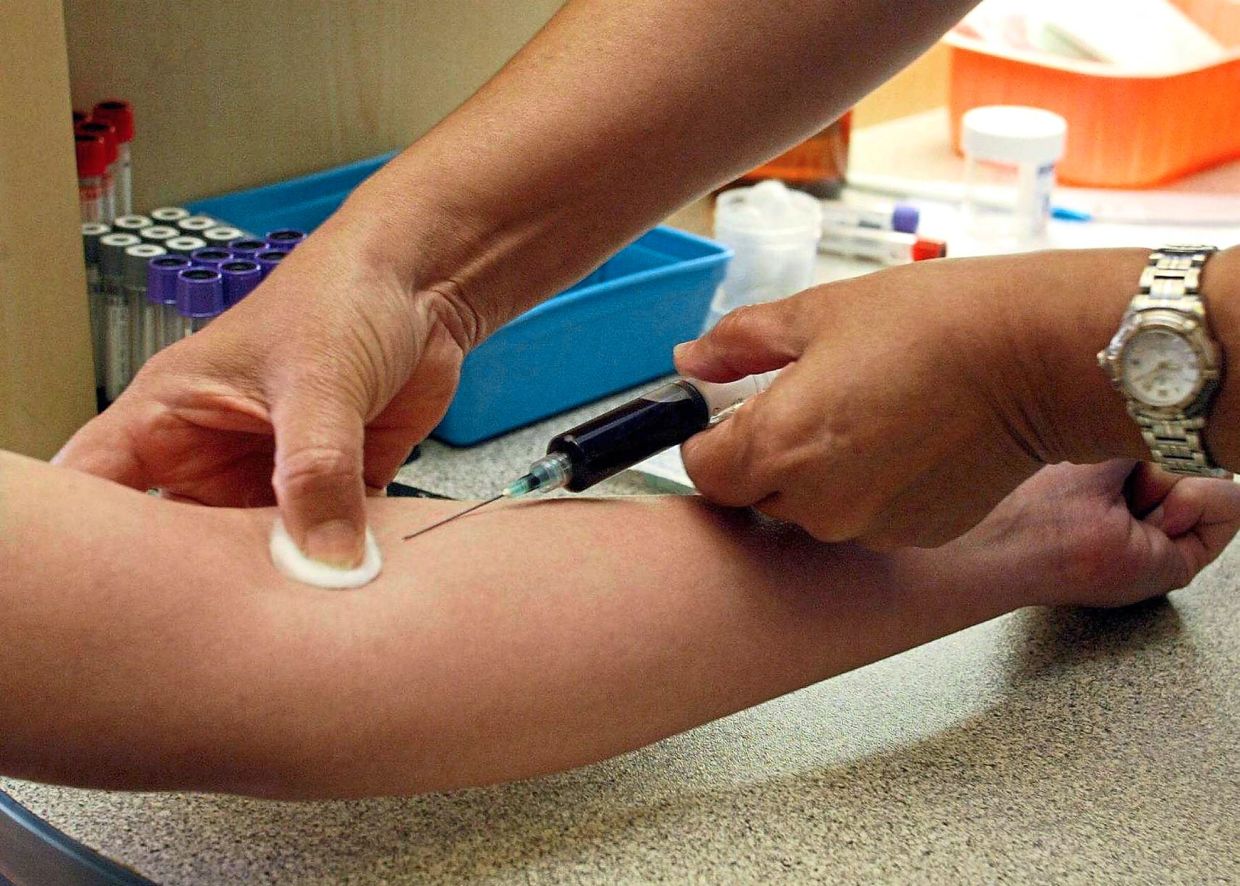
“All you need to do is visit your doctor and ask to be screened.
“If you have hepatitis, early detection, diagnosis and treatment can guide you towards preventing the long-term consequences of cirrhosis and liver cancer.”
Hepatitis affects over 325 million people across the world.
Globally, 90% of people living with hepatitis B and 80% living with hepatitis C are unaware they have the disease.
Prof Rosmawati notes that: “Eliminating the sharing of needles and personal objects that may contain blood, such as razors, would be the best way to avoid getting infected and having a potentially fatal disease.
“When it comes to sharing these types of items, just say no!
“Avoiding behaviours that can put you at risk would also be beneficial in minimising your exposure to hepatitis.
“Sometimes, sharing is just not a good idea.”
While hepatitis A and B may be prevented with vaccinations, screening for hepatitis C will be your best bet to ensure early diagnosis and treatment.
If you have been diagnosed with hepatitis C, early treatment could mean the difference between recovery or progressing to a more chronic level of liver disease, including cirrhosis and liver cancer.
By getting the help you need from your doctor, you may be cured with the right treatment within three to six months.
Embarrassment and stigma
Some patients have admitted to being ashamed of being diagnosed with hepatitis.
This stigma has also caused patients to refuse screening, or even treatment, due to them feeling embarrassed to have been infected with the disease.
A lack of awareness of the disease and misinformation have led some to believe that people with hepatitis have led risky lifestyles, hence the infection.
Prof Rosmawati implores people to move past the stigma and embarrassment.
“People have created a stigma for those suffering with hepatitis, which can lead to a sense of isolation for the patients.
“With more information and education, people can understand that being infected with hepatitis does not make them a bad person or someone who deserves to be sick.
“Everyone has a right to healthcare and if you feel you might be at risk, go and get yourself screened.
“You are not only protecting yourself, but also your loved ones.”
You can click here to learn more about getting tested and treated for hepatitis.
Already a subscriber? Log in
Get 20% OFF The Star Digital Access
Cancel anytime. Ad-free. Unlimited access with perks.