Do you really need vitamins and supplements?


By AGENCY
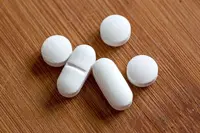
Vitamins are tools you can use to promote your health but it's not a panacea. — Photos.com

Sales of vitamin supplements in powder or pill form skyrocketed during the pandemic, as people around the world looked for ways to boost their immune systems.

"It can't harm," many would argue.

Experts say that's wrong.

Vitamin supplements are often advertised as bolstering your immune system or strengthening your bones, and sometimes even as protecting against Covid-19 or healing cancer.

Market studies show their sales have boomed during the pandemic. Experts warn, however, that using them is generally not only a waste of money, but also potentially dangerous.

How prevalent is their use?

A third of the German population, for example, takes vitamins as dietary supplements at least once a week, according to a representative survey by Germany's Federal Institute for Risk Assessment (BfR).

One in six takes vitamin tablets or powders daily.

And recent data from the United States National Health and Nutrition Examination Survey show that among American adults aged 20 and over, 57.6% used any dietary supplement in the past 30 days, and that use increased with age.

The most common dietary supplements used by all age groups were multivitamin-mineral supplements.

Ill-effects of overdosing

BfR President Andreas Hensel throws cold water on vitamin lovers' high hopes though: "A balanced and varied diet provides your body with sufficient amounts of almost all vitamins," he says.

"Most people don't need vitamin supplements. If you take high-dose vitamins unnecessarily, you risk an overdose with undesirable health effects."

An overdose will result at best in your body producing "expensive urine," quips Wiebke Franz, a nutritionist for the consumer advice centre in the German state of Hesse.

At worst you'll harm your health.

Dietary supplements, including vitamins, aren't subject to the quality and safety testing that medicines are, she notes. Consequently, it's not uncommon for vitamin tablets and powders to have impurities.

And she says it's important to be aware of possible drug interactions.

Beta carotene, a precursor to vitamin A, can increase smokers' lung cancer risk, warns Franz, and a vitamin A overdose "isn't harmless" either.

Too much vitamin D can cause headaches, nausea and kidney calcification, and taking excessively high doses of vitamin C for too long can lead to bladder and kidney stones.

Vitamin overdoses sometimes go unnoticed, she says, because people who take the tablets and powders ingest vitamins naturally in their food too, some of which is also enriched with vitamins.

There are no specified safe limits for vitamin intake, something that consumer advocates have been criticising for years.

"Vitamin deficiencies aren't a problem in Germany. The vast majority of people in this country are sufficiently supplied with vitamins," asserts the German Nutrition Society (DGE).

Dietary supplements are recommended only for a few segments of the population, for example pregnant women, chemotherapy patients, the extreme elderly and strict vegans.

Sales of vitamin supplements are booming anyway.

Soaring sales

German pharmacies alone sold nearly 2.3 billion euros (RM10.7bil) in dietary supplements in 2020, more than half of which were vitamins and minerals, according to the Germany branch of IQVIA, a US-based market research and pharmaceutical consulting company.

Influencers receive a commission for advertising or reselling products, something that is difficult to control. — AFP

The vitamin and mineral sales represented an increase of 11% over 2019.

Immunostimulants saw the greatest growth at 12%, and combinations of vitamins A and D, as well as those including vitamin C, also posted double-digit growth.

"The 2020 boom in sales of dietary supplements such as vitamin A and D combinations, and vitamin C too, is likely due to the Covid-19 pandemic," says Thomas Heil, vice president of IQVIA Germany's consumer health division.

"Consumers expected that taking them would provide a certain amount of protection against infection."

Experts say they were mistaken. "No studies are known that show taking vitamin D supplements protects either against infection with the novel coronavirus or the onset of disease symptoms," the BfR reports.

And the Robert Koch Institute, responsible for disease control and prevention in Germany, writes: "There's no evidence to date that people with an adequate vitamin D status are benefited in this regard by taking vitamin D supplements."

Consumer adviser Franz warns against giving credence to health claims made by manufacturers and distributors of vitamin supplements. The products are touted as wonder drugs of sorts, she says, particularly on the internet and via direct marketing.

"The providers are deceiving consumers by promising health benefits or even cures," she remarks.

Marketing on social media channels is an especially big problem, says Christiane Seidel, a food adviser for the Federation of German Consumer Organizations (VZBV).

Although suppliers are forbidden from making false assertions about their products, they often make inadmissible health claims on social media, sometimes even going as far as to say the products "help against cancer".

"Vitamins can help the body function normally," Seidel says. "Dietary supplements don't help to treat diseases."

Vitamin supplements are a "super lucrative business," she notes, adding that direct internet marketing is difficult to control.

The illegal advertising is often propagated by influencers who receive a commission for plugging or reselling the products.

Many of the companies are located in other countries, and their websites often give no company details and pop up only briefly, all of which presents "a huge problem for enforcing the law."

The vitamin supplement business has grown enormously since the start of the Covid-19 pandemic, according to the VZBV.

Whether it shrinks when the pandemic recedes remains to be seen. The latest IQVIA data show that while pharmacy sales of vitamin A and D supplements in Germany continued to rise in 2021 – by nearly 17% – sales of purely vitamin C supplements fell. – dpa

Get 20% OFF The Star Digital Access

Monthly Plan

RM 13.90/month

RM 11.12/month

Billed as RM 11.12 for the 1st month, RM 13.90 thereafter.

Best Value

Annual Plan

RM 12.33/month

RM 9.87/month

Billed as RM 118.40 for the 1st year, RM 148 thereafter.

Follow us on our official WhatsApp channel for breaking news alerts and key updates!
Vitamins , Supplements , Beta Carotene

Next In Health

A ‘master key’ for vaccine development�
How to instil street-smarts in your kids
Do men undergo menopause too?�
Take control of your diabetes, don't let it control you
Potential pesticides on coffee beans�in Europe
Malaysians are not ageing well
Can our bodies adapt to heatwaves?�
When water takes lives�
What is a head spa?
How elections can affect our emotions

Others Also Read