These risk factors for dementia can be prevented


By AGENCY
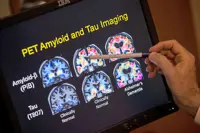
Some risk factors for dementia are modifiable, e.g. social isolation, smoking, excessive alcohol consumption, obesity and physical inactivity. — AFP

Up to 40% of dementia cases could be prevented or delayed, according to a report published on July 30 (2020) that called for urgent action on risk factors from excessive drinking to air pollution.

The number of people around the world living with dementia is expected to soar from around 50 million today to over 150 million by 2050.

But experts in a commission for The Lancet journal said that a range of policy actions could dramatically reduce or delay cases, in updated research based on analysis of a wide variety of international studies.

The report said a lack of education in childhood, midlife hearing loss and smoking in older age, accounted for 7%, 8% and 5% of dementia cases respectively.

It also identified three new risks – head injuries and excessive alcohol consumption in middle age, and exposure to air pollution later in life – which together are associated with 6% of all cases.

“Our report shows that it is within the power of policymakers and individuals to prevent and delay a significant proportion of dementia, with opportunities to make an impact at each stage of a person’s life,” said lead author Professor Dr Gill Livingston of University College London in the United Kingdom.

Recommendations include healthy lifestyles, policies to tackle pollution and prevent head injuries in high risk occupations, as well as initiatives such as providing hearing aids.

Dementia is caused when the brain is damaged by diseases, such as Alzheimer’s or stroke, and can affect people’s memory, moods and their ability to perform daily tasks.

Beyond the challenges it poses to individuals and families, experts estimate its economic cost at about US$1tril (RM4.19tril) every year.

The number of people living with dementia have surged as the global population expands and people live longer.

Some two-thirds of people with dementia are now living in low- and middle- income countries.

The report authors said tackling risk factors in these nations and among deprived communities in richer countries would have the greatest impact.

But co-author Prof Dr Adesola Ogunniyi of the University of Ibadan in Nigeria, called for more research in these societies, as nearly all the evidence for dementia currently comes from studies in high-income countries.

Other dementia risk factors identified in the report were: hypertension in mid-life (2%), obesity in middle age (1%), depression (4%), social isolation (4%), physical inactivity (2%) and diabetes (1%).

Reacting to the study, Tara Spires-Jones from the University of Edinburgh’s UK Dementia Research Institute said that it provided an important set of practical measures that people can take to reduce their risk of dementia.

But she noted that the study suggests 60% of cases “are to the best of our knowledge, caused by things people cannot control like their genes, so I hope that this report will not lead to people feeling like having dementia is their ‘fault’”.

She also cautioned that the data used “does not prove causation”, adding there was evidence that brain changes in early dementia cause depression.

Last year (2019), a report by Glasgow University in the UK found that former footballers are approximately three-and-a-half times more likely to die from neurodegenerative diseases than the general population, focusing attention on the way players’ head injuries are treated. – AFP Relaxnews

Get 20% OFF The Star Digital Access

Monthly Plan

RM 13.90/month

RM 11.12/month

Billed as RM 11.12 for the 1st month, RM 13.90 thereafter.

Best Value

Annual Plan

RM 12.33/month

RM 9.87/month

Billed as RM 118.40 for the 1st year, RM 148 thereafter.

Follow us on our official WhatsApp channel for breaking news alerts and key updates!
Dementia

Next In Health

When water takes lives�
What is a head spa?
How elections can affect our emotions
Nutrition during the golden years�
When you're trapped by an earthquake
No, creatine won't make you go bald
Doctors, please treat the woman, not just her cancer
Rabies reemerges in Europe due to disruptions in wildlife vaccinations
Pack these essentials when you're working out outdoors
Faking an illness to gain sympathy

Others Also Read