Why applying sunscreen should be part of your daily routine


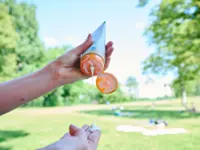
Don’t be afraid to generously apply sunscreen as most people often don’t put on enough for adequate protection. — dpa

The phrase “fun in the sun” was first used by American playwright Samuel Marshall Ilsley in his 1898 poem Epiphany.

Over time, this phrase has come to be commonly used to promote outdoor activities, particularly in tropical countries such as Malaysia, where sunlight is abundant.

Nevertheless, excessive time spent in the sun can turn a healthy glow into sunburn, or even increase the risk of skin cancer.

In this context, sunlight exposure offers both benefits and risks to human health.

Therefore, the use of sunscreen is essential, as it helps protect the skin from these harmful effects.

Globally, the incidence of non-melanoma skin cancer has shown a concerning upward trend in recent years, particularly among males.

Although non-melanoma skin cancer is not among the 10 most common cancers in Malaysia, this upward trend nonetheless raises concern.

One of the key contributing factors to skin cancer is exposure to ultraviolet (UV) radiation, as prolonged exposure is responsible for the development of the main types of skin cancer.

In light of this, sunscreen plays an important preventive role.

It is a topical product applied to the skin to reduce the amount of UV radiation that penetrates the skin, thereby lowering the risk of DNA (deoxyribonucleic acid) damage and the development of skin cancer.

Topical products applied to the skin is aimed at reducing the amount of UV radiation that penetrates the skin. — Pixabay

Understanding UV rays

Sunscreen use has grown rapidly over recent years, alongside the expanding variety of sunscreen products available in the market.

In this context, understanding UV radiation is essential for selecting the most appropriate sunscreen.

There are three main types of UV radiation: UVA, UVB and UVC rays.

The majority of UV radiation that reaches the Earth’s surface consists of UVA, while a smaller proportion is UVB.

On the other hand, UVC does not reach the Earth because it is absorbed by the ozone layer.

UVA penetrates deeper into the skin and contributes to premature skin ageing, whereas UVB primarily affects the outer skin layers and causes sunburn.

Both UVA and UVB play a role in the development of skin cancer by damaging the DNA within skin cells, which may lead to genetic mutations.

To quantify UV exposure, the Ultraviolet Index (UVI) is used to measure the intensity of UV radiation at the Earth’s surface.

It ranges from zero to 11, with higher values indicating a greater risk of skin damage.

In Malaysia, UVI levels are typically high between 10am and 4pm, with peak radiation occurring from 12pm to 2pm.

Therefore, it is crucial to apply sunscreen during these hours as a primary protective measure, supplemented by wearing hats, sunglasses and protective clothing.

Using sunscreen

There are two main types of sunscreen: mineral and chemical.

Mineral sunscreens, also known as physical sunscreens, work by reflecting UV radiation.

Meanwhile, chemical sunscreens absorb UV radiation and convert it into heat.

Commonly approved active ingredients in mineral sunscreens include zinc oxide and titanium dioxide, while chemical sunscreens typically contain ingredients such as avobenzone, octocrylene and oxybenzone.

In 1974, the Sun Protection Factor (SPF) was introduced to indicate the level of protection against UVB rays.

Sunscreen protection levels are commonly classified into four categories based on SPF values: > Low: SPF 6 or higher, but less than 15 > Medium: SPF 15 or higher, but less than 30 > High: SPF 30 or higher, but less than 50 > Very high: SPF 50 and above.

The most effective sunscreen is one that will be used consistently, so it is advisable to choose a product that suits your skin type, budget and lifestyle.

Sunscreens are available in a variety of formulations, including lotions, creams, sprays, gels and sticks.

Individuals with dry skin are recommended to use sunscreens containing moisturising ingredients, while those with oily skin should opt for oil-free formulations.

For sensitive skin, mineral sunscreens may be the most suitable option, as they are less likely to cause irritation.

Adequate application and appropriate selection of sunscreen are essential for protecting the skin from UV rays.

Guidelines for sunscreen use recommend applying a broad-spectrum, water-resistant sunscreen with an SPF of 30 or higher to all exposed areas at least 15 minutes before sun exposure. For optimal protection, sunscreen should be applied generously to all exposed skin using practical measurement methods such as the finger-length method or fingertip units (FTUs) to ensure adequate coverage.

The amount required varies according to the body area being protected.

The product should be spread evenly and reapplied every two hours, or more frequently after swimming or excessive sweating.

Residing in tropical countries offers a plethora of outdoor activities, making exposure to the sun inevitable. — Pixabay

Facts and myths

Some individuals may perceive sunscreen use as less important due to several myths circulating in the community.

These misconceptions can influence attitudes towards sun protection, despite the well-established benefits of sunscreen. 

One common myth is the belief that darker skin does not require sunscreen.

Although higher levels of melanin provide some natural protection, individuals with dark skin remain susceptible to photoageing and skin cancer.

Another myth is that sunscreen is only necessary outdoors on hot and sunny days.

In fact, UV rays can penetrate clouds and window glass, causing skin damage even indoors or on overcast days.

Therefore, it is recommended to wear sunscreen daily for protection against UV radiation.

The UVI can be used as a reliable guide to monitor periods of harmful UV exposure.

A further misconception is that high SPF sunscreen provides complete protection from sun exposure.

While higher SPF values do offer increased protection, the gain becomes minimal beyond SPF 30.

For instance, SPF 15 blocks approximately 93% of UVB rays, SPF 30 blocks 97%, SPF 50 blocks 98%, and SPF 100 blocks 99%.

Thus, high SPF sunscreen should not be used as justification for extended sun exposure or as a replacement for other sun-protective measures.

Another myth is the belief that a thin layer of sunscreen is sufficient.

In practice, most people apply far less sunscreen than needed, which greatly reduces its protective effect.

Regardless of the SPF used, sunscreen should be reapplied every two hours, and more frequently after swimming or excessive sweating, to maintain effective protection.

The belief that sunscreens do not expire is also a misconception.

Sunscreen loses effectiveness over time and should always be checked for an expiration date.

If no expiration date is printed, sunscreens are generally considered to have a shelf life of three years.

Sunscreens owned for longer than three years without a visible expiration date should be replaced to ensure safety and adequate protection.

Be safe

Residing in a tropical country like Malaysia offers a plethora of outdoor activities, making exposure to the sun inevitable.

While the allure of enjoying time outdoors is undeniable, it is important to recognise the potential harm that prolonged sun exposure can cause, including an increased risk of skin cancer.

By properly selecting and applying sunscreen, seeking shade, and wearing protective clothing, individuals can enjoy outdoor activities while protecting their skin and ensuring skin health.

Sharmila Thevi Saminathan is a pharmacist with the Petaling District Health Office’s Pharmacy Logistics Unit. This article is courtesy of the Health Ministry’s Pharmacy Practice and Development Division. For more information, email starhealth@thestar.com.my. The information provided is for educational and communication purposes only, and should not be considered as medical advice. The Star does not give any warranty on accuracy, completeness, functionality, usefulness or other assurances as to the content appearing in this article. The Star disclaims all responsibility for any losses, damage to property or personal injury suffered directly or indirectly from reliance on such information.


Follow us on our official WhatsApp channel for breaking news alerts and key updates!
Sunscreen , UV Ray

Next In Health

Are you cleaning your yoga mat correctly?
Ladies, do consider getting screened for these cancers
Six signs you're not drinking enough water
When sound becomes a silent threat
No pillows for glaucoma patients�when lying down
'Play' your way to fitness
Why a toothache hurts more at night�
Remote surgery comparable to in-person for these procedures
Food noise: Are you constantly thinking about food?
A (human) doctor advises on using ‘Dr’ AI wisely

Others Also Read