
Although healthcare services are readily available in urban areas, it does not necessarily mean everyone can afford to use it.
The cost of preventative healthcare can become a barrier to seeking medical attention before a health concern becomes something serious, especially for women from lower-income communities.
In the case of breast cancer, this can mean holding off on a mammogram despite how important it is for early detection.
A mammogram at a private hospital in the Klang Valley can cost up to RM330, a price that may be difficult to prioritise for women who are already managing household expenses on top of daily necessities.
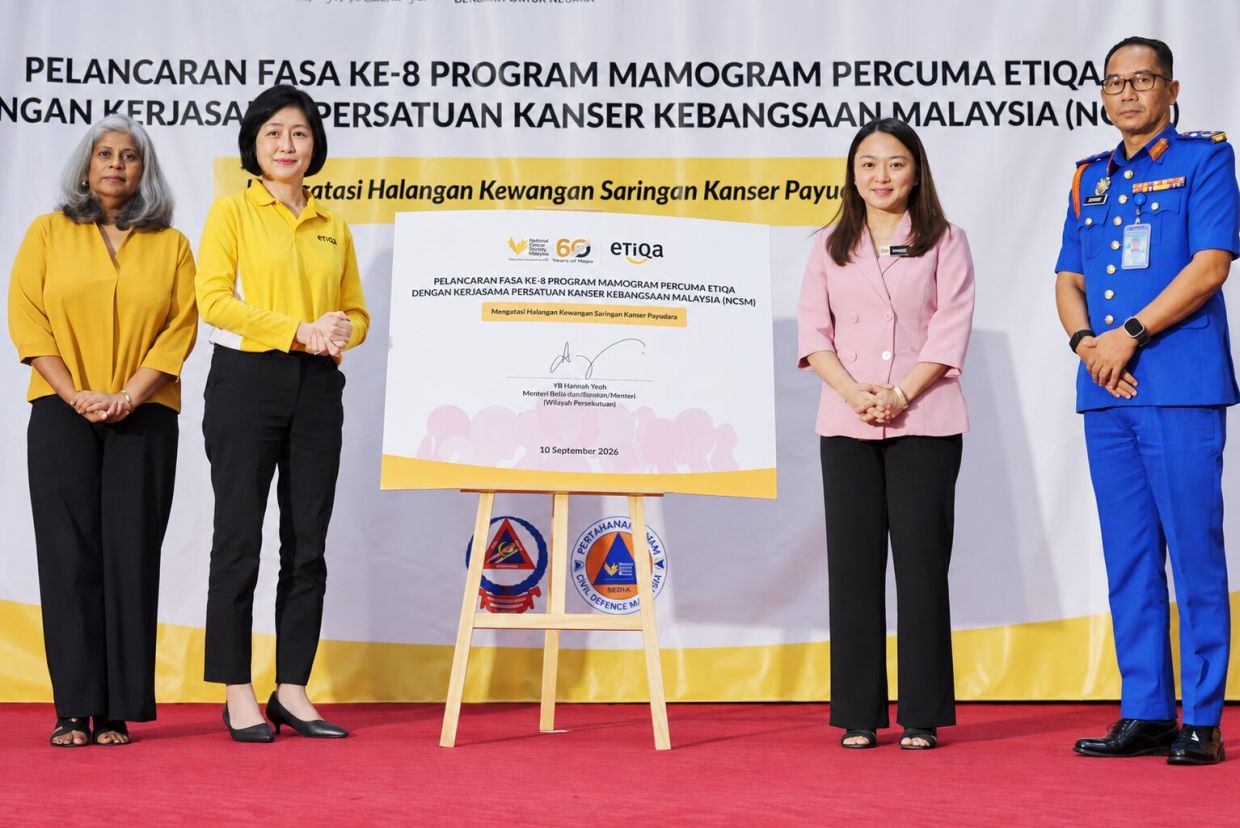
This financial constraint is the focus of the latest phase of Etiqa’s free mammogram programme with the National Cancer Society of Malaysia (NCSM), which will provide up to 3,000 free screenings to underprivileged women aged 40 and above nationwide this year.
The programme was launched earlier this month in Kuala Lumpur and was officiated by the Minister in the Prime Minister’s Department (Federal Territories) Hannah Yeoh and Malaysian Civil Defence Force (APM) chief commissioner Mohammad Abiddin Abd Rahman.
Since its inception, the initiative has offered close to 40,000 free mammograms, providing screening opportunities for underserved communities by partnering with more than 20 hospitals.
“As we enter Phase 8, we want to build on that impact by looking more closely at the barriers women face. One of these is financial,” says NCSM president Datuk Dr Saunthari Somasundaram.
“For a woman managing household expenses and other daily priorities, the cost of a preventative screening can become a reason to delay it. Removing that cost can make the decision to get screened that much easier.”
Removing financial barriers
The programme also highlights how access to healthcare is not determined by geographical proximity alone, as even women living in urban communities may face difficulties accessing health services if financial limitations stand in the way.
“Breast cancer affects 2.4 million women worldwide each year, and in Malaysia, an average of 26 women are diagnosed every day. Behind every diagnosis is a woman, a family and a community whose lives can change in an instant,” says Etiqa Life Insurance Berhad chief executive officer Leong Su Yern.
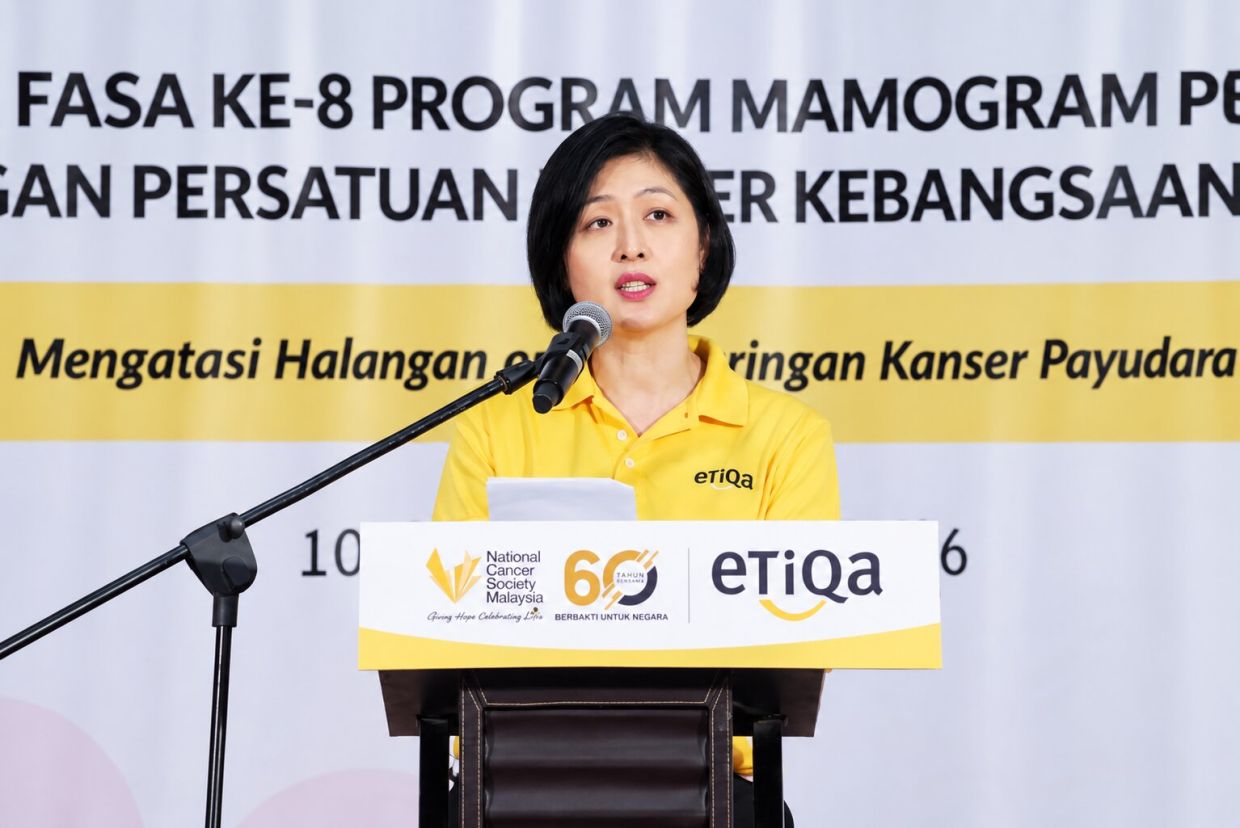
Moreover, she adds that the initiative hopes to remove financial barriers to screening and encourage more women to prioritise early detection, which can help improve health outcomes significantly.
In this phase, they are working with the Malaysian Civil Defence Force (APM) to bring breast cancer awareness and screening directly into the community.
Female APM officers and women participating in the Kampung Siaga 221 programme – a disaster preparedness initiative by APM to prepare communities within the Titiwangsa subzone, which are Kampung Datuk Keramat, Maluri and Kampung Baru – will be equipping them with greater awareness on breast cancer risks, the importance of early detection and regular breast health checks. Eligible women will also have access to free mammograms.
By bringing screening opportunities closer to them and removing the cost involved, the initiative aims to make preventative healthcare more accessible for all women.
“This initiative reflects our commitment to our purpose of making the world a better place by fostering healthier communities and ensuring more women have access to potentially life-saving preventative healthcare services,” says Leong.
To find out more about eligibility for the programme, registration and screening arrangements, reach out via contact@cancer.org.my.