



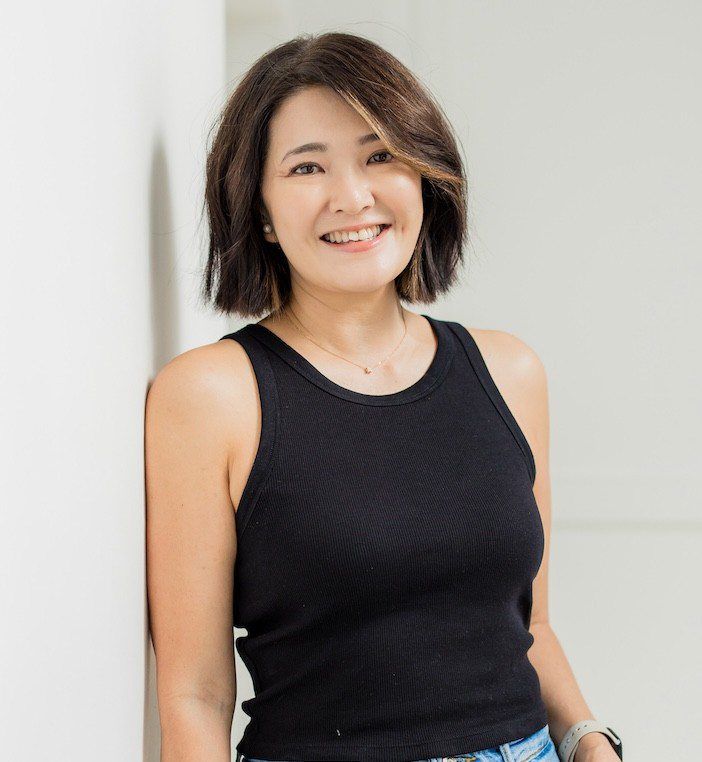
Perimenopause knocked Joanne Ho, 50, off her feet. She didn’t see it coming.
She says her symptoms started subtly and she had an overall feeling of “not being myself.”
“It probably began when I was 44 and over the years more symptoms appeared – brain fog, poor sleep, mood swings and irregular menses,” she says.
“I didn’t know what was happening or where to go for help,” she recalls. “I thought I was just tired or stressed. It took me almost two years to connect the dots. By then I was already at a low point,” she adds.
The hardest part, Ho admits, was not knowing where to start, or even finding the right doctor to talk to.
“My obstetrician/gynaecologist had delivered my child 15 years earlier, but I didn’t feel comfortable talking to him about menopause,” she adds.
Dr Sangeet Kaur, who practises nutritional medicine says the landscape has changed and menopause looks vastly different than how it was a few decades ago.
“Women are having children later – or not at all – and many remain professionally active well into their 50s and 60s,” she notes.
“This means they’re navigating menopause while juggling careers, caregiving or even parenting teenagers.”
Ho agrees. “It’s one of the hardest seasons in a woman’s life. In our culture, caring for children doesn’t stop at 18 – we continue to carry them and everyone around us. But women can’t pour from an empty cup.”
This sandwich generation, Ho adds, is fundamentally different from those who came before.
“Most of our grandmothers led a different life; the average lifespan back then was also shorter. Our mothers’ generation didn’t talk about it; they endured. But Gen X women are different – we’re vocal, curious and are determined to own our narrative.
“We’re the first generation that says, ‘I’m not going to just tahan (endure) through this but I will find ways to make things better,” Ho says.
More than relief
While public awareness on menopause is growing, Dr Sangeet believes there’s still a long way to go.
“Women today want more than just symptom relief – they want long-term health, energy and quality of life. The conversation has shifted from silence to empowerment, but workplace support, medical training and social understanding still need to catch up,” she adds.
Ho channelled her earlier confusion and frustration to help other women. She founded Menopause Asia, a local online platform to support women through perimenopause and menopause.
“I did it not because I had the answers, but because I couldn’t find them,” Ho says. “I knew there must be other women like me, who instead of realising they’re in perimenopause, start thinking they’re ‘going crazy’.”
Menopause Asia is designed to be a “supportive place for women to learn, get proper medical care and feel seen again.”
The platform offers a space for women to learn, connect with menopause-trained doctors, and access telehealth consultations focused on holistic, personalised care.
After all, according to Dr Sangeet – who is one of the platform’s medical partners – menopause is still widely misunderstood and too often misdiagnosed.
She says while perimenopause and menopause affect every woman differently, they come with common symptoms like irregular menses, hot flushes, sleep disturbances, mood swings, anxiety, brain fog and joint pain, which may overlap with other conditions like depression, thyroid disorders or stress-related burnout.
Dr Sangeet explains that the declining levels of oestrogen and progesterone during midlife profoundly impact the body, leading to these changes.
Noting a lack of emphasis on menopause in medical training, Dr Sangeet stresses: “We need to normalise the conversation and ensure healthcare professionals are better equipped to recognise and treat it.”
For her, effective care goes beyond just symptom relief; it integrates with lifestyle changes.
“Lifestyle changes play a powerful role in helping women navigate the midlife transition smoothly,” she adds.
She suggests some shifts: adopt a balanced, anti- inflammatory diet rich in whole foods, lean proteins and healthy fats; engage in regular exercise combining cardio with strength or resistance training to improve mood, bone health and sleep quality; and incorporate stress management practices like yoga, deep breathing and mindfulness to reduce anxiety.
“These actions don’t just ease symptoms, they support long-term health beyond the transition,” she says.
For women in their 40s, Dr Sangeet advises proactive self-awareness: “Start paying attention to your body – track your cycle, sleep, mood and energy levels. This awareness helps you notice changes earlier and seek support sooner.”
Personalised care
Ho believes that there is no one-size-fits-all care “... because no two women are the same.” The platform’s approach begins with a 45-minute consultation, a departure from the standard, often hurried appointments common elsewhere.
“Our physicians are familiar with both menopause and hormone health, and they look at the whole individual, not just the symptoms,” Ho notes.
Dr Sangeet agrees that tailoring menopause care to individuals is essential because “every woman’s experience is different and we are all unique beings.”
“Symptoms, health history, genetic predisposition, lifestyle choices, magnitude of daily stress and personal preferences all vary,” says Dr Sangeet. “A one-size-fits-all approach often falls short.”
She explains that personalised care allows for more effective symptom management and better long-term health outcomes, while ensuring every woman feels supported as her unique symptoms are addressed during this period.
Ho adds the platform’s care plans always focus heavily on supportive measures such as lifestyle, nutrition, movement and stress management.
She hopes Menopause Asia can play a larger role: changing the narrative from one of shame to confidence.
“When you come of age, there’s freedom and confidence that can be incredibly powerful but only if the world around you makes space for it,” she says.
The platform is also working with organisations to help create awareness, start educational programmes and shape menopause-friendly policies.
“Women in midlife are often at the peak of their careers, yet one in 10 leaves because of unmanaged symptoms,” she points out. “If employers don’t make these changes, they risk losing some of their best talents.”
Ho wants Menopause Asia to be the first place women turn to when they notice perimenopause signs, to get clear answers, trusted doctors and a sense of belonging.
“My dream is for women to win in this chapter, to own it as their strongest season yet,” Ho concludes.

