
Antima Kumari lifts one of her newborn nephews, positions him between his father's bare chest and wraps a cloth around him to steady the tiny body. The baby quickly snuggles into his father's skin.
Kumari stepped in as a caregiver for the newborn twins when her sister Lilavati Devi felt physically weak after giving birth and was unable to take care of the babies on her own. Even though she had no experience handling babies, she was able to offer significant support to her sister after learning newborn baby care through a training programme.
She uses the so-called kangaroo mother care technique involving prolonged skin-to-skin contact between the baby and its father or mother. Drawing inspiration from the way kangaroos carry their babies, the technique has shown benefits for premature and low birth weight infants by helping them sleep more soundly and gain weight faster.
The technique is part of guidance for parents and families in basic maternal and newborn health skills to improve their care at home. Trainings are offered at many clinics and government-run hospitals in India where social disparities such as parental education, financial support and access to healthcare can significantly influence an infant’s health.
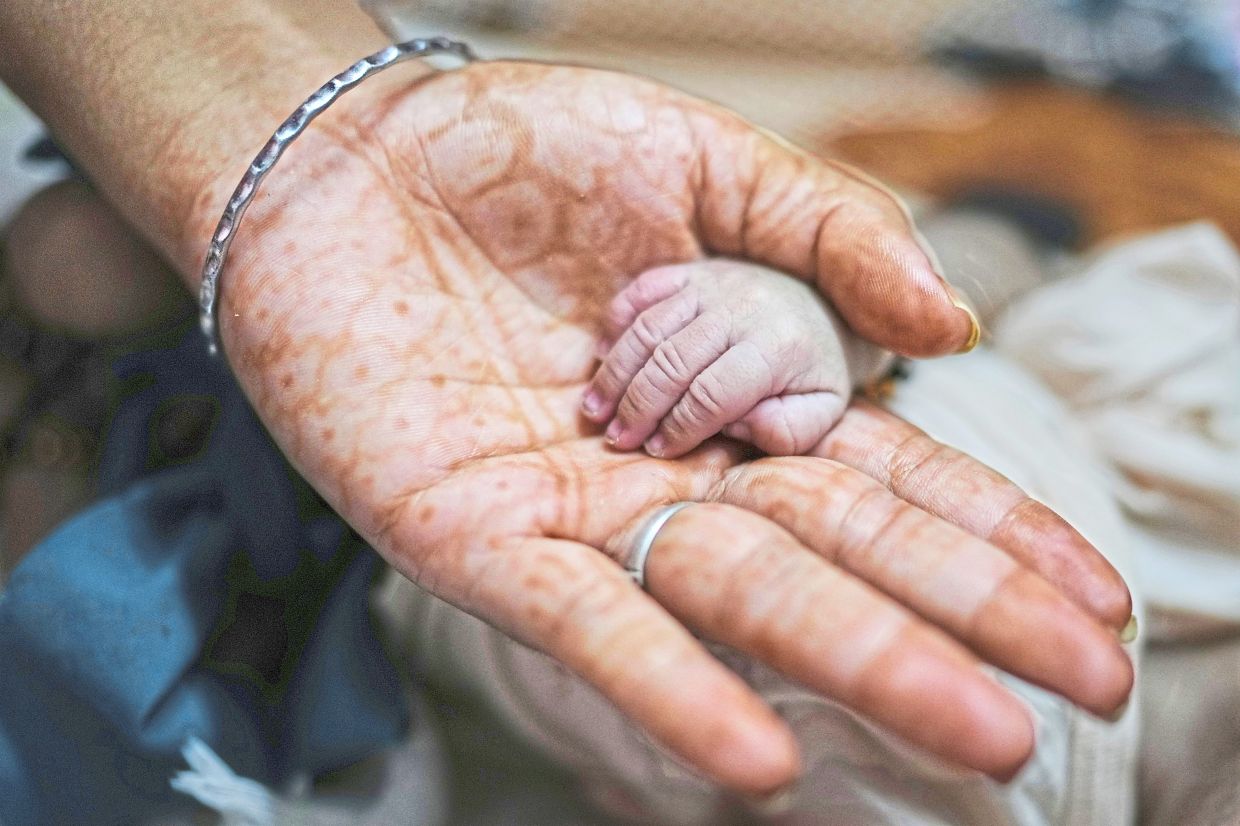
Kumari attended Care Companion Program sessions for parents and caregivers at a government hospital in Gurugram, near India’s capital New Delhi.
Skills for newborn
Noora Health, an India-based nonprofit organisation, conducted the sessions to equip parents and families with the skills they need for taking care of newborns, including guidelines for expecting mothers and caregivers. It also provides sessions on a range of health conditions, including cardiac care and noncommunicable and infectious diseases.
Seema Murthy, who heads Noora Health’s India programme, said her organisation has trained millions of caregivers across India, Indonesia, Bangladesh and Nepal and equipped them with resources and skills needed for medical and emotional support.
Training family members in caregiving can prove to be important when health systems are over stretched and healthcare worker shortages are common, Murthy said.
"We have to look at being more efficient in addressing this critical gap,” she said. – AP