



Most Malaysians perceive men as being better political leaders than women, whom they feel are “less capable of thinking logically compared to men”.
This was among the findings of the Malaysian Public Attitudes and Perceptions Towards Violence Against Women Survey conducted by the Women's Aid Organisation (WAO) in 2021.
WAO advocacy director Abinaya Mohan says that there is a cultural barrier to seeing women in leadership positions and in public life – something that needs to be addressed.
“One of the important things we do not see is political education on women’s contribution in the country's governance and development. If we show how women have contributed, we will attract more women to vote and they will believe that their vote matters.
“For example, female political analysts who talk about general elections should be represented more and people need to ask women questions which are not just related to women’s issues but everything that they would ask a man,” she says.
According to political scientist Bridget Welsh, while Malaysia’s leader-driven political system has become more competitive, female politicians and leaders have been downgraded in the competition against men.
Welsh says that patriarchal elements in Malaysia’s political system – the general election, its manifestos and outcomes – push women aside and make men feel more entitled.
“Political campaigns in Malaysia are very male-centric even though the turnout of women voters is crucial. The issues, areas covered and campaign methods are all male-centric.
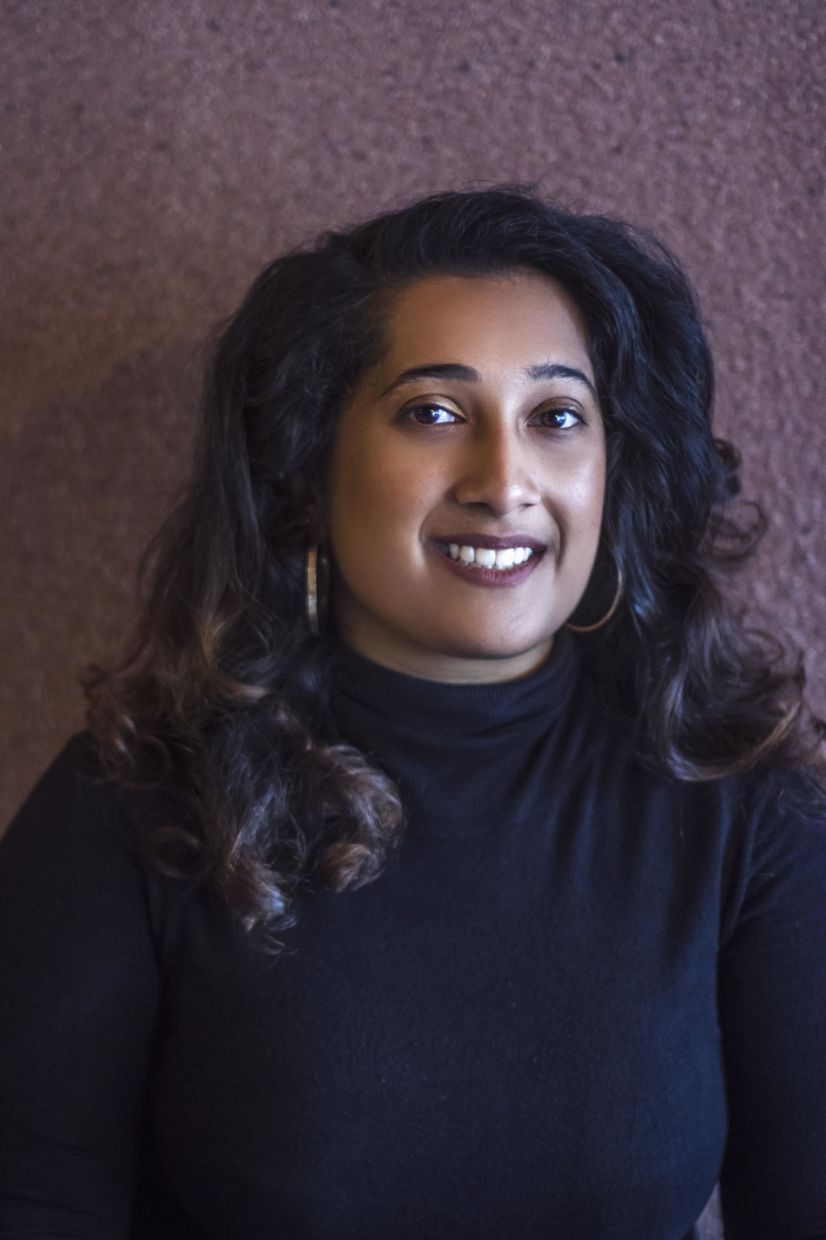
Abinaya agreed that male candidates tend to receive more resources for campaigns than women, although women are capable of pulling support just as much as men, and, in some ways, even more.
“Women make up half of the electorate but are unseen in manifestos. It is very important for the manifestos to have a gender perspective to really understand what the electorate needs and what it wants to hear.
"For example, we have a higher number of women graduates for tertiary education but a lower rate of workforce participation. Why is that? The manifestos are very generalised and do not really tackle what women need,” she says.
Studies have found, she says, that having capable diligent female representatives can improve lives of families.
“The study entitled 'Competitively elected women as policy makers in Germany' found that having just one female representative in the Cabinet improved public childcare by 40%. For that, we need women ministers who are concerned about gender-equal policy-making who acknowledge the barriers that exist for women to ensure we have the right to access education, health, safety and protection," says Abinaya.
"We work very actively on gender-responsive budgeting and if there was a capable woman minister who was leading it, they might have a very good idea of what gender-responsive budgeting looks like and it will affect everyone – not just women, but also men, boys and girls,” she adds.
Tan says that it is "perfectly possible" for male ministers to fight for women’s empowerment.
“The thing about women empowerment and women issues is that they are everyone’s issues. It is possible to highlight women empowerment issues without taking away the spotlight from other issues. In fact, women’s issues intersect with every other issue,” she says.
WAO has come up with their own manifestos for GE15, demanding for parties to make a very clear stance on ending child marriage and gender-based violence.
“This is very important because the WAO survey found that the majority of Malaysians are against child marriages. We also hope that the incoming government and the candidates are going to pass some of the laws that are hanging, such as the stalking law, to ensure that both women and men are protected. We really hope they will focus on that and also think about gender when it comes to budget,” Abinaya says.
Welsh however pointed out that the Election Commission has taken some steps to make the upcoming GE15 more gender- inclusive, such as increasing hours of voting which allows women who have childcare responsibilities to vote.
“In other countries, there is early voting for ordinary people so they can adjust their schedule to be able to vote. This initiative is not just for police officers or those who work in the media.
“Introducing administrative changes that allows remote voting or postal voting in Malaysia can be applicable not only for women, but also to elderly people and those who need assistance. They should be able to do early voting, which will increase voting participation,” Welsh concludes.
Already a subscriber? Log in
Get 20% OFF The Star Digital Access
Cancel anytime. Ad-free. Unlimited access with perks.
