
Summer feels like it’s nearly halfway through, but the season’s book publishing has just begun.
While a series of big-name titles have already hit the shelves in an attempt to elbow their way into beachgoers’ totes, a steady stream of excellent fiction and non-fiction is yet to come.
Below are 10 of Bloomberg’s picks for forthcoming releases – get them while it’s hot.
Fiction
Cool Machine by Colson Whitehead (July 21, Doubleday)
In the final book of his Pulitzer-winning Harlem Trilogy, Whitehead situates the action in the 1980s, when New York was just bouncing back from its nadir. Taking place 20 years after his last novel, Harlem Shuffle, and starring the same protagonist, a fence named Ray Carney, the author broadens his scope across the city’s five boroughs. Carney is once again in a predicament (mostly) not of his own making, and as things go sideways, a new and extraordinary cast of characters makes its way across the page. Whitehead is a very good writer – a given – but it’s his ability to keep this universe of personalities unique and memorable that puts him in a league of his own.
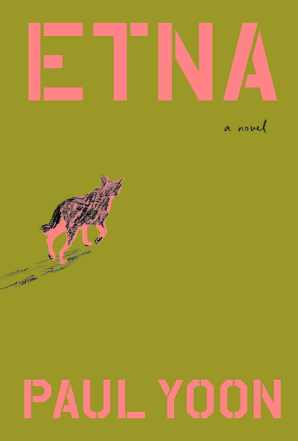
Etna by Paul Yoon (Aug 4, Scribner)
Yoon is an erstwhile wunderkind whose 2009 short fiction debut, Once The Shore, put him on the map. He followed that up with two novels and two more story collections, winning fellowships and awards along the way. His latest book is named after its protagonist, a former military dog named Etna. After years of battle, he decides it’s time to head home, operating on the supremely optimistic assumption that that home still exists. Narrated through the dog’s eyes, the novel is a pensive and often fraught travelogue through a terrain devastated by conflict.
Man Overboard! by Kathleen Rooney (Gallery Books, July 7)
The good news first: Patrick "Kick” Kilpatrick is a former champion college swimmer. The less good news: He needs to be, given he’s fallen from a cruise ship and finds himself alone in the middle of the ocean. While the boat – which not coincidentally is carrying his dysfunctional family on a miserable Thanksgiving vacation – shows no signs of reappearing, readers are treated to interludes of his unpleasant, often very funny past and present.
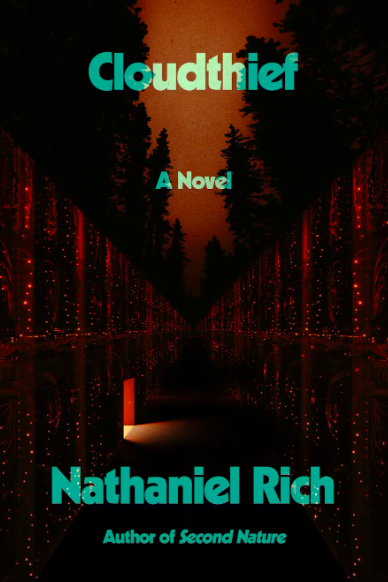
Cloudthief by Nathaniel Rich (MCD, July 14)
Bless whoever came up with the legitimately brilliant idea of referring to server farms as "the cloud.” Elegant, abstract and totally incorrect, the term obscures just how earthbound and vulnerable our data actually is. And it’s just this vulnerability that Rich’s Tim, a climate journalist, and Virginia, a con artist, set out to exploit. Structured initially as a heist and then progressing into something more complex, Rich cleverly weaves the pressing issues of our time into a gripping, all-encompassing narrative.
Life Of M by Rachel Cusk (Farrar, Straus and Giroux, Aug 25)
Fame seems to be unequivocally unpleasant, a burden to be shouldered in exchange for other, more enjoyable things (like wealth). This isn’t a niche perspective: The misery of paparazzi allows tabloid readers the world over to cluck in vicarious commiseration, even as they keep reading. It’s this very predicament that Cusk has decided to probe in her latest book, which follows M, an actress, as she floats through life as we sort of know it. The construct is simple – a writer has been tasked to pen M’s biography – but M’s beautiful and terrible world is not what anyone would expect.
Non-fiction
Country Of Lords: Neo-Aristocrats, Social Darwinists, Tech Utopians, And The Long Fight Against Equality In America by Kim Phillips-Fein (WW Norton, July 21)
America can’t quite make up its mind: Do we have a ruling class or not? Yes, there are political dynasties, and sure, there are some families who’ve been propped up by intergenerational wealth that shows no sign of dissipating. But we’re also a nation that has equality baked into its founding documents, and the American dream, however fantastical, is a concept where anyone can ascend, no matter how lowly their origins. Phillips-Fein, a professor of history at Columbia University, explores this tension while probing the American intellectual tradition of claiming that some citizens are more equal than others.
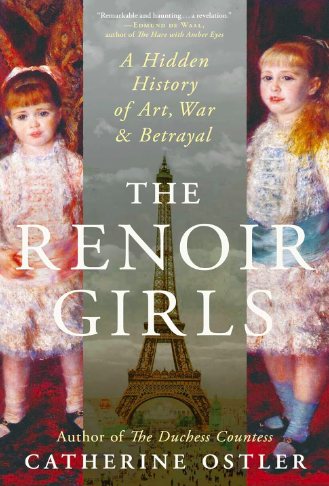
The Renoir Girls: A Hidden History Of Art, War & Betrayal by Catherine Ostler (Atria Books, July 14)
There’s a particular poignancy to portraits of ill-fated people (if only they knew what was coming!), made even worse when those pictures are very good. Such is the tragedy of the Cahen d’Anvers family, wealthy French bankers who had the foresight to enlist Pierre-Auguste Renoir to paint their daughters. The resulting work is a launching pad for Ostler, the former editor in chief of Tatler, who uses the girls and their milieu to tell the story of a glittering, doomed world.
Don’t Be Evil: Bad Bosses, Fake Promises, And My Escape From Big Tech by Claire Stapleton (William Morrow, Aug 4)
In the halcyon days of 2007, when technology was still exciting and social media was not considered a uniform evil, Stapleton joined Google’s communications team, quickly rising through the ranks as she helped shape the company’s public image. Things went south in 2018, when she helped organize the 20,000 employee Google Walkout, a corporate revolt that understandably didn’t sit well with leadership. Now she’s put her experience at the company to even better use, turning it into an insider tutorial on how the company works.
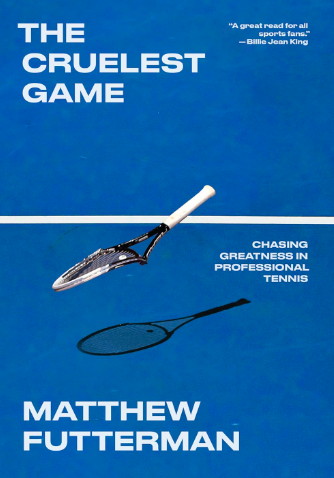
The Cruelest Game: Chasing Greatness In Professional Tennis by Matthew Futterman (Doubleday, Aug 4)
You’d think that there’s so much drama on the tennis court that locker room hijinks pale in comparison. But Futterman, a sports journalist at the Athletic, makes a very good case that the world of professional tennis is just as interesting as the matches. With exceptional access to the players, Futterman digs into the psychology of the game, its vast and vicious ecosystem, and the ineffable secret sauce that propels a player to the very top.
Catch The Devil: A True Story Of Murder, Deception, And Injustice On The Gulf Coast by Pamela Colloff (Knopf, July 14)
Everyone agrees that the American justice system is flawed, but the ways in which it can be manipulated continue to be the fodder for excellent journalism. Colloff, a ProPublica reporter and New York Times Magazine staff writer, tells the story of Paul Skalnik, whose spectacular cynicism allowed him to con the justice system, and everyone else, with impunity. By offering up the "confessions” from fellow prisoners – Skalnik, a fraud, polygamist and serial abuser, was in prison a lot – he kept walking free. Prosecutors, meanwhile, were happy to go along with his increasingly unconvincing evidence while the real victims – abused women and the wrongfully accused – bore the brunt. – ©2026 Bloomberg L.P.