In an age when content cycles spin and vanish almost overnight, there is value in carving out time to sit with what we’ve already seen – to let it settle, rather than rushing headlong into the next production.
As the theatre scene settles into the quiet Ramadan month, the natural slowdown offers a welcome pause.
It becomes an opportune moment to revisit works that have truly resonated with local audiences – not just to remember them, but to understand why they struck a chord in the first place.
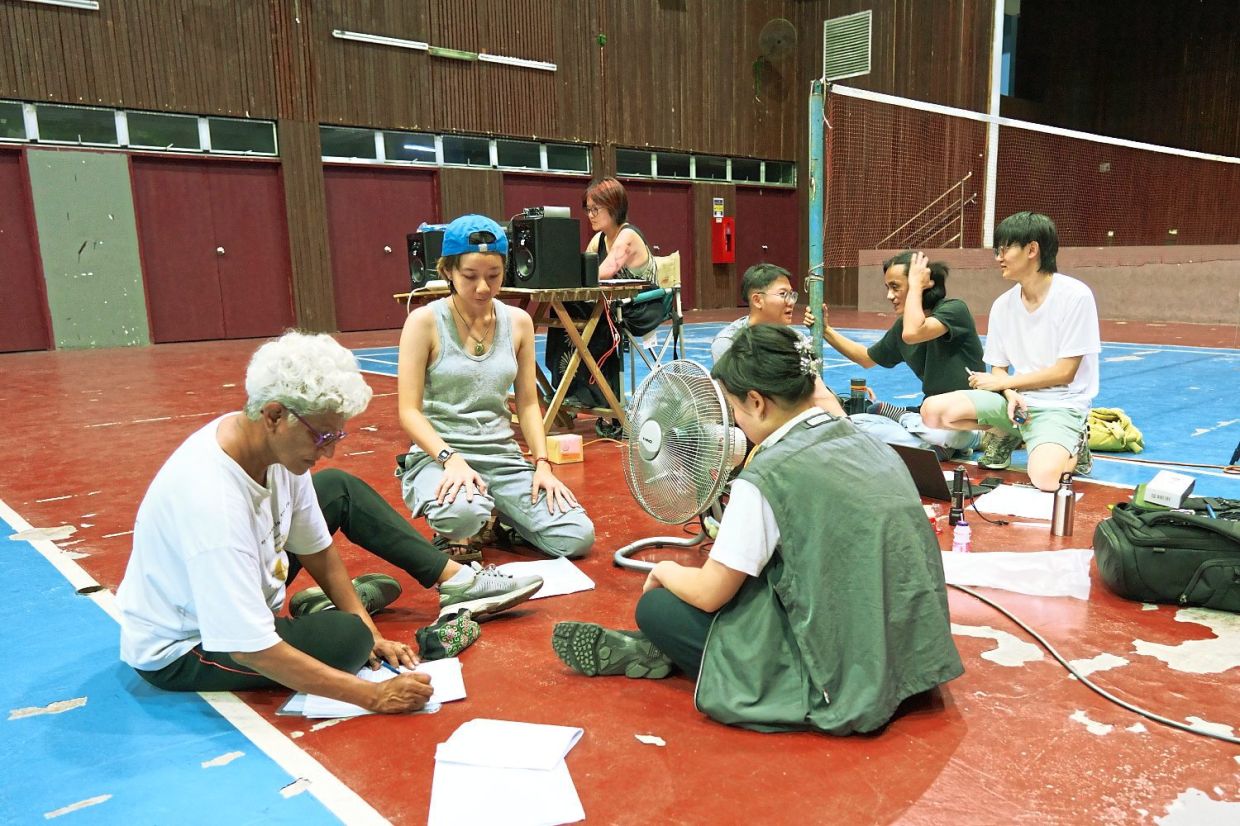
Four theatre practitioners – Adriana Nordin Manan, Sidhart Joe Dev, Low Pey Sien and Ridhwan Saidi – reflect on the state of homegrown productions in a recent conversation, drawing from their own works: Wacky Double Bill, Tewas: No Light At The End Of The Tunnel, TaTaTa, and Teater Seniman Negara Datuk Lat – Kampung Boy.
Accessible theatre, urgent theatre
Last August, Adriana Nordin Manan stepped away from the scale of her award-winning debut Fault Lines at PJPAC in 2023, gravitating instead toward something far more intimate in dimension and spirit.
Her Wacky Double Bill: Borong & Encyclopedia show took place at Dekat KL, a small creative space located inside a shoplot in Sri Rampai, with seating for only 40 audience members.
For Adriana, it was an opportunity to experiment with a low-key production and embrace a space that invited spontaneous audience reactions and connections.
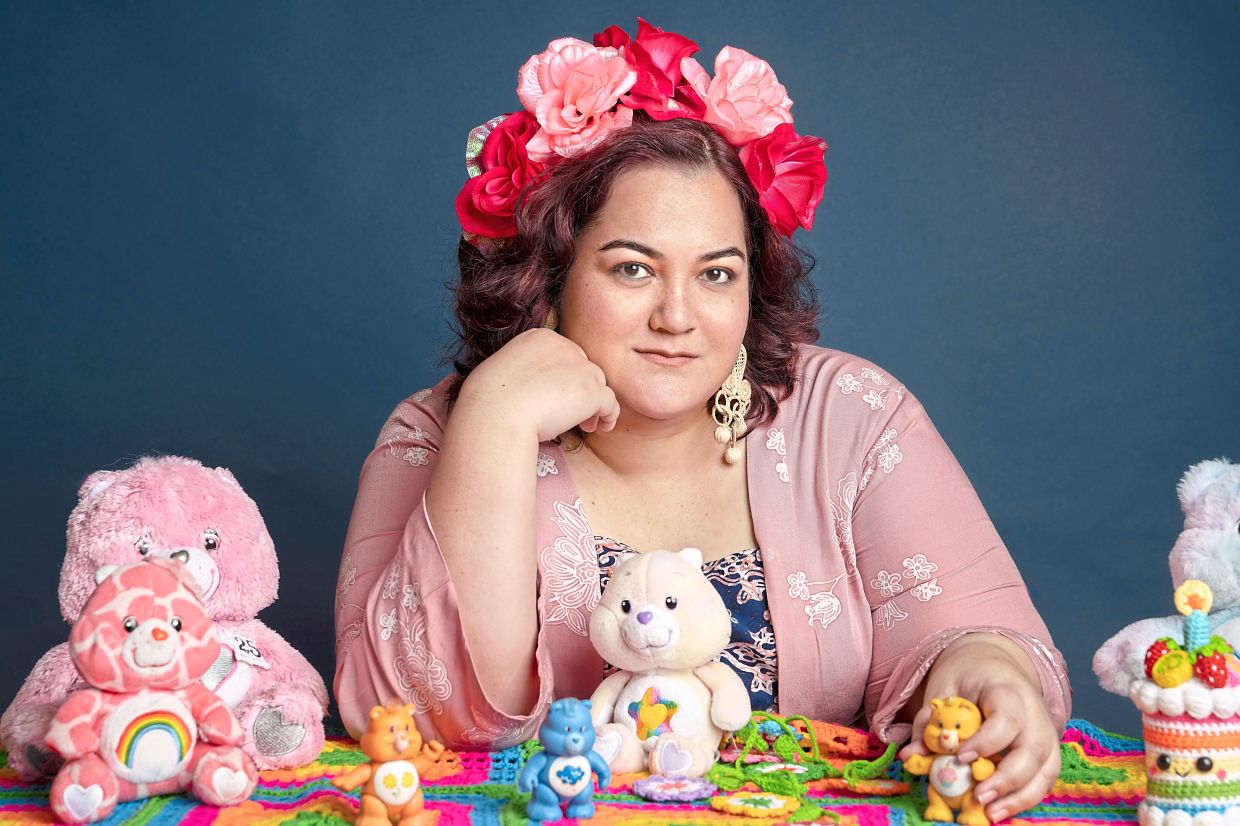
“I’d like to think that everyone in the Malaysian theatre scene has this shared mentality of ‘take any opportunity you can get’, and that in the long run it will somehow make sense in your artistic role, which is what I see in all the work I do,” says Adriana.
“In terms of writing, Borong & Encyclopedia was also a big milestone for me because I always had this nagging feeling from Fault Lines that I didn’t know how to write male characters, that they were stumped and not complex,” says Adriana.
“So with this script it was apparent, add to that the experience from my debut – I learned to not get hung up on that feeling and just trust my intuition,” she adds.
The indie venue reflected this spirit of accessibility. Nestled beside a humble tom yam shop, some audience members wandered in after dinner, drawn by curiosity rather than plan.
“It was super indie and I really liked it because I realised there’s so many different ways to do theatre, how to utilise different spaces and how it affects stories,” says Adriana.
Meanwhile, Sidhart’s Tewas, shown at the KongsiKL warehouse space in KL last November, arrived at a moment of national reflection. Staged amid a series of high-profile school violence incidents, the play – originally developed through research and workshops in Penang – found itself part of a conversation far larger than its performance.
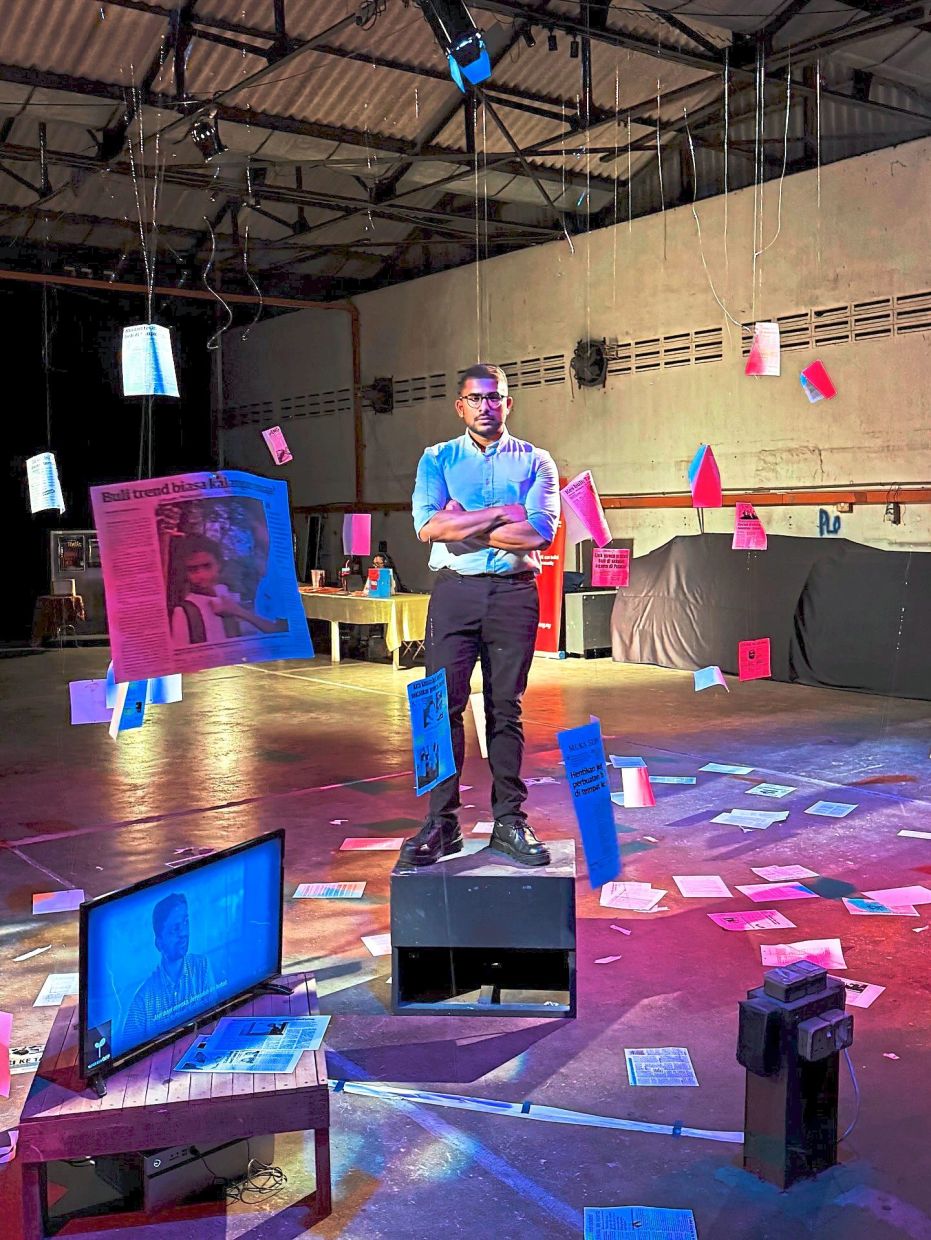
“People thought it was important that the show was being staged at that time, but our research and writings for this show went back to 2022,” says Sidhart, a theatre practitioner and video producer.
“To me, it just shows how prevalent the issue of bullying is, and it was only a coincidence that the production occurred during those incidents. We weren’t capitalising on the situation, but it did make audiences ready to listen,” he adds.
For Sidhart, the work was never about exploiting tragedy but about understanding its roots. The creative team spent years contextualising the cultures that enable bullying, choosing to explore systems rather than sensationalise incidents.
“The point of Tewas was not to blame anyone or provide a solution, we just wanted to keep the conversation going, and to tell the story. We believe that bullying mostly happens because someone stops listening – whether it’s friends, teachers, parents, policymakers,” he says.
Finding the connection
Low Pey Sien approached community engagement from a different angle. Last June, as producer of TaTaTa, an interdisciplinary dance-theatre work staged in a Dewan Serbaguna in Seri Kembangan, Selangor, she saw firsthand how art can connect generations.
The production reimagined the community hall in a Chinese new village, weaving movement with digital light installations to create an experience both surprising and immersive.
“It’s rare for Seri Kembangan residents to experience a show – and even more so one combining contemporary dance with digital light installations,” says Low.
“The debut director Lai Wen Xin knew the venue well and used its familiar textures and emotional resonance to forge a connection with the older generation.”
The result was a bridge between generations. Younger audiences explored the space, uncovering cultural threads they shared with their elders, while veteran performer and dancer Anne James brought decades of experience, reminding everyone that art knows no age. In this way, the production grew into a truly communal experience.
Visitors from outside discovered Seri Kembangan and Chinese new village life through the production.
“Beyond drawing people to explore the area, many families attended the show, including first-time theatre goers. Local representatives even bought half the seats for the elderly. It was wonderful to see the community come together like that,” says Low.
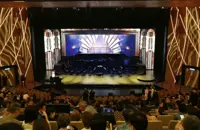
Finally, Ridhwan – whose practice spans film, alternative theatre, and dramaturgy – took on his most ambitious production yet, directing Kampung Boy, inspired by the beloved Malaysian cartoon by Datuk Lat. The production, part of the “Teater Seniman Negara” series, was staged in Ipoh last November.
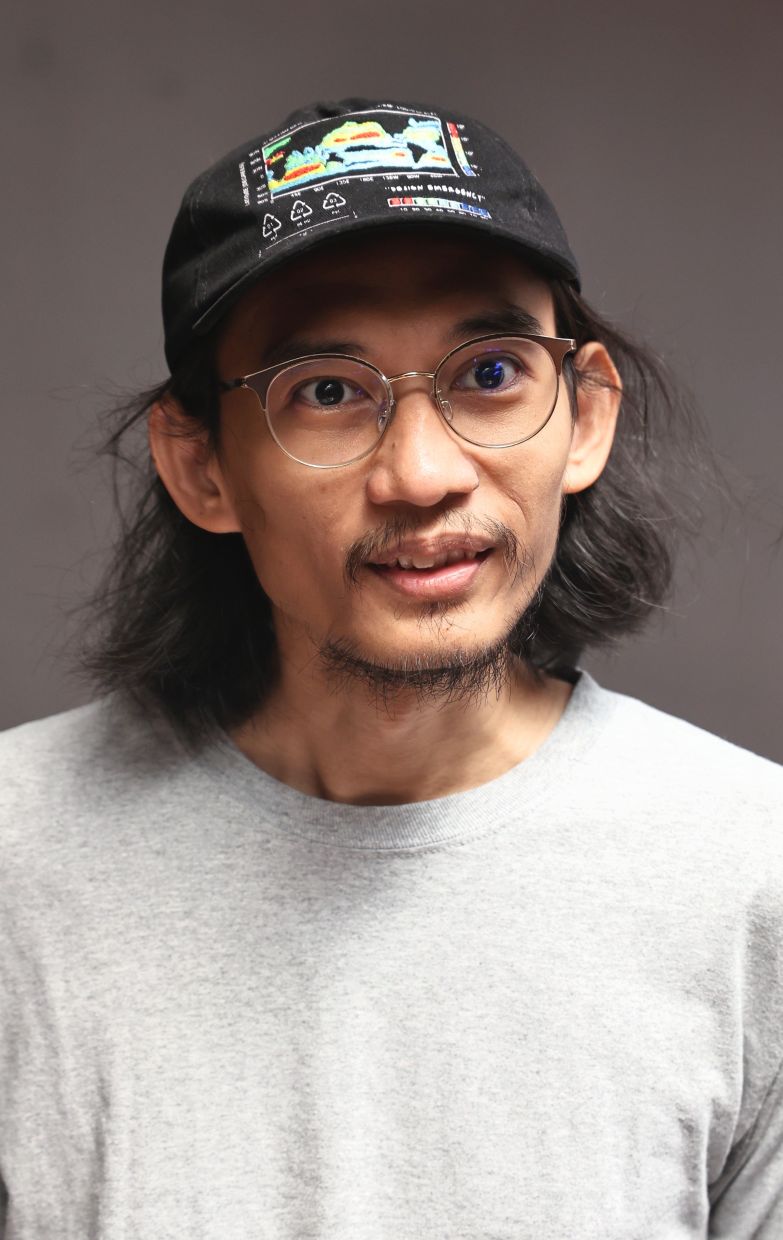
This was a Lat show in his own home state, so a sense of local pride was naturally present.
“This is an autobiographical fiction, where a real-life figure – Datuk Lat – steps into the world of Kampung Boy, and my task was to make that visible to the audience. A meaningful example is the character Mak Cik Khadijah, Lat’s neighbour ... in the show, she’s seen smoking, though in real life she doesn’t. As a director, I understand that storytelling often blends fact and invention. What matters most are the emotional truths,” says Ridhwan.
The theatre show was presented at Auditorium Kompleks JKKN Perak, under JKKN Perak, an experience that forced Ridhwan to navigate expectations far beyond Kuala Lumpur’s independent arts scene bubble.
“In KL, where we’re in a postmodern moment, even reading a script under a single spotlight can be considered theatre. In Ipoh, however, I knew audiences would expect realism, a clear narrative and a sense of completion,” says Ridhwan.
“This was also the first time the Sultan of Perak Sultan Nazrin Shah graced the venue, and the reception was very warm. I truly believe the production could sell out on tour – it’s a beloved story,” he concludes.