
If Wuthering Heights is a romance, it is the kind with more seething than swooning. Sure, its characters caress every hundred pages or so. But mostly it’s a lot of trudging across frosty moors, beating back mysterious illnesses and offloading anger on the next generation.
Yet the book, Emily Bronte’s only novel, is revealing its prickly charms to a new wave of readers.
The occasion is a movie adaptation from director Emerald Fennell that arrived in theatres just before Valentine’s Day.
In preparation, thousands of people picked up its source material, a Gothic tale of obsession and resentment published in 1847, the year before its author’s death.
Some are greeting an old friend, or at least an old high school assignment. Others are new to Thrushcross Grange.
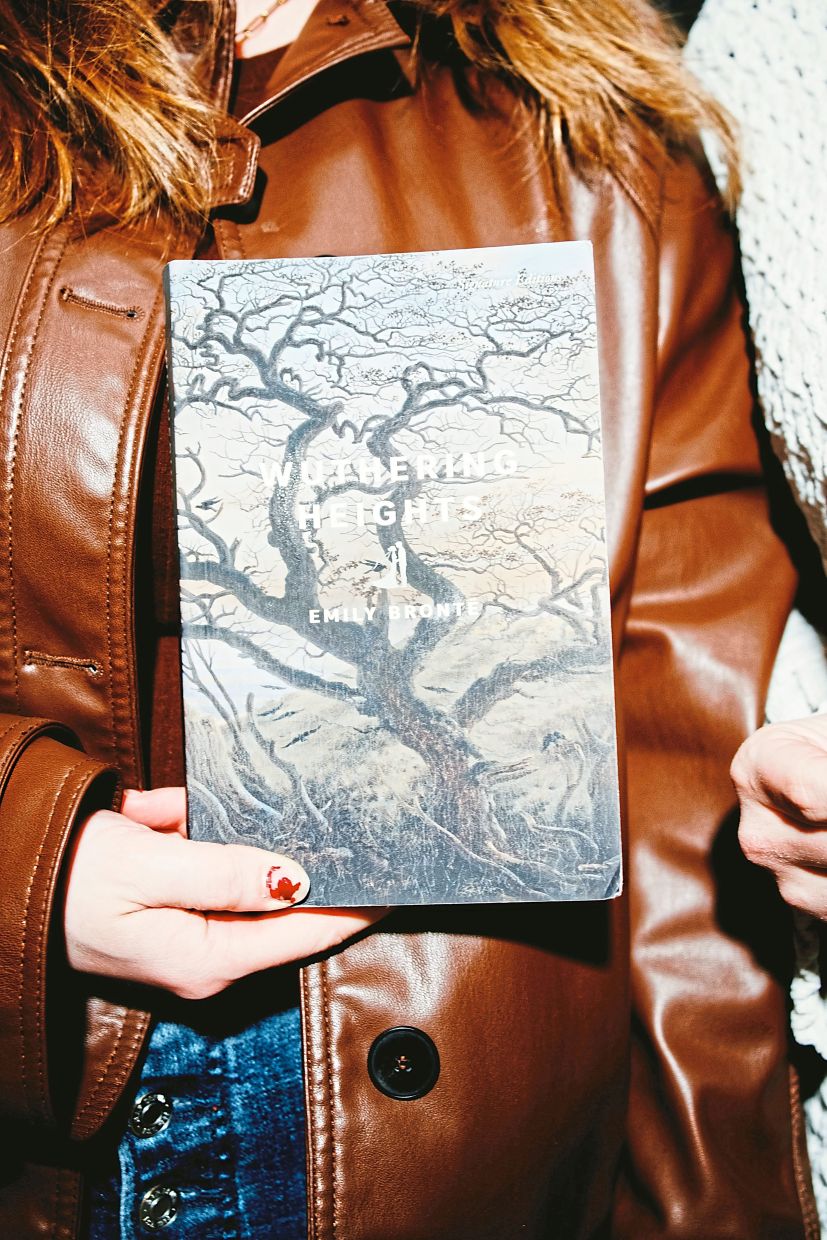
“My ego won’t let me go see the movie without reading the book,” said Aadi Miglani, 23, who works in academic publishing in New York and is reading the novel for the first time.
Sales of Wuthering Heights more than doubled in 2025 compared with the previous year, reaching 180,000 print copies in the United States, according to Circana Bookscan, a publishing industry tracker.
Six bookstores reached by phone and email reported a bump in sales after September, when a trailer was released featuring the movie’s stars, Margot Robbie and Jacob Elordi, looking windswept and broody.
“You’re the fourth one we’ve sold today,” Stephanie Valdez, the owner of Community Bookstore in Brooklyn, told a reporter who came in for a copy during her lunch break.
The 179-year-old novel has become the first assignment on the 2026 pop culture syllabus with help from Vogue, which selected it as the first pick for its new book club. It also got a clout boost from singer Charli XCX, who is releasing a companion album to the film.
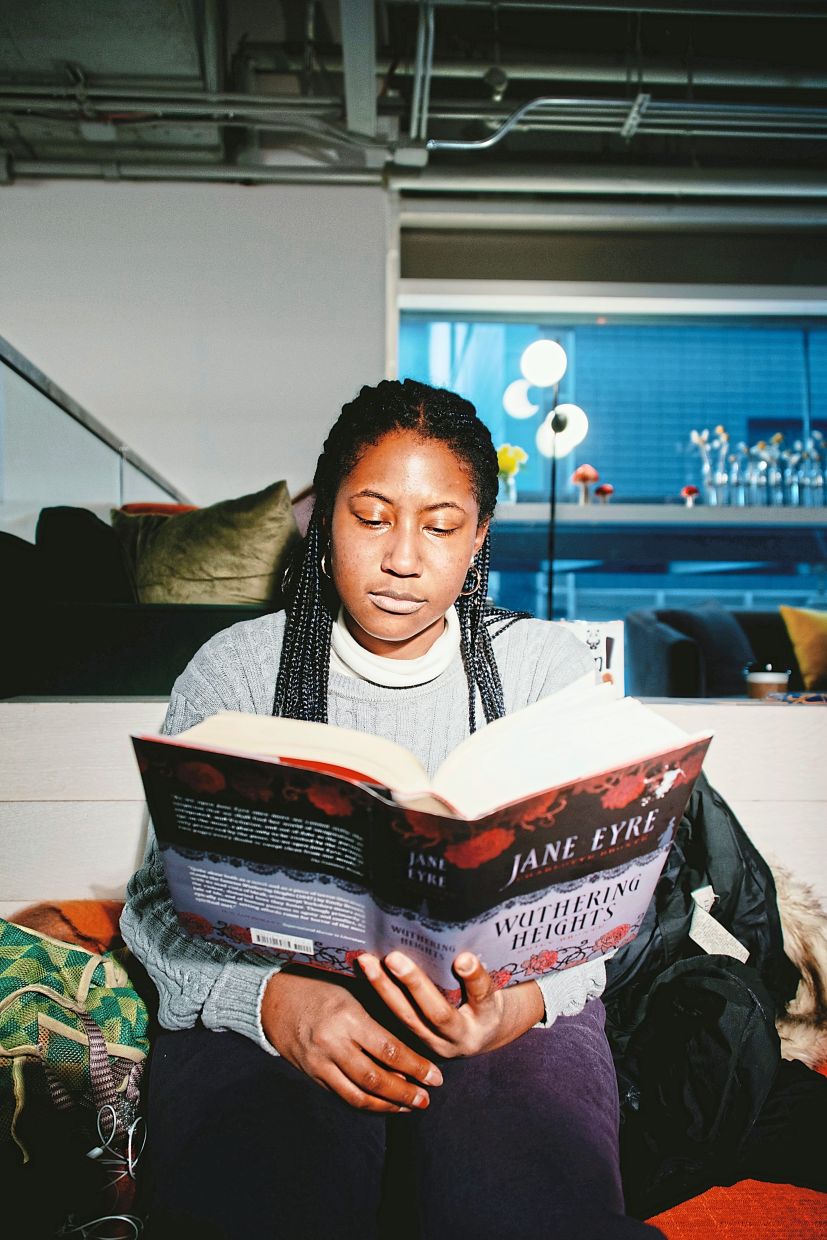
During a period of hand-wringing about young people’s reluctance to read books, readers seem to be approaching Wuthering Heights as a collective undertaking. They are dissecting the novel in book clubs and group chats, scratching the same itch for group experiences as running clubs and board game nights.
Lately, social media is teeming with testimonials from readers who are Bronte-maxxing.
“Seventy-four pages into Wuthering Heights and why did nobody tell me that reading this is like eavesdropping on the most unhinged gossip you’ve ever heard,” went a TikTok summary posted by Toini Ilonummi, 30, who lives in San Francisco, California. “I’m obsessed.”
On a recent chilly Saturday in January, a crowd of bundled-up readers filed into P&T Knitwear, a bookstore on the Lower East Side of Manhattan, where the online book club Belletrist and the romance publisher 831 Stories were hosting a three-hour “read-in” of the book.
About 20 attendees, mostly young women, paged through either crisp new paperbacks or dog-eared editions that they had gotten as students.
One marked passages with a lime green highlighter, while another kept her place with a bookmark decorated with pictures of actor Pedro Pascal.
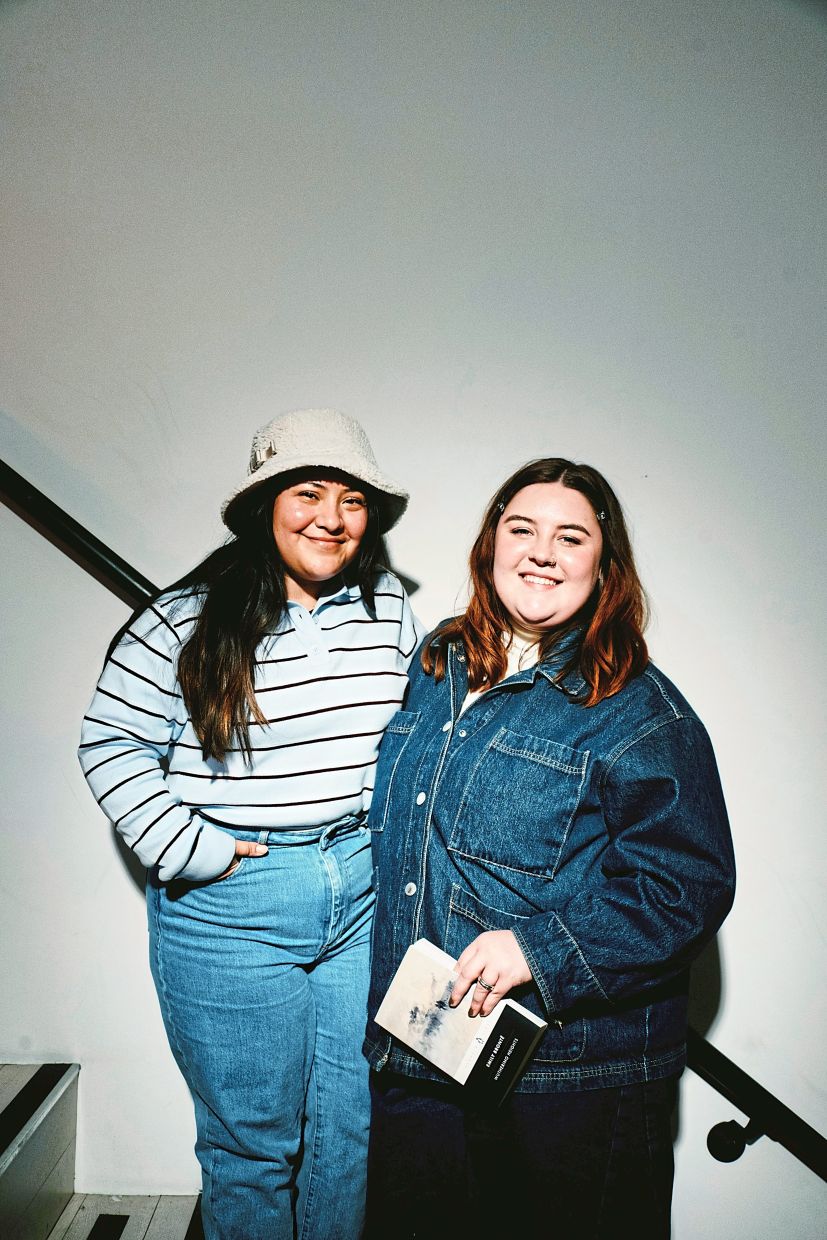
Emma Keithley, who was curled up on a red cushion with her Penguin Classics edition, remembered “slogging through” the novel as a teenager and finding it darker than she expected.
As part of a high school icebreaker, she had been asked what book she would bring with her to a deserted island.
“I was like, Wuthering Heights, to try and sound smart,” said Keithley, 27, a wholesale manager. She cringed. “It still keeps me up at night that I told someone that’s my deserted island book.”
Her roommate, Fatima Calderon, a 27-year-old graphic designer, asked if it would still be her choice.
“I’m going to read it again,” Keithley said. “We’ll see, we’ll see.”
Andrew Morin, 23, an economic consultant, was 25 pages into the book on his Kindle. He said he had been working through 19th-century novels by Henry James and Jane Austen as part of a bid to claw back his attention span in a world of snappy, short-form video content.
When another reader mentioned her curiosity about Fennell’s take on the story, he laughed.
“I didn’t know there was a movie,” he said.

Film adaptations of Wuthering Heights tend to compress its multi-generational tale into a more straightforward two-person love story, said Deborah Denenholz Morse, an English professor at the College of William and Mary in Virginia.
Bronte scholars are already in a lather about “erotic excess” in the trailer for Fennell’s version, she said. (It includes gasping, licking and the suggestive kneading of dough.)
“I can’t tell you all the graduate students who have written to me saying: ‘Professor Morse, have you seen this adaptation? It’s going to wreck Wuthering Heights!’,” she said.
The movie’s steamy rollout seems intended to appeal to readers of contemporary romance, a category that has exploded in popularity in recent years. When Fernanda Castro read Wuthering Heights this month for her romance book club, she was not exactly swept off her feet by its central duo, Catherine and Heathcliff.
“Reading it as a 28-year-old, I realised how toxic their relationship is,” said Castro, a consultant in Austin, Texas, who first read the book as a teenager.
She was also struck by its depiction of class and race.
She said she was skeptical about the new movie, which drew backlash last year with the casting of Elordi, a white actor, as Heathcliff, a character described as “dark-skinned” in the novel.
“Without the racism that Heathcliff experiences, there is no book: That is the central conflict, and driver to the plot, in my opinion,” she said.
Even so, she added, “I already have tickets.”
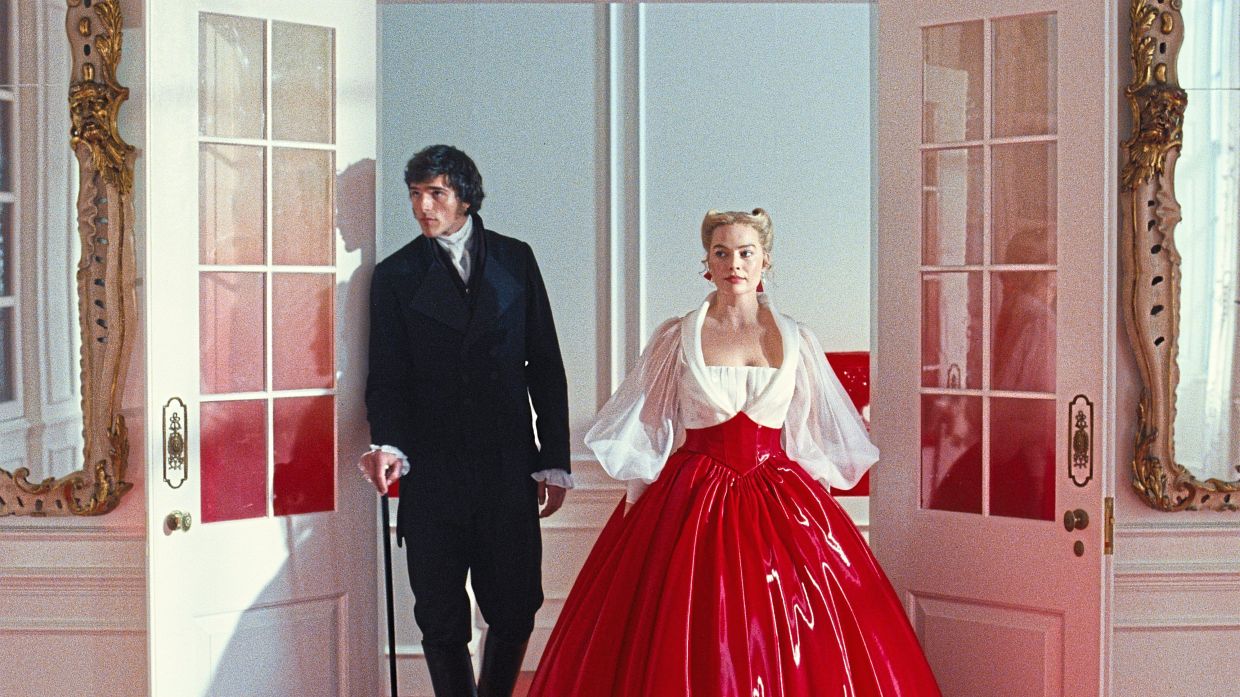
Morse is also no fan of Elordi’s casting: “That’s a problem because it elides an entire strand of the novel,” she said.
But despite some doubts about the new movie, she said she supported anything that drew new readers to the most poetic of the Bronte sisters’ novels.
“Wuthering Heights,” she said, “is a novel of struggle, and part of the struggle is to see what that’s romantic can actually survive.”
At the bookstore in Manhattan, several readers said they hardly cared if the film was a triumph.
Mostly, they were happy that it had brought them back to the experience of reading in a group – without any threat of grades or papers.
“Nobody assigns you classics in adult life,” said Molly Doyle Young, 30, who works in product marketing.
Nearby, another guest wondered what to read after Wuthering Heights. Several heads snapped in her direction.
“Jane Eyre!” one person said.
“Jane Eyre is good.”
“You should read Jane Eyre.” – ©2026 The New York Times Company
This article originally appeared in The New York Times.