As with Kuala Lumpur’s own beginnings, the newly reopened Bangunan Sultan Abdul Samad in the heart of Merdeka Square has lived many lives – shifting names, roles and meanings as the city grew around it.
From colonial administrative hub to post-independence landmark, it has long stood as one of the capital’s most photographed facades. Yet for all its iconic status, the public could only admire it from the outside – until its doors finally opened just days ago.
Since Monday (Feb 2), Bangunan Sultan Abdul Samad’s (BSAS) two floors have offered visitors a fresh interpretation of the national narrative, framed by the building’s distinctive architecture – from onion domes and finials to inverted lotuses, all set along the continuous arcaded corridors of its facade.
For content creators, it’s a dream backdrop – those arches, copper domes and the stately clocktower catching the light just right.
For tourists, stepping inside feels like discovering a new chapter in a familiar Kuala Lumpur postcard. But for many Malaysians, the reopening carries a warmer weight – a chance to walk through a building long admired from afar, and to feel history not as something distant, but as part of their own story.
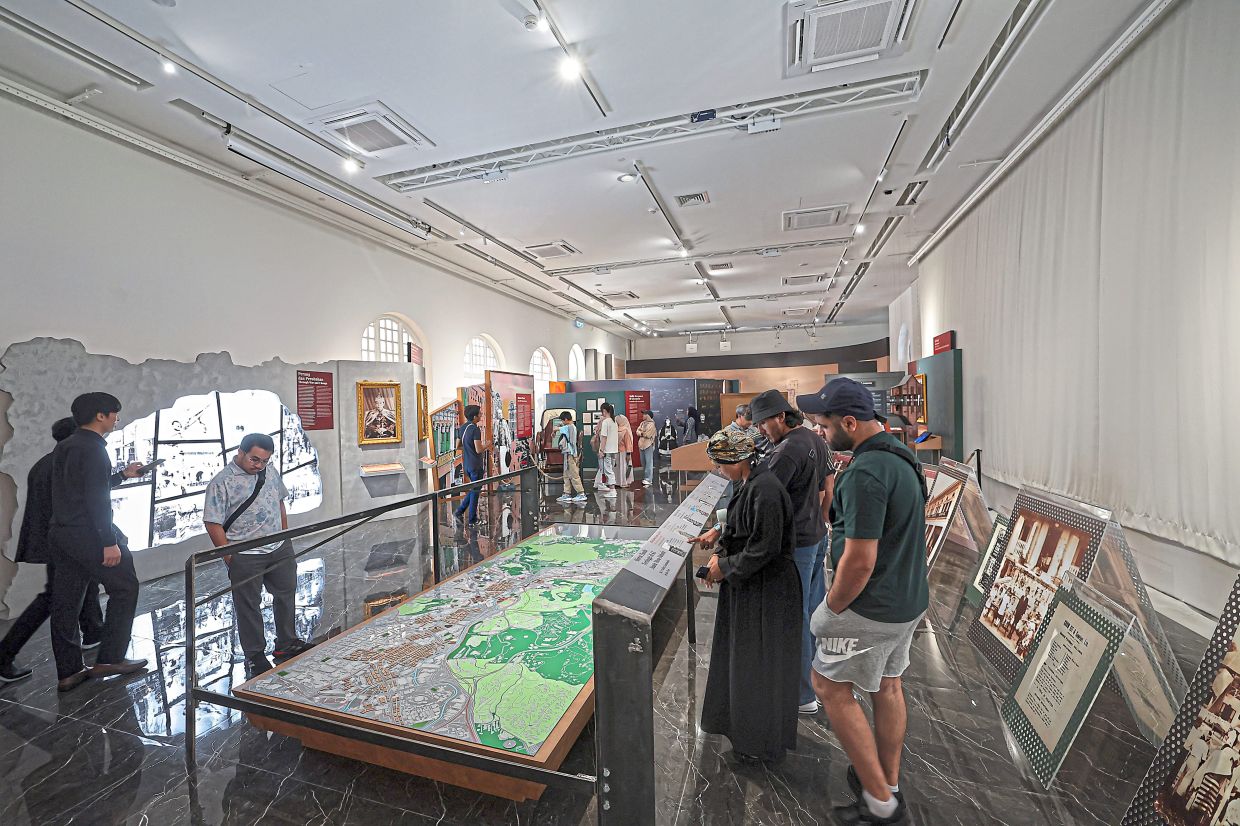
A steady stream of visitors – with doors opening at 9am and early birds already eager at the steps – has been discovering that BSAS is more than a photo opportunity (though it certainly delivers on that front).
Stepping inside feels a little like walking into the cover of the Sejarah Tingkatan 3 textbook – except this time, the history is not confined to print.
Once inside, you can stop by the cafes and souvenir shops or take in the views around the freshly painted BSAS – including some of the most scenic balconies in the city.
A year of renovation later, the scaffolding and support beams have vanished – now it’s all tripods, selfie sticks and eager visitors.
For a Visit Malaysia Year 2026 stop, it’s hard to beat – grab a gula Melaka coffee and explore at your own pace.
But the real takeaway is a Malaysian story to bring home and share.
For many, the visit isn’t complete without heading upstairs to the KL City Gallery, where you can rediscover or learn about the building. Upon reaching the first floor, visitors are immediately drawn into the A City Of Dreams: Kuala Lumpur 1820s-1974 exhibition at the main Confluence Hall.
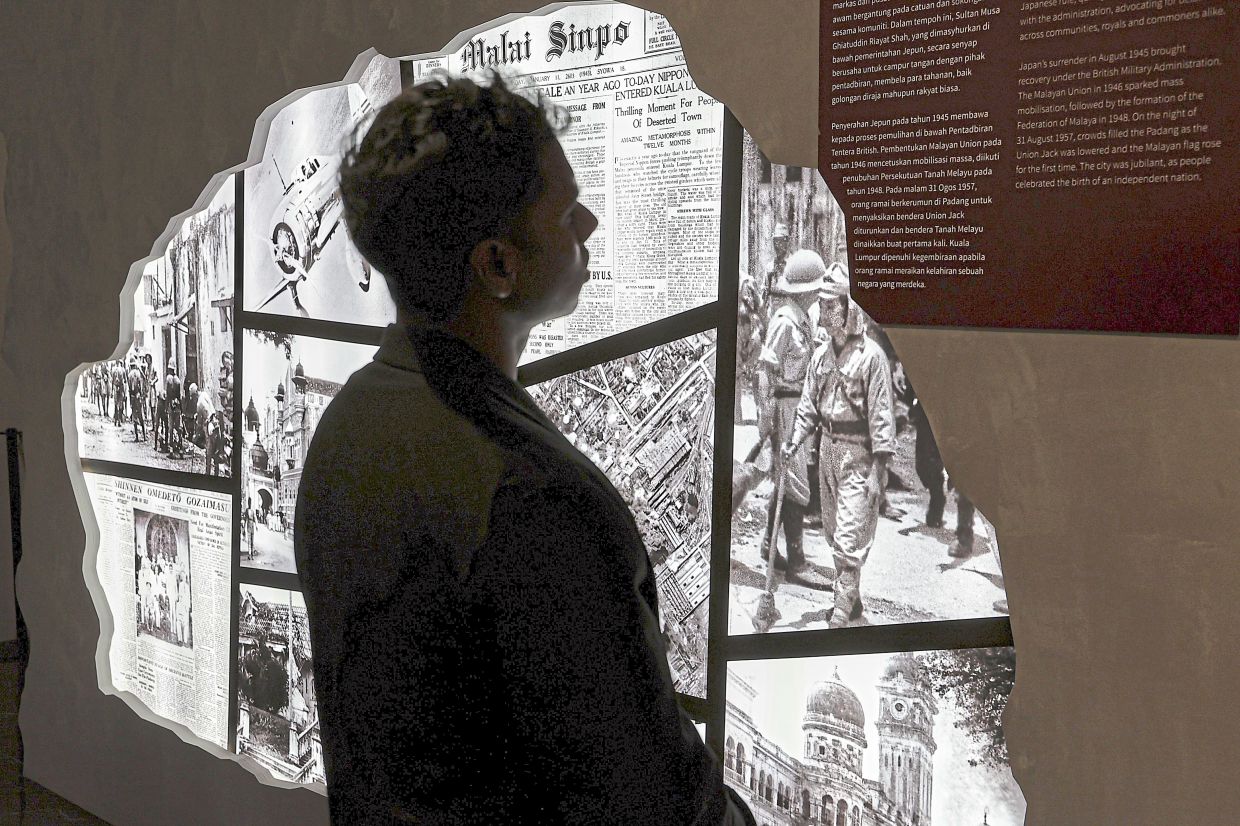
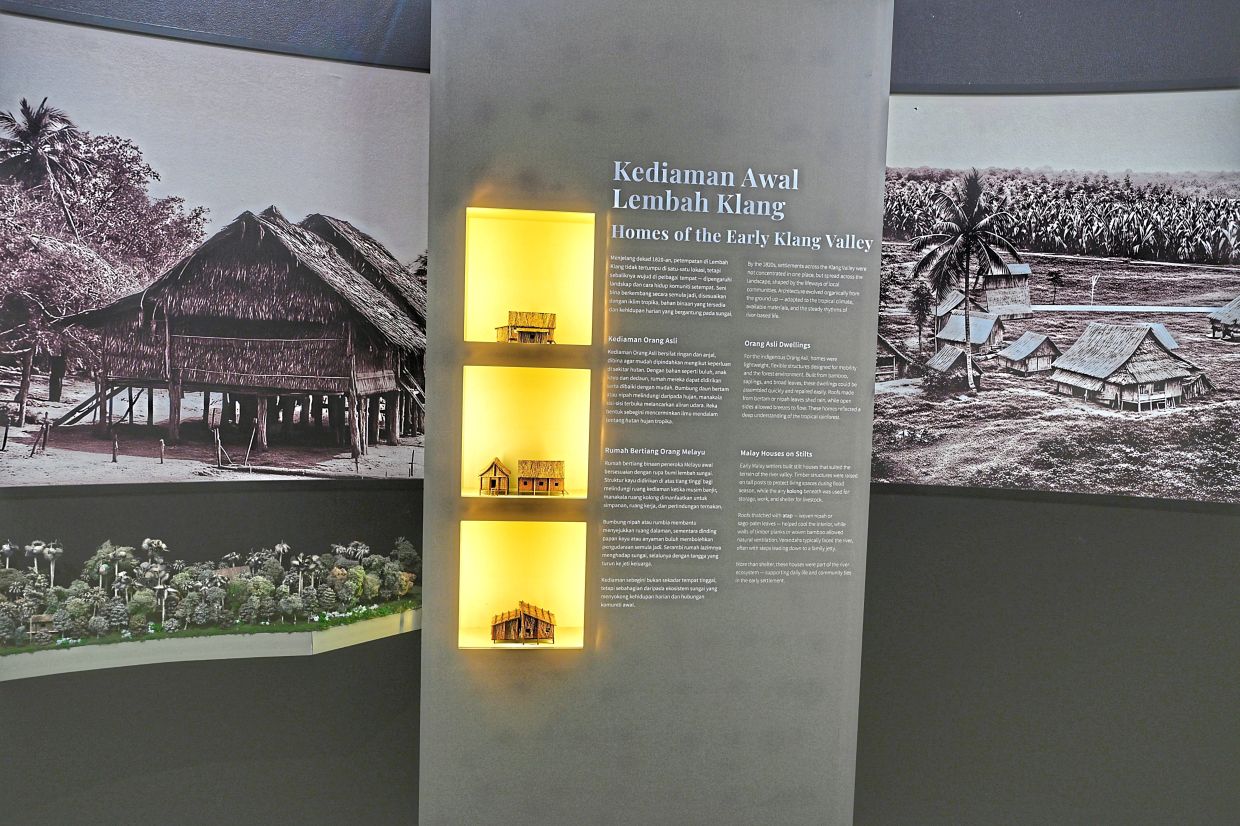
Through wall displays, photographs, architectural models, artefacts, maps, videos, installations and British Pathe archive newsreels, the exhibition offers an informative and accessible survey of the British colonial era, Kuala Lumpur’s muddy early days and the road to Merdeka – with BSAS in the backdrop.
The exhibition goes for a full rewind, offering enough detail to make you curious for more. Kuala Lumpur’s story is a rich one, beginning at the confluence of the Klang and Gombak rivers.
At this riverside frontier, miners, traders, artisans, mothers and migrants carved out their lives through long days of labour and perseverance.
Under Selangor’s administration, the settlement grew into a bustling trading and mining hub, attracting diverse communities.
These early efforts laid the foundation for Kuala Lumpur’s rise as the vibrant capital of Malaysia. The exhibition puts forward this journey, tracing the city’s growth, the lives of its early pioneers, illustrious leaders and the pivotal moments that shaped its history.
On a vertical note, a main exhibit presents a map showing how Kuala Lumpur’s tallest landmarks have changed over the past 100 years.
The Confluence Hall also celebrates Merdeka in grand style, echoing the hopes of the Father of Independence, Tunku Abdul Rahman, and showing how his vision still resonates today.
Visitors who take a few walks back through the BSAS exhibits are also rewarded with a journey to the 19th century and a peek into the 21st-century restoration efforts in modern Malaysia.
An exhibition highlight is “The Grand BSAS” installation, measuring 3.7m long, 2.1m high, and 0.9m wide, suspended from the ceiling and floating above a projected river that recalls Kuala Lumpur’s origins.
Its mirror-like surface and integrated lighting evoke memory and time, revealing BSAS as a building that carries its past, present and future.
Smaller exhibits offer glimpses of how Kuala Lumpur has changed – and how it has stayed the same. A walking tour map by the late artist Victor Chin (1949–2022) and photographer Cheryl Hoffmann, printed in the early 1990s, reminds us of heritage conservation, with several buildings on their Chinatown map now gone.
Photographs from Mama Annie Yap’s 1971 Flood Album document when the Klang and Gombak rivers overflowed, flooding 60% of the city. Decades later, the images feel familiar, with the federal capital still experiencing flash floods.
If the main gallery wasn't enough, BSAS also offers two other first-floor stops: the immersive Visionary Hall and the Instagram-friendly Harmony Hall. Younger visitors can enjoy Malaysian folk tales in the video room Hikayat Chamber, while the Collector’s Corner serves as an open gallery for art and photography.
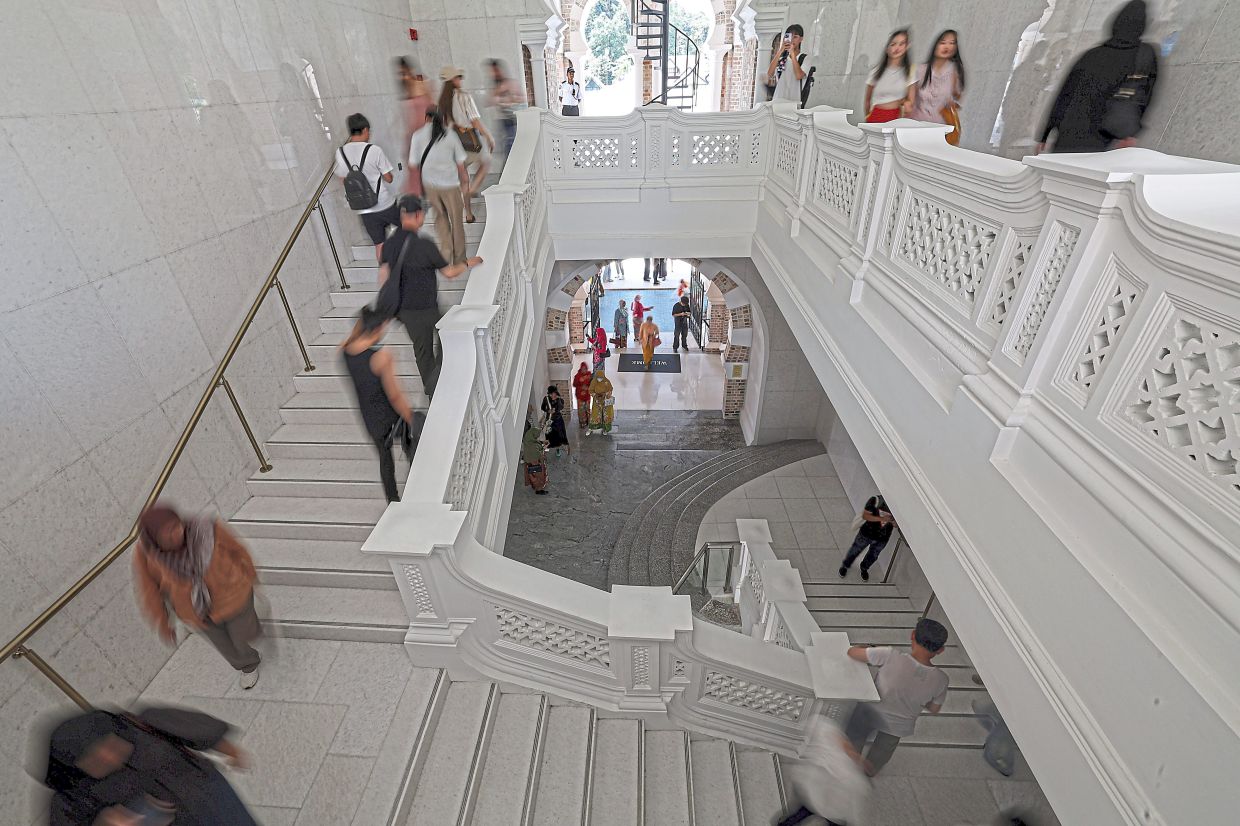
With its staircases, BSAS offers plenty of walking, but lifts are available to take visitors upstairs, along with helpful staff on hand.
Entry to the exhibition halls at Bangunan Sultan Abdul Samad in Kuala Lumpur is free for a limited time, open daily from 9am to 6pm.