
There are more than 100 works by 25 artists on display at Into The Modern: Impressionism From The Museum Of Fine Arts, Boston, which opened at the National Gallery Singapore last Friday (Nov 14).
The works on loan represent the best of the beloved art movement, with prime examples from its most famous painters such as Claude Monet, Pierre-Auguste Renoir and Paul Cezanne.
The show runs till March 1, 2026, so visitors can take their time ambling through the Singtel Special Exhibition Galleries.
Beyond the landmark works are smaller gems not to be missed. Here are some highlights from the show.
A pair of small, unassuming paintings, both focused on trees, by Claude Monet are displayed at different galleries. Seacoast At Trouville is an earlier work, painted at the popular resort town of Trouville which had boomed as a vacation destination with the arrival of railways.
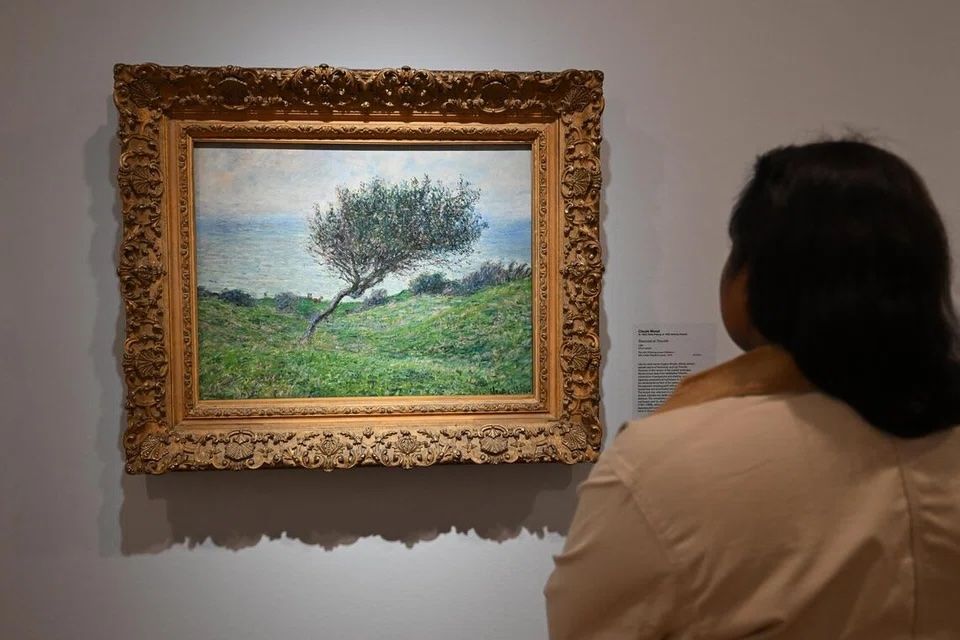
One would not be able to tell from Monet’s work, however, that the coastline had become clogged with casinos and hotels. He chose to focus on a gnarled and crooked tree in a composition that took a leaf from a print by ukiyo-e master Utagawa Hiroshige.
Cap d’Antibes, Mistral goes to the southern coastline of France, where the light so captivated Monet, he painted this view three times.
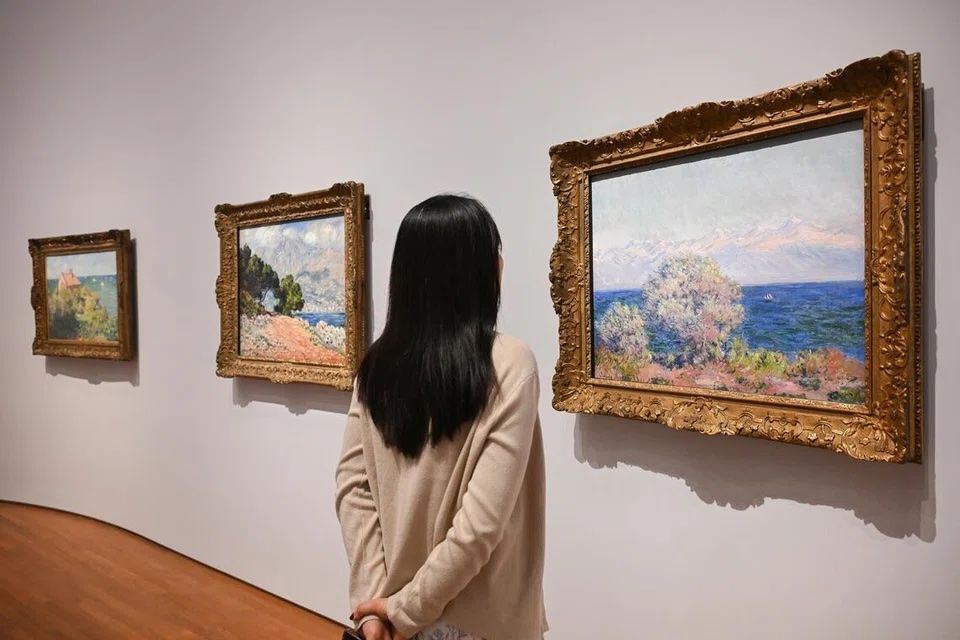
The work is named for the cold wind that sweeps through the south of France into the northern Mediterranean. The trees here practically glow in the clear light and one can almost see the white dappled leaves fluttering in the wake of the wind.
While these works may seem small, they are demonstrations of themes and techniques that obsessed Monet throughout his career: how to capture the different qualities of light in a constantly changing landscape, the Japonisme that influenced Impressionism, the dynamic brushstrokes he used when painting en plein air (in the open air).
Between two of the Singtel Special Galleries is a workspace for visitors to sit and try their hand at sketching.
Do not skip the plain-looking tables, because the built-in glass displays house Nanyang pioneer Georgette Chen’s art supplies.
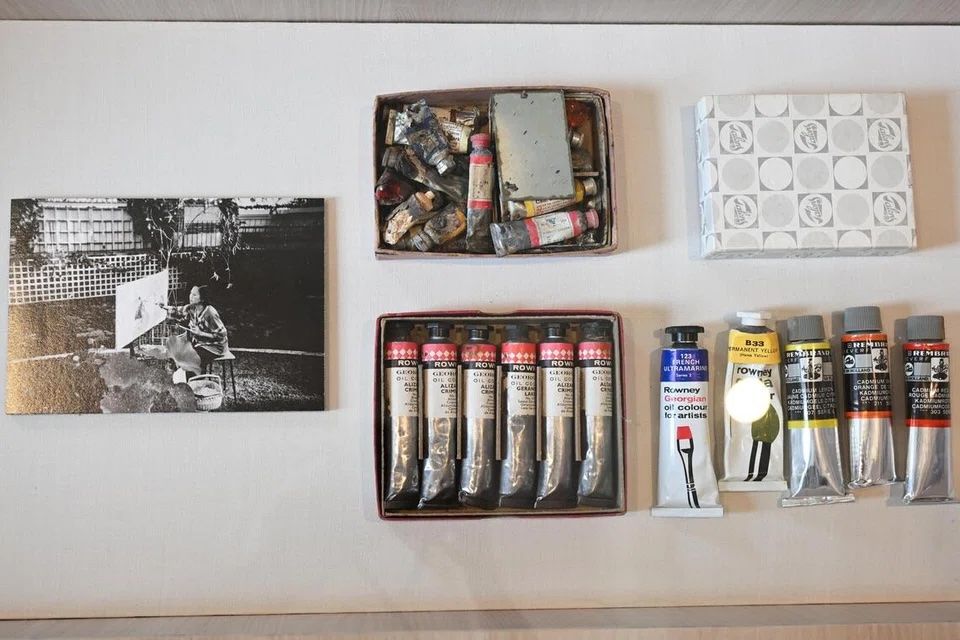
here are also archival photos of the artist at work, painting en plein air like the Impressionists who pioneered this method of capturing fleeting scenes.
This small painting presents a scene of women doing laundry along the banks of the river Seine, with a bridge in the background. Its composition is almost exactly the same as an archival photograph which has been reproduced on an oversized banner hanging nearby.
Photography and film were media which were then coming into common use. Just as the technology of generative artificial intelligence is challenging art makers today, artists then were also struggling with the then cutting-edge media of photography and film.
This Self-Portrait by Victorine Meurent is displayed next to an etching by Edouard Manet.
She is the model for the work reproduced in the etching – Olympia, an 1863 painting that caused a scandalised uproar when it was first exhibited at the 1865 Paris Salon for its frank depiction of a modern naked woman.
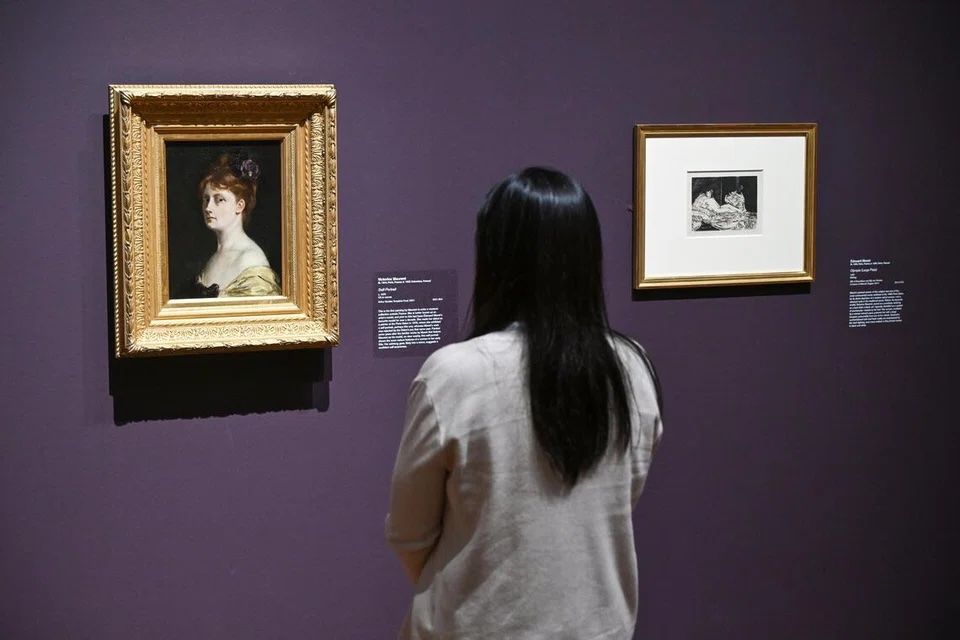
What is less known is that Meurent was a respected artist in her own right.
As can be seen from this conventionally composed work, she favoured a more traditional painting style than the Impressionists who painted her.
In fact, in 1876 her work was accepted by the Salon which turned down Manet’s submissions.
This instantly recognisable work is one of the key visuals for the exhibition, plastered on pillars at the entrance to the gallery.
Bougival was a party town and that vibe is vividly conveyed in this work, where a couple seem ready to twirl off the canvas onto the gallery floor.
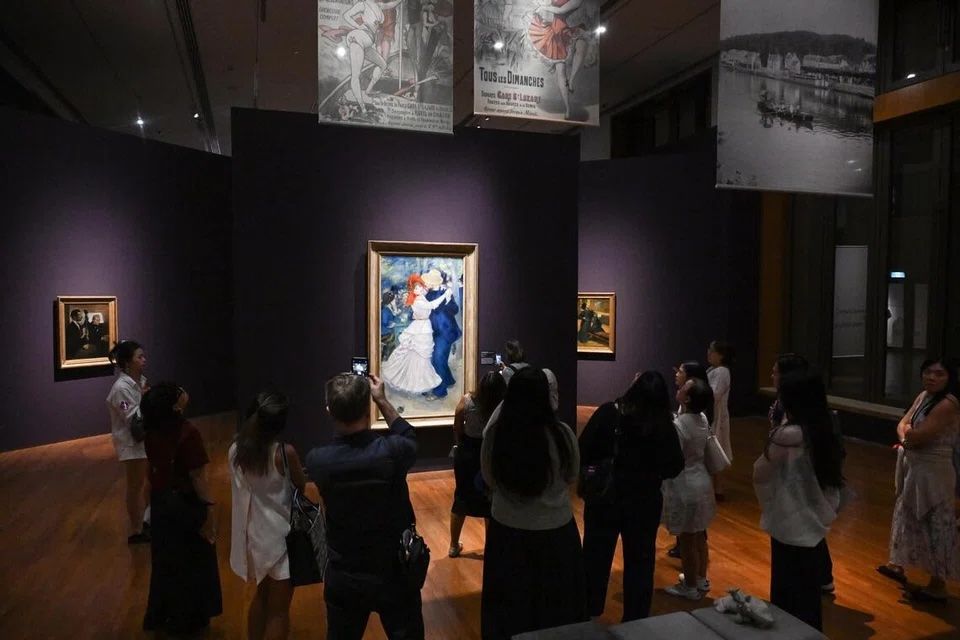
This is one of those works that repay close study as there are details that add to the atmosphere of the piece.
Note the cigarette butts on the floor and the half-finished beer mugs on the table, contributing to the relaxed, casual air of the cafe setting.
The work is part of a trio of canvases – Dance In The City and Dance In Country – all completed in the same year for art dealer Paul Durand-Ruel.
One of the three grand dames of the Impressionists – the other two being Marie Bracquemond and Mary Cassatt – Berthe Morisot took part in seven of the eight Impressionist exhibitions.
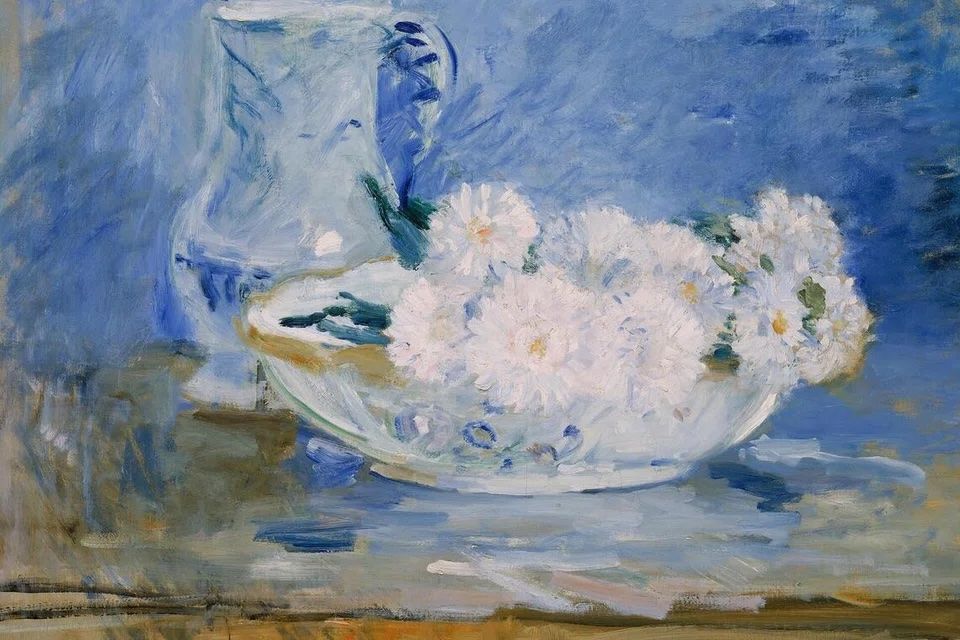
This simple still life demonstrates her technical skills – note that there are no harsh outlines, yet her loose brushstrokes capture the translucency of the water jug, the curves of the bowl and the frothy petals.
Grainstack (Snow Effect) (1891) by Claude Monet
These two paintings carry stories about the Museum of Fine Arts (MFA), Boston’s stellar Impressionist collection.
Meadow With Haystacks Near Giverny and Cap d’Antibes, Mistral were bought by the brother of Lilla Cabot Perry.
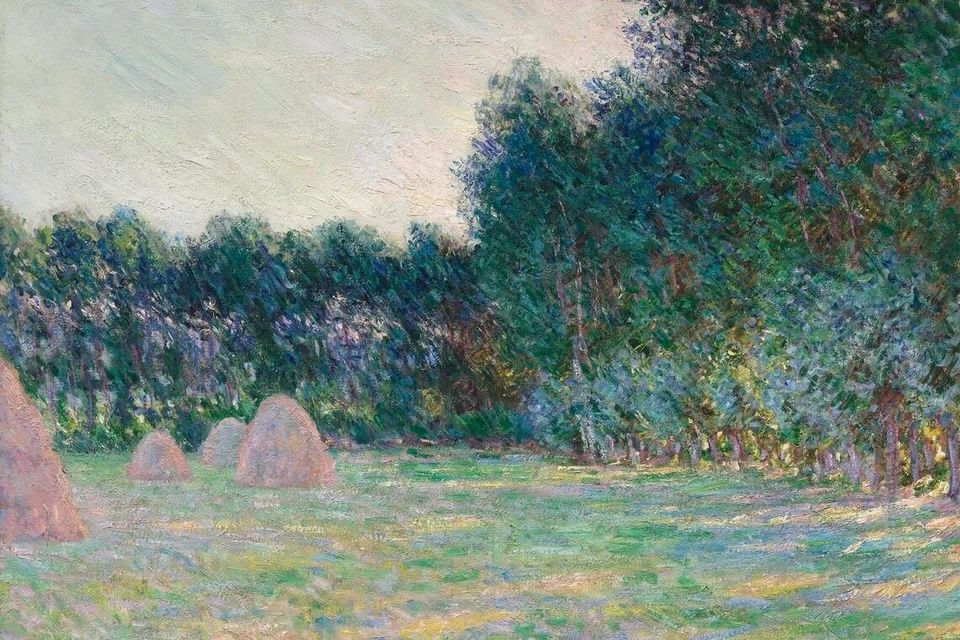
Perry was a painter who spent many summers in Giverny, befriending Monet, who also became her mentor. She encouraged her brother to buy these works, which were donated to the MFA.
Grainstack (Snow Effect) was bought by Annie and Horatio Lamb who, during their honeymoon, visited Monet’s landmark 1891 exhibition with 15 Grainstack paintings.
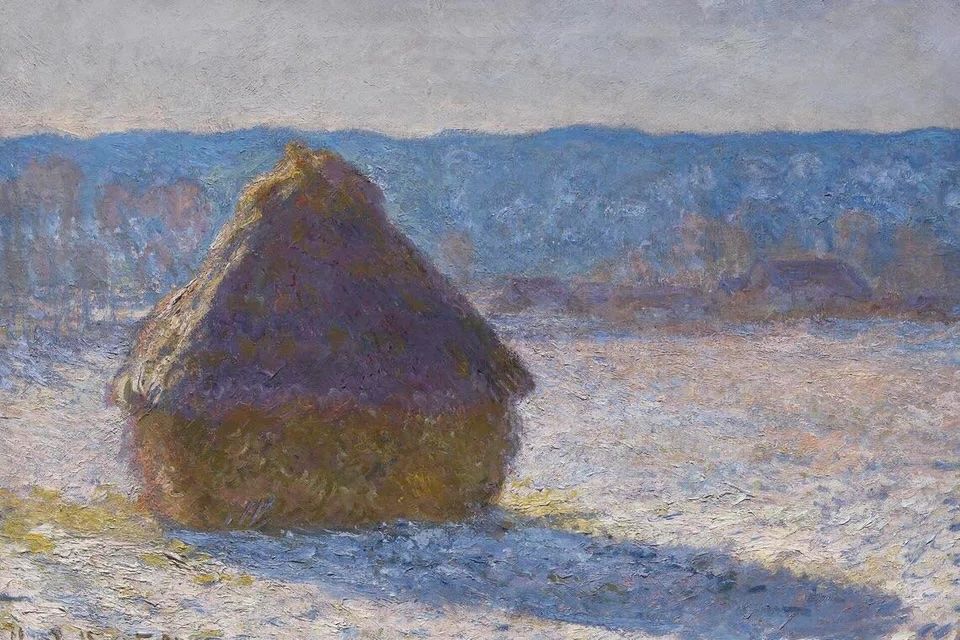
This work was donated by their daughters to mark the MFA’s centennial in 1970.
While the French establishment was leery of the Impressionists’ work, American patrons were supportive from their early years.
Already a subscriber? Log in
Get 20% OFF The Star Digital Access
Cancel anytime. Ad-free. Unlimited access with perks.