For veteran poet and author Raja Ahmad Aminullah, the printed word is never static. Books, magazines, and newspapers are not just objects to be archived but vessels of memory, debate, and dissent.
His pop-up exhibition, Seeds Of Resistance: Journey Towards Independence, now showing at the GMBB creative mall in Kuala Lumpur until Sept 29, is both a tribute to that belief and an act of cultural remembrance.
Drawn from Raja Ahmad’s vast personal library - an unparalleled collection of “Malaysiana” titles and pre-war publications - the exhibition charts the life of ideas that shaped Malaya’s road to Merdeka and beyond.
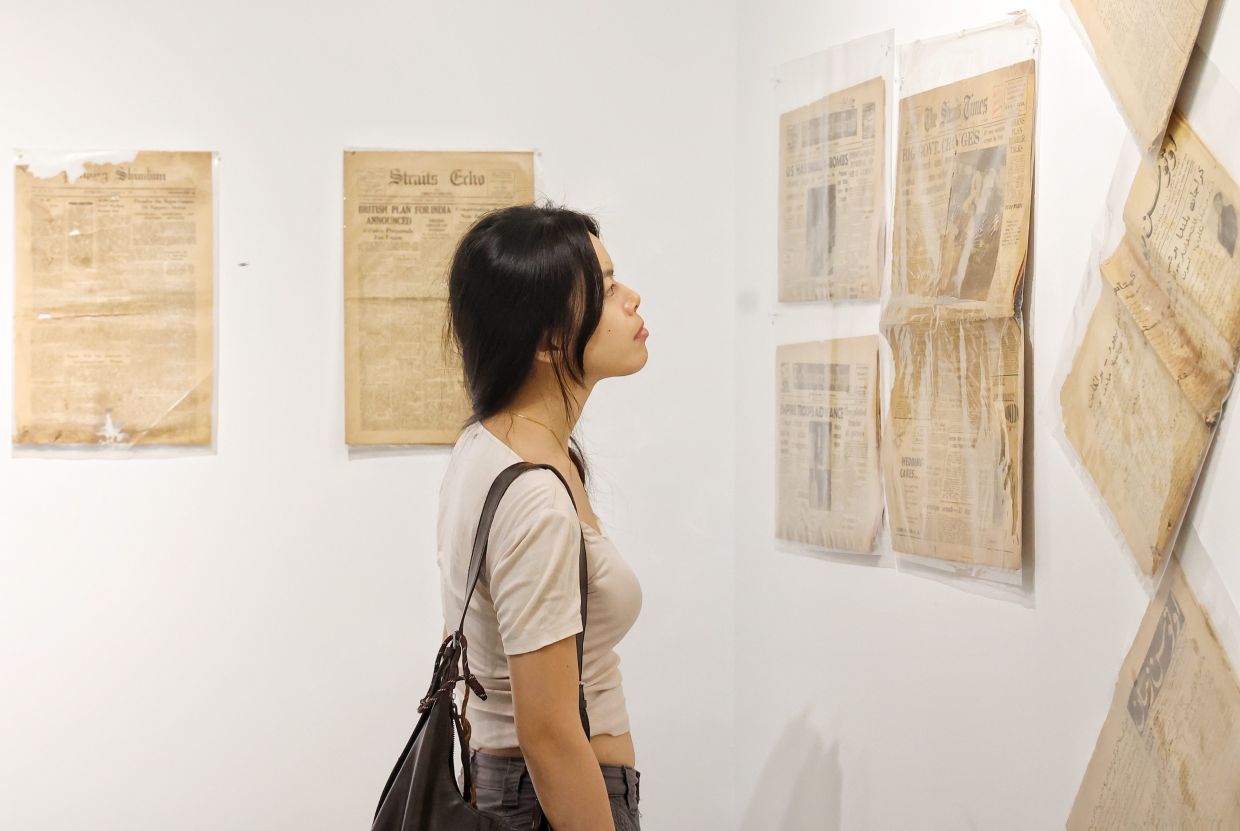
Periodicals like Qalam and Mastika show how language became a tool of awakening; journals linked to Ahmad Boestamam and Burhanuddin al-Helmy reveal the fervour of the Malay left; while colonial texts like Sir Frank Swettenham’s The Real Malay provide a counterpoint to local narratives of self-determination.
“There were many other individuals and groups involved in the fight for independence, including Burhanuddin al-Helmy, Ahmad Boestamam, and the founders of Angkatan Wanita Sedar: Aishah Ghani, Sakinah Junid, and Shamsiah Fakeh,” says Raja Ahmad, who assembled the exhibition with independent curator Tan Sei Hon.
“I thought I could recognise some of these names who were neglected,” he adds.
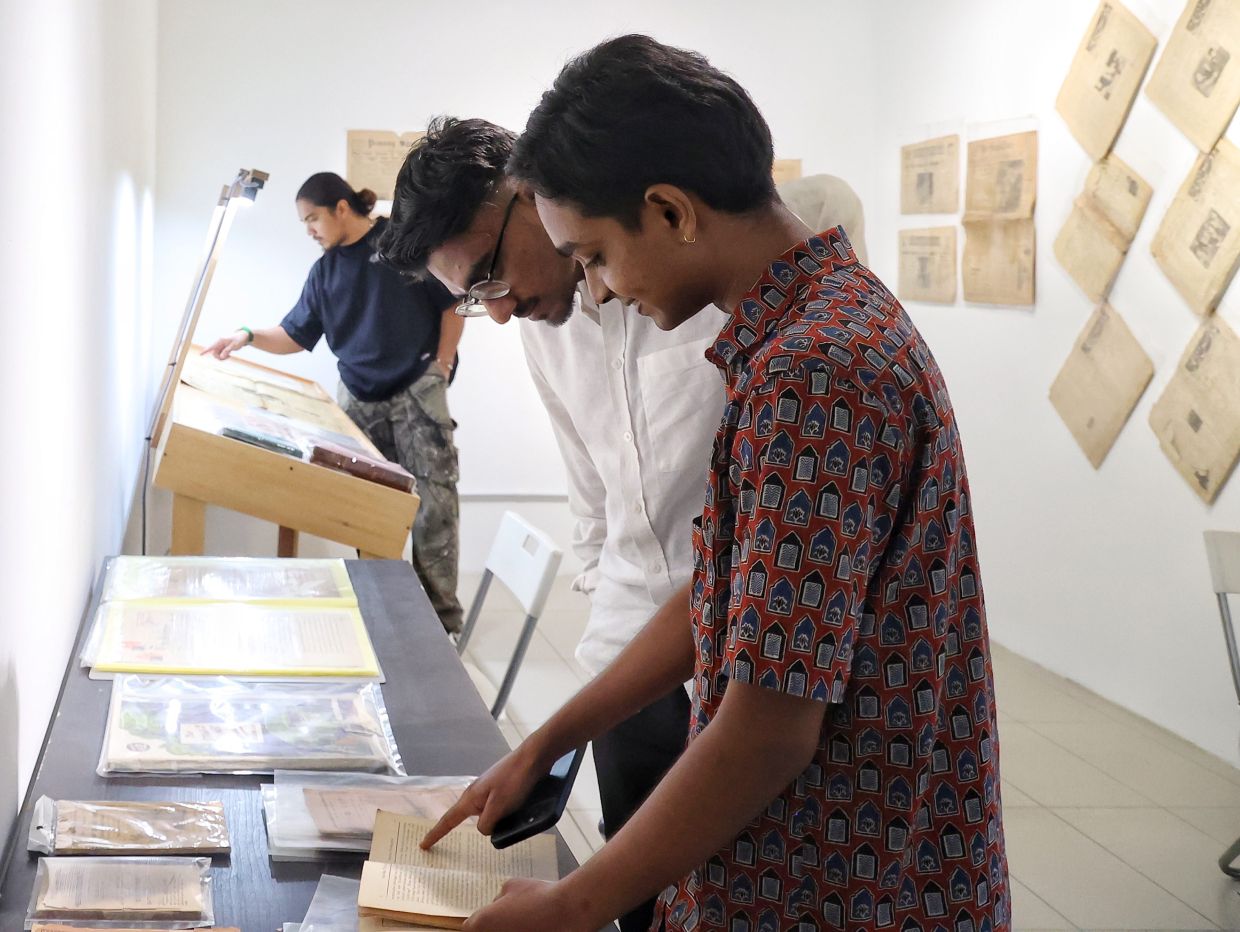
With growing interest in vintage books, magazines, and paraphernalia from the Merdeka and early Malaysia years, this exhibition reveals how private collections can open up perspectives often absent from official museum narratives.
Tan has arranged the exhibition like a dialogue across the early decades leading up to nationhood, while visitors can also engage up close with the materials.
Newspapers such as the Penang Shimbun, printed during the Japanese occupation, sit beside Utusan Zaman and other journals, while folk tale storybooks from the 1930s also provide a glimpse of how local cultures and communities merged.
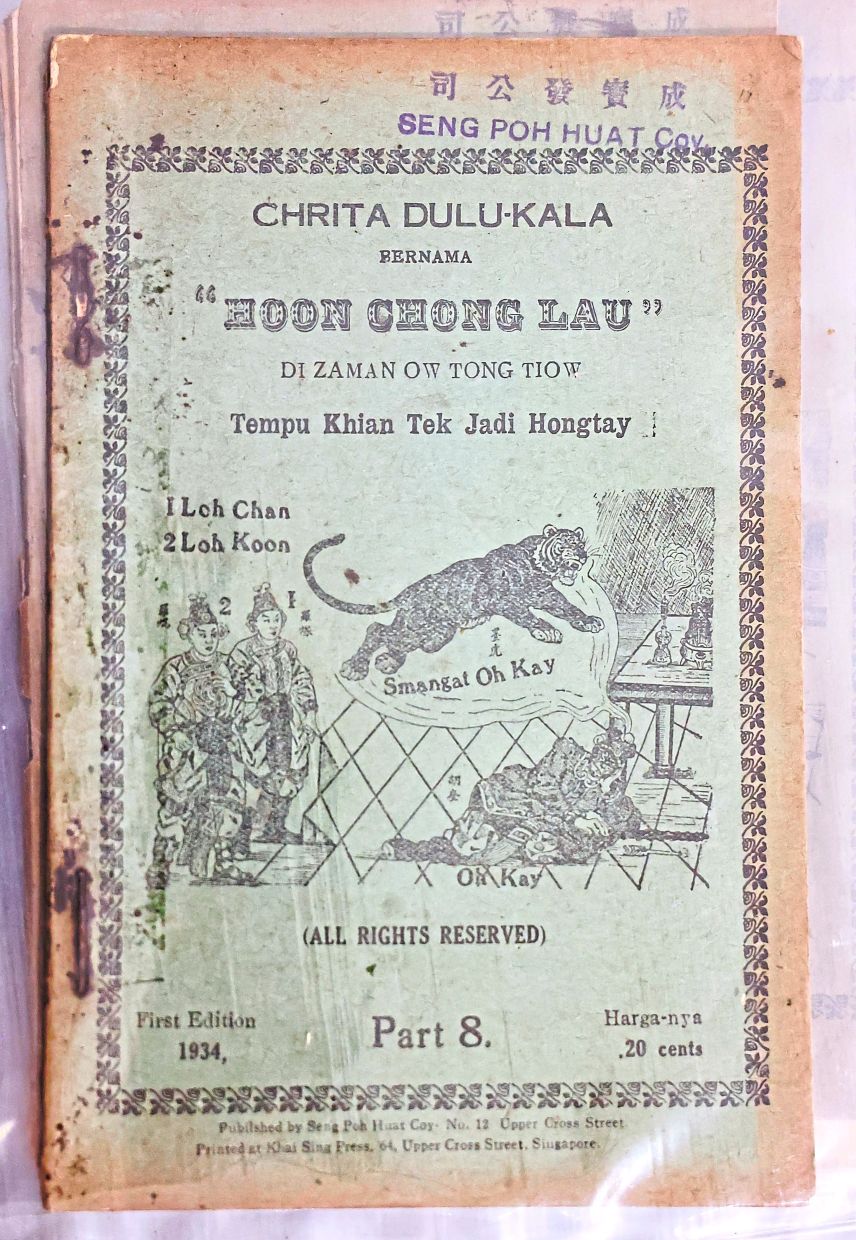
For visitors, the exhibition offers not nostalgia but an eye-opening perspective on the struggles and ideas that shaped the nation.
"There are many ways to revisit the nation’s history. For this show, we set aside the art and paintings from Raja Ahmad’s collection to focus on the written word.
"His archive is wide enough to piece together a people’s narrative, and we hope visitors will take their time with the exhibits," says Tan.
Seeds Of Resistance: Journey Towards Independence at GMBB in KL is open 11am-7pm daily. Free admission.