Food may be the great unifier for Malaysians, but so too is the nation’s appetite for food of the soul. Music, in all its variety, runs just as deep – from the hypnotic rhythms of traditional drums to the delicate strains of indigenous strings, from coastal folk songs to urban soundscapes.
Each corner of the country holds its own instruments, stories, and styles, waiting to be discovered. Together, they form a living soundtrack that is as diverse and distinctive as Malaysia itself.
Echoes Of The Earth, part of Nada-Rasa Unity ArtFest 2025 at GMBB in Kuala Lumpur (on until Sept 28), lets you discover Malaysian traditional instruments and more without leaving the city.
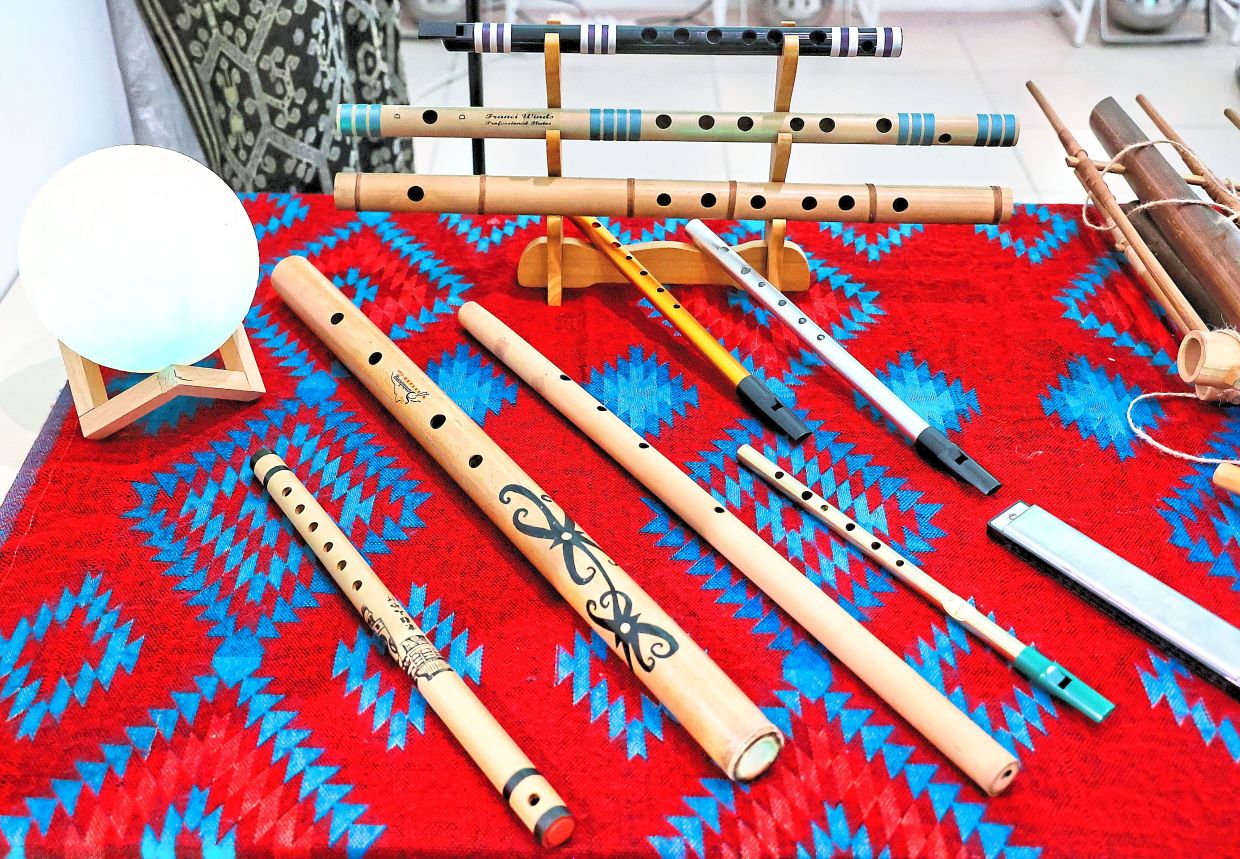
The exhibition, curated by music educators and performers, highlights 55 traditional instruments, many from Malaysia. With free entry throughout the month, visitors can not only see the instruments up close but also hear them in action through guided tours, live demonstrations, and workshops on selected days.
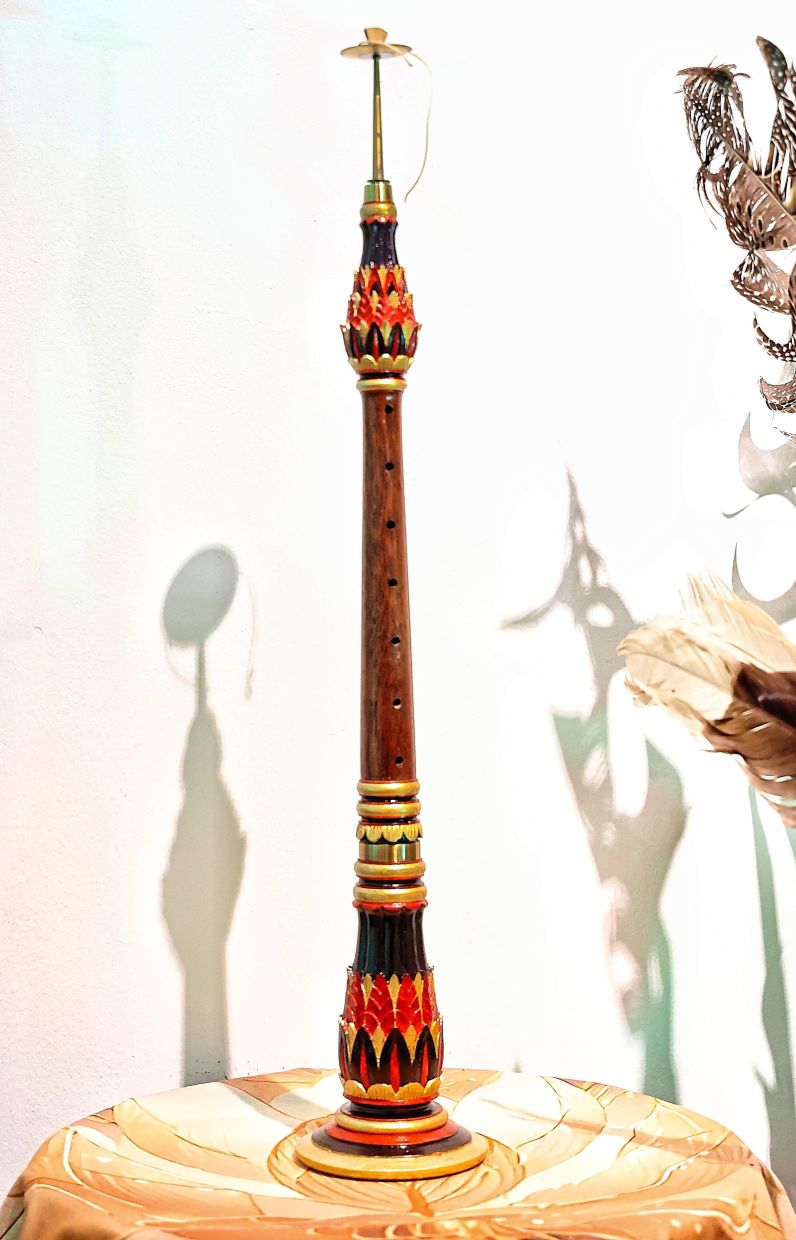
The programme also spans Chinese regional music by the Zoom-IN Ensemble, right to showcases featuring the sitar, gamelan and the Sarawakian sape (a boat-shaped lute).
GMBB’s Rentak Malaysiaku also takes from Sept 13-16, featuring Malaysia Day activities tied to the exhibition.
A unique, living energy
“Every instrument has a story but a few carry particularly deep roots that I hope the public will notice. From the Malay world, the rebana and seruling reflect the communal spirit and carry their unique stories. From Borneo, the sape is more than an instrument; it is a storytelling voice often linked to dreams, healing and the soul of the rainforest," says Abishegam Thiyaga Dass, curator of the exhibition, in a recent interview.
"From India, the tanpura (a four-stringed instrument) and mridangam (ancient percussion) represent the sacred dimension of sound that has shaped spiritual traditions for generations. And from China, the xiao sanxian (a three-stringed instrument) and ruan (a type of lute) bring timeless melodies that have echoed through dynasties, carrying poetry and emotion,” he adds.
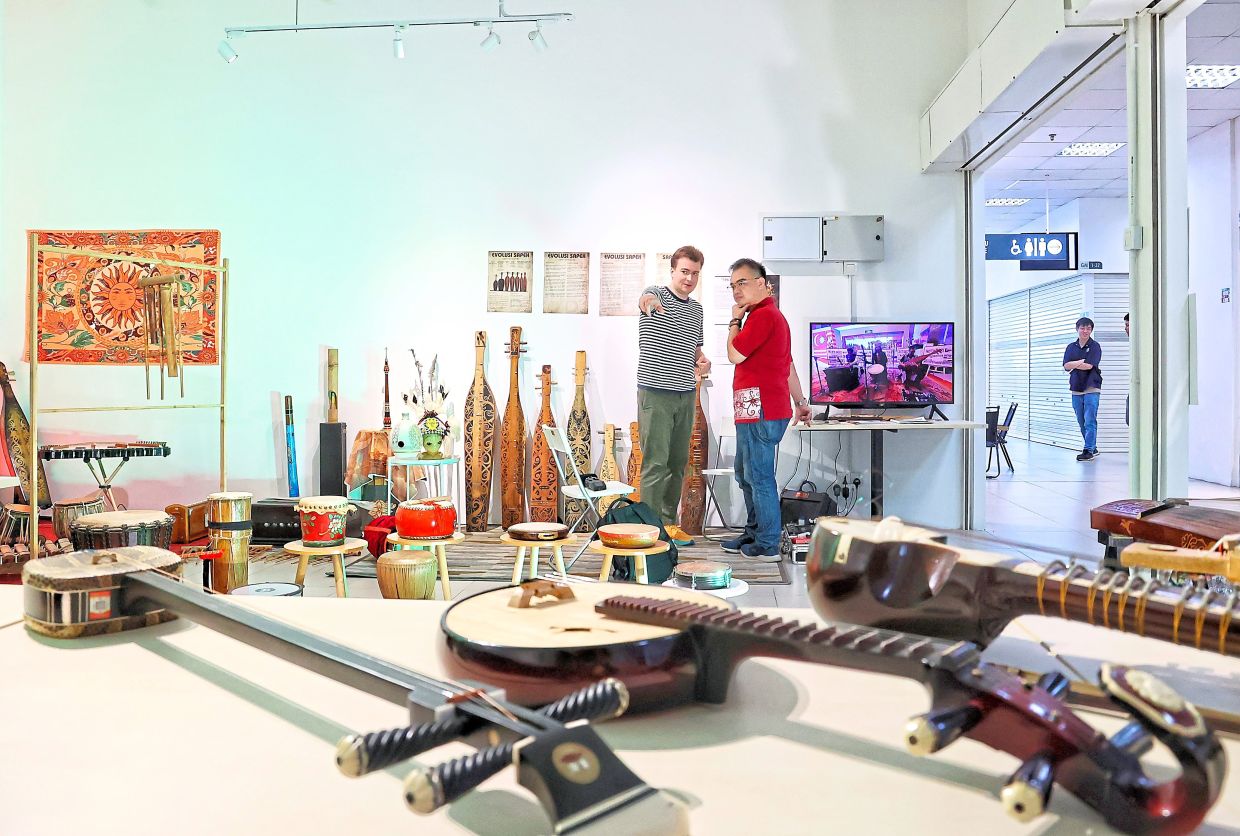
Abishegam, a sitar master driven by a love for music, culture, and heritage, said the exhibition goes beyond glass cases – it’s about feeling the living traditions and cultural exchanges each instrument brings to life.
“The exhibition celebrates unity in diversity reminding us that though the instruments look and sound different, together they create harmony that reflects the unity of Malaysia. To me, these creations of wood, metal, bone, skin, silk, shells and other natural sources are not silent objects but voices that communicate with one another under this one roof, filling this space with a unique, living energy,” he said.
Tomorrow’s tradition bearers
Among the featured performers is Anderson Kalang, a respected sape player from Miri, Sarawak, who has been leading workshops and demonstrations. Known for both preserving and modernising the sape, Kalang sees GMBB as a fitting space to share the tradition with wider audiences – and, in between, he takes time to wander the exhibits himself.
“Of course it is deeply meaningful for me personally, as I represent a little heritage of Borneo here. The sape carries the voice of our rivers, our forests, and our ancestral stories. Bringing it to a platform like Nada-Rasa, right in the heart of Kuala Lumpur, feels like bridging two worlds, our indigenous roots and a bigger audience eager to connect with authentic tradition," says Kalang.
"It’s a chance to show that Sarawak’s heritage isn’t confined to the highlands. It is alive, evolving, and ready to be celebrated by everyone,” he adds.
Kalang has toured with the sape overseas and collaborated with pop stars, gaining recognition for mixing its traditional tones with contemporary genres, even techno.
“I always begin by honouring the original melodies and playing techniques passed down by the elders, and I make this clear to my audiences first. From there, I let creativity breathe – layering rhythms or harmonies that speak to today’s listeners.
"For me, innovation isn’t about replacing the old; it’s about giving it new pathways to survive and stay relevant, using modern musical technologies to carry those sounds forward. When you respect the soul of the instrument, it adapts naturally without losing its identity,” he says.
Whether at cultural festivals or in classrooms, Kalang’s workshops lead participants through the fundamentals of the sape and the traditions behind it.
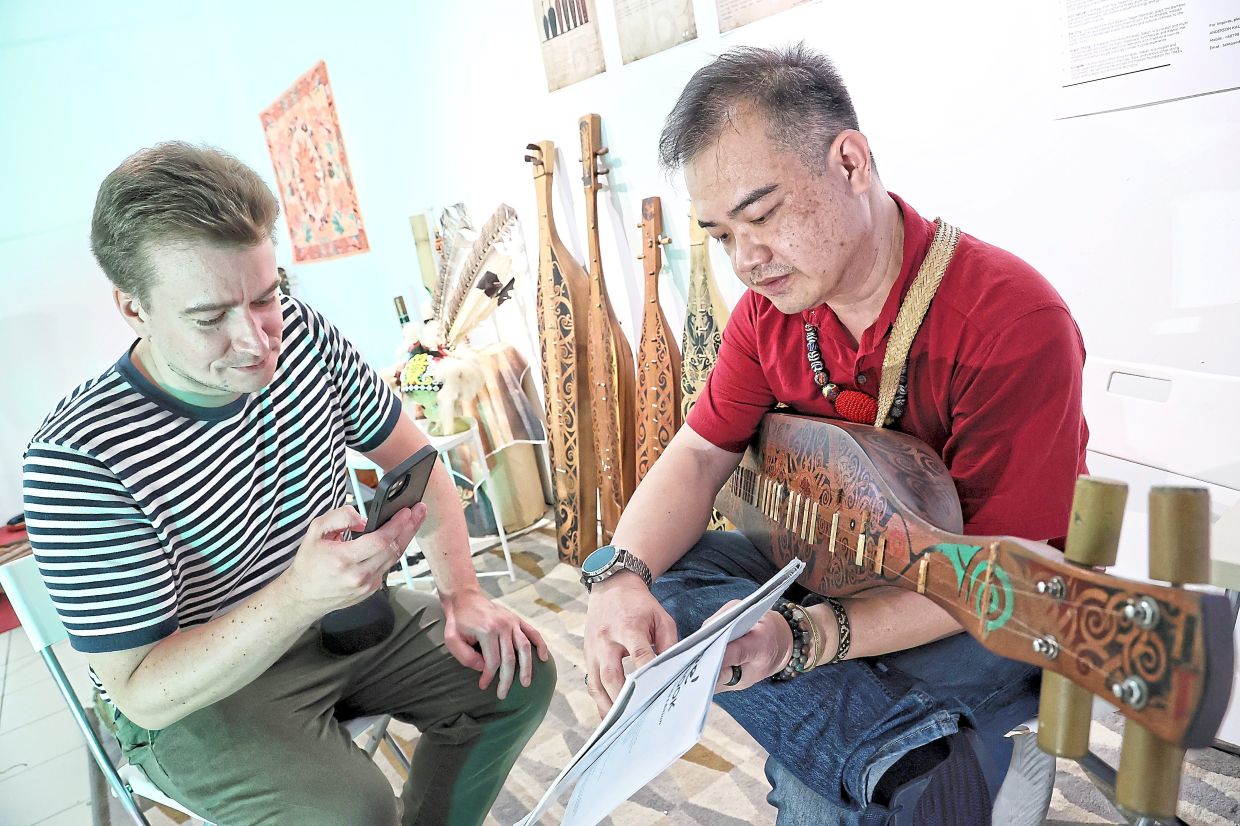
“I want them to feel a spark of life and appreciation for our continuous cultural preservation. An emotional connection that goes beyond just learning an instrument. I hope they sense the spirit of Borneo, the calm of the rivers, the warmth of community through the stories I’ll be sharing.
"Whether they’re complete beginners or seasoned musicians, I want them to leave inspired, curious, and proud that such a unique voice exists within Malaysia’s cultural tapestry,” says Kalang.
Looking ahead, he sees the festival as a way to spark curiosity in the next generation, ensuring these traditions are carried forward in fresh and meaningful ways.
“I hope it sparks pride and curiosity in every participant. Too often, traditional music is seen as something old or distant. Festivals like Nada-Rasa show that its alive, versatile, and ours to carry forward.
"If even one young person leaves wanting to learn the sape or any heritage instrument and make it part of their story, then we’ve planted a seed for the next generation of cultural custodians,” concludes Kalang.