
Indonesia has asked the Netherlands to hand back at least eight art pieces and natural history collections that were acquired during the colonial era, including the remains of a landmark hominid known as "Java Man."
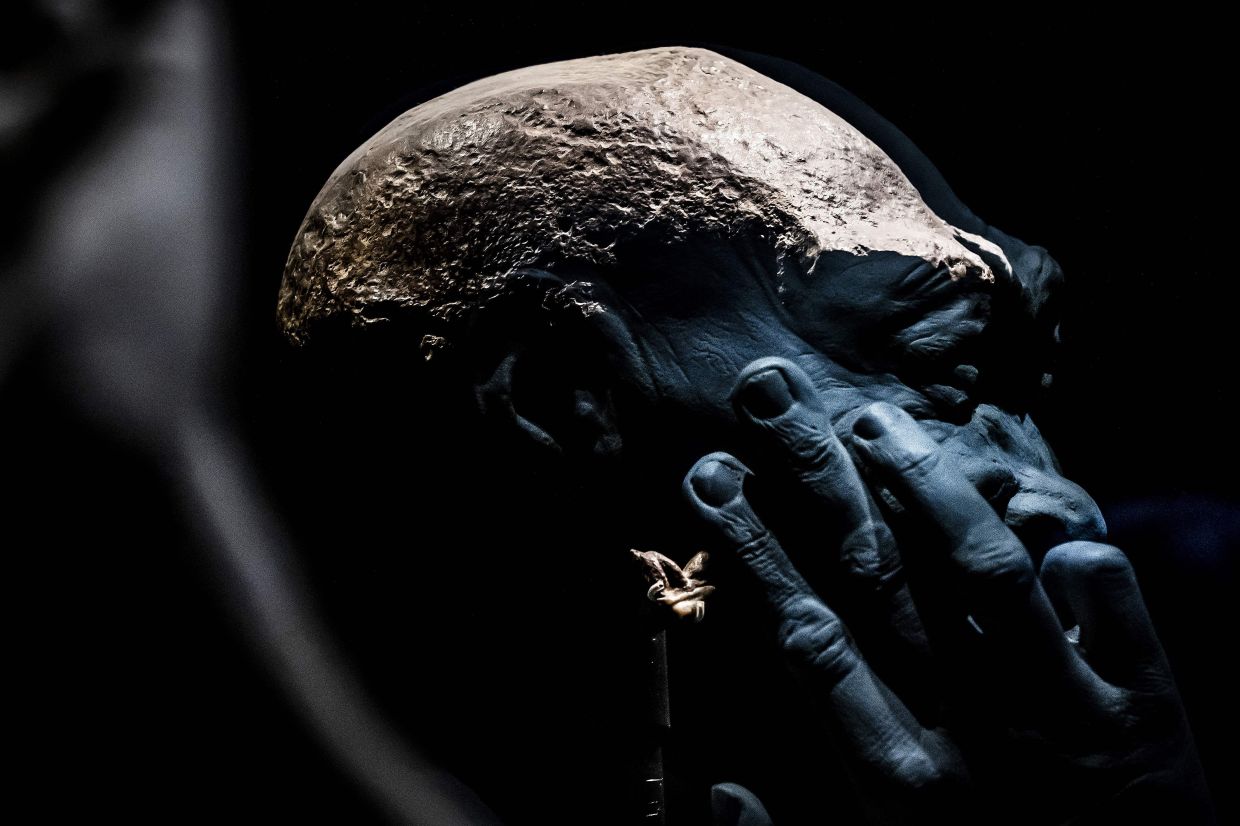
Identified as the first-ever example discovered of a Homo erectus, a forerunner of anatomically modern humans, "Java Man" is the centrepiece of an important collection at the Naturalis museum in Leiden.
It comprises a femur and most of a cranium, discovered on the Indonesian island of Java by Dutch anatomist and geologist Eugene Dubois in 1891-92, when Indonesia was still a colony of the Netherlands.
Asked about Jakarta's request, Dutch education and science ministry spokesman Jules van de Ven on Tuesday said Indonesia made the request "during the summer".
Other pieces sought by Indonesia in the Dubois collection include the horse-riding reins of Prince Diponegoro, a Javanese royal who opposed Dutch colonial rule in the 19th century, and the so-called "Lombok treasure" of golden artefacts, the Dutch daily newspaper Trouw reported.
Ven said a government-appointed commission will start a probe in December and make recommendations to Dutch deputy culture minister Gunay Uslu, adding that he could not give a timeline for the work.
Ven added the Dutch government had had "very constructive" discussions with their Indonesian counterparts.
"Not only did we speak about returns, but also about cooperation in scientific studies and exhibitions."
The Naturalis museum told Trouw it "understood the Indonesian claim" but was surprised that Indonesia viewed objects of natural history in a similar vein as historical artefacts.
The Java skull would not have been found if it wasn't for Dubois, it added.
Indonesia's approach to its former colonial master follows that of African countries in pressing Britain, France, Germany and Belgium to return historic or cultural items that were looted during their rule.
In recent years the Netherlands has finally started to grapple with the legacy of its colonialism in the former Dutch East Indies.
The archipelago declared its independence in August 1945 after being under Dutch rule for three centuries. Dutch recognition took place in 1949 after four years of bloody fighting.
The Netherlands apologised in February after a study found that the Dutch army used "systematic and extreme violence" during the independence war. - AFP
Already a subscriber? Log in
Get 20% OFF The Star Digital Access
Cancel anytime. Ad-free. Unlimited access with perks.
Java Man
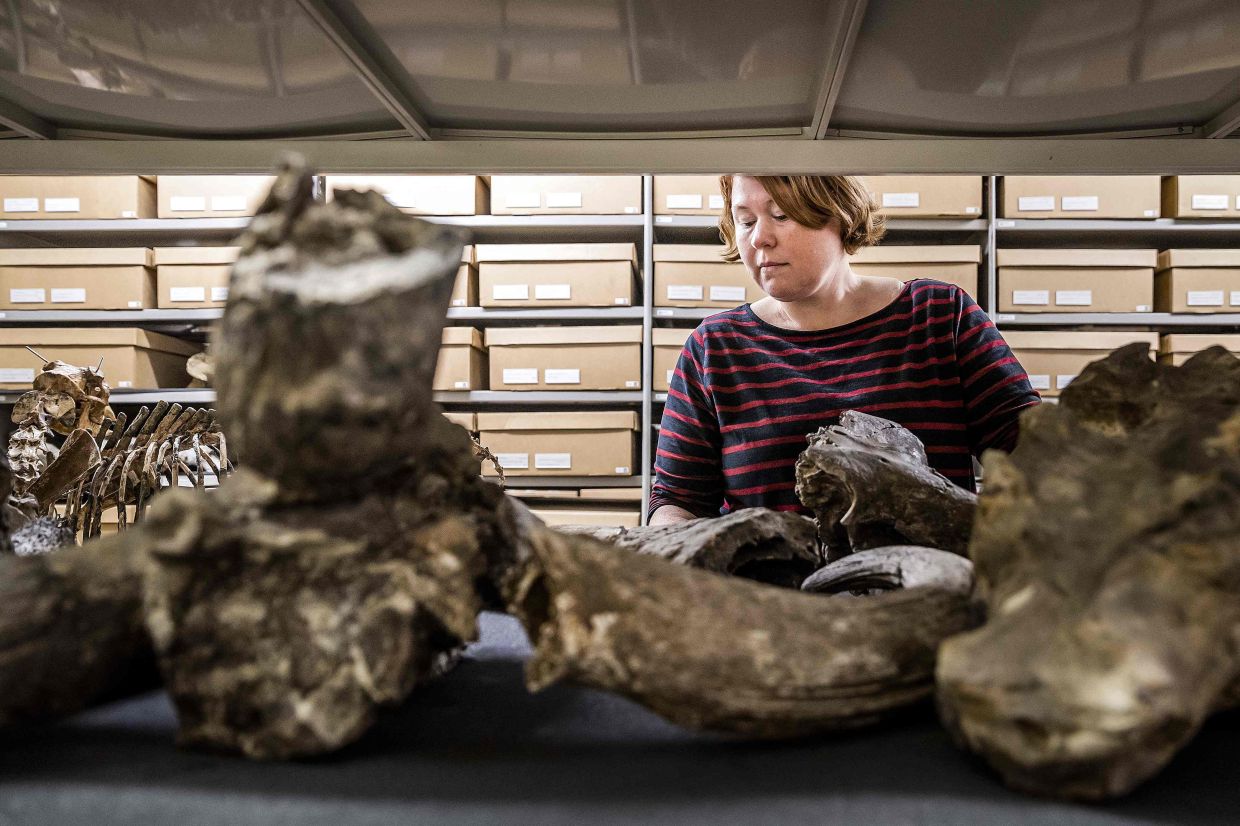

Indonesia has asked the Netherlands to return eight pieces of art and natural science collections, including the Dubois collection. Photo: AFP
A skull cap of a Javanese, which is part of the Dubois collection, is seen at the Naturalis museum. Photo: AFP
A fossil stored in the collection tower, which is part of the Dubois collection, at the Naturalis museum. Photo: AFP