It doesn’t take much to make children happy: A cup of crushed ice, sugar and food colouring is often enough, especially on hot days.
However, some slush ice drinks contain an additive that is not without risks, particularly for children: glycerine, which sometimes appears in ingredients lists as E422.
“It’s added to some slush ice drinks to make them smoother,” says nutritional health specialist Katharina Holthausen. It has a slightly sweet taste and is also used in medicine to reduce a condition in the skull called elevated intracranial pressure.
However, large amounts of glycerine can cause headaches, nausea and dizziness, she says. Such unwanted effects are particularly likely in children, as they have a lower body weight.
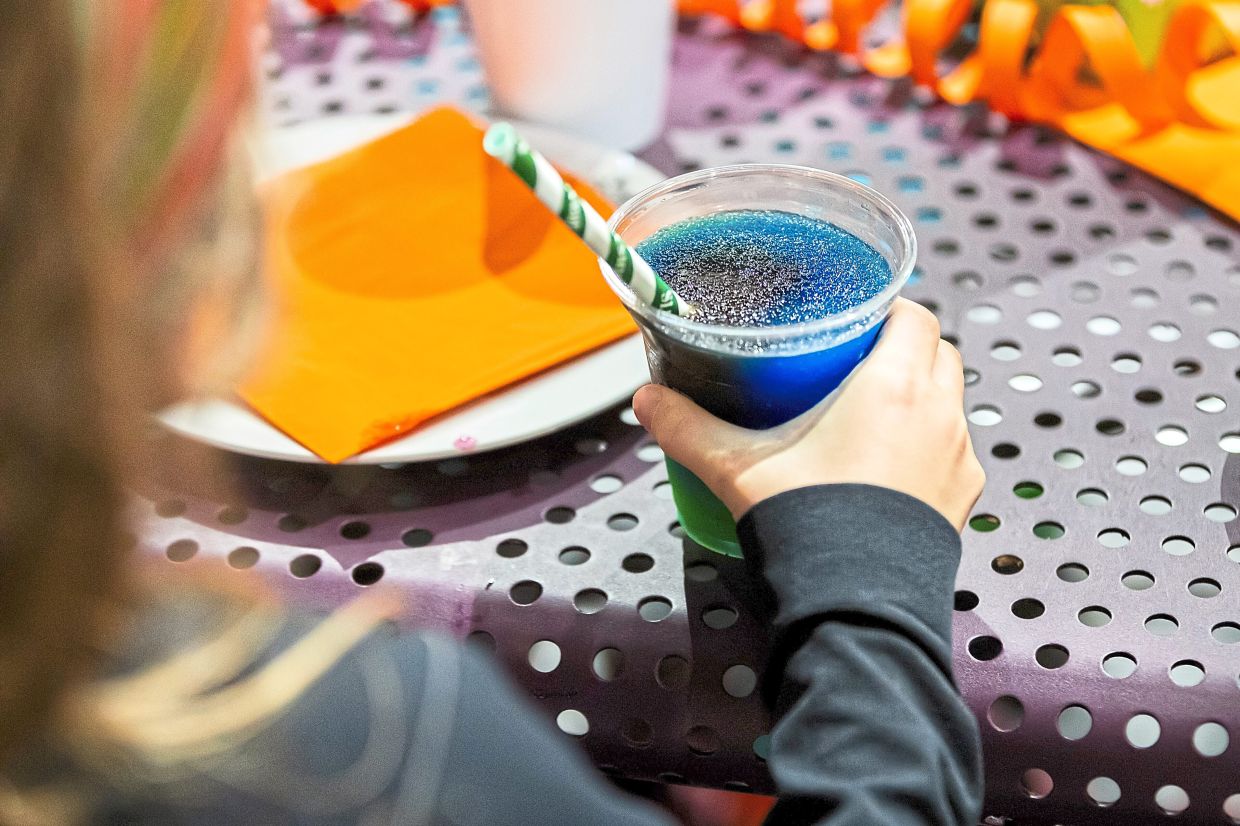
Health experts believe the likelihood of health impairments from drinking a slushy depends on the concentration of glycerine in the drink and the amount consumed. There is no legally defined maximum limit for glycerine in beverages, however.
Germany’s Institute for Risk Assessment (BfR) authority has measured levels of glycerine in slushy drinks and calculated, based on products available in Europe, that a child aged five years and weighing 20 kilograms would need just under 200 millilitres of slushy to reach a glycerine dose with a “therapeutic effect”.
When it comes to slushies, parents are advised to allow children to try some “only occasionally and in small amounts,” says Holthausen. She also advises parents to ask when buying the drink whether it contains glycerine.
Parents who want to be completely safe can offer their children a homemade version. All that is needed is crushed ice and fruit juice or pureed fruit. – dpa