The Star celebrates its 55th anniversary next month on Sept 9.
Over the years, we have provided steadfast daily coverage from national breaking news to local municipal updates, and from fashion highlights to environmental actions.
On the ESG front, the development and progress, as well as the challenges and roadblocks, are duly documented in the pages of this English daily.
For this issue of StarESG, we recount 55 moments that shaped the country’s ESG agenda.
This compilation makes one thing clear: amid hurdles, our country has come a long way in advancing environmental sustainability, social protection and corporate governance.
There are, of course, many more milestones that could not be accommodated within these pages. As Malaysia and the world races towards net zero, may these inspire us to look ahead with anticipation for more defining moments to come.
The journey continues.
Environment & Wildlife
1. Third Malaysia Plan, 1976–1980
The Third Malaysia Plan contained a dedicated chapter specifically on the environment.
It pledged that the government would give full attention to environmental improvement and protection in the planning and implementation of programmes, emphasising that the objectives of development and environmental conservation has to be kept in balance, so the benefits of development are not negated by the costs of environmental damage.
2. DoE
The Department of Environment (DoE) was established as the Environment Division under the Local Government and Environment Ministry in April 1975, and then transferred to the Science, Technology and Environment Ministry the following year.
As a response to the increasing importance of environmental conservation and preservation, it was later upgraded to a full-fledged department in 1983 and placed under the Natural Resources and Environment Ministry in 2004.
Its main function is to prevent, eliminate and control pollution, while improving the environment.
3. Forest preservation
During the Rio Earth Summit in 1992, Malaysia pledged to maintain at least 50% of the country’s land mass under forest and tree cover.
In November 2025, then Plantations and Commodities Minister Datuk Seri Johari Abdul Ghani said the figure stood at 54%.
4. Hottest day
Chuping, Perlis, experienced a temperature of 40.1°C on April 9, 1998, the highest ever recorded in Malaysia.
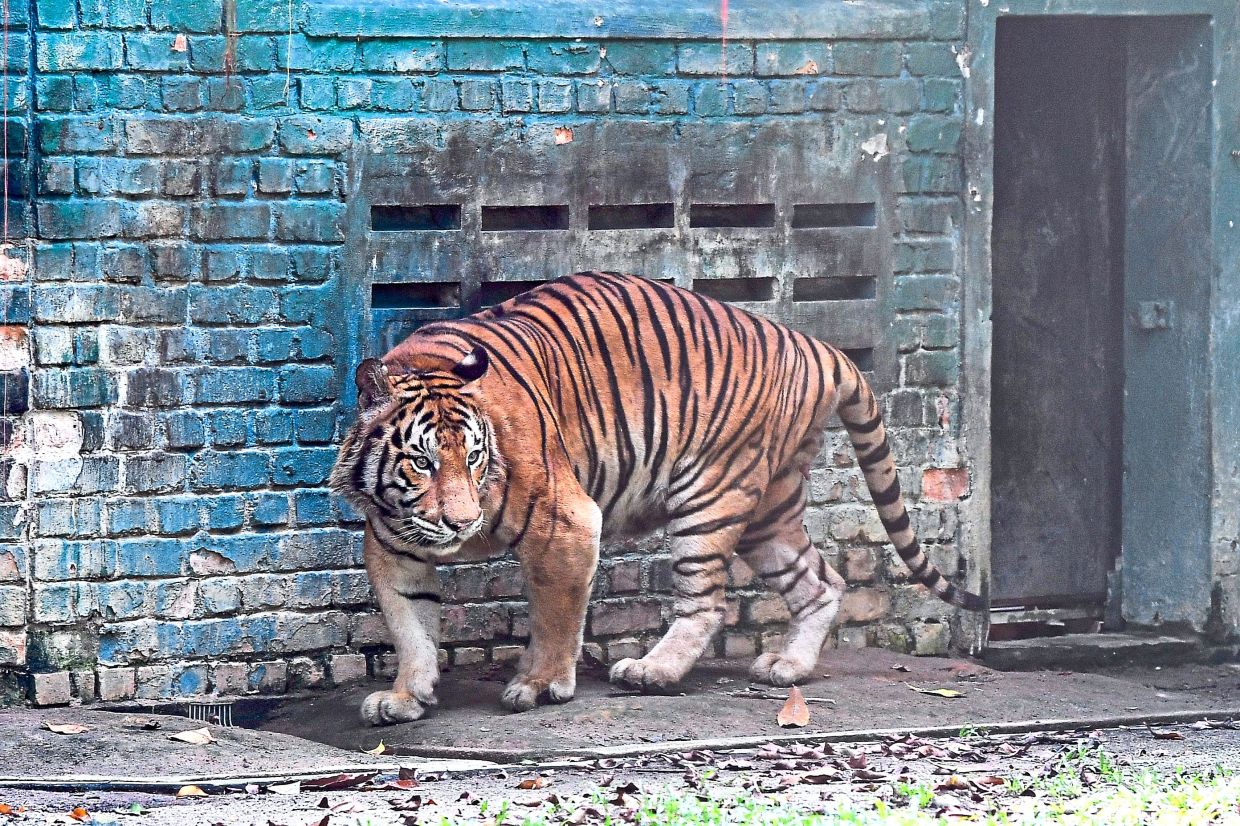
5. Malayan tigers
Fewer than 150 Malayan tigers were estimated to remain in the wild based on a survey conducted between 2016 and 2020.
The Malayan tiger, an important national symbol of Malaysia, is a Totally Protected wildlife under the Wildlife Conservation Act 2010 and is classified as Endangered under the IUCN Red List for Threatened Species.
In 2024, the Malayan Tiger Breeding in Captivity Programme was introduced to boost the animal’s population through natural breeding.
Executed through a partnership between the Wildlife and National Parks Department (Perhilitan) and local zoos, it resulted in five births, with three cubs surviving.
6. Sumatran rhino extinct in Malaysia
Sabah’s last Sumatran rhino, a cancer-ridden female named Iman, died on Nov 23, 2019, at 5.35pm.
Earlier in May, the last surviving male Sumatran rhino, Tam, died.
Haze
7. Transboundary haze
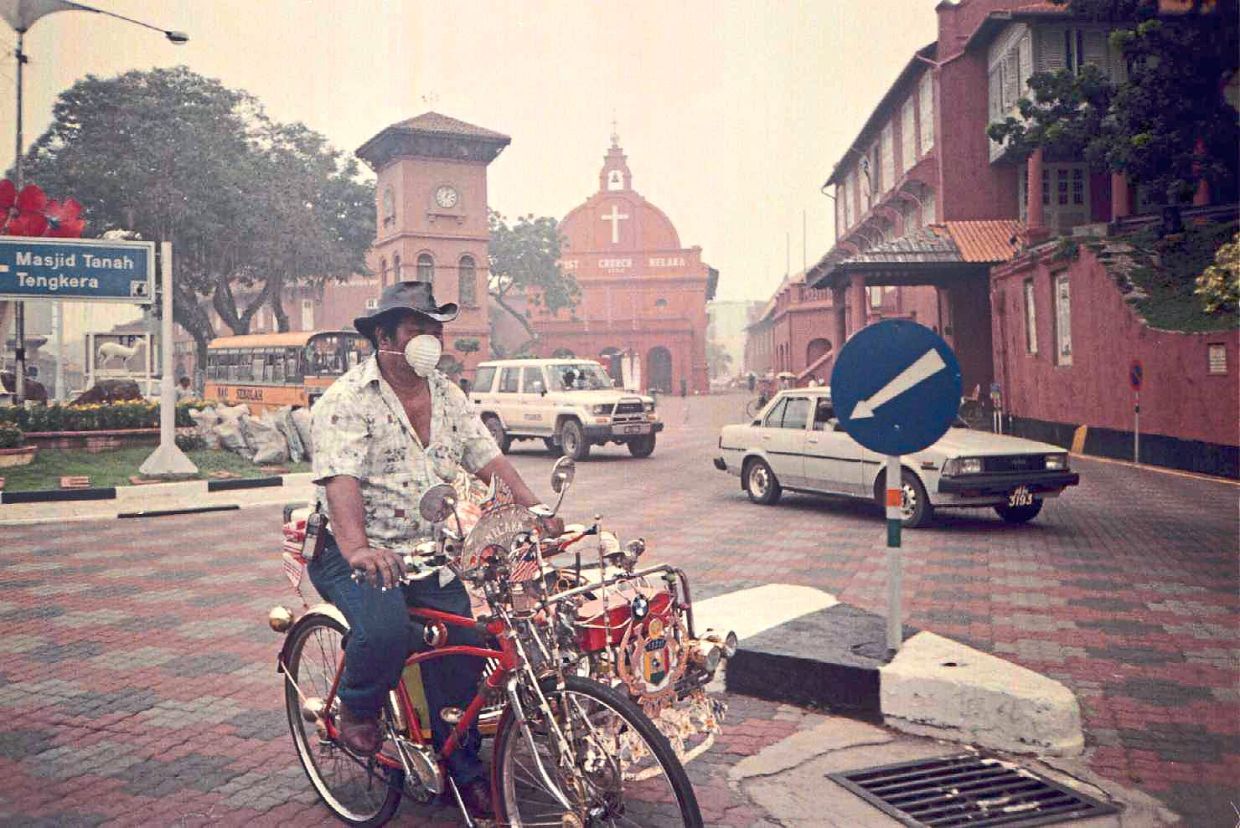
South-East Asia experienced major episodes of fire and transboundary haze pollution during the 1980s and 1990s, with one of the most damaging haze pollution in recorded history happening between 1997 and 1998.
According to the Asean Secretariat’s website, the pollution, which affected Brunei Darussalam, Indonesia, Malaysia, Philippines, Singapore and Thailand, was estimated to cost the region more than US$9bil (RM36.7bil) in economic, social and environmental losses.
It also released an estimated one to two billion tonnes of carbon emissions.
8. AATHP
The Asean Agreement on Transboundary Haze Pollution (AATHP) was adopted on June 10, 2002, and unanimously ratified by all Asean member states on Jan 20, 2015.
It was established to prevent and monitor transboundary haze pollution caused by land and/or forest fires.
In 2016, the agreement adopted the Roadmap on Asean Cooperation towards Transboundary Haze Pollution Control with Means of Implementation.
In July this year, Malaysia proposed the implementation of a science diplomacy and sustainable haze fund to strengthen efforts under the AATHP at the ministerial steering committee meeting on transboundary haze pollution in Bali.
SDG
9. 2030 Agenda for Sustainable Development
In 2015, Malaysia adopted the 2030 Agenda for Sustainable Development, a global commitment towards sustainable, resilient and inclusive development, with 17 Sustainable Development Goals (SDGs) and 169 targets.
Prime Minister Datuk Seri Anwar Ibrahim said in November last year that Malaysia has recorded encouraging progress in the implementation of the SDGs, with a projected achievement rate of 49% by 2030, far surpassing the global average of 18%.
Energy
10. NETR
The National Energy Transition Roadmap (NETR) is a long-term strategy for transforming the nation’s energy system, steering a shift from traditional fossil fuel-based economy to a high-value green economy.
Flagship catalyst projects cover six energy transition levers, namely energy efficiency, renewable energy (RE), hydrogen, bioenergy, green mobility, as well as carbon capture, utilisation and storage.
The roadmap also established the pathway for national energy mix, greenhouse gas (GHG) emission reduction and energy transition initiatives.
In line with the NETR, the government has increased the target for installed RE capacity from 40% in 2040 to 70% by 2050.
11. NEEAP 2.0 (2026-2035)
The National Energy Efficiency Policy and Action Plan (NEEAP 2.0) is a 10-year roadmap targeting a 12% reduction in energy demand against the business-as-usual scenario by 2035. While NEEAP 1.0 was largely voluntary, non-compliance with certain Energy Efficiency and Conservation Act 2024 requirements under NEEAP 2.0 can carry fines of up to RM50,000.
It aims to deliver RM85bil in utility savings and reduce national energy demand by 11.6%.
12. Feed-in Tariff
Malaysia’s Feed-in Tariff (FiT) mechanism was introduced under the Renewable Energy Act 2011 and came into operation on Dec 1, 2011.
It allowed eligible renewable energy producers to sell electricity to distribution licensees at specified FiT rates.
FiT covered several renewable technologies, including solar, biogas, biomass and small hydropower.
In October 2024, Sustainable Energy Development Authority (SEDA) Malaysia introduced improvements to the existing FiT application process with the launch of FiT 2.0.
13. Solar schemes
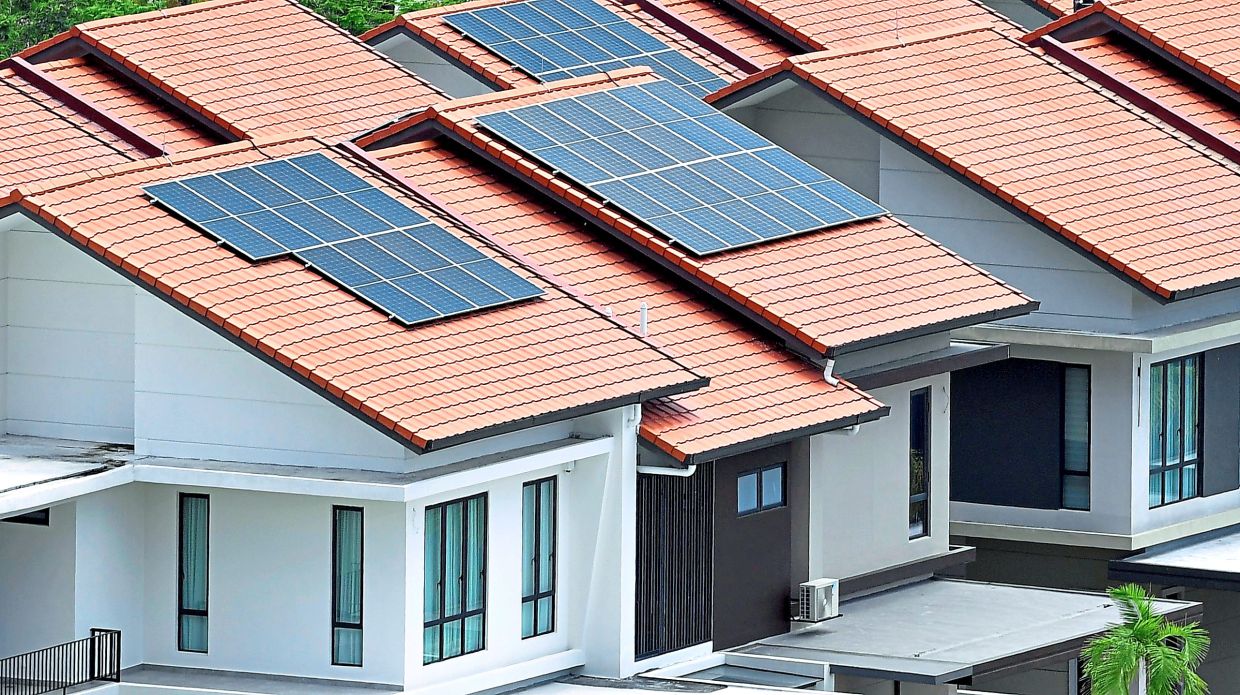
The government introduced the Net Energy Metering (NEM) scheme in November 2016 with a quota allocation of 500MW up to the year 2020 to encourage Malaysia’s RE uptake.
The concept of NEM is that the energy produced from the solar photovoltaic (PV) installation will be consumed first, and any excess will be exported to Tenaga Nasional Bhd (TNB) at the prevailing displaced cost.
NEM 2.0 and NEM 3.0 were subsequently introduced to provide more opportunities to electricity consumers to install solar PV systems on the roofs of their premises and save on electricity bills.
The Solar Accelerated Transition Action Programme (ATAP) was introduced this year as a continuation of NEM.
It allows the installation capability limit for the solar PV systems at 100% of the consumer maximum demand or 1MW, enabling consumers to optimise their solar system installations.
14. LSS programme
In March 2016, Malaysia introduced Large Scale Solar (LSS), an open competitive bidding initiative administered by the Energy Commission, which invites eligible bidders to develop, construct and operate large-scale solar PV power plants in Peninsular Malaysia.
According to SEDA, the programme aims to drive down the Levelised Cost of Energy for the development of large scale solar PV plants.
As of August 2025, six rounds of energy bidding have been conducted. A total of 117 companies have won bids, with a combined total capacity of 6,028MW.
The sixth phase of the LSS programme, launched in July this year, offers 2,500MW of solar capacity together with 1,250MW of battery energy storage system (BESS), as well as 150MW of solar capacity dedicated to Bumiputera companies.
15. First BESS connected to national grid
TNB’s Satong BESS project, with a capacity of 100MW/400MWh, is the first BESS system in the country to be connected to the national grid.
Launched in May this year, the site functions as a smart energy bank that stores electricity from renewable sources, such as large-scale solar farms and hybrid hydro-floating solar systems, before being fed back into the grid when needed.
Climate Change
16. UNFCCC
With the ratification of the United Nations Framework Convention on Climate Change (UNFCCC) on July 13, 1994, climate change became part of Malaysia’s formal environmental commitments.
The objective of the UNFCCC is to stabilise the GHG concentrations at a level that would prevent dangerous anthropogenic interference with the climate system.
The six main GHGs controlled under the UNFCCC are carbon dioxide, methane, nitrous oxide, hydrofluorocarbons, perfluorocarbons and sulphur hexafluoride.
In Malaysia, a major source of GHG emissions is from burning of fossil fuel in the energy sector.
17. Kyoto Protocol
The Kyoto Protocol operationalises UNFCCC by committing industrialised countries and economies in transition to limit and reduce GHG emissions in accordance with agreed individual targets.
It was formulated in 1997 and came into force on Feb 16, 2005. Malaysia ratified the Kyoto Protocol on Sep 4, 2002.
18. Paris Agreement
The Paris Agreement is a legally binding international treaty on climate change.
Adopted by the United Nations Climate Change Conference (COP21) in Paris in December 2015, it entered into force in November 2016.
Its overarching goal is to hold the increase in the global average temperature to well below 2°C above pre-industrial levels and pursue efforts to limit the temperature increase to 1.5°C above pre-industrial levels.
In recent years, world leaders have stressed the need to limit global warming to 1.5°C by the end of this century. Malaysia signed the Paris Agreement on April 22, 2016, at the United Nations.
19. Climate Change Bill
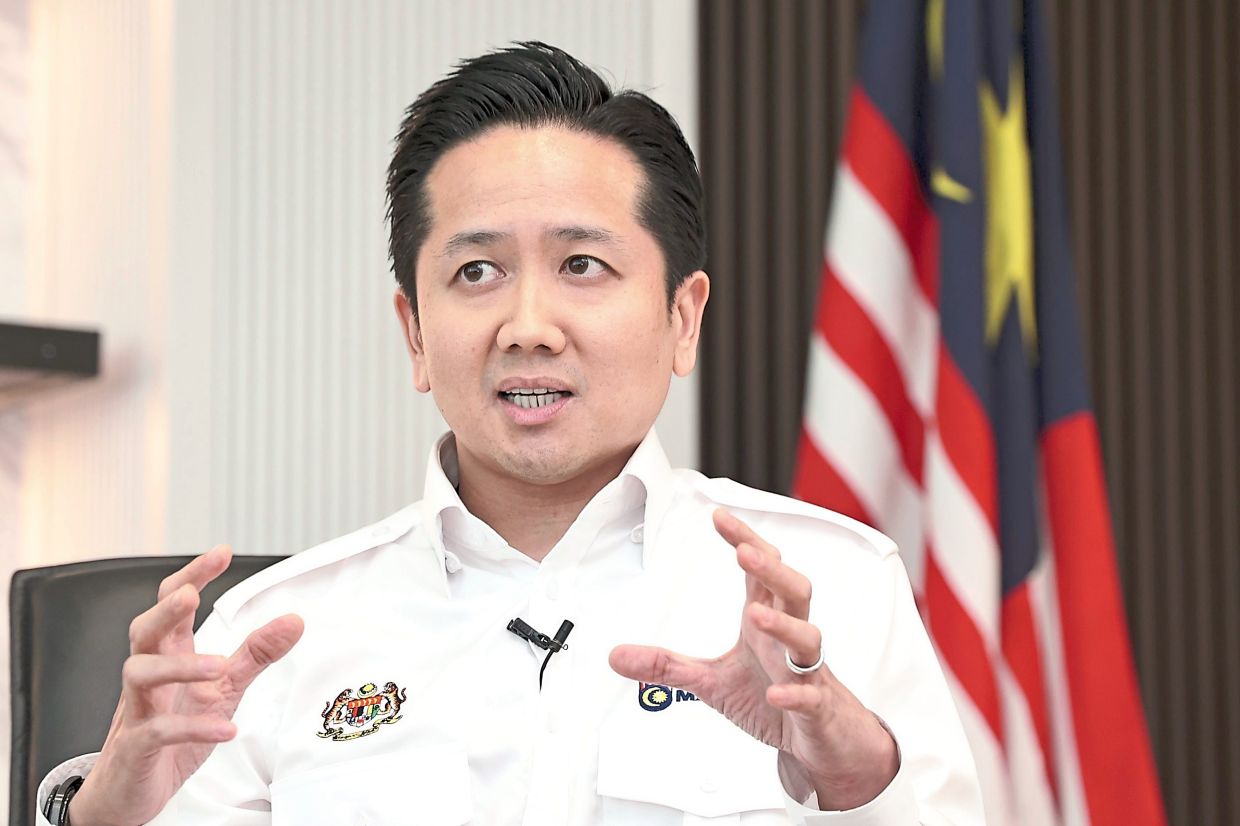
The Natural Resources and Environmental Sustainability (NRES) Ministry is planning to table the National Climate Change Bill in Parliament this year.
Minister Datuk Seri Arthur Joseph Kurup said that the implementation of the Bill will position Malaysia as the second country in the Asean region to enact such a law. The Bill will introduce a monitoring, reporting and verification system to underpin carbon pricing and Malaysia’s shift to a low-carbon economy.
It will also allow a phased, structured rollout of carbon pricing ahead of tools like carbon taxes and carbon markets.
20. Carbon tax
In 2025, the government said it would be introducing the carbon tax in the following year, starting with the iron, steel and energy sectors.
It was later announced that the carbon tax had been delayed pending review against geopolitical and economic uncertainties.
Carbon Emissions
21. Net zero
In 2021, then Prime Minister Ismail Sabri Yaakob announced Malaysia’s goal of reaching net zero as early as 2050 when tabling the Twelfth Malaysia Plan. Carbon neutrality means that any carbon dioxide released into the atmosphere is balanced by an equivalent amount being removed from it.
22. CCUS
The Carbon Capture, Utilisation and Storage (CCUS) Act 2025 was gazetted on Aug 1, 2025, and came into force on Oct 1, 2025.
By capturing CO2 emissions before they enter the atmosphere, CCUS helps mitigate climate change by reducing the amount of CO2 released.
PETRONAS CCS Ventures Sdn Bhd was granted an offshore assessment permit for CCUS for the Duyong area by the MyCCUS Agency, the first permit issued under the CCUS Act.
23. GHG reduction
At the United Nations Climate Change Conference 2009 (COP15), Malaysia announced a voluntary national reduction indicator of up to 40% in terms of GDP emission intensity by 2020 compared with 2005 levels.
In its Nationally Determined Contribution (NDC) to the UNFCC, Malaysia pledged to reduce its economy-wide carbon intensity against GDP by 45% in 2030, compared to 2005 levels.
In October 2025, Malaysia upgraded its climate commitment, moving from a carbon-intensity target to an absolute emissions reduction target under its NDC 3.0.
The country pledged to cut GHG of 15 to 30 million tonnes of carbon dioxide by 2035.
NRES Ministry said the plan comprises an unconditional reduction of up to 20 million tonnes of carbon dioxide equivalent, with an additional conditional reduction of 10 million tonnes of carbon dioxide equivalent, subject to the availability of climate finance, technology transfer and capacity-building support from international sources.
Based on current projections, Malaysia is expected to reach its peak GHG emissions level between the years 2029 and 2034.
Carbon Markets
24. BCX launched
In December 2022, Bursa Malaysia launched the Bursa Carbon Exchange (BCX), which is also the world’s first Shariah-compliant carbon exchange.
Its objective is to enable companies to trade voluntary carbon credits from climate-friendly projects and solutions with the aim to offset their emissions and meet climate goals.
25. First Malaysian nature-based carbon credit auction
In 2024, the Kuamut Rainforest Conservation Project became the first domestic nature-based carbon credits offered through BCX.
Located in the Tongod and Kinabatangan districts in Sabah, the Kuamut Project protects and restores 83,381ha of tropical forest.
Besides emission reduction, the project also delivers climate, community and biodiversity co-benefits.
Green Mobility
26. LRT
Malaysia’s first Light Rail Transit (LRT) line, dubbed the STAR LRT, began operations in 1996.
Spanning 12.4km, the first phase of the line connected a total of 14 stations from Ampang to Sultan Ismail.
Phase two opened in 1998, adding extensions to Sri Petaling and Sentul Timur.
Today, RapidKL operates Kelana Jaya Line (46.4km), Ampang/Sri Petaling Line (45.1km) and Shah Alam Line (37.8km).
27. Monorail
The Kuala Lumpur Monorail officially opened in August 2003.
The 8.6km elevated straddle-beam transit system, which spans 11 stations, links KL Sentral to Titiwangsa.

28. MRT
Mass Rapid Transit (MRT) further expanded the Klang Valley Integrated transit system.
The first line implemented was the 46km MRT Kajang Line. Running from Kwasa Damansara to Kajang through the city centre of Kuala Lumpur, the entire line was operational on July 17, 2017.
Phase one of the 57.7km Putrajaya Line opened in June 2022, followed by phase two in March 2023.
The MRT3 Circle Line, a 51km orbital alignment that will serve the perimeter of Kuala Lumpur, was approved in July last year.
29. Environmental impact
Prasana Malaysia Bhd’s rail services carry more than 1 million passengers daily as of December last year, across 205km of track and 149 stations.
Its bus services recorded about 278,000 weekday passenger journeys across 406 routes.
In all, its network helped remove an estimated 377,000 private vehicles from roads each day and avoid about 225,000 tonnes of carbon emissions last year.
30. Electric buses
In June 2015, the BRT Sunway Line, which uses 15 electric buses on a dedicated elevated track, began operations.
Prasarana said in May that it is setting its sights on a fully electric bus fleet by 2037.
Over in Kuala Lumpur, the city hall runs GOKL City Bus, a fleet of 84 electric buses plying 15 routes. The service is free for all Malaysian IC holders.
31. Hydrogen-powered buses
Kuching became the first city in South-East Asia to operate a hydrogen-fuelled bus service in January 2020, with Sarawak Chief Minister Tan Sri Abang Johari Openg describing it as “reliable, affordable, safe and eco-friendly”.
In Selangor, state exco Ng Sze Han said in May this year that the state planned to roll out hydrogen-powered buses by the end of the year.
Worldwide Holdings Bhd, a wholly subsidiary of the Selangor State Development Corporation (PKNS), is constructing a hydrogen electrolyser in Batang Kali to produce hydrogen fuel.
32. First Malaysian EV
Proton e.MAS 7, the first Malaysian electric vehicle (EV), was launched in December 2024.
In September 2025, Malaysia’s first assembly plant exclusive for EV production at Proton Tanjung Malim began full-scale assembly activities.
Plastic & Waste
33. No plastic bags
Penang became the first Malaysian state to implement a “no free plastic bag day” at supermarkets and hypermarkets, effective July 2009, with Selangor following suit in 2010.
Over the years, the policy was expanded to more days and many businesses now stop offering single-use plastic bags.
Beginning 2025, the use of single-use plastic bags in forest reserves, national and state parks, marineparks, Geoheritage sites, Geosites and certain business premises nationwide is prohibited.
34. EPR
Extended Producer Responsibility (EPR) is a policy that makes producers responsible for their products along the entire lifecycle, from improvement of product design to disposal of post-consumer products.
According to Bernama, the Housing and Local Government Ministry said the first phase of the EPR policy for the manufacturing sector will start on a voluntary basis in 2026, and become mandatory by 2030.
Under the EPR scheme, food and beverage entities and household product companies would be required to document recovery and recycle of their packaging, or pay a Producer Responsibility Organisation to remove, intercept and take away the recyclables.
The early phase of the EPR will focus on six types of packaging materials – plastic, paper, aluminium, glass, metal alloy with iron and carbons – before expanding to other materials like mixed packaging, textiles and new emerging waste.
35. First WtE plant
Housing and Local Government Development Minister Nga Kor Ming said Malaysia plans to install a waste-to-energy (WtE) plant in every state.
He said a total of 18 WtE projects have been approved for development by 2040, adding that these initiatives would ease the burden on landfills and boost renewable energy generation.
Palm Oil
36. MSPO
Malaysia’s certification scheme for sustainable palm oil, known as the Malaysian Sustainable Palm Oil (MSPO), was first launched in 2015 to provide general principles for the production of sustainable palm oil that covers the three Ps – people, planet, profit – in Malaysia.
Its seven principles covered key sustainability issues, including environment, natural resources, biodiversity and ecosystem services; best practices; transparency; and management commitment and responsibility.
Originally implemented on a voluntary basis, it was made mandatory across the palm oil industry beginning 2020.
The updated MSPO 2.0 was introduced in January 2025, strengthening requirements relating to sustainability, traceability and ethical practices.
In July 2025, the mandatory MSPO requirement was expanded to fresh fruit bunch dealers, with a six-month grace period.
37. EU recognises MSPO
The European Union has officially recognised the MSPO certification as a credible sustainability standard.
It noted that the certification has a high-standard digital traceability system that can facilitate operators’ compliance with the EU Deforestation Regulation.
MSPO said the scheme, with a strict cut-off date of Dec 31, 2019, prohibiting deforestation for certification, gives buyers and regulators confidence that certified palm oil is legally sourced and deforestation-free.
Social
38. Minimum wage
The National Wages Consultative Act 2011 stipulates that the minimum wage order must be reviewed at least once every two years.
Effective July 2013, minimum wage was set at RM900 for Peninsular Malaysia and RM800 for Sabah, Sarawak and Labuan.
This was adjusted to RM1,000 and RM920 in 2016 and then streamlined to RM1,100 nationwide from January 2019.
Fast forward to August 2025, a minimum wage of RM1,700 (up from RM1,500 in 2022) was enforced.
39. 30% women on board
The Malaysian Code of Corporate Governance 2021 by the Securities Commission (SC) recommended that all boards should comprise at least 30% women directors.
In 2011, 56% of public-listed companies (PLCs) had all-male boards, with women only holding 7% of board positions, according to SC chairman Datuk Mohammad Faiz Azmi.
The percentage of women on boards for all PLCs stood at 29.3% as of January this year.
Sustainability Reporting
40. Bursa Malaysia CSR Framework
The Bursa Malaysia Corporate Social Responsibility (CSR) Framework was launched in 2006 for listed issuers to promo better CSR disclosure in their annual reports.
It was a set of voluntary, flexible guidelines that outline key focal areas and CSR initiatives covering the environment, community, workplace and marketplace.
Mandatory CSR reporting for public listed companies took effect in 2007.
41. Sustainability Reporting Framework
Launched in 2015, the Exchange’s Sustainability Reporting Framework required listed issues to provide a narrative statement on the management of material economic, environmental and social risks and opportunities in their annual reports.
The mandatory reporting requirements were implemented progressively.
42. Enhanced reporting requirements
As the sustainability ecosystem evolved against the increasing apparent effects of climate change, Bursa Malaysia announced the enhanced sustainability reporting requirements in September 2022 with the aim to elevate the sustainability practices and disclosures of listed issuers.
Main Market listed issues were required to include the common sustainability matters, climate change-related disclosures aligned with Task Force on Climate related Financial Disclosures, at least three financial years’ data for each reported indicator and a statement of assurance.
ACE Market listed corporations were required to disclose a basic plan to transition towards a low carbon economy.
43. NSRF
Malaysia launched the National Sustainability Reporting Framework (NSRF) in September 2024 to align sustainability reporting with the International Sustainability Standards Board’s IFRS S1 and IFRS S2 standards.
The sustainability and climate-related financial disclosures address the information needs of investors and financiers in making capital allocation decisions.
Sustainable Finance
44. SRI Sukuk framework
SC launched the Sustainable and Responsible Investment (SRI) Sukuk framework in August 2014 to facilitate the financing of sustainable and responsible investment initiatives.
The launch was in line with the initiative set out under the SC’s Capital Market Masterplan 2 to promote socially responsible financing and investment.
An extension of the existing sukuk framework, the SRI Sukuk framework covers additional areas for the issuance of SRI sukuk, such as utilisation of proceeds, eligible SRI projects, disclosure requirement, appointment of independent party and reporting requirement.
45. First green sukuk
In July 2017, SC announced the issuance of Malaysia’s first green sukuk – an innovative channel to address global funding gaps in green financing – under its SRI Sukuk framework.
As of July 2024, 262 out of a total of 291 green sukuk issued globally were from Malaysia.
46. F4GBM Index
Bursa Malaysia announced the launch of the FTSE4Good Bursa Malaysia (F4GBM) Index in December 2014.
Developed in collaboration with FTSE as part of the globally benchmarked FTSE4Good Index Series, it is used to measure the performance of companies demonstrating strong ESG practices.
Constituents of the index must meet internationally benchmarked criteria that measure efforts in environmental conservation, the impact of social responsibility initiatives on the community and the practice of good governance through responsible and ethical decision making.
47. Climate Change and Principle-based Taxonomy
In April 2021, Bank Negara published Malaysia’s national climate-focused sustainability taxonomy for the financial sector, the Climate Change and Principle-based Taxonomy.
It introduced a principle-based taxonomy for financial institutions to assess and categorise economic activities according to the extent to which the activities meet climate objectives and promote the transition to a low-carbon economy.
It set out five guiding principles, namely climate change mitigation, climate change adaptation, no significant harm to the environment, remedial measures to transition and prohibited activities.
48. SRI Taxonomy
In December 2022, SC unveiled the Principles-Based Sustainable and Responsible Investment Taxonomy for the Malaysian Capital Market to help advance the nation’s climate and sustainability agenda.
It provided universal guiding principles for the classification of economic activities that qualify for sustainable investment.
The taxonomy aimed to give clarity towards enabling proper and consistent identification and classification of various types of economic activities as well as the definition of sustainable investments.
It also sought to address concerns on the need to mitigate and manage the risks of greenwashing.
49. SRI-qualified ETF
In November 2025. Bursa Malaysia and AmInvest launched Malaysia’s first SRI-qualified ETF, the FTSE4Good Bursa Malaysia ETF, designed to track the performance of the FTSE4Good Bursa Malaysia Index.
The Index constituents are selected from the FTSE Bursa Malaysia EMAS Index, screened based on transparent and well-defined ESG methodology and liquidity criteria, developed by FTSE Russell, in collaboration with Bursa Malaysia.
50. Malaysia Taxonomy for Sustainable Finance
In March this year, Bank Negara and SC are collaborating to develop the Malaysia Taxonomy for Sustainable Finance.
In a call for feedback, they said Malaysia’s sustainable finance landscape has progressed steadily since 2021, and as market participants advance in their climate journey, there is a growing demand for more detailed, science-based screening criteria.
They announced this month that the country will fully adopt the Asean Taxonomy for Sustainable Finance as the basis for the Malaysia Taxonomy.
The Joint Committee on Climate Change will develop practical guidance and tools tailored for local implementation, and a pilot with selected members will ensue prior to full adoption for reporting in 2028.
Corporate Governance
51. MCCG strengthened
A new Malaysian Code on Corporate Governance (MCCG), which was introduced in 2000, was released in 2017 to promote greater internalisation of corporate governance culture.
A key feature of the new code was the shift from “comply or explain” to “apply or explain an alternative”, encouraging listed companies to put more thought and consideration when adopting and reporting on their corporate governance practices.
It also introduced the “Step Up” practices, which included the establishment of a risk management committee and requiring the audit committee to comprise only of independent directors.
52. Anti-corruption
The Malaysian Anti-Corruption Commission (MACC) Act came to effect on Jan 1, 2009, leading to the official establishment of the MACC as an independent, transparent and professional body to manage the nation’s anti-corruption efforts.
On June 1, 2020, the implementation of the corporate liability provision under Section 17A of the MACC Act took effect.
This provision holds a company accountable if its employee or associate commits corruption for the benefit of the organisation. It encourages commercial organisations to take appropriate and parallel steps to ensure businesses are conducted with integrity and without corruption, MACC said.
Youth
53. Worries over climate change
In the National Youth Climate Change Survey 2025 conducted by the United Nations Children’s Fund (Unicef) Malaysia, 94.3% of the 1,420 respondents reported that climate change worries them.
Their most prominent fear was a deep sense of uncertainty about the future, followed by fear of losing biodiversity and natural landscapes, concerns about wellbeing of family and community, worries about the possibility of lacking clean water or food in the future, and unease linked to the pressure to take action.
54. Langkawi Declaration
The Langkawi Declaration, or the Asean Children and Youth Statement on Climate Action, was presented to the environment ministers during the 18th Asean Ministerial Meeting on the Environment in September 2025.
It calls for concrete actions in seven key areas, namely meaningful youth participation in policymaking, climate justice, integrated climate education, accelerating energy transition, climate-resilient social services, sustainable agriculture rooted in indigenous knowledge and strengthened climate financing.
Media’s Role
55. SMG walks the talk
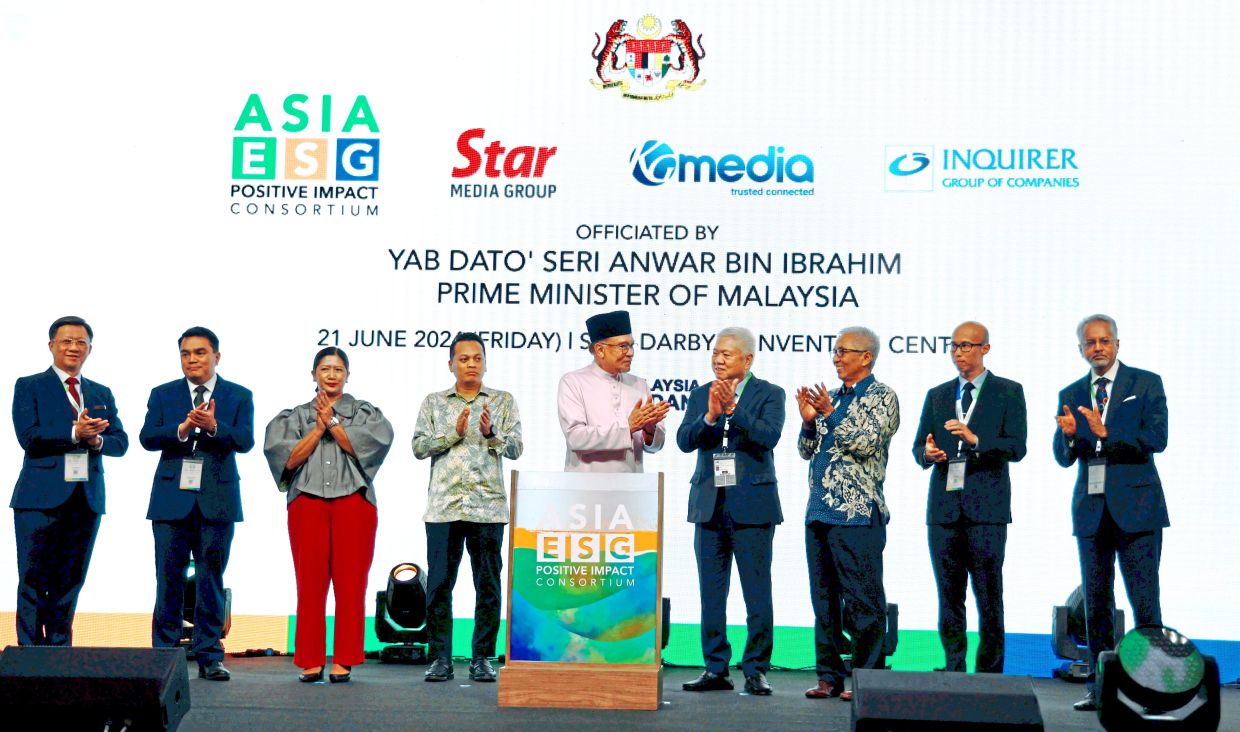
In addition to reporting on ESG, Star Media Group (SMG) actively drives conversations by hosting the Star ESG Summit and recognises exemplary ESG practices through the ESG Positive Impact Awards.
As part of the Asia ESG Positive Impact Consortium alongside Indonesia’s Media Group of Kompas Gramedia and the Philippines’ Inquirer Group of Companies, SMG further stimulates regional awareness and action through the Asia ESG Forum and Asia ESG Positive Impact Awards.