
Two-day event to feature three concurrent forums.
As the world races to achieve net zero emissions by 2050, low-carbon energy has become an integral part of global efforts to mitigate the effects of climate change.
Nuclear power and hydrogen are increasingly seen as key components of the transition towards cleaner energy systems.
Their applications in modern power generation will be discussed in a panel titled “The Role of Nuclear & Hydrogen: Navigating the Next Wave of Baseload Clean Energy” at the Asia ESG Summit this July.
Experts will pool together their insights and examine how nuclear power and hydrogen could support reliable, low-carbon energy systems, and the opportunities and risks involved.
“Nuclear technology has come far from the deployed conventional light water reactors such as Chernobyl, Three Mile Island and Fukushima,” said Dr Azrudi Mustapha, managing director and inventor at Clean Energy Xpeditions Sdn Bhd, a nuclear technology design company established in September 2022.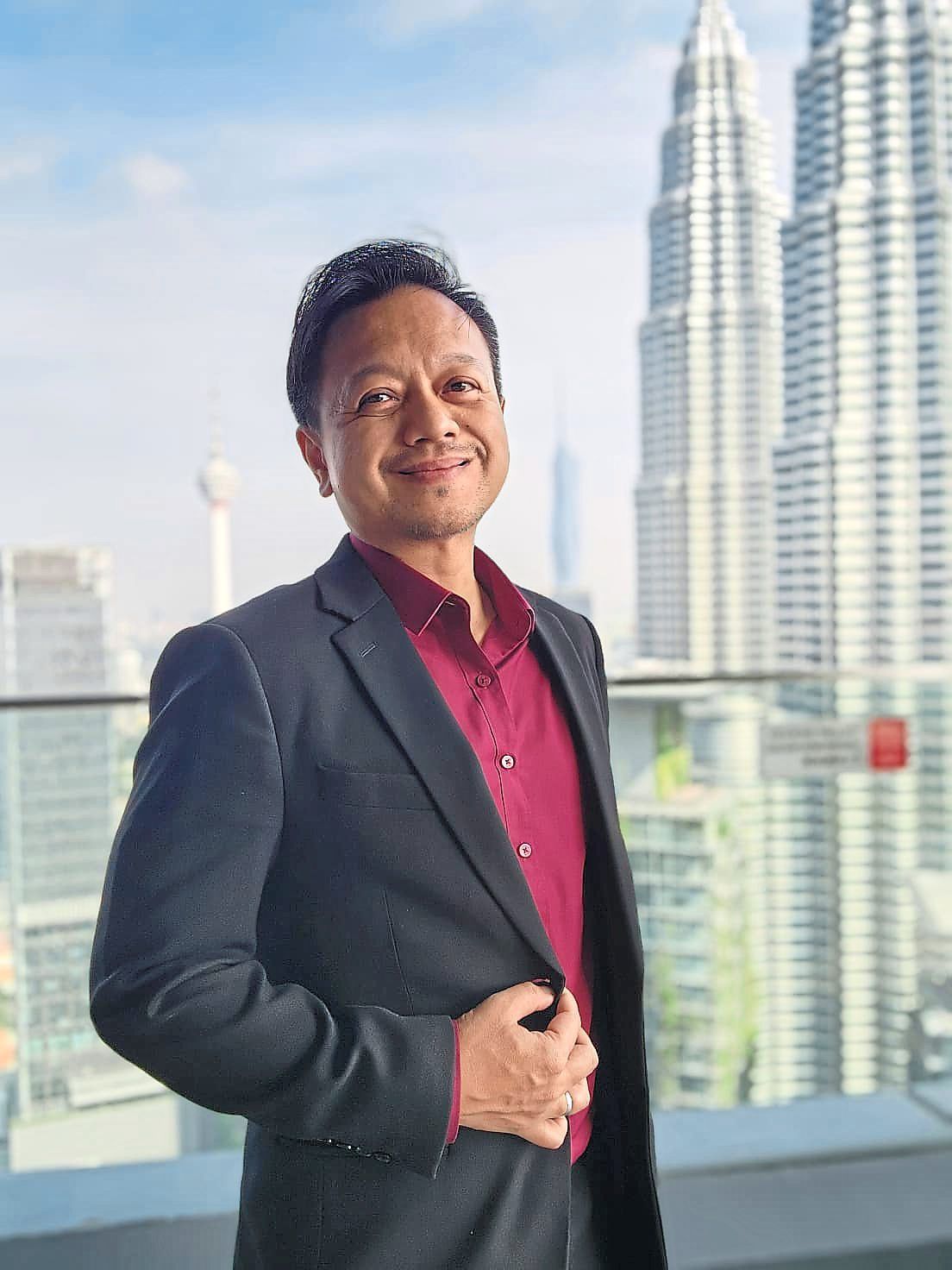
“Innovations in safety have continued to progress and are starting to be demonstrated with modern Gen III+ and Gen IV reactor designs,” he said.
Taking the conversation closer to home, Dr Azrudi said Malaysia is on track to become ready to deploy nuclear power in between five and 10 years.
Although Malaysia has taken great strides in developing local talents, financing models, site selection methods and technology assessment methods, the key requirement to progress is for the government to declare the national position on nuclear power, he said.
“This would unlock public and private spending to develop the nuclear talent pool, upskill existing industries such as construction towards certifications in the nuclear field and financing structures to support nuclear power development.
“Without a declared government position, the industries and other stakeholders would not allocate capital into developing the nuclear sector further,” he said.
Dr Azrudi stressed that public engagements need to be properly designed and executed to assure the public that their concerns are taken into consideration.
Fellow panellist, American Bureau of Shipping head of sustainability – South Pacific Michael Ma, will outline the case for nuclear power and hydrogen in shipping, an industry that carries over 80% of global trade and contributes about 3% of global greenhouse gas emissions.
Shipping faces distinct operational demands, particularly in relation to energy density and range, as vessels travel long distances without access to grid power or frequent refuelling.
“This is the sector’s defining challenge and a key reason why nuclear power, hydrogen and other alternative fuels are gaining serious attention as reliable lower-emission solutions for maritime,” he shared.
While hydrogen is regarded as one of the most practical low-emission fuel options for shipping, its adoption will require supply infrastructure to be developed in parallel with fleet uptake, Ma said.
Nuclear power, particularly through small modular reactors, offers significant advantages in energy density, reducing fuel storage requirements while producing no emissions during operation.
“However, regulatory development, port acceptance and public confidence remain critical hurdles that will require coordinated action and clear, science-based engagement,” Ma added.
Themed “Driving Action to Measurable Impact”, the Asia ESG Summit will be held on July 21 and 22 at Sunway Resort Hotel in Petaling Jaya.
The summit organised by Star Media Group will feature three concurrent forums on ESG Governance and Data Assurance, Circular Economy, and Green Climate and Energy, which have been curated for the participants to gain actionable insights from a global lineup of industry leaders and engage in high-impact discussions.
Register by May 31 to enjoy the super early bird promotion.