
CATERING to the rising demand for sustainability expertise, colleges and universities are expanding their offerings of ESG-related programmes and certifications.
Swinburne University of Technology’s School of Business head Assoc Prof Dr Fung Chorng Yuan noted that as more companies embed ESG into financial planning, supply‑chain management and corporate strategy, graduates who bring these competencies are seen as better equipped to support compliance, strengthen stakeholder trust and drive sustainable value creation.
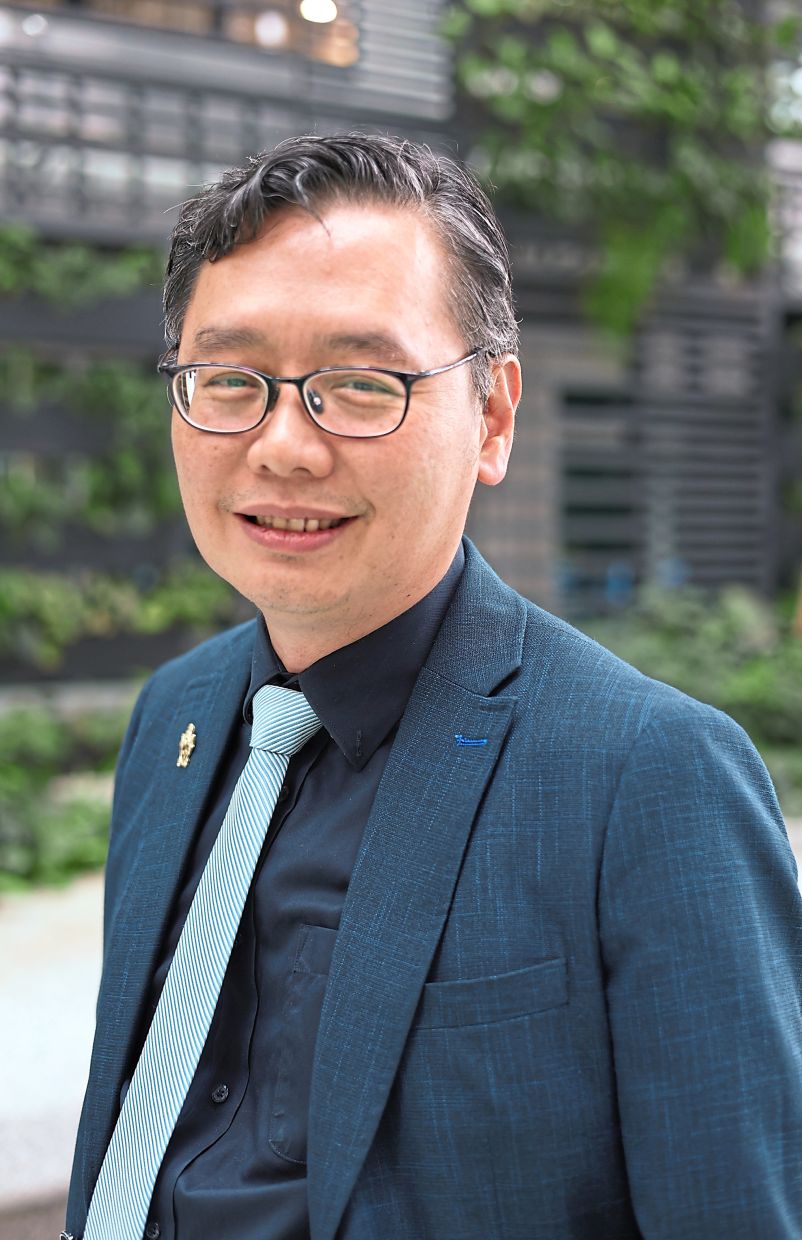
ESG directly influences a company’s reputation, access to capital and long-term resilience. It is increasingly tied to investment attractiveness, with green financing initiatives by major commercial banks signalling that capital access will favour organisations that are able to demonstrate ESG performance, he said.
“Moreover, with stricter environmental laws, accounting and finance professionals must anticipate how sustainability risks affect valuations and long‑term resilience.”
Reflecting this shift, Sunway University has observed an increase in enrolment interest in the masters and doctorate programmes in sustainable development from Malaysia and other developing countries, its pro vice-chancellor (research and sustainability) Prof Mahendhiran S. Nair said.
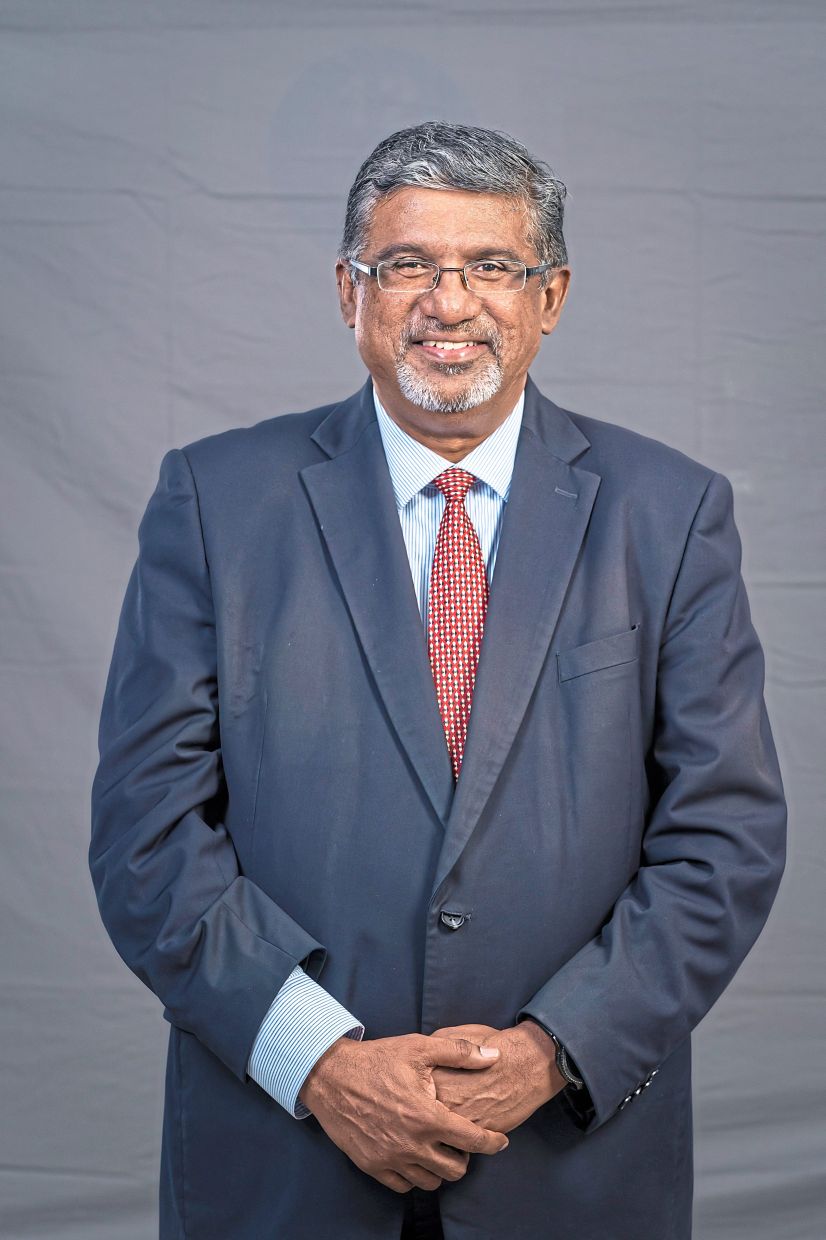
The tertiary institution hosts the Jeffrey Sachs Centre on Sustainable Development, the Sunway Centre for Planetary Health and the Sunway Institute for Global Strategy and Competitiveness, as well as the United Nations Sustainable Development Solutions Network – Asia and the SDG Academy.
“Students at Sunway are required to undertake courses related to planetary health, sustainable development, entrepreneurship and community development projects,” added Prof Mahendhiran. The community projects in an urban-poor locality in Petaling Jaya address issues related to the United Nations Sustainable Development Goals, while bridging classroom learning and real-world planetary health and sustainability challenges.
At the School of Business of Swinburne University of Technology (Sarawak campus), ESG knowledge is introduced in selected freshman units, with skills applied in the final year.
“In the final year, students can integrate their disciplinary knowledge, such as accounting and finance, with ESG skills and knowledge and apply them to problems brought in by our industry partners. Such an approach will equip our students with the knowledge and skills needed for the workplace upon leaving the university, making them career-ready graduates,” Assoc Prof Fung said.
ESG skills greatly enhance a graduate’s employability, he noted, adding that employers value graduates who understand sustainability reporting frameworks, can analyse ESG data and are familiar with regulations and governance practices.
“Skills such as environmental and social risk assessment, knowledge of green finance and responsible investment and the ability to communicate ESG insights to stakeholders, such as customers and investors, are particularly sought after,” Assoc Prof Fung said.
For students to be employable, Prof Mahendhiran said, they must possess strong systems-thinking capabilities, which enable them to integrate the core principles of sustainability and planetary health into business strategy and implementation.
“They should have a solid understanding of climate change, resource optimisation, circular economy models and renewable energy systems. In addition, familiarity with global environmental standards, sustainable procurement practices, waste management systems, and circular design frameworks is increasingly important.
“While artificial intelligence (AI) is becoming critical for firms, graduates must also understand how AI tools can generate actionable insights to support strategic decision-making and enhance sustainability performance and value creation,” he added.